







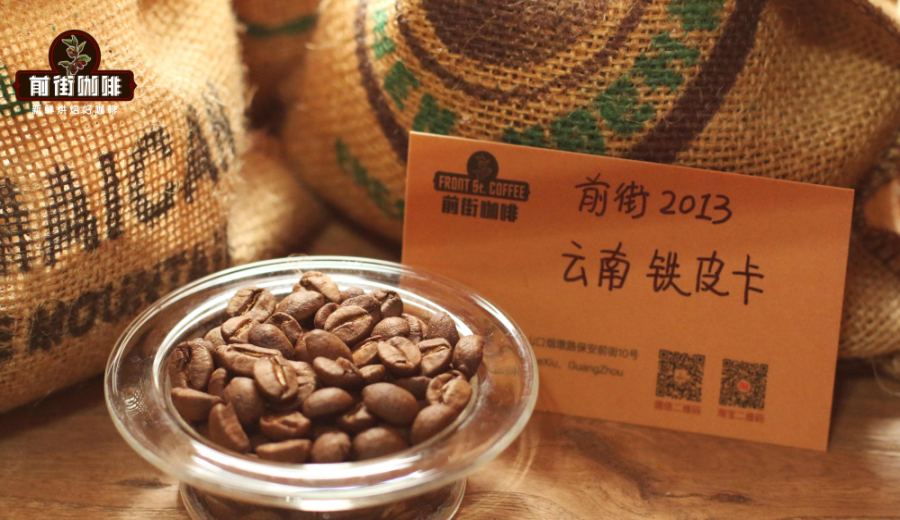
Introduction:Dive deep into Yunnan, China’s largest coffee-producing region, from Pu’er to Baoshan, and explore the geographical advantages, dominant varieties, and diverse processing methods of its four core production areas. This guide helps you grasp the flavor profile of Yunnan coffee, offering professional pour-over brewing recommendations to take your tasting journey—from beginner to connoisseur—to appreciate the unique charm of high-altitude typica beans.
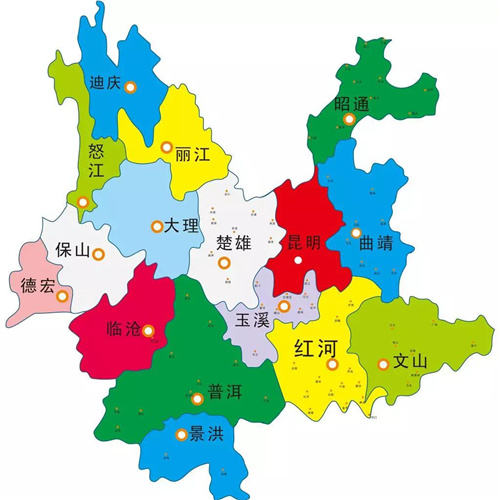
As the Chinese province with the most extensive coffee cultivation, Yunnan maintains a stable annual output of around 26,000 metric tons, accounting for 90% of the nation’s total production, and is renowned as the “aromatic coffee” region. Since 1904, when the first missionary planted the earliest coffee seedlings in Zhugula Village, Binchuan, this land’s coffee story has spanned more than a century. Currently, the main production hubs are concentrated in four strategic regions: Pu’er, Lincang, Baoshan, and Dehong. The area generally cultivates disease-resistant Catimor and traditional Typica varieties, using both washed and natural processing methods to produce a rich and varied flavor spectrum.
It’s worth noting that although Hainan also has coffee-growing potential, in terms of scale and output, Yunnan remains unrivaled. The locally produced “small-bean coffee” has gradually entered the view of the international specialty market in recent years due to its rich aroma and full-bodied taste. Its beans are rich in diverse compounds such as protein, fat, and caffeine, and when properly extracted, they exhibit bright fruity notes and chocolatey aftertastes. From a botanical classification perspective, this variety belongs to the Rubiaceae family, Rubiaceae genus, with the medium bean type being the most suited to the environmental characteristics of the region.
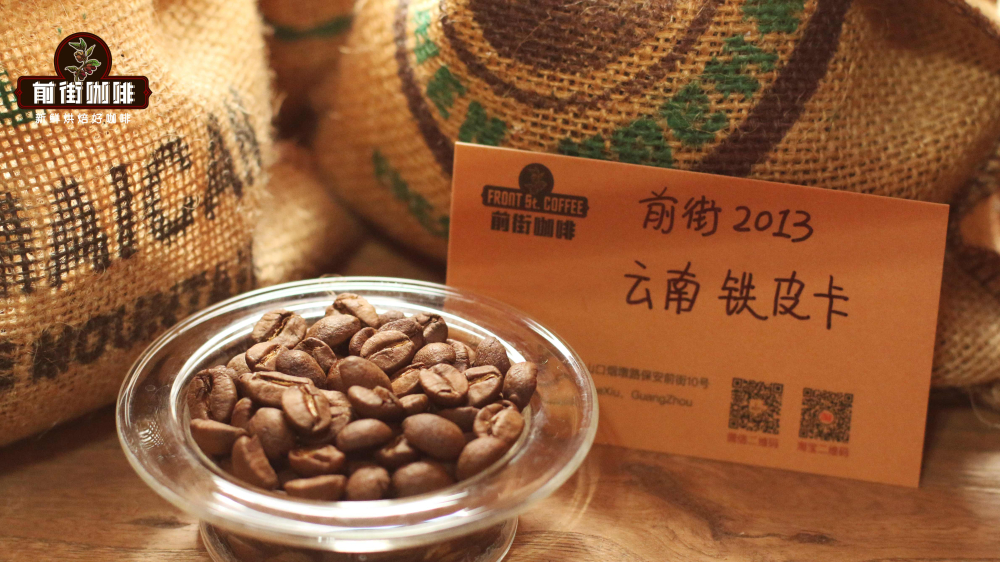
Focusing on the four core production areas: Pu’er is not only famous for its Pu’er tea but is also a major coffee-producing hub in Yunnan, with a current cultivation area of over 680,000 mu and an annual output exceeding 54,000 metric tons, accounting for more than 50% of the national total. In 2021, it was awarded national geographical indication certification. Its microclimate conditions are similar to those of Colombia—low latitude and high altitude create a typical flavor profile that is “rich but not bitter, aromatic but not greasy.” Lincang, with the unique geographical location of the Tropic of Cancer passing through it and the large diurnal temperature variation in the Lancang River basin, produces specialty-grade beans with pronounced acidity and delicate layers. A self-operated estate in the area released a natural Typica variety called “2013,” using a fully red fruit processing method to highlight apricot and caramel-chocolate notes, becoming a regional representative.
Baoshan’s Ludian Dam, as China’s first commercial base for small-bean varieties, benefits from a warm environment with no frost year-round and fertile soil. The coffee produced here is known for its rich fruity flavors, especially appealing to consumers who prefer a bold taste. Dehong Prefecture has a planting history of over 100 years, with the first batch of seedlings introduced in 1914 laying the foundation for development. The old tree clusters in Longxian Village still bear abundant fruit today, and the area is home to the country’s only national-level coffee germplasm resource garden, witnessing the accumulation of industry technology.
In terms of processing methods, Yunnan’s rainy and foggy climate makes the washed process the mainstream choice. By removing the pulp layer in fermentation tanks, impurities are effectively reduced, resulting in a clean fruit acidity and clear flavor layers. In contrast, the natural process, such as the 2013 version, retains more sugar conversion through full fruit sun exposure, imparting a sweet and intense tropical fruit aftertaste. It should be noted that over 90% of Yunnan beans currently in circulation are of the Catimor variety—a hybrid of Timor and Caturra. While it boasts high yields and disease resistance, its flavor complexity is slightly less than that of traditional Typica.
For home brewing needs, it is recommended to adopt a medium roast strategy to balance acidity, sweetness, and body, using a V60 filter cone with a 1:15 coffee-to-water ratio for extraction. Specific parameters are set as follows: use medium-coarse grind (approximately the size of coarse sugar) with a 20-mesh sieve passing rate of 75% in China, and inject 88°C hot water for step brewing—first, use twice the amount of water by coffee weight (e.g., 60 ml water for 30 g coffee) for a 30-second bloom to release gases, then continue pouring at about 4 g per minute until reaching 125 g to form a suspension, and finally stop the process at a total of 225 g water, taking about 2 minutes in total. After completion, gently shake the server to homogenize the coffee liquid, and you can enjoy Yunnan’s distinctive flavors that combine tea-like qualities with fruity notes.
Flavor profiles vary significantly depending on the processing method: the washed version presents a herbal base with nutty and caramel undertones; the natural Catimor enhances plum acidity and spicy layers; while the rare natural Typica can capture distinct notes of Chinese plum and chocolate transformation. It should be noted that the optimal flavor window for coffee beans is 5 to 10 days after roasting. During the resting period, the natural release of carbon dioxide aids flavor development. It is recommended to prioritize purchasing whole beans and grinding them yourself to ensure the integrity of the aroma during extraction.
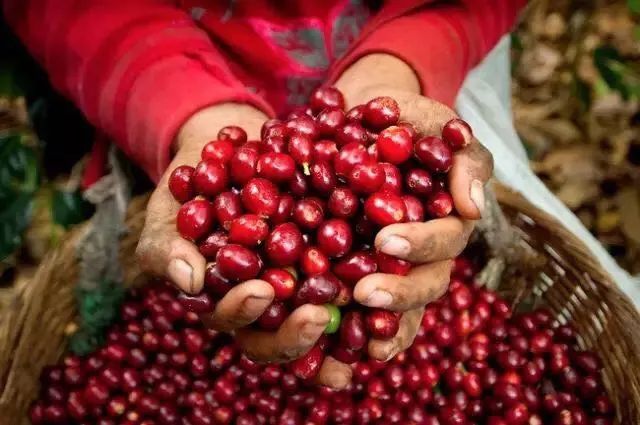
Regarding variety selection, Typica, as the earliest introduced traditional variety, is known for its delicate acidity and balanced taste despite its weaker disease resistance and lower yield. In contrast, Catimor, with its Robusta lineage, has gained robust growth characteristics and become the mainstream supply source in the market today. When tasting, consumers may notice that some innovative processes using anaerobic fermentation can create special tropical fruit aromas, but these may not necessarily reflect the true terroir characteristics of the producing region. It is recommended to evaluate the intrinsic potential of Yunnan coffee through traditional washed and natural processing methods.

Finally, remember that the cleanliness and maintenance of brewing equipment, as well as the freshness of the grind, are equally crucial. It is advised to seal the coffee immediately after each use and avoid direct sunlight and humid environments. By systematically understanding regional characteristics, variety differences, and processing methods, you will be able to more precisely savor the coffee treasures nurtured by these highland mists.
The above content is compiled by CoffeeHunters, a coffee news website.


