







Introduction:The Mamba Blend is a classic combination of Mandheling and Brazilian beans, often used as the base for espresso, offering a profile that balances body with harmony. This article delves into the bean varieties, flavor profile, and provides practical espresso extraction parameters as well as steps to make a hot latte, helping coffee enthusiasts master key techniques from bean selection to brewing.
The Mamba Blend is a classic espresso recipe composed of Mandheling and Brazilian beans. It gained immense popularity in Taiwanese cafés in earlier years and remains a top choice for many baristas when formulating espresso bases. This blend marries the bold intensity of Indonesian Mandheling with the smoothness of Brazilian beans. It can be extracted as a straight espresso or paired with milk for a latte, making it an excellent entry point into the world of espresso-based coffee.
Mandheling BeansSourced from Indonesia and grown in mineral-rich volcanic soil, Mandheling beans are short to oval in shape with a dark green color and a distinct white film along the center cut. When lightly roasted, they exhibit prominent acidity but relatively flat flavors. However, when dark roasted, they reveal spicy, piney, and caramel notes, with a full body and long-lasting aftertaste.
A certain brand’s Golden Mandheling features slightly longer beans and emits a unique dark chocolate aroma after medium-dark roasting, representing high-quality Mandheling. Mandheling is often used as a foundational bean in blends, influencing the overall texture and body of the espresso.
The term “Mamba” refers to the combination of Mandheling and Brazilian beans. As the world’s largest coffee-producing country, Brazil has a wide variance in coffee quality. Most Brazilian beans are machine-harvested, so those chosen for blending are typically affordable and offer a smooth profile, serving as a balancing base for stronger flavors.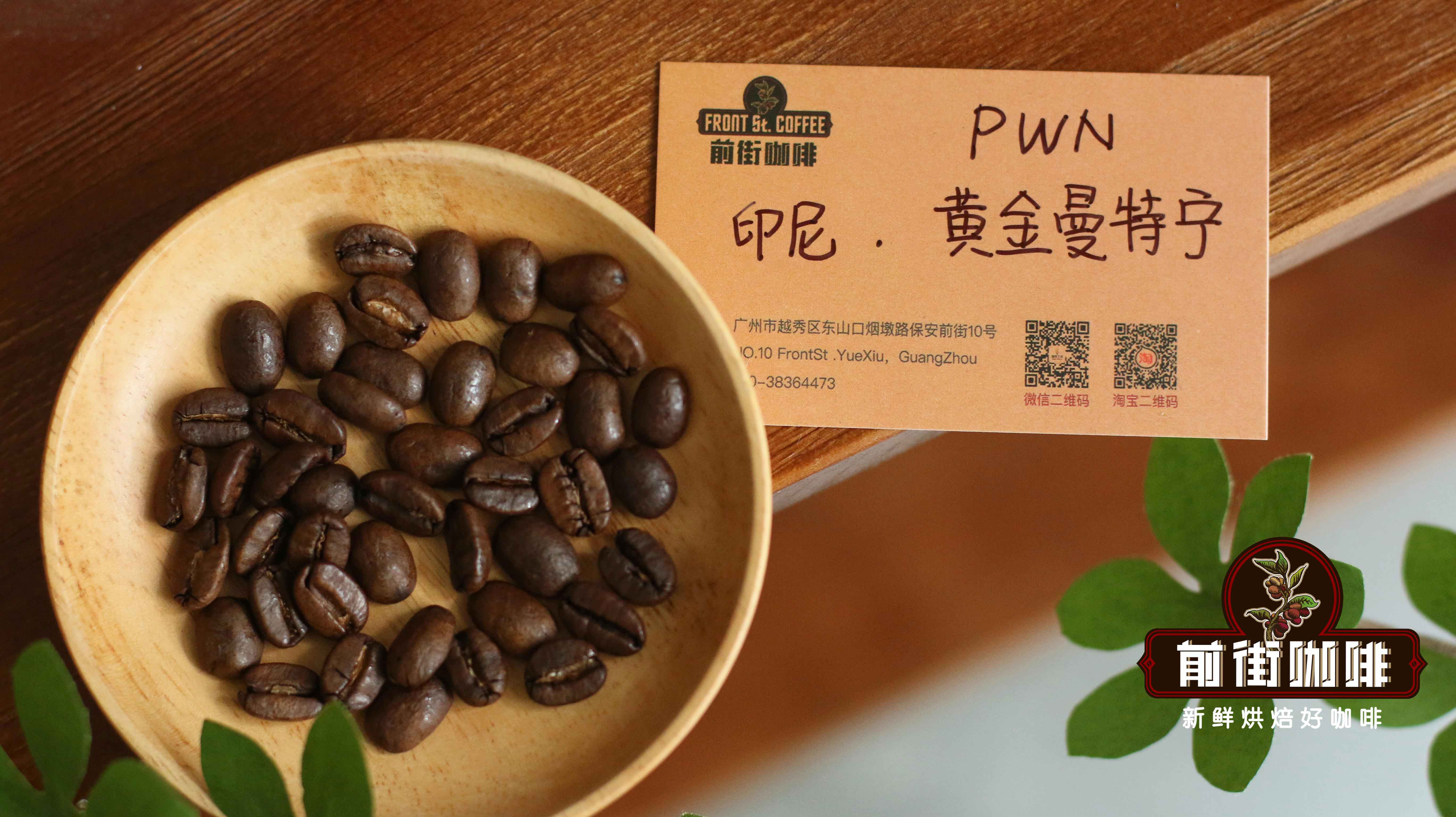
A certain brand’s classic Mamba Blend uses Indonesian wet-hulled Mandheling roasted to medium-dark levels alongside Brazilian pulped natural Sidamo, with a small addition of washed Robusta to enhance crema and caramel aroma. This blend is ideal for espresso, producing a rich golden crema with intense fragrance.
When making espresso, it is recommended to use a double basket with about 18–20 grams of coffee, aiming for a 1:2 extraction ratio (extracting 40 grams of liquid from 20 grams of coffee), with a brew time controlled between 20–35 seconds, ideally around 28–30 seconds. Home espresso machines should achieve 9 bar pressure, while commercial machines like the Lelit Bianca can be adjusted up to 11 bar.
Specific steps: evenly distribute 20 grams of ground coffee in the portafilter, tamp firmly, wet the group head, then attach the portafilter and begin extraction. Stop the extraction once 40 grams of coffee liquid has been dispensed and approximately 30 seconds have passed to complete your shot.
To make a hot latte using this shot, pour 40 ml of the double espresso into a 30 ml coffee cup, then add 240 ml of freshly steamed milk (with milk foam about 0.5 cm thick). Integrate the milk and espresso evenly and finish with latte art. The resulting drink offers aromas of butter and caramel, complemented by the sweetness of chocolate-milk tones and a velvety foam, delivering a richly layered taste experience.
The above content is compiled by CoffeeHunters, a coffee news website.


