







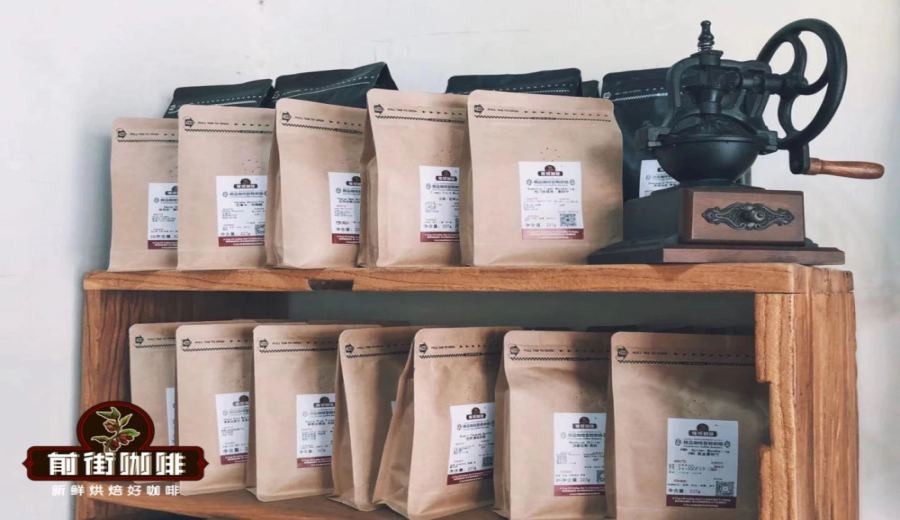
Introduction:Indonesian Mandheling coffee is renowned for its rich, bold flavor, low acidity, and distinctive herbal aroma, making it a favorite among seasoned coffee enthusiasts. This article delves into the history of Sumatran Mandheling, explores the classic wet-hulled processing method, and details the differences in flavor profiles and positioning between two classic regions—Golden Mandheling and Lintong Mandheling. It also provides expert pour-over brewing recommendations to help you fully appreciate the layered complexity of this classic coffee.
When it comes to Sumatra, Indonesia, many coffee lovers immediately think of Mandheling. This highly representative coffee, with its bold and full-bodied taste, low acidity, and unique character featuring earthy and herbal notes, has secured a place in the global specialty coffee market. But did you know? The term "Mandheling" is not actually a place name but the result of a historical misunderstanding.
Legend has it that during World War II, a Japanese officer tasted a richly flavored coffee in Sumatra and asked the shopkeeper for its name. However, the question was misunderstood as asking where the officer was from. The shopkeeper replied "Mandailing," which sounded like "Mandheling" in Japanese. Since then, the name has been mistakenly used to this day. In fact, "Mandailing" refers to an indigenous ethnic group in Sumatra, not a region or coffee variety.
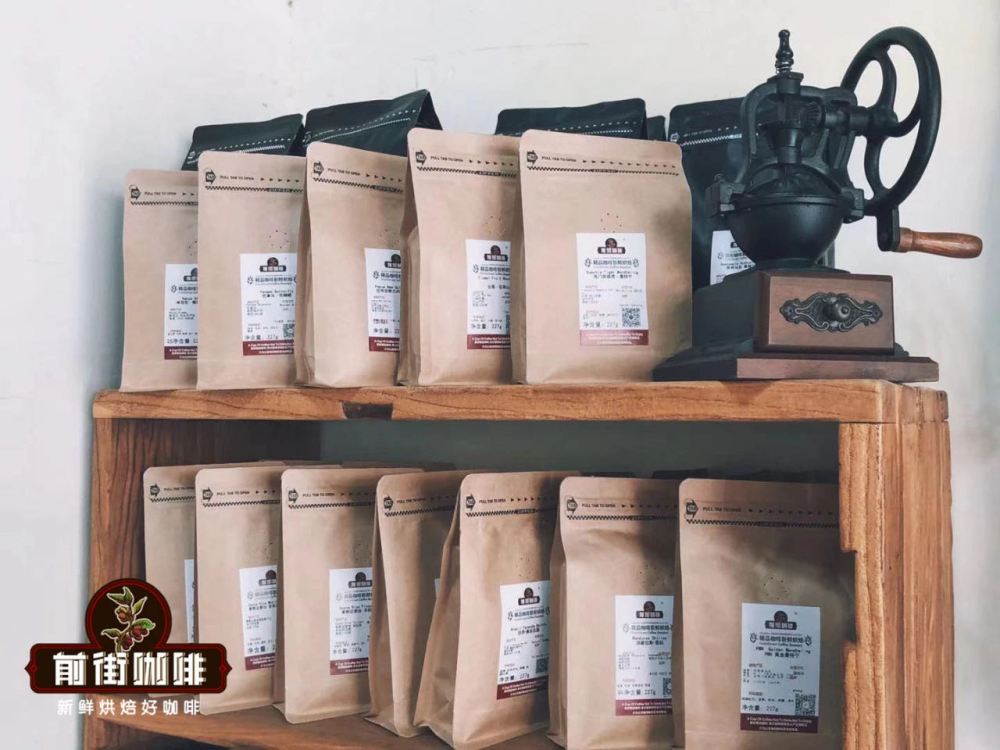
Today, Mandheling has become synonymous with Indonesian coffee, particularly the Golden Mandheling and Lintong Mandheling from the Sumatra region, which are the most well-known. Even in the menu of a certain well-known coffee shop, which offers about fifty specialty coffees from around the world, these two types of Mandheling still stand out with their bold and full-bodied flavors, attracting many drinkers who prefer dark roasts and low-acid profiles. However, even though they both come from Sumatra, these two beans differ significantly in origin, processing details, and final flavor expression.
When choosing Mandheling, a common dilemma for beginners is: "Why do some people love it, while others avoid it?" This is closely related to Mandheling’s unique processing method. Due to Sumatra’s consistently hot and humid climate, which is unsuitable for common sun-drying or washed processing methods, the region has developed a unique "wet-hulled processing method," which is also a key factor in shaping Mandheling’s distinctive flavor.
The so-called wet-hulled process involves removing the coffee fruit's skin and pulp, undergoing initial fermentation and washing, then drying the parchment-covered beans to a semi-dry state before scraping off the parchment layer. The green beans are then left to dry directly in the open air to complete the final drying process. This method, which removes the protective layer midway, makes the beans more susceptible to microbial influence, resulting in distinctive herbal and spicy notes. Additionally, because the fermentation time is usually shorter, the acidity is reduced, and the flavor becomes richer and fuller.
Among Sumatra’s many producing regions, Lintong was once the main origin of Mandheling, but the rising star Gayo region’s Golden Mandheling has now become representative of the high-end market. Lintong Mandheling is often positioned as an entry-level or everyday "drinking bean," with relatively affordable pricing, yet it still showcases the classic characteristics of Sumatran Mandheling. It is very suitable for coffee lovers trying this flavor profile for the first time.
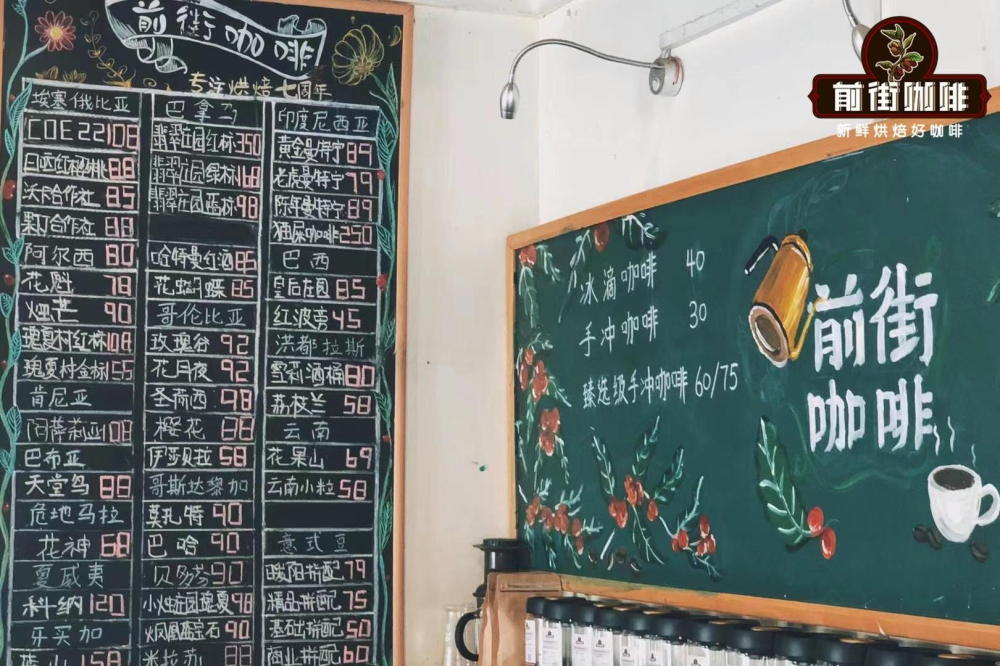
In the menu of a certain well-known coffee shop, Lintong Mandheling is one of its drinking bean series, allowing consumers to experience the terroir characteristics of different regions at a reasonable price. This series covers seven major producing regions, making it easy for beginners to gradually explore the diverse world of specialty coffee. Golden Mandheling, on the other hand, is positioned as a high-end product, typically with strict bean selection standards—for example, requiring beans larger than 18 mesh, no more than 3 defects per 300 grams of green beans, and undergoing multiple rounds of manual sorting to ensure consistency and high quality in appearance and flavor.
It is worth noting that many merchants sell coffee under the name "Golden Mandheling," but the actual quality and flavor can vary greatly. A professional barista once conducted a blind tasting and could easily identify Golden Mandheling certified by PWN, as its cleanliness and overall performance clearly stood out. Such high-end Mandheling not only demands higher standards in bean selection and processing but also better showcases its delicate layers in roasting and brewing performance.
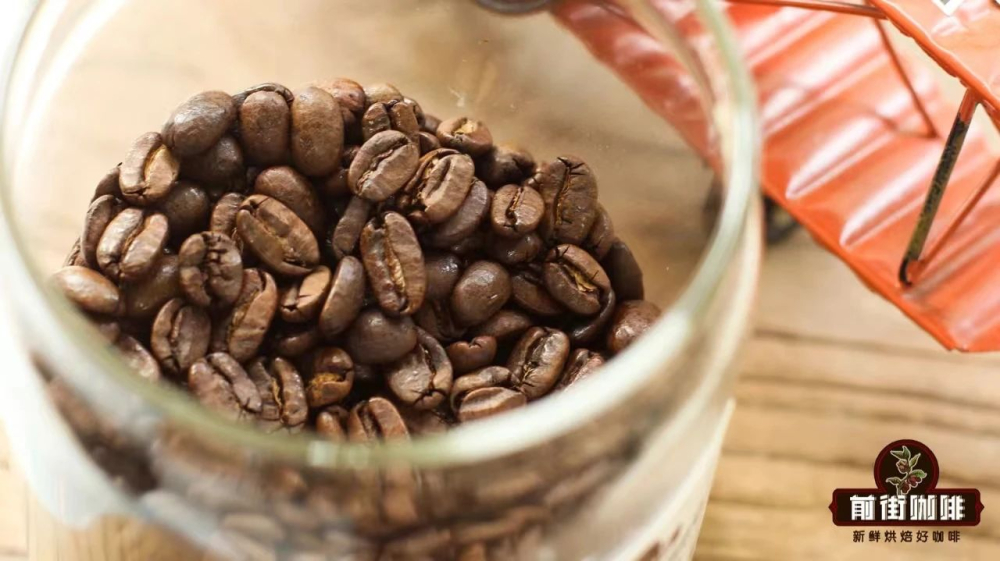
In terms of roasting style, a certain well-known coffee shop opts for a medium-dark roast to highlight Mandheling’s traditional traits, enhancing its bold, low-acid flavor profile with notes of caramel and dark chocolate. For home brewers who want to try Mandheling, here are the professional barista-recommended pour-over parameters, suitable for most medium-dark roasted Sumatran Mandheling:
Filter:KONO
Brewing water temperature:88°C
Coffee dose:15 grams
Coffee-to-water ratio:1:15
Grind size:Approximately 70% passing through a Chinese standard No. 20 sieve (equivalent to medium-coarse, close to the range between medium-fine and medium-coarse for pour-over)
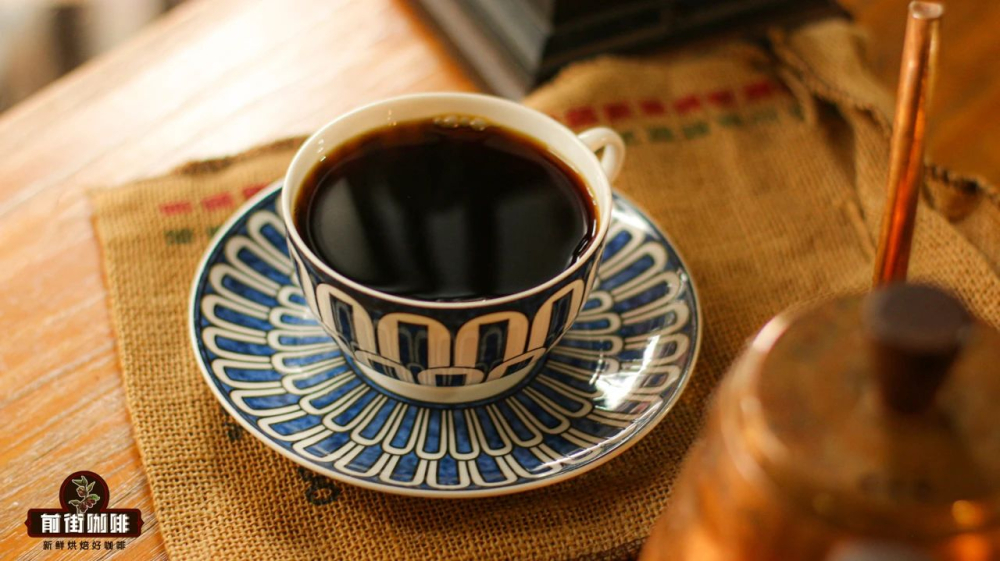
Since medium-dark roasted beans release flavors more quickly during extraction, it is recommended to use slightly lower water temperature and a medium-to-coarse grind to avoid over-extraction and bitterness. Additionally, because coffee beans continue to release carbon dioxide after roasting, it is advisable to perform a 30-second bloom before brewing to help stabilize extraction and enhance flavor expression.
In practice, you can start by pouring about 30 grams of hot water for the bloom, then slowly pour water in a circular motion from the center outward using a fine stream until reaching 125 grams. Once the water level drops, continue pouring in circles until reaching 225 grams, with the total extraction time controlled to around 2 minutes. This extraction method effectively balances a full-bodied taste with layered flavors.
The brewed Mandheling features a profile led by nutty and herbal aromas, with a mid-palate showcasing the sweetness of dark chocolate and caramel, and a long finish with a smooth lingering aftertaste. As the temperature cools, some may also detect subtle notes of melon or spices. The overall experience is bold yet dynamic, making it a classic flavor that dark roast enthusiasts shouldn’t miss.
The above content is compiled by CoffeeHunters, a coffee news website.


