







Introduction:Tanzanian AA Kilimanjaro coffee, featuring the Bourbon variety with washed processing, showcases gentle fruit acidity and rich aroma, earning it the title of "coffee gentleman." This article delves into the characteristics of its growing region, grading system, processing methods, and provides professional roasting profiles along with V60 three-stage pour-over parameters to help you master the brewing essentials of this African specialty bean.
Tanzanian Kilimanjaro coffee is celebrated as the "coffee gentleman," with its mellow mouthfeel, soft acidity, and captivating aroma leaving a lasting impression. This AA-grade Bourbon variety from the Kilimanjaro volcanic region, processed through washed methods, exhibits citrus and berry notes, with a balanced sweet and sour profile complemented by a distinctive red wine aroma.
Coffee in Tanzania is locally referred to as kahawa. This East African country has a coffee-growing history spanning over a century, with a total cultivation area of approximately 250,000 hectares. Coffee from the Kilimanjaro region is renowned for its unique flavor profile—compared to neighboring Kenyan beans, it features gentler acidity, a more pronounced sweetness, while retaining a rich red wine character.
This Tanzanian AA Kilimanjaro coffee originates from the volcanic highland regions of northern Tanzania at elevations between 1,300–2,000 meters, with the Bourbon variety refined through washed processing. After multiple roasting trials, the optimal roasting parameters were determined, allowing the pour-over method to fully highlight its distinctly fruity yet soft acidity, leaning toward citrus and berry notes.
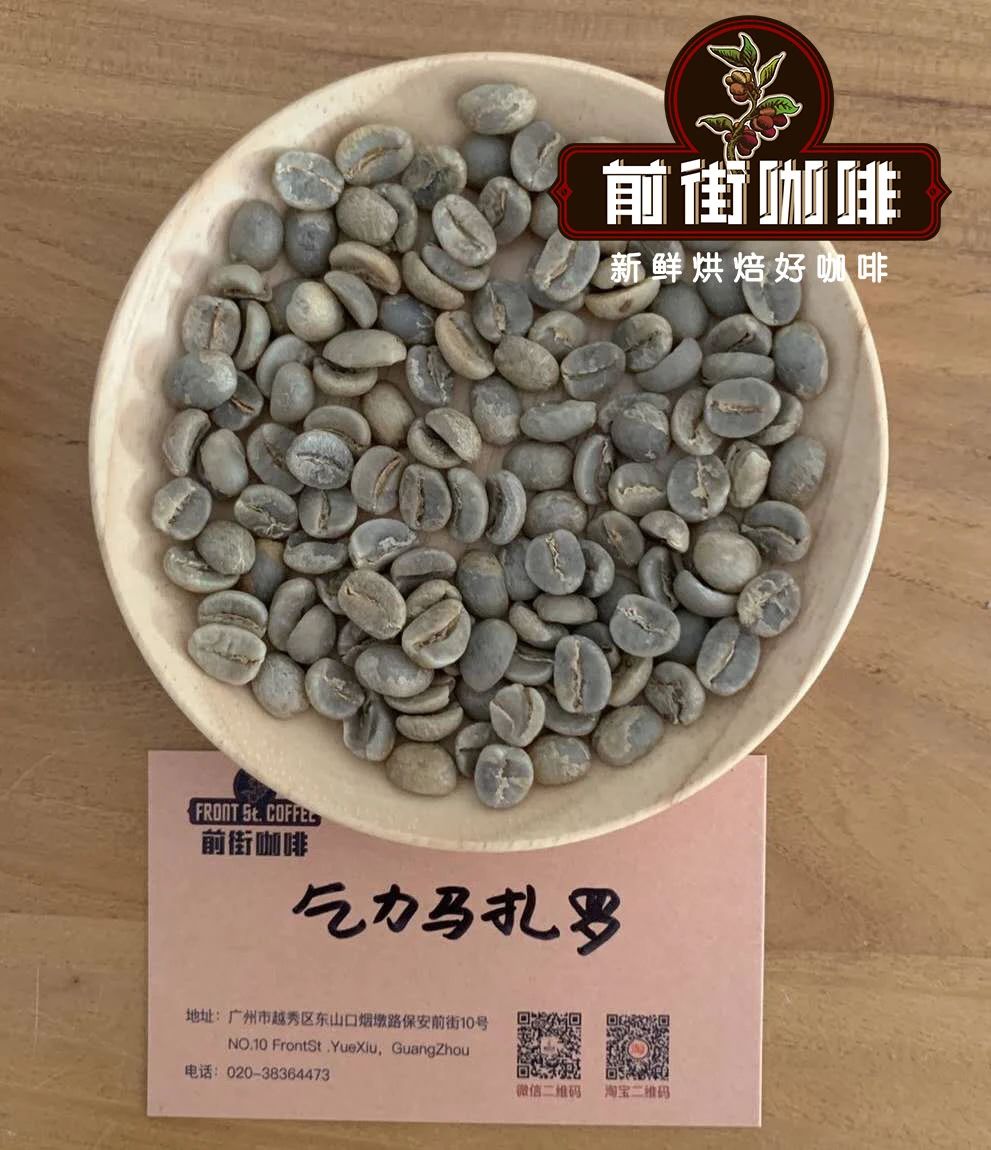
The primary coffee varieties grown in Tanzania include Bourbon, Typica, and Kent. Among these, the Bourbon variety originated in Yemen and was named after its initial cultivation on Bourbon Island (now Réunion). These coffee cherries are small and round, characterized by high sweetness and bright acidity. Their yield is 20–30% higher than Typica but still considered low-yielding. Red Bourbon, due to its visibly changing fruit coloration, typically performs better at high altitudes, offering excellent aroma and red wine-like flavor characteristics.
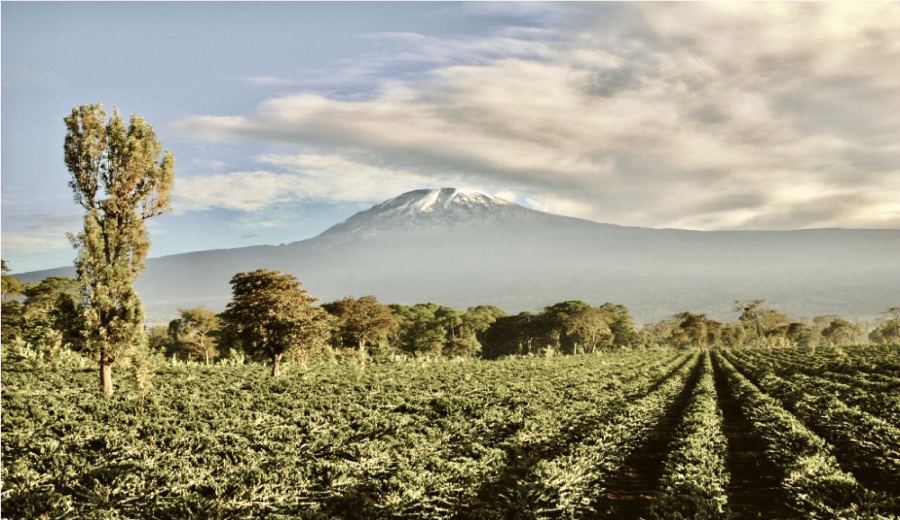
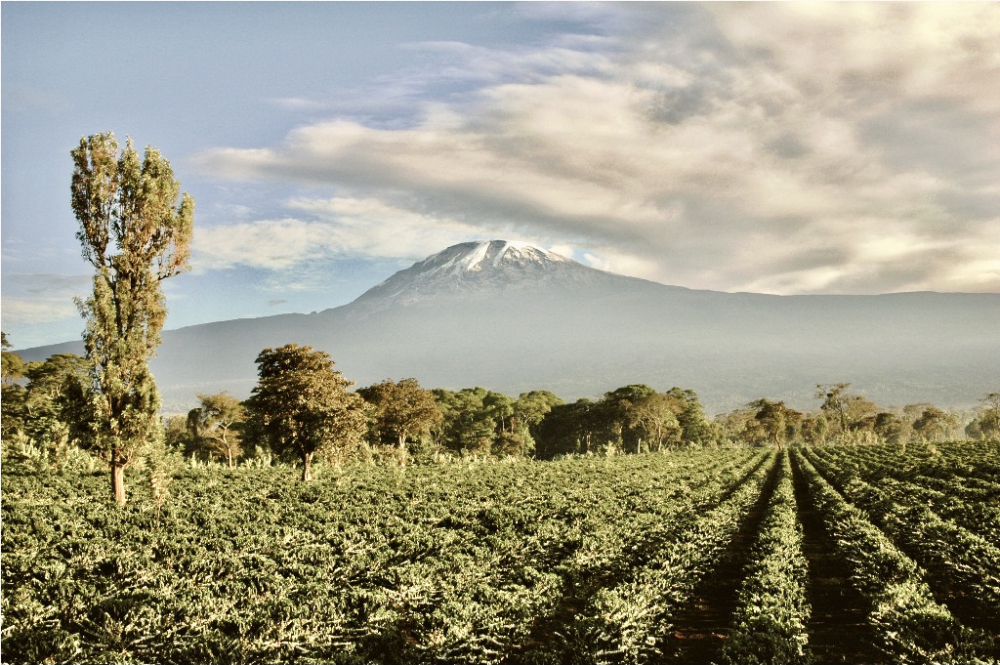
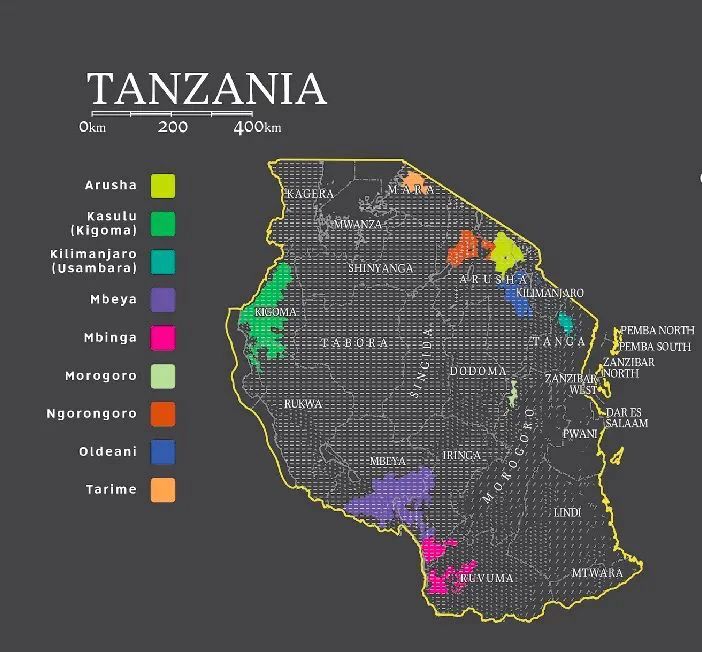
Mount Kilimanjaro, Africa’s highest peak, and its surrounding areas are the main coffee-producing regions in Tanzania. This 5,895-meter volcano provides fertile volcanic soil for surrounding coffee plantations, resulting in a rich texture and soft acidity in the coffee. Key producing areas include Moshi, Mbeya, and others, generally situated at elevations of 1,150–1,500 meters, representing a classic high-altitude coffee-growing environment.
Washed processing is the predominant method for coffee in Tanzania, effectively preserving the coffee’s pure flavor. The washed process involves the following steps: first, screening to remove impurities; then, removing the coffee pulp and outer skin; next, fermenting the beans in tanks to remove the mucilage layer; and finally, thorough washing and drying. This method highlights the coffee’s acidity and aroma while maintaining a clean mouthfeel.
Tanzania’s coffee grading system is similar to Kenya’s, primarily categorizing beans by size. AA grade is the highest, with bean sizes between 17–18 mesh (approximately 7.20mm sieve); AB grade is slightly smaller, sized between 15–16 mesh (6.8mm–6.2mm sieve); PB grade consists of round beans, making up about 10% of the total. This grading system helps ensure consistency in coffee quality.
For this Tanzanian AA Kilimanjaro coffee, a medium-light roast level is recommended. Specific roasting parameters suggest: an inlet bean temperature of 170°C, reaching the yellowing point at 150.8°C at 6 minutes 30 seconds, first crack starting at 182.7°C at 10 minutes 16 seconds, and dropping the beans at 193°C after 1 minute 45 seconds of first crack development. This roasting curve fully highlights the coffee’s sweetness and moderate acidity.
For pour-over, use a V60 filter cone with a 1:15 coffee-to-water ratio, water temperature controlled at 91°C, and grind size roughly equivalent to superfine sugar (80% passing rate through a #20 sieve). Employ a three-stage pouring method: begin with a bloom to aid degassing, especially important for freshly roasted beans; the second pour starts from the center, with a small stream circling about the size of a one-yuan coin; the third pour occurs when the water level drops halfway, increasing the circle size to encourage bean agitation and fully extract soluble compounds.
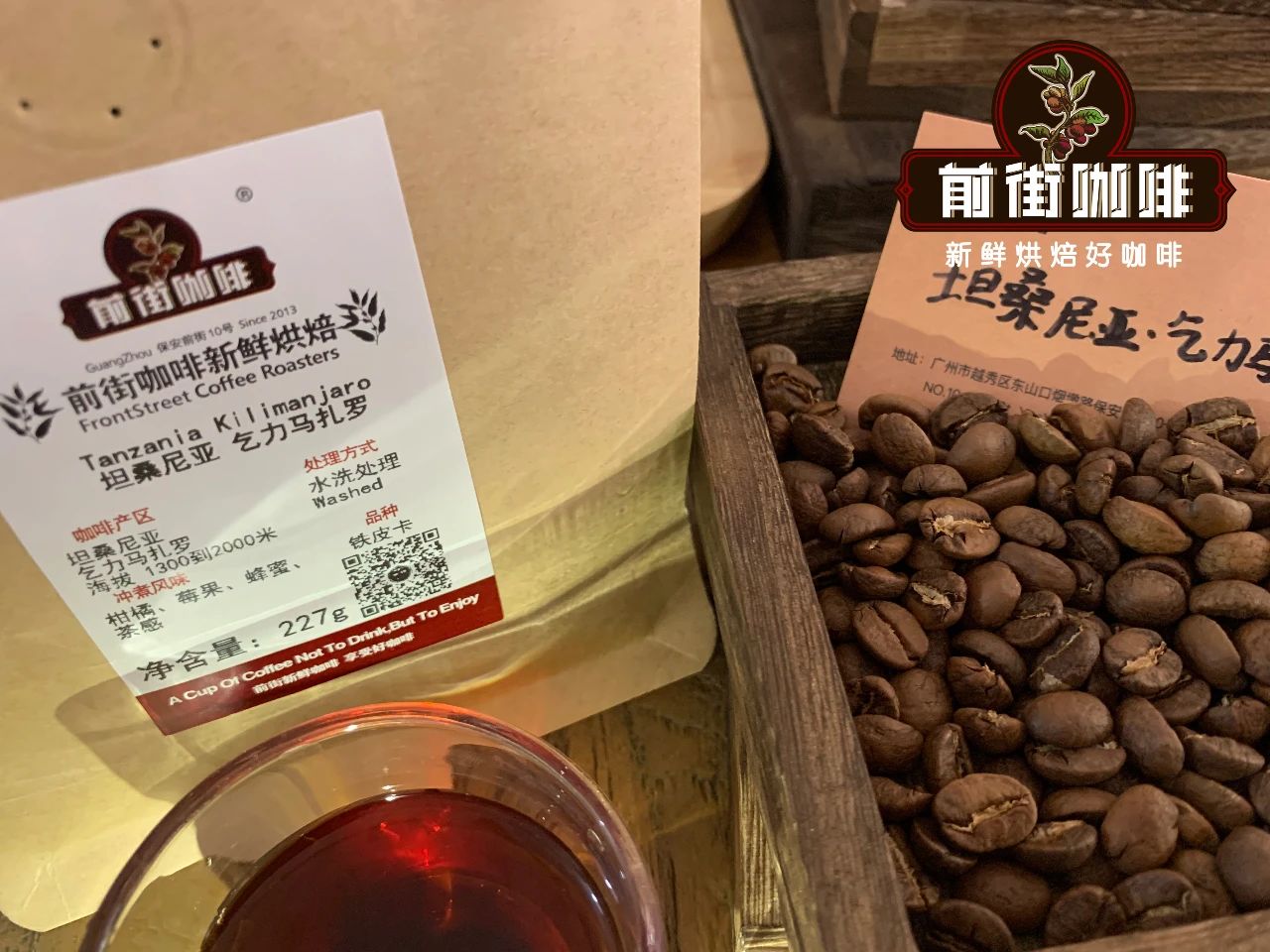
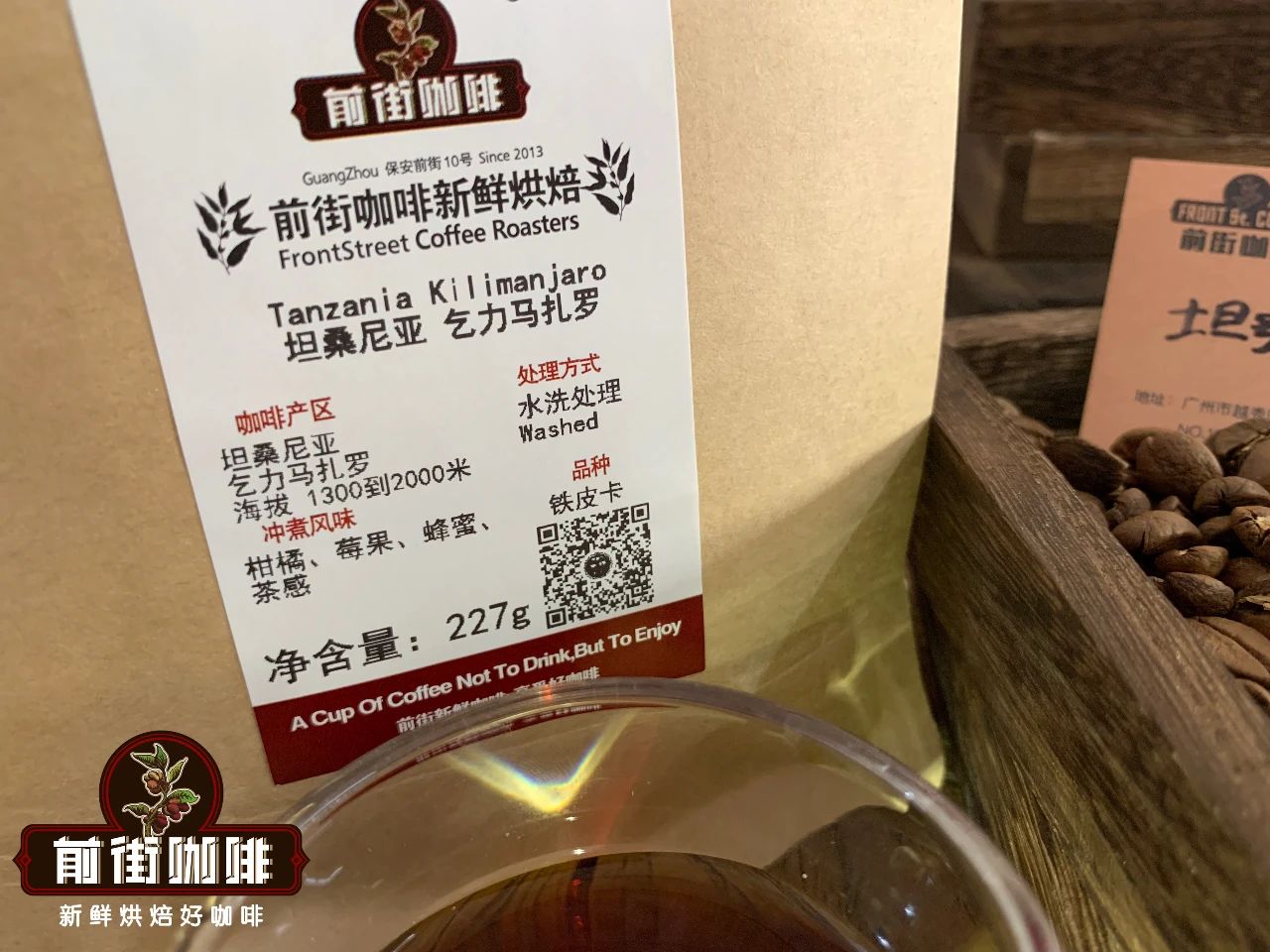
This Tanzanian AA Kilimanjaro coffee boasts distinct flavor characteristics: the opening notes feature pronounced berry aromas, the entry offers soft and refreshing citrus acidity, the mid-palate reveals honey-like sweetness, and the finish presents an elegant tea-like texture with lingering aftertaste. Ideal for coffee enthusiasts who appreciate balanced flavors and bright acidity, it’s an excellent choice for exploring African coffee profiles.
The above content is compiled by CoffeeHunters, a coffee news website.


