







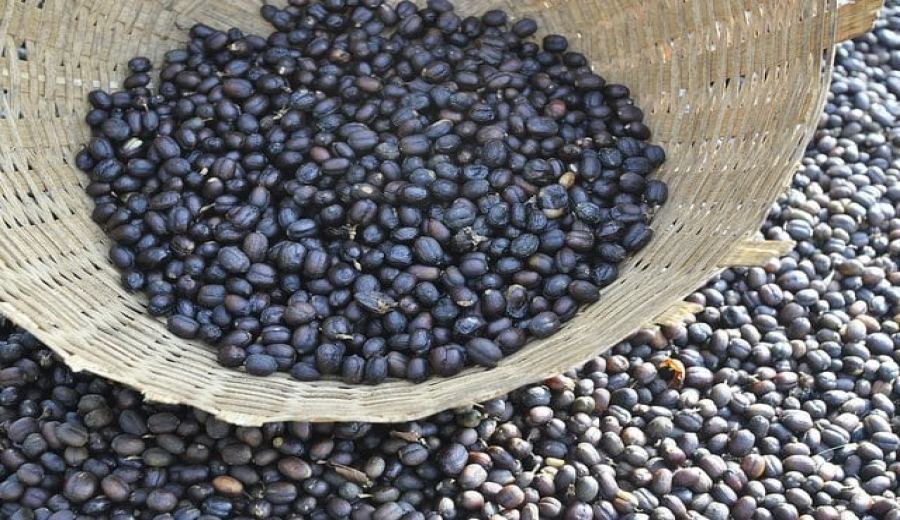
Introduction:As the most traditional initial processing method for coffee beans, the natural (sun-dried) process preserves the essence of the fruit pulp through natural drying, imparting rich fruity aromas and sweet fermentation notes to the coffee. This article delves into its historical evolution, technological innovations, and flavor secrets, while also providing practical brewing parameters to help you master the essence of this classic processing method.
The natural process is the oldest technique in coffee processing, commonly referred to as "Natural" in English. This method involves directly placing freshly harvested whole coffee cherries under the sun to dry, with both the pulp and skin intact, until the moisture content drops to the desired standard before hulling. Since it relies entirely on natural drying, it effectively locks in the sugars and aromatic compounds from the pulp, allowing the coffee beans to exhibit abundant tropical fruit notes, distinct fermentation layers, and a sweet, lingering finish.
Traditional natural processing, due to its reliance on environmental conditions and manual experience, used to be difficult to control in terms of quality, often resulting in off-flavors or uneven fermentation. However, with the rise of the specialty coffee movement, producers have begun optimizing the natural process by implementing strict sorting, controlling drying environments and durations, thereby revitalizing this ancient method. This technique is particularly prevalent in water-scarce regions, such as Ethiopia in Africa, not only conserving water but also showcasing the region's unique microclimate flavors.
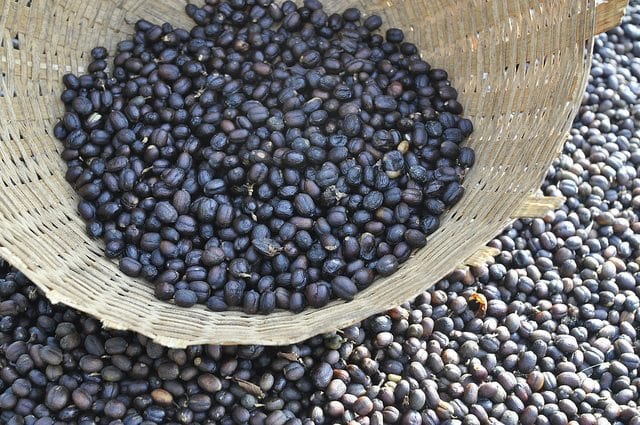
During the natural drying process, the sugars and aromas from the coffee pulp gradually seep into the seed. Over time, the fermentation reaction becomes more complete. Since the coffee beans mature naturally within the fruit without external interference, their inherent characteristics are enhanced, producing distinctive tropical fruit and berry aromas accompanied by a rich sweetness. This process has relatively simple environmental requirements but demands high weather stability, making it common in regions with abundant sunlight and low rainfall.
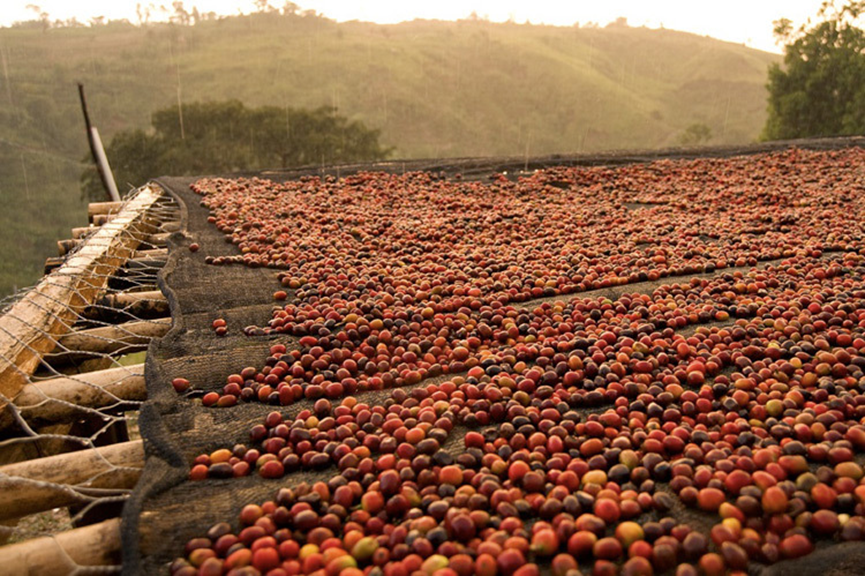
Take Ethiopia as an example: its high altitude, strong sunlight, and dry climate provide ideal conditions for natural processing. However, if temperature and agitation frequency are not properly controlled during processing, uneven fermentation or overheating can easily occur, affecting the final quality of the coffee beans. Early traditional methods often involved spreading the coffee cherries directly on the ground to dry, which not only exposed them to dust and microbial contamination but could also lead to off-flavors due to uneven heating. As a result, natural-process coffee was once considered a lower-tier method and was relatively inexpensive.
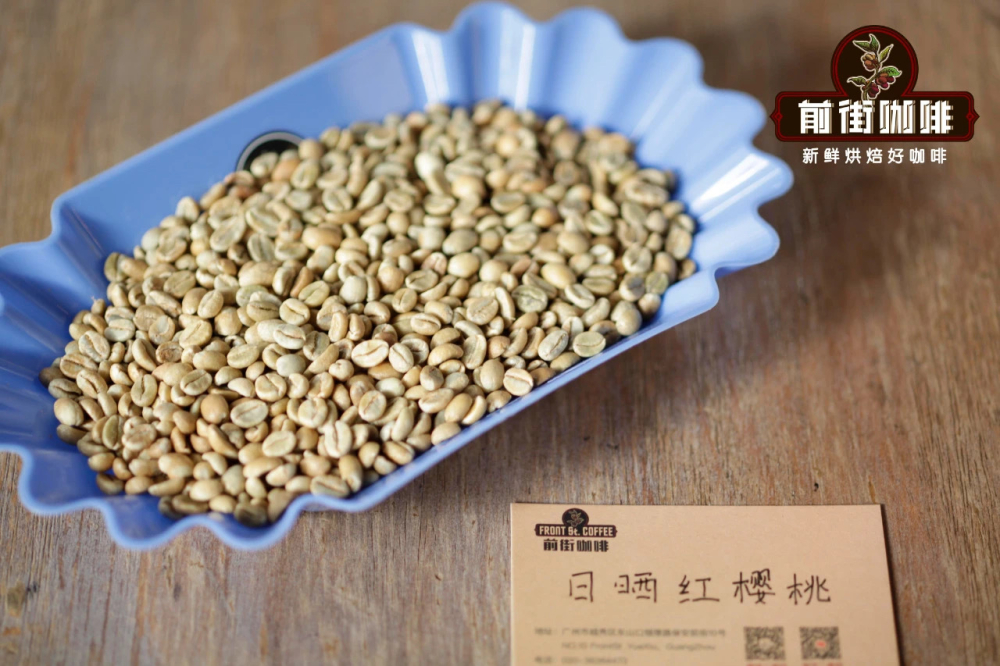
With the growing popularity of specialty coffee, natural processing has gradually become more refined, with many producers investing more resources to improve the process. For instance, the Dutch trading company Trabocca BV launched the "Red Cherry Project" (OPERATION CHERRY RED PROJECT) in 2007, focusing on high-altitude regions in Ethiopia such as Yirgacheffe to optimize various processing techniques, including natural drying. This project, supported by a professional cupping team, meticulously selects only 100% fully ripe red cherries and adjusts harvesting strategies based on different microclimatic zones, with each batch limited to 1,500–3,000 kilograms. Additionally, Trabocca provides financial loans, modern equipment, and technical guidance, significantly enhancing the overall quality and market value of local coffee, thereby increasing farmers' incomes.
Modern natural processing places greater emphasis on uniform drying and quality control. Freshly picked red coffee cherries are first manually sorted to remove unripe, defective, or damaged beans, retaining only the highest-quality fruits. They are then placed on specialized drying racks, such as African-style raised beds or waterproof tarps, ensuring good ventilation and ease of regular turning. The entire drying period typically takes 27–30 days until the coffee beans turn a dark purple hue and their moisture content stabilizes at around 11%, ensuring optimal storage and roasting quality. This refined process allows natural-process coffee to exhibit more complex layers, often with wine-like fermentation notes, pronounced sweetness, and a long-lasting finish.
Take the Yirgacheffe region as an example: coffee processed through refined natural methods has a richer and more varied flavor profile, featuring not only tropical fruit aromas but also wine-like notes, honey sweetness, and gentle acidity. These beans are often Grade 1, with intact appearance and low defect rates, making them an ideal choice for coffee enthusiasts exploring natural-process flavors.
To brew natural-process coffee beans at home, you can refer to the following practical parameters: use a V60 filter, maintain a water temperature of 92–93°C, use about 15 grams of coffee, and set the coffee-to-water ratio at 1:15. Adjust the grind size to that of fine sugar (approximately 78% extraction rate through a #20 sieve). Brewing steps are as follows: start with a 30-second bloom using 30 grams of water, followed by pouring 95 grams of water (total ~125 grams) within about 1 minute; when the water level drops to two-thirds of the coffee bed, pour the remaining 100 grams of water (total ~225 grams) within about 1 minute 35 seconds. Finally, wait for the drip to finish—approximately 2 minutes 10 seconds—and then remove the filter to complete the extraction.
This brewing method fully highlights the fruity aromas and sweetness of natural-process coffee. The flavor profile typically includes bright elements such as lemon, licorice, citrus, berries, and sweet orange, with prominent sweetness and a finish that carries caramel and cream notes. A subtle, tea-like smoothness may also linger. By precisely controlling the parameters and savoring the coffee attentively, you can better appreciate the unique charm of the natural processing method.
The above content is compiled by CoffeeHunters, a coffee news website.


