







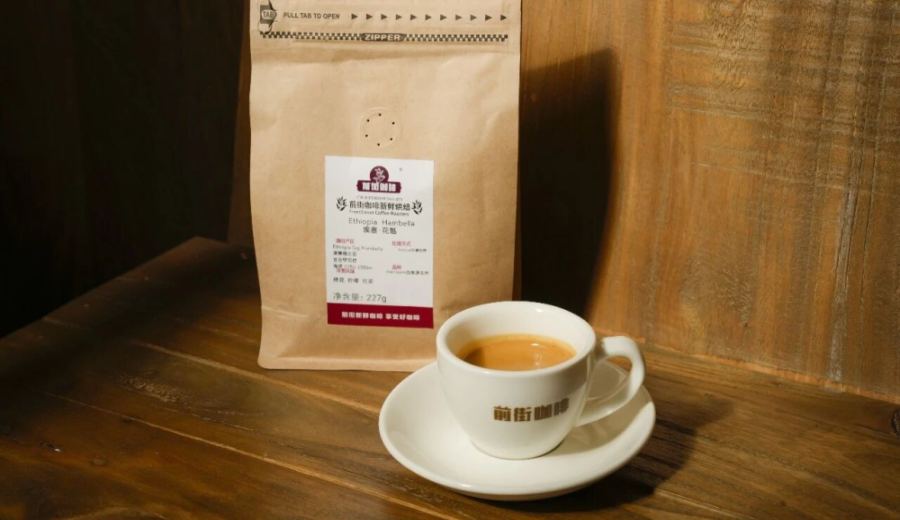
Introduction:An in-depth exploration of the Ethiopian Yirgacheffe Guji Hambella region’s Huaguang G1 natural-process coffee, covering everything from ECX grading reforms and the dual-track system of cupping scores and defect rates, to the origin of the TOH championship title and the terroir of the growing region. This article fully breaks down Huaguang’s natural processing method and bean variety characteristics, and provides practical V60 three-stage brewing parameters along with its flavor profile — a comprehensive beginner’s guide to understanding this star natural coffee.
Ethiopia’s Yirgacheffe Guji Hambella region produces Huaguang G1 natural coffee, renowned for its vibrant fruity aromas and honey-like sweetness. This bean, which once defeated Geisha to win the TOH competition, has now become a highly sought-after item among specialty coffee enthusiasts worldwide. To fully grasp its appeal, we must start with Ethiopia’s coffee grading system.
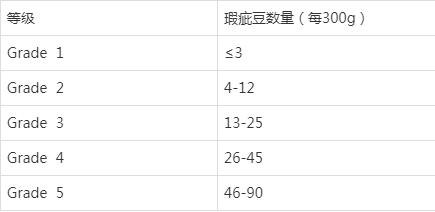
When evaluating coffee grades in Ethiopia, two main criteria are considered: cupping performance and green bean defect rates. During the cupping phase, judges score beans based on cleanliness, regional characteristics, and flavor expression. According to SCAA standards, G1 and G2 beans scoring above 85 points are classified as Q1 specialty grade; G1, G2, and G3 beans scoring between 80 and 85 fall under Q2; and anything below 80 is grouped as G3. The evaluation of green bean defects is equally crucial — for washed beans, a 300g sample with 0–3 defects is Grade 1, and 4–12 defects is Grade 2, divided across 9 grades total. Specialty grades are limited to G1 and G2; grades below G3 are non-specialty, and grades after G6 are mostly for domestic consumption only.
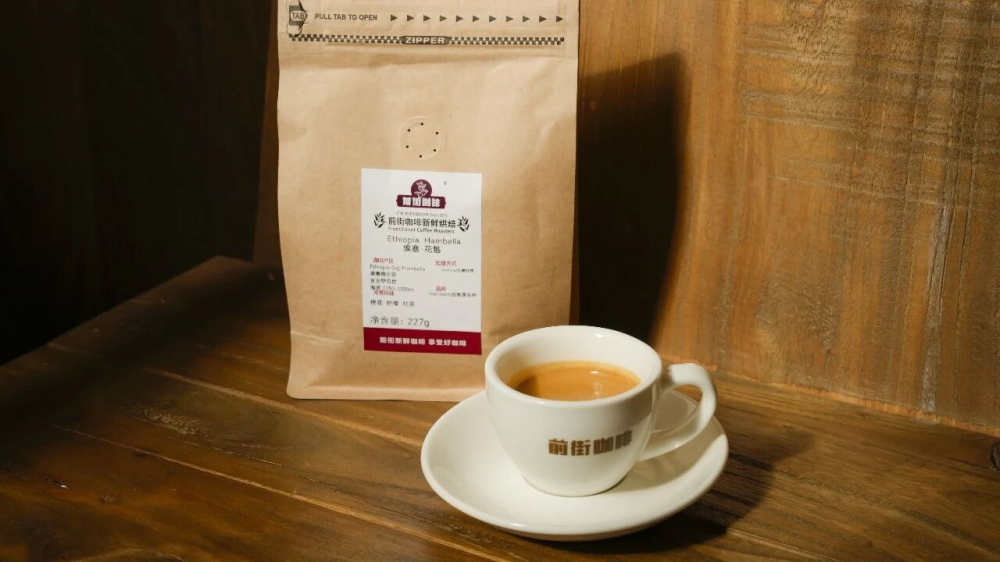
It’s worth noting that before the establishment of ECX, naturals were capped at a maximum of G3. However, following reforms, the G1 grade was introduced, and today G1 and G2 Ethiopian natural coffees are available on the market. The scoring for natural processing consists of physical attributes (40%, including 30% defect count and 10% aroma) and cup quality (60%, including 15% each for cleanliness, acidity, mouthfeel, and flavor characteristics). Huaguang meets the high standards of G1 naturals, with an extremely low defect rate, representing the pinnacle of quality.
Although the flavor difference between G1 and G2 is usually minimal, mainly differing in defect counts, from the perspective of green bean quality, G1 beans with fewer defects still hold a clear advantage. Ethiopian coffee can be divided into three major categories based on processing method and quality: Specialty (low defects, excellent cup quality, intended for export), Commercial (not specialty-grade but above domestic standards), and Local/Domestic (higher defects, poorer flavors, mainly for domestic consumption). Huaguang clearly belongs to the top-tier Specialty category.
Huaguang coffee originates from the extremely high-altitude sub-region of Hambella within the Yirgacheffe Guji zone. This area belongs to the Oromia Region, located in the southeastern part of Guji, bordering Yirgacheffe Kochore to the west across highlands at 3200 meters elevation, and adjacent to Shakiso, Uraga, and Kercha sub-regions to the northeast and south. It is the highest-altitude coffee sub-region in Ethiopia (though the main Harrar region is higher in altitude, it is categorized as a main production area rather than a sub-region). The Hambella farm covers 200 hectares, employs 28 full-time staff normally, and scales up to over 700 workers during harvest season, 70% of whom are women. The farm fosters collaboration between local farmers, agronomists, and processing specialists to improve coffee quality, and also purchases and resells some beans.
This coffee bean is processed using the traditional natural (dry) method, where coffee cherries are sun-dried on raised beds for 21 days. During this period, they are turned multiple times daily to ensure even drying, and defective or moldy beans are manually removed. Once the fruit skin hardens, it is removed by a hulling machine, followed by a final fine screening. This process effectively avoids moldy or off flavors while preserving bright fruity aromas and sugars. The bean’s name originates from the 2017 TOH competition, when a natural lot from the Buku Abel processing station in Hambella, submitted by a green bean company, defeated several Geisha lots to claim the championship. Later, an international trading company introduced it and named it after the champion. To differentiate between vintages and regions, only natural beans from the Buku Abel station in Hambella can carry this name, resulting in versions ranging from 2.0 to 11 of this series.
To fully highlight the complex flavors of this coffee — such as floral notes, mango, jackfruit, citrus, and honey — light roasting is key. It is recommended to use a V60 filter cone with 91°C water, at a 1:15 coffee-to-water ratio (15g coffee to 225ml water), ground to a size where 80% passes through a Chinese standard #20 sieve. The V60’s flow-directing ribs and large center hole accelerate water flow, while its spiral vents extend contact time, enhancing extraction complexity.
For specific brewing, follow a three-stage extraction: first, wet the coffee with 30g of water for a 30-second bloom to form a “hamburger” bed; at the 1-minute mark, pour 125g of water, then wait until the water level drops to two-thirds of the coffee bed before pouring again; at 1 minute and 40 seconds, pour the final 90g to reach a total of 225g, with the full extraction taking about 1 minute and 59 seconds, and the entire brew process around 2 minutes. After brewing, gently swirl the coffee to evenly mix the liquid before drinking.
In terms of flavor profile, this natural Huaguang showcases light fermented wine notes, bright floral tones, citrus character, accompanied by fruity sweetness from mango and jackfruit. The mouthfeel is rich and complex, with honey-like sweetness and cocoa undertones alongside a hint of spice. The body is full and the aftertaste lingers. It is recommended to choose freshly roasted beans within 5 days of roast, with a resting period of 4 to 7 days for peak flavor — allowing you to experience its layered complexity.
The above content is compiled by CoffeeHunters, a coffee news website.


