







Introduction:The Geisha coffee from Panama's Hacienda La Esmeralda is renowned for its distinctive floral and fruity aromas and clear layering of flavors, with its Red Label and Green Label being the focus of enthusiasts. This article delves into the origins of the Geisha variety and its connection to Panama’s terroir, analyzes the flavor differences between the two flagship labels of Hacienda La Esmeralda, and provides proven pour over parameters and techniques to help you brew at home with bright citrus notes and honey-like sweetness.
In the world of specialty coffee, Geisha coffee from Panama is nothing short of legendary. This variety, originating from the Geisha Mountains in western Ethiopia, unexpectedly found its most suitable growing environment in Panama, producing highly recognizable floral and fruity profiles with delicate acidity. What kind of terroir conditions have made this coffee bean a frequent winner at auctions? This article will take you through the development of Geisha in Panama and highlight the unique charm of the two main product lines from Hacienda La Esmeralda.
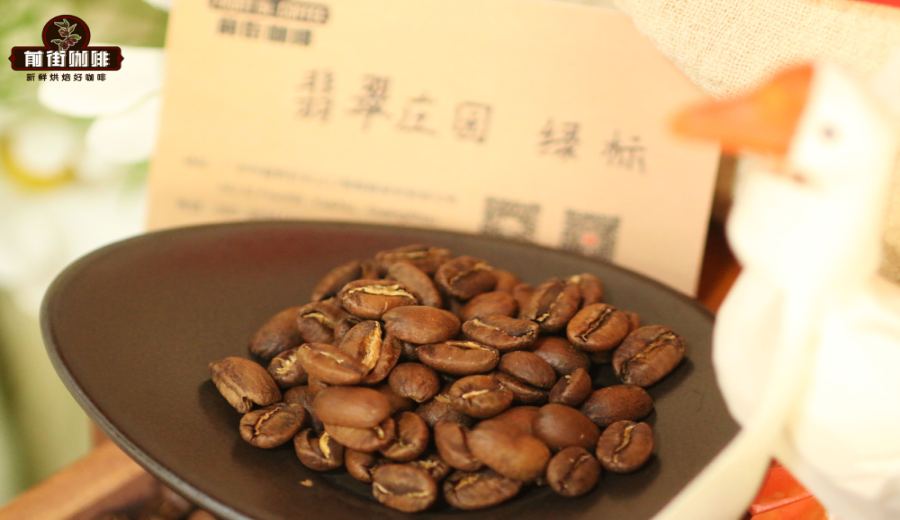
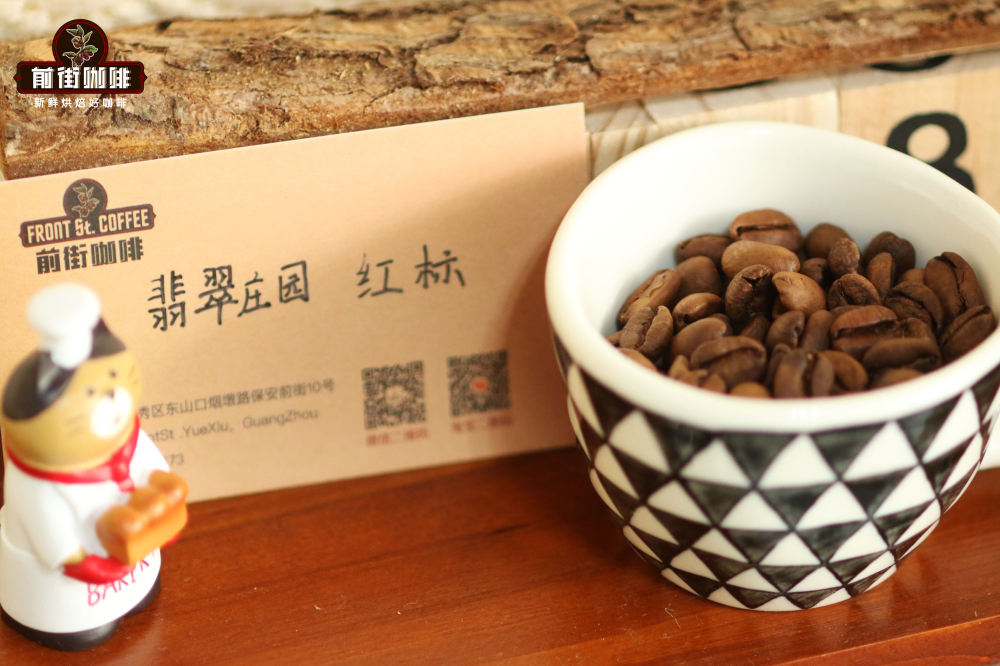
The current Geisha series from Hacienda La Esmeralda is mainly divided into two categories: Red Label and Green Label (note: the original Blue Label series is now managed under the 'Los Rocas' brand). The Red Label Geisha uses top-quality coffee cherries from high-altitude farms above 1600 meters, carefully handpicked to ensure each bean exhibits exceptional cleanliness and complexity. In comparison, the Green Label, while also of the Geisha variety, is a blend of different micro-lots, offering a fresher and more vibrant flavor profile with great value, making it suitable for everyday drinking.
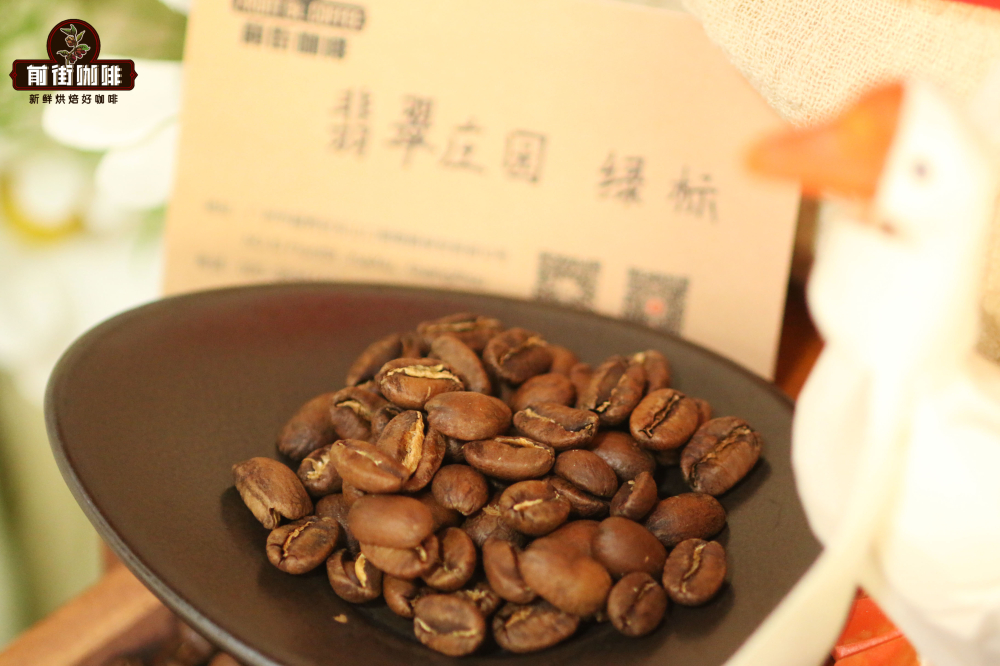
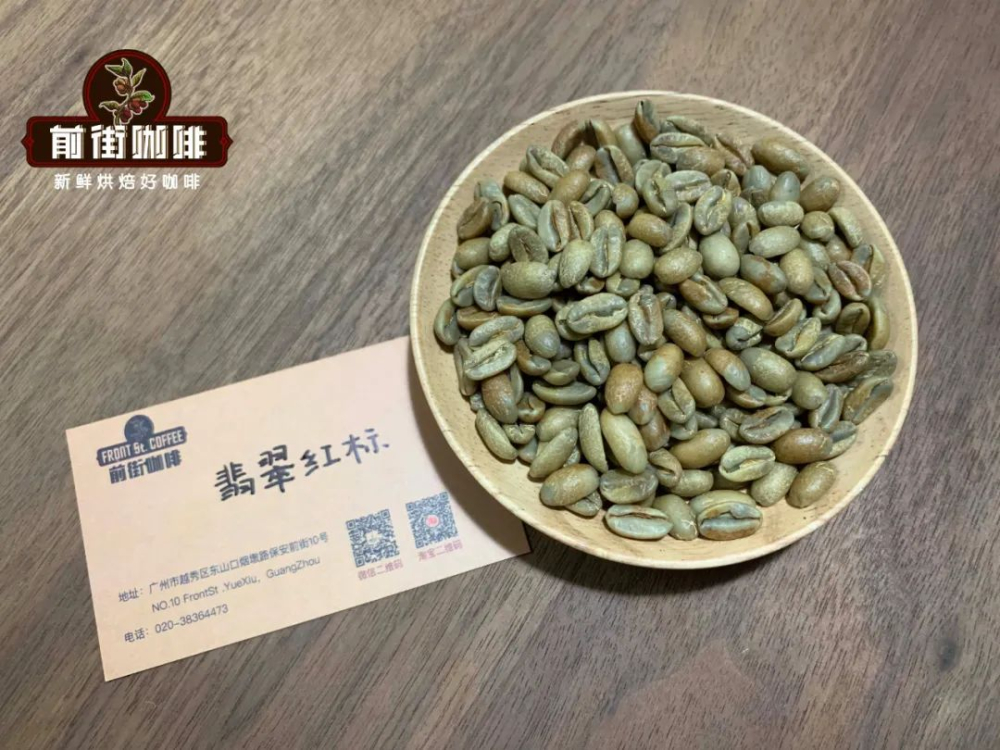
To fully experience the refined layers of Geisha coffee, freshness is a key factor. It is recommended to choose green beans roasted within 5 days and allow the coffee to rest for 4 to 7 days. This resting period allows the carbon dioxide inside the beans to gradually release while helping the flavor compounds reach their optimal balance. Many beginners overlook the importance of resting and often brew the coffee immediately after roasting, resulting in muted herbal notes instead of the bright fruity acidity and floral aromas that Geisha is known for.
For hands-on brewing, it is recommended to use a medium-fine grind (slightly finer than table salt) with water temperature controlled between 90–92°C. The first pour should use the "center circle" method, pre-wetting the coffee grounds with twice the amount of water and steeping for about 30 seconds. This helps achieve even extraction and avoids excessive tannin release. Subsequently, pour in 3 to 4 increments to reach the total water volume, with a total brew time of around 2 minutes 30 seconds to 3 minutes, highlighting the lemony acidity and tea-like finish of the Geisha.
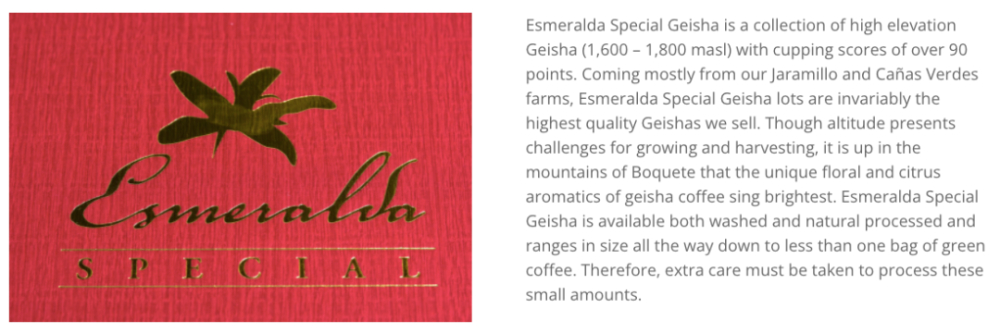
The flavor profile of the Red Label Geisha typically features pronounced white peach and citrus notes, with a honey-like sweetness in the mid-palate, and an elegant oolong tea aroma in the aftertaste. This layered expression stems from the high-altitude cultivation at Hacienda La Esmeralda, which brings richness and body, as well as a rigorous green bean selection process. The Green Label, while also embodying the fundamental characteristics of Geisha, presents a fresher profile, often showcasing blueberry and jasmine floral notes, making it suitable for those who prefer a cleaner taste.
The choice of brewing equipment also affects the final flavor presentation. It is recommended to use filter cones with good filtration properties, such as the V60 or Kalita Wave, which help reduce off-flavors caused by fine coffee sediment. If using a French press, be mindful not to exceed a brewing time of 4 minutes, as over-extraction can lead to bitter, cardboard-like notes. Additionally, water hardness significantly impacts extraction results; it is advisable to use filtered water or soft water with moderate mineral content.
Many coffee enthusiasts, upon first trying Geisha, are often amazed by its extreme acidity and aromatic intensity. However, it’s important to note that the delicate characteristics of Geisha require appropriate brewing control—excessively high water temperature or too coarse a grind may transform its subtle floral notes into sharp acidic stings. Beginners are advised to start with standard parameters and then make gradual adjustments based on actual flavor feedback. For instance, if the acidity feels too prominent, slightly lowering the water temperature to 90°C or increasing the total brew water volume can help.
The reason why Hacienda La Esmeralda's Geisha consistently achieves high prices at global auctions lies not only in its exceptional growing environment but also in its rigorous post-harvest processing. The estate employs both natural and honey processing methods, with the Red Label mostly undergoing premium washed processing to ensure flavor purity, while the Green Label may blend batches processed with different methods, resulting in greater flavor diversity. This commitment to quality ensures that each batch of Geisha showcases a unique sense of origin.
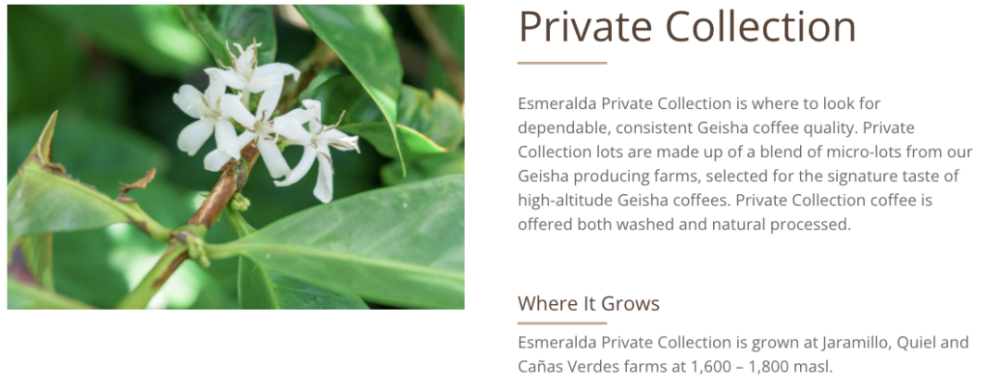
In summary, the charm of Panama's Hacienda La Esmeralda Geisha lies not only in its distinct varietal characteristics but also in how the estate transforms these potentials into layered flavors through meticulous cultivation and processing techniques. Whether you choose the refined complexity of the Red Label or the fresh accessibility of the Green Label, mastering the correct brewing essentials will allow you to enjoy the unique character of this top-tier coffee bean at home. Remember, freshness, grind size, and water temperature control are the three key elements to unlocking the potential of Geisha.
The above content is compiled by CoffeeHunters, a coffee news website.


