







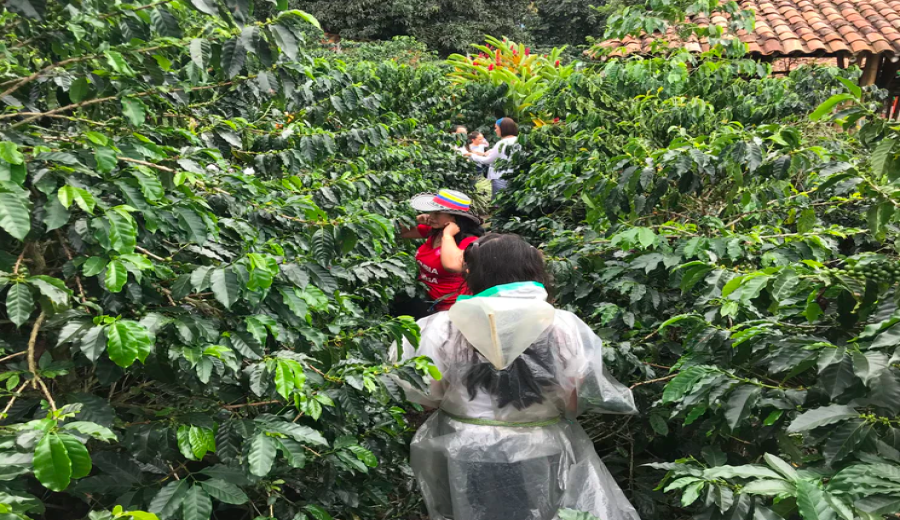
Introduction:Colombia is a globally renowned specialty coffee origin, where its exceptional geographical environment and diverse growing regions have given rise to uniquely distinctive coffee flavors. This article delves into the distribution, altitude, and soil characteristics of Colombia’s major coffee-growing regions, introduces grading systems such as Supremo and Excelso, and highlights the berry and caramel flavor profiles of high-altitude southern regions like Huila and Cauca. Additionally, it provides practical pour-over parameters and three-stage brewing techniques to help coffee enthusiasts gain a deeper appreciation of the charm of Colombian coffee.
Thanks to the stable climate of the Andes Mountains, abundant rainfall, and fertile volcanic soil, Colombia has become one of the world’s important specialty coffee producers. Although only Arabica varieties are grown here, differences among regions result in variations in bean size and flavor profiles, leading to grading systems such as Supremo, Excelso, and Extrac.
Located in the central and northern regions, the MAM producing area includes Medellín, América, and Manizales. The coffee beans from these three areas are typically smaller in size, often used for commercial blends. They exhibit bright acidity but generally lack complexity and body, making them more beginner-friendly. However, they still hold appeal for those who prefer a refreshing taste.
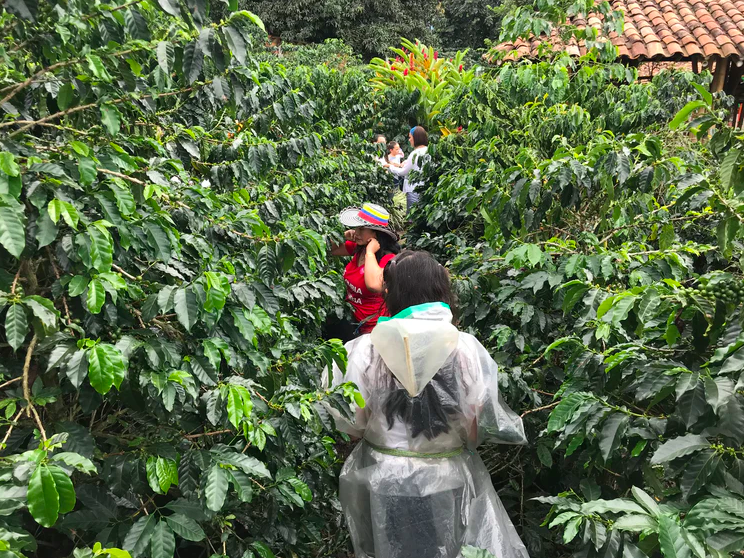
In contrast, southern regions of Colombia—such as Huila, Cauca, Nariño, and Tolima—boast elevations generally exceeding 1,500 meters. With cool climates, significant day-night temperature variations, and rich volcanic ash soils, these areas produce coffee beans that are not only plump but also showcase refined berry acidity, bright citrus notes, and captivating caramel and nutty aftertastes. These regions are core sources of specialty coffee.
Among them, the Huila region is particularly well-known. Situated in the mountainous southwest of Colombia, its altitude ranges between 1,200 and 2,020 meters. In addition to the abundant minerals brought by active volcanoes, the 2008 volcanic eruption blanketed the surrounding soil with nutrient-rich volcanic ash, providing ideal conditions for coffee tree growth. Coffee from Huila generally features delicate fruit acidity, rich nutty aromas, and long-lasting caramel sweetness, making it a classic representative of the southern Colombian flavor profile.
In terms of quality assessment, the ability to clearly discern unique regional flavors is one of the key indicators of whether a coffee bean meets specialty-grade standards. Many coffee enthusiasts, upon first trying Colombian coffee, are often drawn to its bright and clear acidity and layered sweetness.
Colombia’s grading system primarily uses coffee bean size (i.e., “screen size”) as the criterion. Beans sized 17 or above are classified as Supremo—the highest-grade specialty coffee beans—typically featuring intact bean appearance and consistent flavor potential. Beans sized between 14 and 16.5 are categorized as Excelso. Though often used in commercial blends, these beans tend to exhibit more diverse and nuanced flavors. Beans sized between 14 and 16 fall under the Extrac grade, usually sourced from low-altitude commercial farms and suited for mass-market consumption.
For enthusiasts eager to deeply explore Colombian coffee flavors, it is recommended to prioritize washed-processed beans from high-altitude southern regions, especially those of the Caturra variety. With appropriate roasting, their delicate berry and caramel layers can be better highlighted. In terms of roast level, medium-dark roasts can enhance the coffee’s body and sweetness, making them ideal for showcasing the nutty and caramel finishing notes of regions like Huila.
If you wish to brew Huila-region coffee beans at home using the pour-over method, here are practical parameters and operational suggestions: It is recommended to use a Hario V60 dripper, with water temperature controlled at 88°C, a coffee dosage of about 15 grams, a coffee-to-water ratio set at 1:15, and a medium-coarse grind size (approximately 70% passing through a #20 sieve). This grind size balances extraction efficiency and flow rate, helping to avoid over-extraction or excessive acidity.
The specific operation can follow a three-stage pour-over technique: First, pour 30 grams of hot water for a 30-second bloom to initiate the release of coffee aroma; then, pour water in small circular motions until the total reaches 130 grams for the first pour, ensuring even extraction of the coffee liquid; after the water level drops slightly, continue pouring to 240 grams to complete the extraction, then let the dripper finish dripping. The overall extraction time is advised to be around 2 minutes and 10 seconds. These parameters can fully showcase the clean mouthfeel and layered flavor structure of Huila coffee.
The above content is compiled by CoffeeHunters, a coffee news website.


