







Introduction:Sumatra Mandheling is one of Indonesia’s most iconic specialty coffees, and among them, Golden Mandheling is often the first choice for many coffee enthusiasts. This article delves into Sumatra’s geography and growing background, the characteristics of the Lintong and Gayo regions, the evolution of the Mandheling variety, the wet-hulled processing method, and provides expert pour-over recommendations and flavor profiles to help readers fully appreciate the charm of this classic coffee.
When it comes to Indonesian coffee, "Mandheling" is almost the first impression for most people. However, this name does not originate from the place of origin or refer to a coffee variety, but rather stems from a misunderstanding during World War II. It is said that a Japanese soldier drank an unforgettable cup of coffee and, upon asking, mistakenly thought the shop owner was referring to the place name, when in fact it was the name of the local ethnic group, the "Mandailing." This misunderstanding has carried the term "Mandheling" into the present day and made it a symbol of Sumatran coffee.
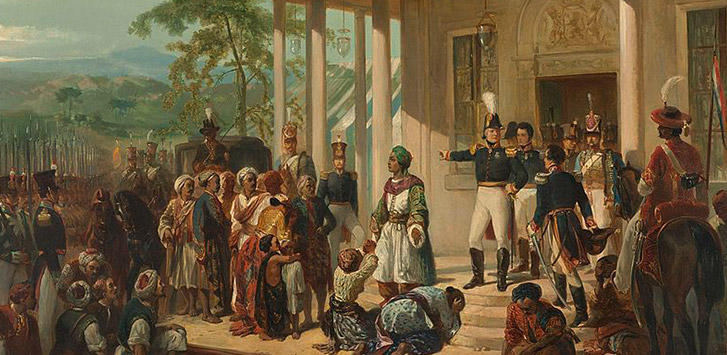
As Indonesia’s second-largest island, Sumatra is not only densely populated but also the country’s primary coffee-growing region. The island accounts for 74.2% of Indonesia’s total coffee production, far exceeding other areas. Although coffee is not native to Indonesia but was introduced by Dutch colonists after defeating the Portuguese, it has developed over centuries into an important economic resource, especially with the post-war revival of the coffee industry laying the foundation for its current status.
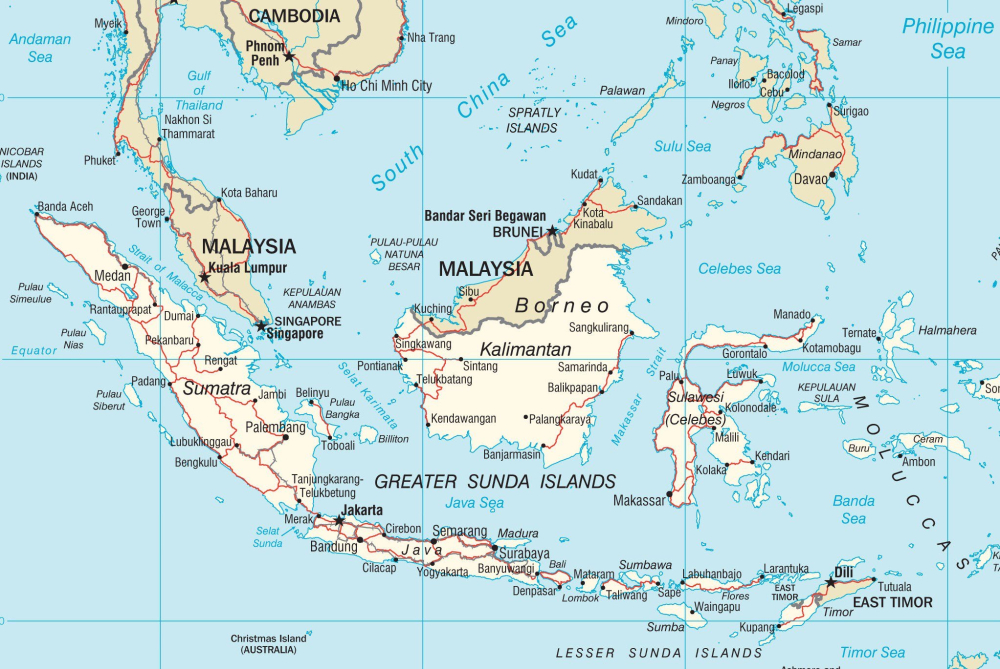
Sumatra is not only Indonesia’s largest island but also the world’s sixth-largest. Located near the equator, it features diverse terrain, higher in the northwest and lower in the southeast. The island is home to over 90 volcanoes, which contribute fertile volcanic soil ideal for coffee cultivation. Coffee farming in Sumatra is mainly concentrated in two regions with distinct climates and altitudes: the highlands in the northwest, where Arabica dominates, especially in the Lintong and Gayo regions—renowned sources of Mandheling; and the southeast, where Robusta is more common, typically grown in lowland or swampy areas. The coffee harvest season in Sumatra runs from November to March each year, making it one of the earliest regions globally to begin harvesting.
When discussing Sumatra Mandheling, it’s essential to talk about the two core regions: Lintong and Gayo. Lintong is located in north-central Sumatra, near the famous Lake Toba, and is a traditional producer of premium Arabica coffee. Lintong coffee is typically grown on high-altitude clay plateaus, with small-scale private farms dominating the area. Shade-grown cultivation and chemical inputs are not used, presenting a very pure agricultural landscape. In contrast, Mandheling is a broader term that includes Lintong as well as similar-flavored coffees from surrounding areas such as Diari and the northern part of Lake Toba.
Notably, Lake Toba was chosen by Dutch colonists in 1888 as the relocation site for "Java Mandheling," establishing the region’s pivotal role in the history of Mandheling coffee development. Meanwhile, Lake Tawar in the far north of Sumatra, though much smaller, is also an important water source and microclimate regulator.
The Gayo highlands are currently one of Sumatra’s most notable specialty coffee regions, located in the Aceh Special Region, at elevations between 1,500 and 2,500 meters. With a cool climate, ample rainfall, and the Gayo people’s reputation for organic farming—widely adopting sustainable practices without chemical fertilizers or pesticides—the coffee produced here is often referred to as "green coffee" or "Gayo organic coffee." It not only boasts unique flavors but also appeals to environmentally and sustainability-conscious consumers.
Among the many Sumatran coffees, Golden Mandheling is regarded as the most stable in quality and outstanding in flavor expression. These coffee beans come from the Gayo highlands of Aceh, North Sumatra, and are meticulously selected by PWN. The selection criteria for Golden Mandheling are extremely strict, using only G1 grade beans sized 19 mesh or larger, with plump, uniform particles and flat beans of deep green color and regular shape. Each batch of green beans undergoes mechanical sorting and three rounds of manual screening to ensure an extremely low defect rate (fewer than 3 defects in a 300g sample), ensuring pure flavor from the source.
Many coffee beginners often wonder, what exactly is the Mandheling variety? In fact, the primary variety planted in Sumatran Mandheling is Typica, one of the earliest Arabica varieties introduced to Indonesia by the Dutch. However, due to the outbreak of leaf rust disease, some regions later switched to more disease-resistant varieties. Today, Lintong Mandheling is often labeled as "Tim Tim Ateng," while Golden Mandheling is labeled as "Ateng." These are actually Indonesia’s terms for Catimor hybrid varieties—a cross between Arabica and Robusta, commonly known as Ateng and one of the most widely cultivated varieties locally.
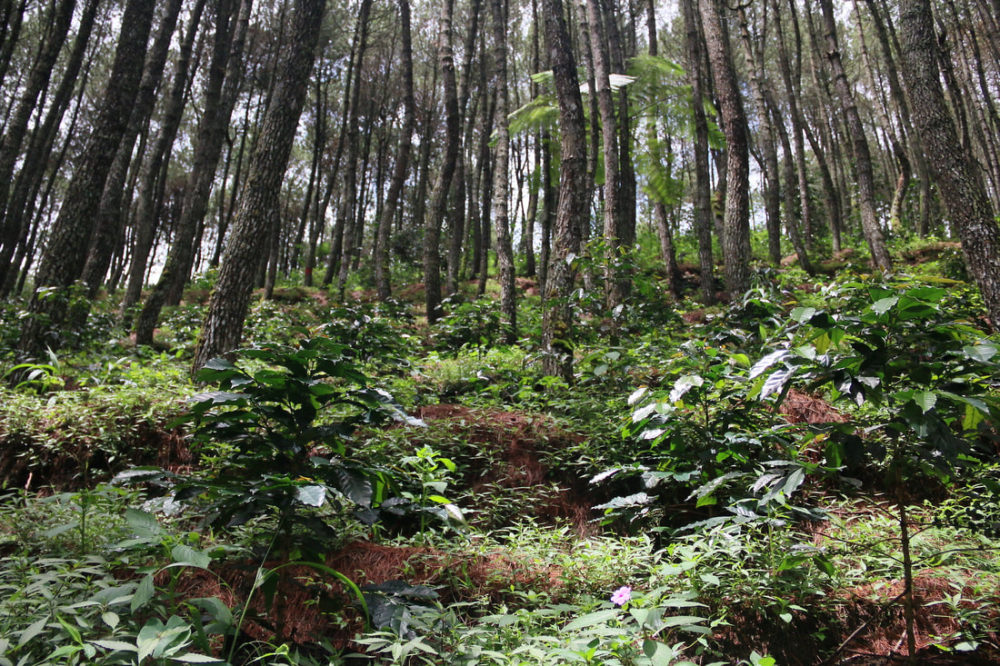
Speaking of the unique flavors of Mandheling, its distinctive "wet-hulled" processing method must be mentioned. Indonesia’s rainy climate, short sunlight hours, and lack of sufficient equipment for traditional washed processing have led farmers to develop a so-called semi-washed or "wet-hulled" method. This process involves removing the coffee cherry’s pulp while retaining the mucilage, then soaking the mucilage-covered beans in water to ferment, followed by thorough washing with large amounts of clean water, and finally drying them on patios. This special technique gives Mandheling its low acidity, full body, and intense earthy and spicy notes, becoming its most defining flavor characteristics.
So, how can you brew a cup of Sumatran Golden Mandheling with standout flavors? As it’s a dark roast, it’s recommended to use a slightly lower brewing temperature, ideally 88°C, and pair it with a filter like the Kono dripper, which extends the contact time between water and coffee grounds to avoid over-extraction and unwanted astringency. Below are the recommended parameters and steps:
Brewing Temperature:88°C
Coffee Dose:15 grams
Brew Ratio:1:15
Grind Size:Medium-fine, approximately 75% through a #20 sieve
For pour-over, it’s recommended to use a staged extraction method: start with a 30-second bloom using hot water twice the dose of coffee (about 30g) to help release CO₂ from the grounds; then pour in a slow circular motion until reaching 125g for the first pour, followed by a second pour to 225g before stopping. Allow the dripper to finish dripping, with the total extraction time controlled around 2 minutes. Finally, gently swirl the coffee to mix evenly before pouring into your cup.
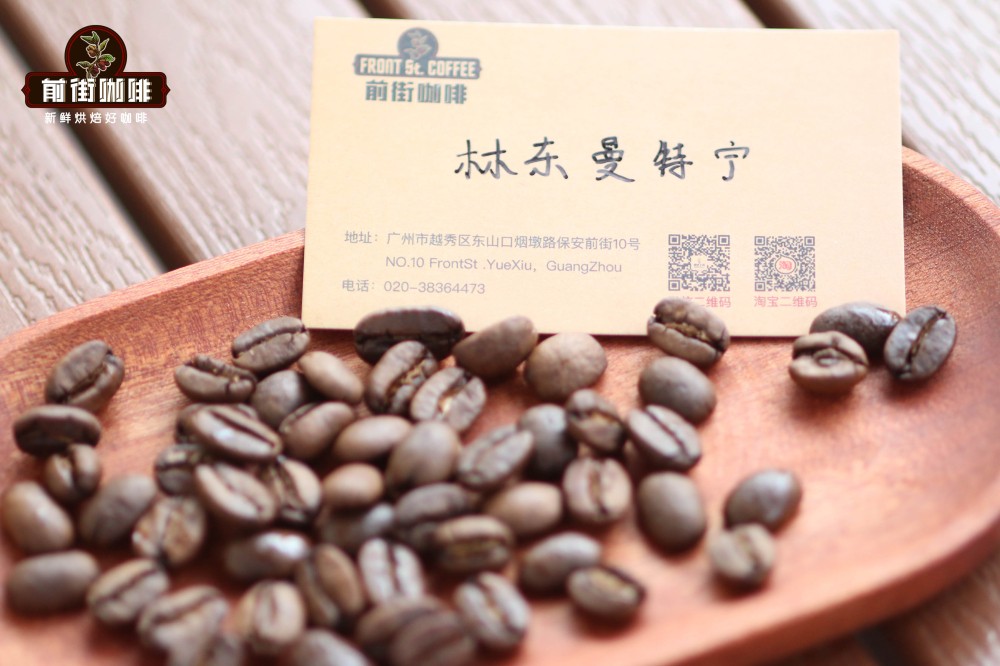
[Flavor Profile]
Golden Mandheling:Overall full-bodied with distinct layers; the cup opens with rich notes of nuts, caramel, and chocolate, and finishes with a long, well-balanced aftertaste.
Lintong Mandheling:The flavor is fresher, with pronounced herbal, dark chocolate, and caramel tones, and a sweet, smooth finish.
For coffee newcomers, Sumatran Mandheling is an excellent entry point, especially the everyday-drinking Indonesian Mandheling series, which helps understand the basic flavor profile of Indonesian coffee. For seasoned drinkers seeking complexity and depth, Golden Mandheling is a classic representation of Sumatra’s terroir essence. Remember to choose freshly roasted beans and adjust your pour-over strategy based on roast level to fully experience the multifaceted charm of this classic coffee.
The above content is compiled by CoffeeHunters, a coffee news website.


