








Introduction:Have you ever hesitated when ordering at a coffee shop, unsure of the differences between an Americano, latte, cappuccino, and mocha? This article breaks down the characteristics, base composition, and flavor profiles of these four classic espresso-based coffees in simple terms to help you quickly find your ideal cup based on personal preference. It also includes professional extraction parameters and recipe ratios, giving you a deeper understanding of what makes a great coffee.
Walking into any café, you’ll often see several classic coffee options on the menu—Americano, latte, cappuccino, and mocha—almost all of which are made using espresso as their base. Though they may appear similar, they differ in proportions, texture, and preparation methods, making them suitable for various occasions and taste preferences.

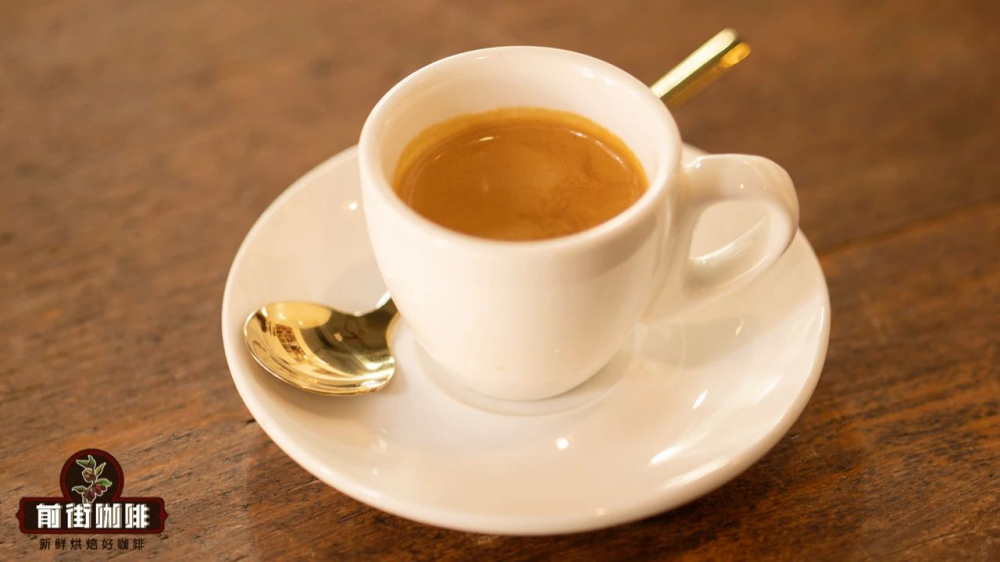
First, we need to understand that all of these coffees revolve around one core element: 'espresso.' This is a concentrated shot of coffee produced by forcing hot water through finely-ground coffee beans at around 9 bar of pressure for about 25–30 seconds, typically using around 20 grams of coffee grounds to yield 30–40 milliliters of liquid. Originally, this coffee was designed to provide Italians with a quick, high-caffeine boost, resulting in a strong, bitter brew. At that time, dark roasted beans were commonly used to mask the coffee’s inherent flavor shortcomings.

Later on, when American soldiers first tried this intense coffee, they found it hard to enjoy. So, they had the idea to dilute it with hot water, unintentionally creating a drink that retained the rich aroma of coffee while being more palatable. This diluted espresso returned to the United States and became hugely popular, eventually evolving into what we now know as the 'Americano.' Americanos can be served hot or cold, making them a top choice for busy professionals or anyone who prefers a pure coffee flavor.
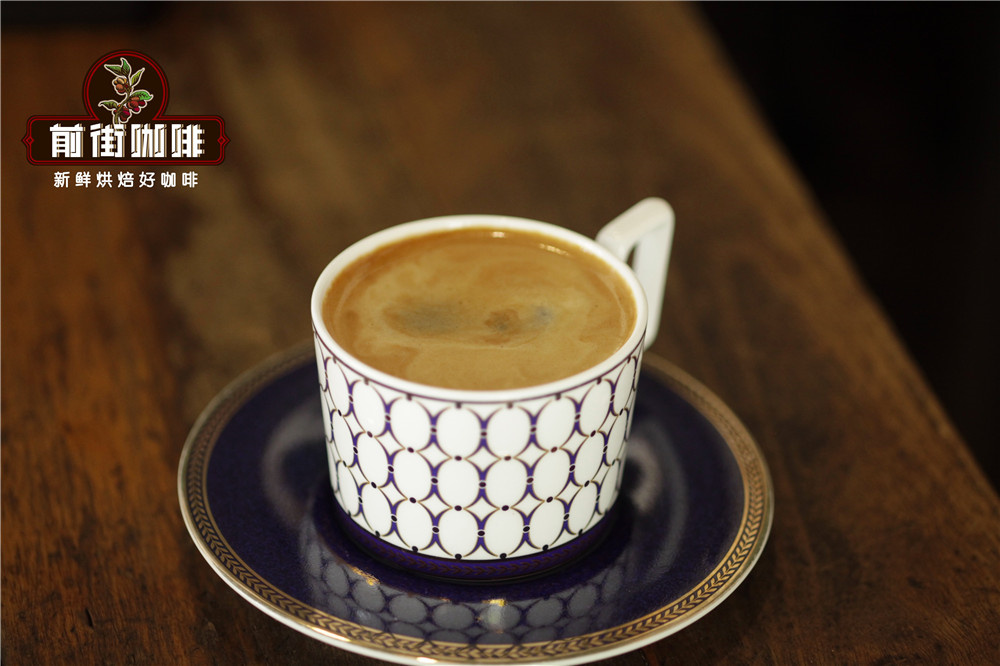
Modern Americanos have long since moved past their early reputation for being bitter and burnt-tasting. With the rise of specialty coffee, the beans used are more diverse in roast levels, and extraction techniques have also improved significantly. For instance, some cafés might use a blend of sun-dried Yirgacheffe and Honduran sherry barrel-aged beans, extracting 40 grams of espresso from 20 grams of coffee grounds within 25 to 30 seconds, then adding hot or iced water at a 1:6 ratio. The result is a complex flavor profile featuring hints of whiskey, vanilla sweetness, and hazelnut aftertaste—completely redefining the traditional perception of the Americano.
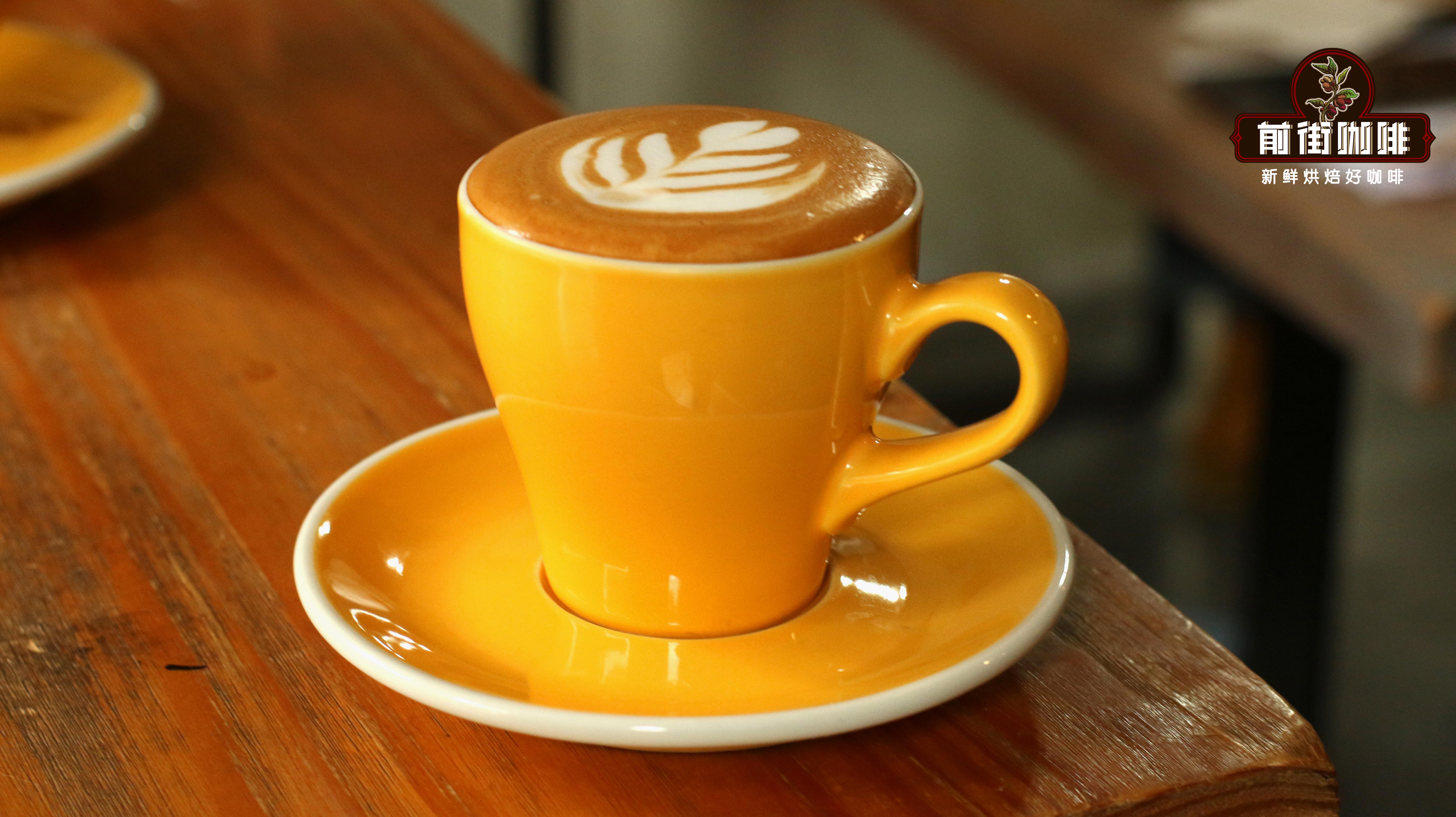
If you enjoy coffee but prefer a smoother texture and more pronounced milk flavor, then the 'latte (Caffè Latte)' is a great option. A latte consists of a single shot of espresso mixed with a generous amount of steamed milk. The naturally sweetened milk enhances the overall flavor, effectively softening the bitterness of the coffee and creating a velvety mouthfeel. A well-made latte features a uniform blend of milk foam and espresso, usually without obvious layering, and can be paired with a simple latte art. It has a smooth texture with balanced sweetness and bitterness, making it ideal for coffee beginners or anyone who enjoys a mellow cup.
Another variation, similar to the latte but with even more foam, is the 'cappuccino.' Its defining feature is a thicker layer of milk foam, with the overall structure composed of one-third espresso, one-third steamed milk, and one-third foam. Cappuccinos are also affectionately known as 'liquid marshmallows.' The first sip brings together the crema of the espresso with the light, fluffy foam, followed by the fusion of milk and coffee, and finally the delicate, smooth foam—offering a three-tiered textural experience. A standard cappuccino will have the foam slightly raised about 0.3 centimeters above the rim of the cup, surrounded by a golden ring of coffee crema, making it as visually appealing as it is delicious.
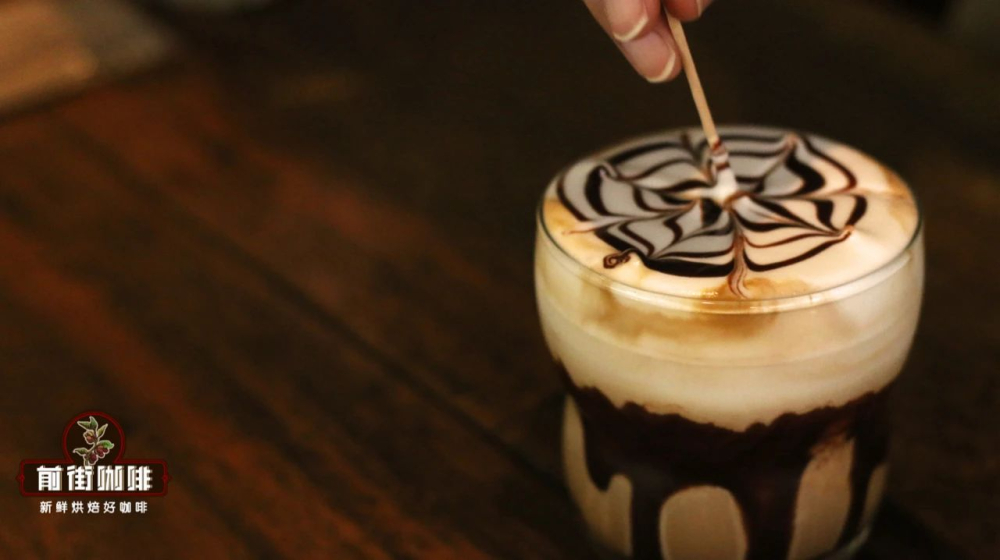
Finally, for those who love sweetness and chocolate flavors, you might want to try the 'mocha (Mocha or Caffè Mocha).' This coffee traces its origins to the port of Mocha in Yemen, where the local beans were once renowned for their rich cocoa and nutty aromas. Later, to recreate that distinctive chocolate flavor, people began adding dark chocolate or chocolate syrup to espresso, then mixing it with milk—resulting in the modern mocha. Today, mochas tend to be quite sweet and offer an excellent combination of chocolate, coffee, and milk, especially suitable for those who don’t enjoy bitterness or simply want to indulge in a sweet coffee moment.
In summary, if you’re looking for a quick, energizing pure coffee, espresso is your best bet; if you prefer no milk but still want coffee flavor, go for the Americano; for a creamy, smooth cup, the latte is ideal; if you’re after a richly layered foam, the cappuccino delivers; and if you crave sweetness and chocolate notes, the mocha is your perfect match. By understanding the differences between these classic coffees, you’ll be able to confidently choose the one that suits you best next time you place an order.
The above content is compiled by CoffeeHunters, a coffee news website.


