







Introduction:Want to understand the origins and traditional methods of making Americano? This article delves into the historical background of Americano coffee, the two main preparation methods (Americano vs Long Black), the golden ratio between espresso and water, and explores how coffee crema affects flavor. Whether you're a coffee beginner or an apprentice behind the bar, you’ll gain key techniques and scientific insights.
What is Americano coffee?
The so-called "Americano" (English: Americano, Italian: Caffè Americano) originally referred to black coffee slowly extracted using a drip coffee machine, with the entire extraction process taking about four to five minutes, resulting in a relatively mild and balanced flavor. However, in most coffee shops today, what is commonly called an Americano typically consists of one or more shots of espresso (espresso) mixed with a large amount of hot water, becoming a staple on almost every café menu.
Two common methods: The difference between Americano and Long Black
The composition of Americano coffee is extremely simple, consisting only of espresso and water. However, depending on the order in which they are poured, it is mainly divided into two forms: one where espresso is extracted first and then hot water is added—this method is usually called an Americano; the other involves pouring hot water first and then placing the espresso on top, which is more commonly referred to as a Long Black. The two differ slightly in flavor expression and layering, but the core remains the combination of espresso and water.
The history of Americano coffee
The birth of Americano coffee is closely tied to World War II. At that time, U.S. soldiers stationed in Southern Europe couldn't adapt to the strong flavor of espresso, so they began diluting it with warm water to adjust it to a more palatable taste. This drinking method gradually evolved into what is now known as "Americano." Initially, most American households were accustomed to brewing lighter-tasting coffee using drip coffee machines, and the drip pot was also widely referred to as an "Americano coffee pot" due to its versatility. Today, the global expansion of international chains like Starbucks has further popularized this style of Americano made by adding water to espresso.

Espresso + water vs long extraction: Which is the 'traditional' method?
There have always been two schools of thought on how to make a "milder" Americano. The traditionalists argue that coffee extracted for a long time using an espresso machine is prone to over-extraction, not only releasing excessive impurities and caffeine but also affecting the overall purity of the flavor. However, in cafés in places like Australia, this method is quite common, with supporters countering that if extraction time is the issue, methods like the French press and siphon, which involve even longer brewing times, aren’t considered non-traditional. Regardless of the method used, what’s important is understanding how different techniques affect caffeine content and the flavor profile.
How to make an Americano? The key lies in the espresso and the ratio
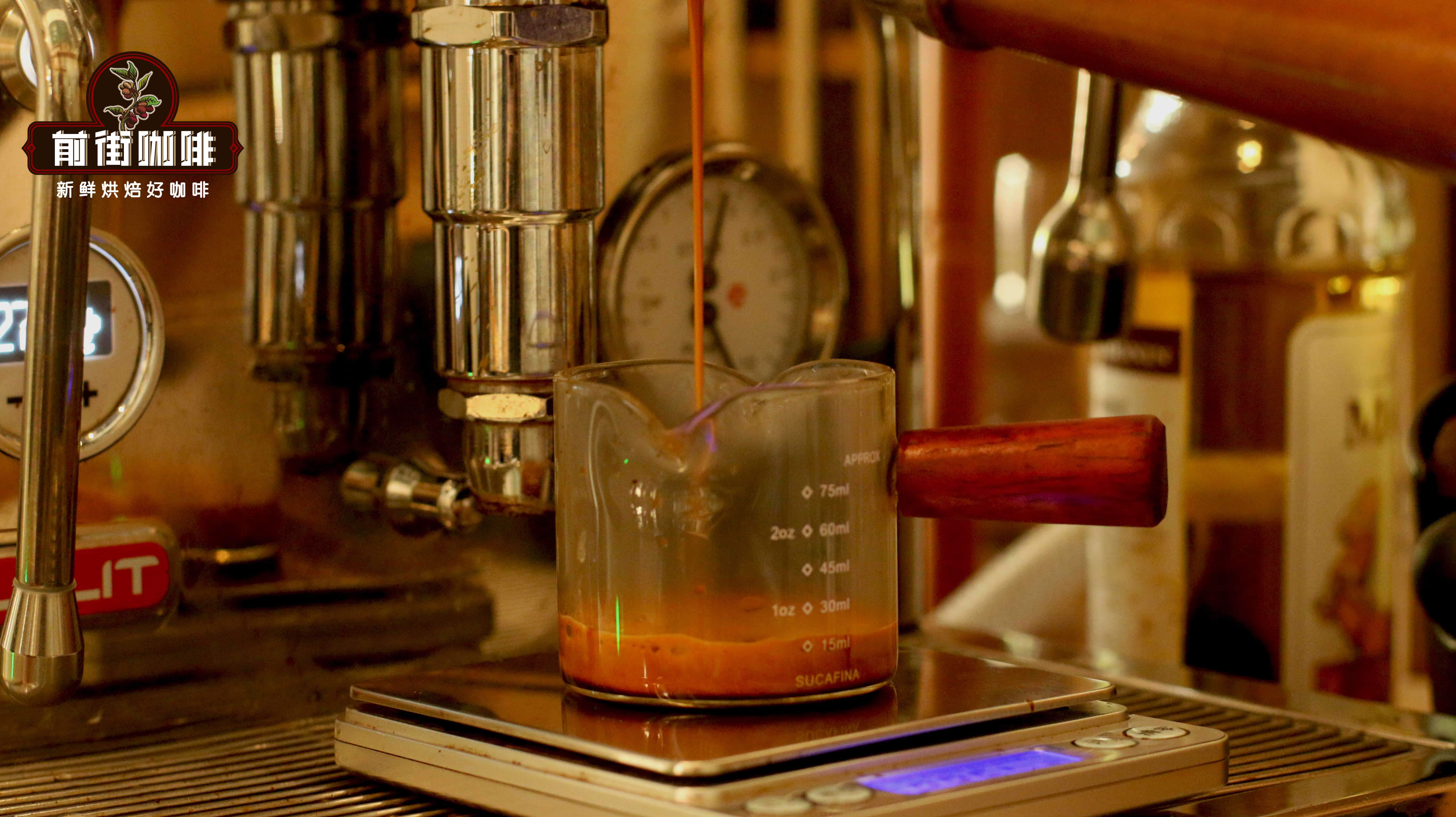
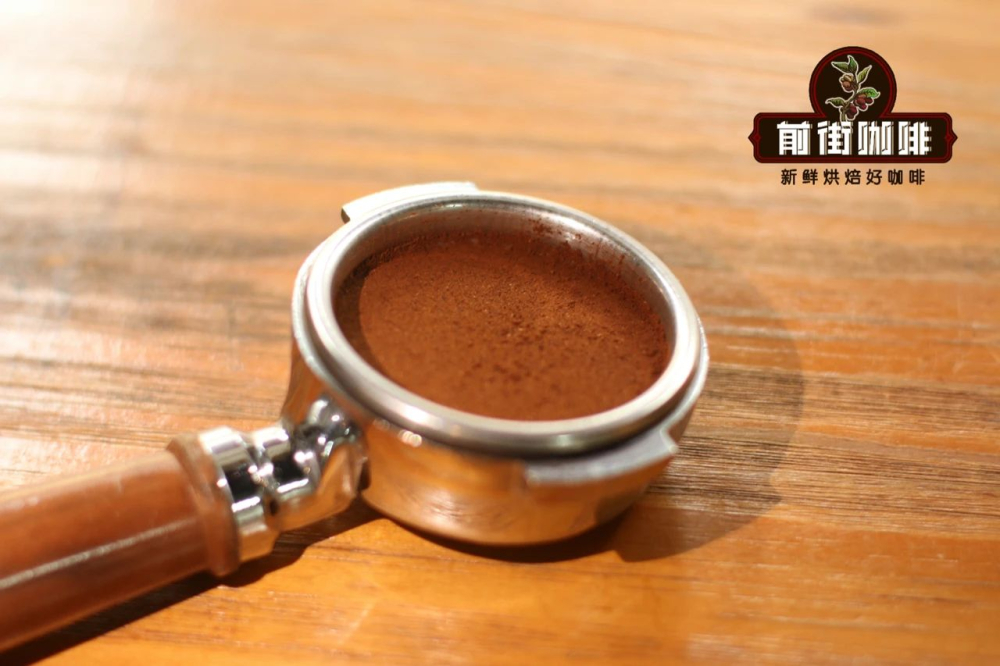
The technical core of making an Americano doesn’t lie in complicated steps, but in mastering the espresso. A standard Americano simply requires adding the right amount of hot water to extracted espresso. For an iced Americano, ice cubes and cold water are added. The extraction parameters of the espresso will vary depending on the type of coffee beans used, and this is also an important aspect in evaluating a barista’s fundamental skills.
The golden ratio for hot and iced Americano
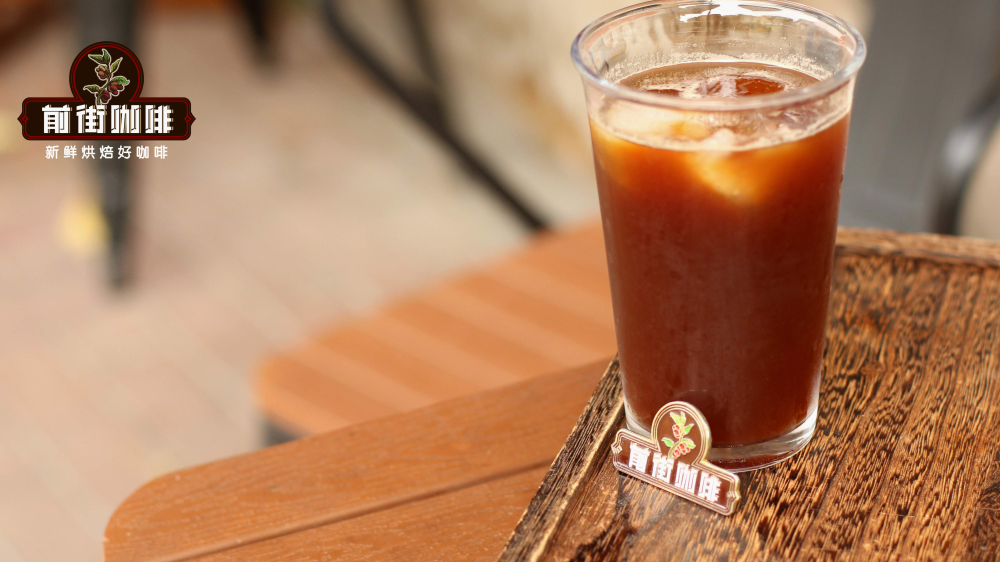
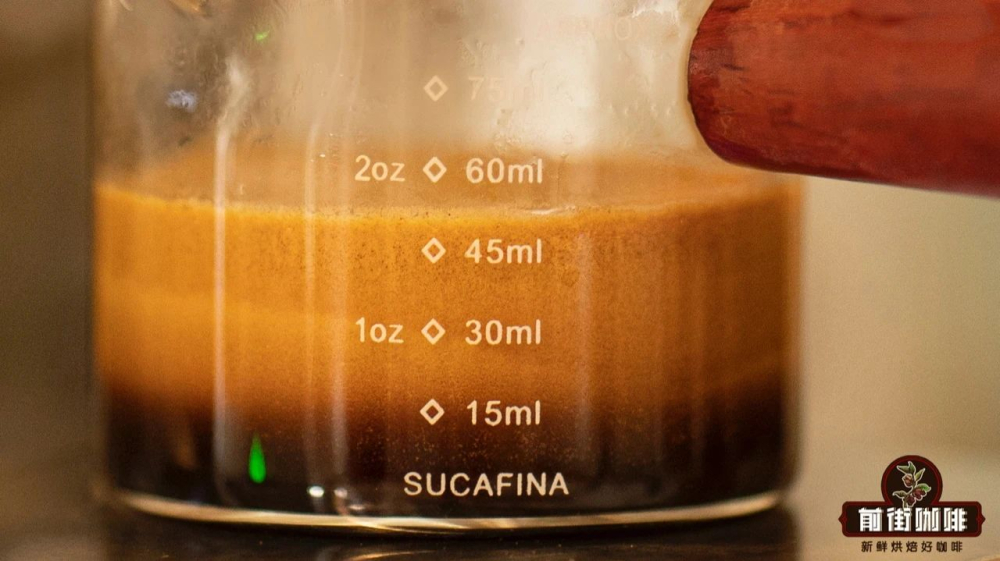
When making a hot Americano, it is recommended to preheat the cup first, then pour hot water according to personal taste, and finally add the espresso. Generally speaking, the recommended ratio of espresso to water falls between 1:6 and 1:8. As an example from practical experience, some shops opt for 40 grams of espresso liquid paired with 240 grams of hot water, forming a stable 1:6 ratio that balances flavor and smoothness. As for iced Americano, the impact of melting ice on the overall concentration must be considered, so a 1:7 ratio is recommended—for instance, 40 grams of espresso liquid with 280 grams of iced water mixture (about 180 grams of ice and 100 grams of cold water), to maintain the best taste.
 ,
 ,
Coffee crema: To keep or remove?
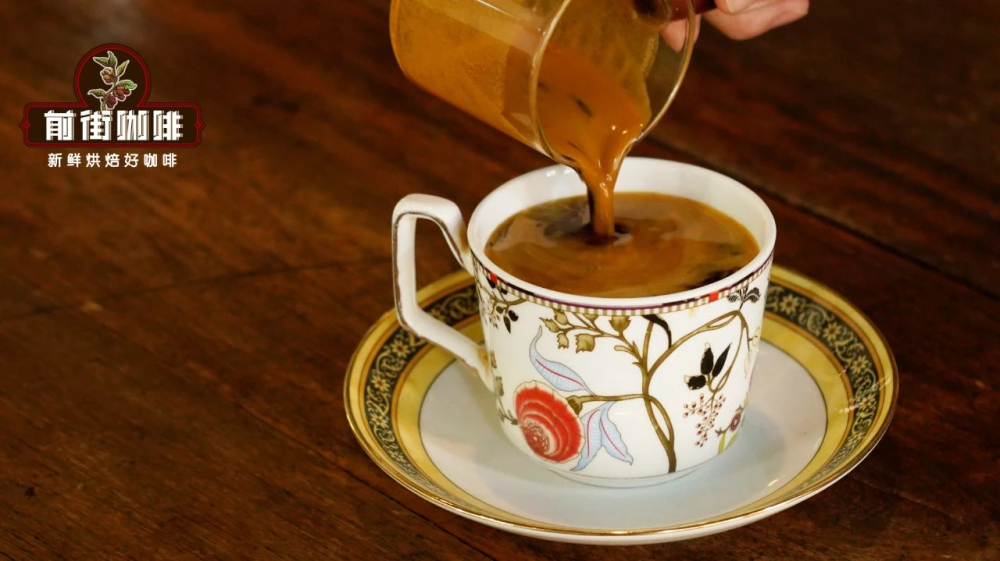
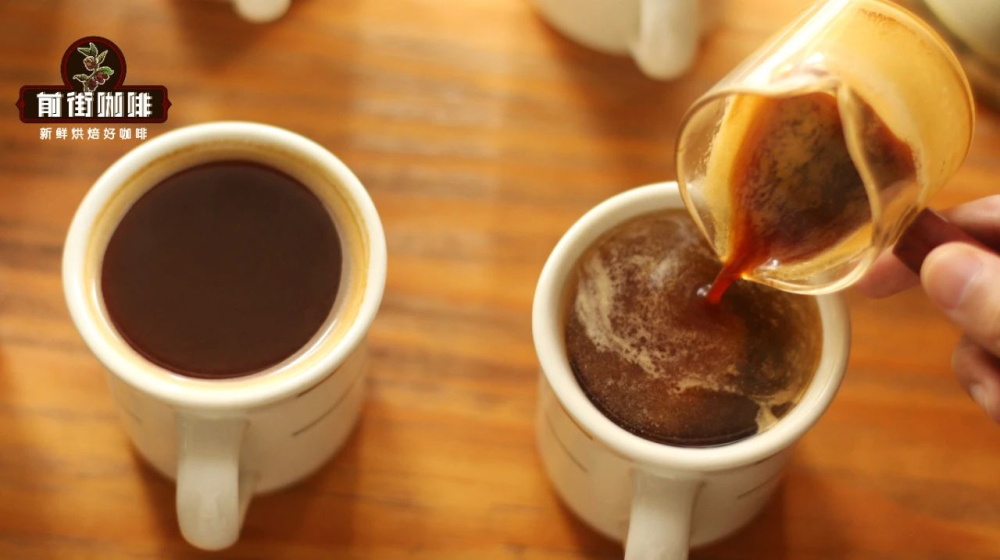
When pouring out a hot Americano, a delicate foam often appears on the surface—this is what’s known as coffee crema. Crema is a natural product formed under high-pressure extraction when carbon dioxide combines with oils in the espresso, adding layers of aroma and flavor. But does scraping off this layer of crema affect the overall taste? Practical tests show that an Americano without crema tastes cleaner and smoother, while retaining the crema results in a richer, fuller flavor. Both versions can showcase notes of dark chocolate and subtle whisky barrel aromas, with acidity being relatively mild. If you prefer a clean, crisp taste, you might choose to remove the crema; if you value a more complete flavor expression, keeping it is the better option.
The above content is compiled by CoffeeHunters, a coffee news website.


