







Introduction:Selecting coffee beans suitable for pour over and storing them properly are key to brewing high-quality coffee. This article delves into the characteristics and flavor profiles of common pour over coffee beans, offering clear guidance for choosing from everyday practice beans to distinct single-origin beans. It also details the essentials of storing both roasted and green beans—including container selection, environmental control, and shelf life differences—to help coffee enthusiasts consistently extract richly layered flavors at home.
For those just starting out with pour over coffee, choosing the right beans is the first step toward delicious results. Beginners are advised to start with practice beans designed for daily use and flavor exploration. These beans are not only ideal for honing pouring techniques every day but also serve as an entry point for understanding flavors from different regions.
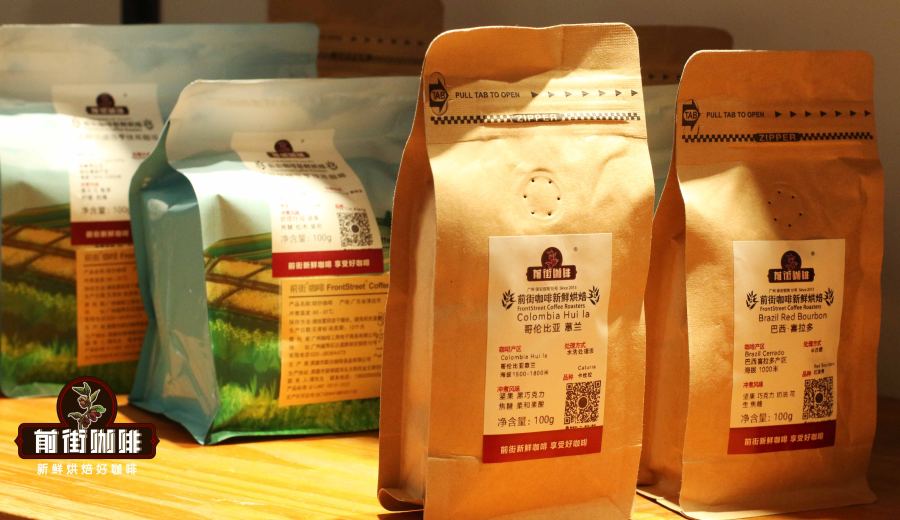
If you prefer a bold body with spicy notes, try Mandheling from Indonesia; for bright floral aromas and crisp acidity, Yirgacheffe is a great choice; Brazil Cerrado delivers creamy and nutty profiles to satisfy those seeking such qualities; Colombia Huila offers delightful dark chocolate notes worth savoring; additionally, Yunnan small beans and Costa Rica Tarrazú, with their gentle acidity and nutty tones, are also excellent entry-level options. For more advanced practitioners who have mastered basic pour over skills, challenging single-origin beans with more distinctive flavors await—such as Fruit Ding Ding with prominent floral notes, Hua Kui with creamy strawberry tones, Little Tomato bursting with juice-like vibrancy, Strawberry Candy offering a fruity gummy experience, Xi Zhua blending passion fruit and grape flavors, and Xiao Lan Shan Paradise Bird achieving a balanced sour-sweet-bitter profile.
How coffee beans are stored directly impacts their flavor, and improper storage is the main reason for flavor loss. It’s important to note that coffee bean storage differs between green beans and roasted beans: green beans must primarily be protected from moisture and high temperatures to avoid mold or pests; roasted beans, in addition to temperature and humidity, also face oxidation issues, as oxidation accelerates the dissipation of flavor compounds.
How can roasted coffee beans maintain optimal freshness? First, it’s essential to understand the three major factors that harm their freshness:Light,TemperatureandOxygen. All three accelerate the aging of coffee beans and affect flavor performance during extraction.
So, what’s the best container for storing roasted coffee beans? The most common choice is a sealed bag equipped with a one-way degassing valve. Freshly roasted coffee beans usually come packaged this way: as the beans continuously release carbon dioxide and internal pressure builds, the one-way valve automatically opens to release the gas, but external air and moisture cannot enter in reverse, effectively slowing down oxidation. If you don’t have a dedicated airtight container on hand, keeping the original packaging tightly sealed is a practical alternative.
Another recommended method is using a vacuum-sealed canister. These containers remove oxygen by pressing an exhaust button and then sealing; the carbon dioxide released by the coffee beans cannot escape in the vacuum environment and instead forms a protective layer inside, slowing the rate of flavor loss.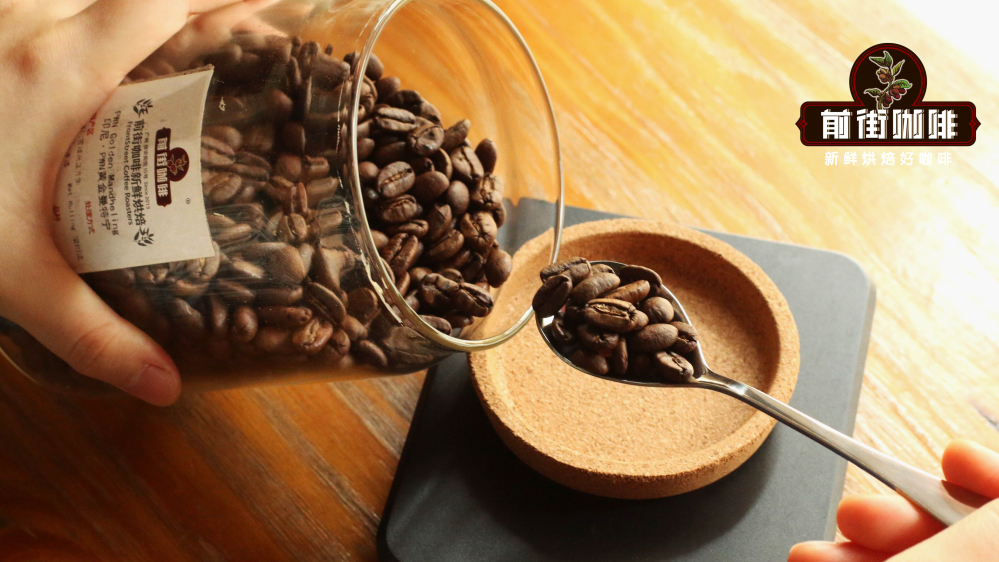
Regarding the storage period of coffee beans, it’s necessary to distinguish between “best-before period” and “shelf life.” The best-before period refers to the time when the coffee’s flavor profile is at its richest, typically spanning from the 4th to the 30th day after roasting. Going beyond 30 days doesn’t make the beans undrinkable, but even if stored well, aroma and complexity will gradually diminish, possibly becoming bland. If only food safety is considered, roasted coffee beans can last up to 365 days, but the flavor experience will inevitably be greatly compromised.
The above content is compiled by CoffeeHunters, a coffee news website.


