







Introduction:Jamaican Blue Mountain coffee is hailed as one of the most balanced coffees in the world, and its unique flavor profile is inseparable from its terroir. This article delves into the geographic and climatic conditions of Blue Mountain coffee, its varietal characteristics, grading system (No.1 to PB peaberry), differences between washed and natural processing methods, and introduces the certification background of the Clifton Estate. Additionally, we provide practical pour over parameters, including filter choice, water temperature control, and pouring techniques, allowing you to fully grasp the essence of this top-tier coffee from origin to cup.
In the world of specialty coffee, Jamaican Blue Mountain coffee has always held an irreplaceable position. It is not only one of the most expensive coffees globally but also renowned for its ultimate balance. Many coffee enthusiasts report that this coffee breaks the stereotype that “coffee must be either acidic or bitter,” showcasing a perfect harmony of acidity, sweetness, bitterness, body, and aroma, with a long-lasting aftertaste reminiscent of sipping aged fine wine.
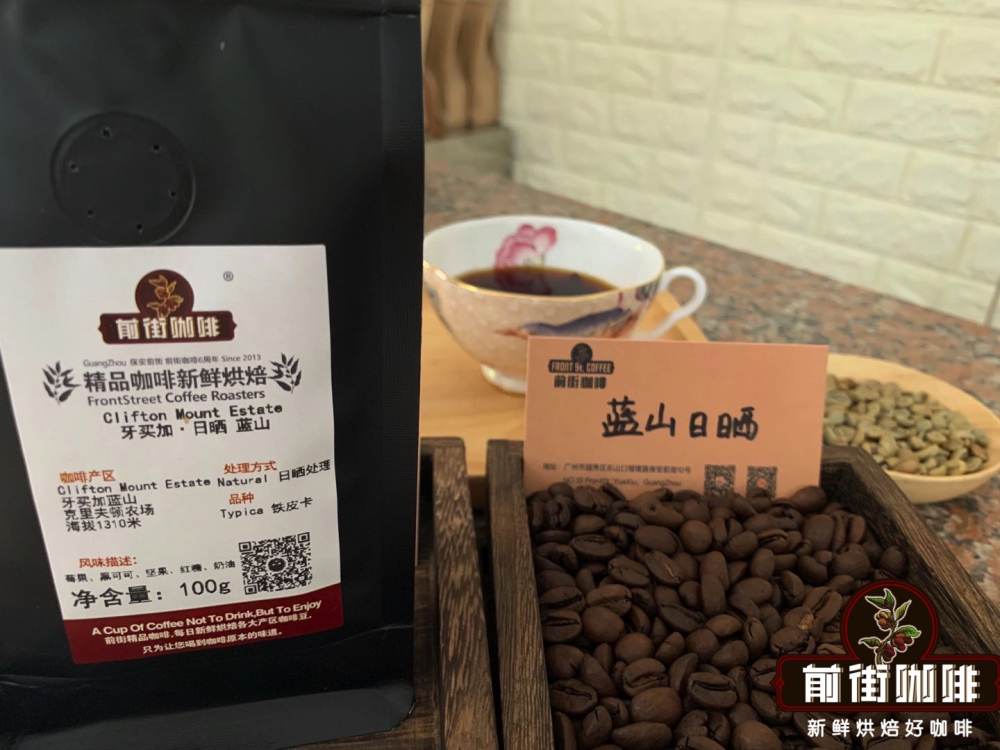
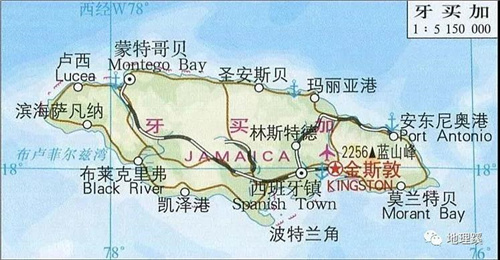
The exceptional quality of Blue Mountain coffee lies in its irreplicable growing environment. Located in eastern Jamaica, the Blue Mountains feature a tropical rainforest climate with annual rainfall reaching approximately 1,980 mm. Coupled with fertile volcanic soil and high-altitude terrain shrouded in mist, it provides ideal conditions for coffee trees. Notably, the area maintains a constant temperature of around 27°C year-round, with minimal day-night temperature variation. The high humidity and abundant sunlight allow coffee cherries to ripen slowly, accumulating rich and complex flavor compounds.
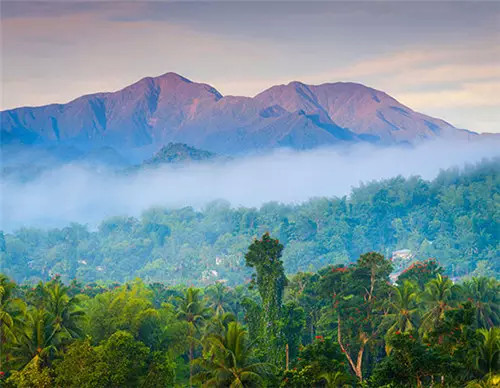
The Blue Mountains are named for the blue haze that surrounds them. When sunlight hits the blue Caribbean Sea and reflects onto the mountain peaks, the summits appear to be enveloped in a layer of blue light. The main peak reaches an elevation of 2,256 meters, the highest point in the Caribbean, and this uniquely blessed land gives rise to what is globally recognized as top-tier coffee.
The harvesting season for Blue Mountain coffee runs from June to November each year. Local female workers, familiar with the terrain, manually pick the coffee cherries on steep slopes. They must accurately judge the ripeness of the coffee cherries, selecting only the most suitable fruits to ensure the quality of the subsequent green beans. Notably, prior to 2009, Japan had the exclusive right to purchase Blue Mountain coffee beans, with buying proportions once exceeding 80%. However, starting in 2009, the Jamaican government abolished this policy, allowing more markets, including China, to legally import authentic Jamaican Blue Mountain coffee.
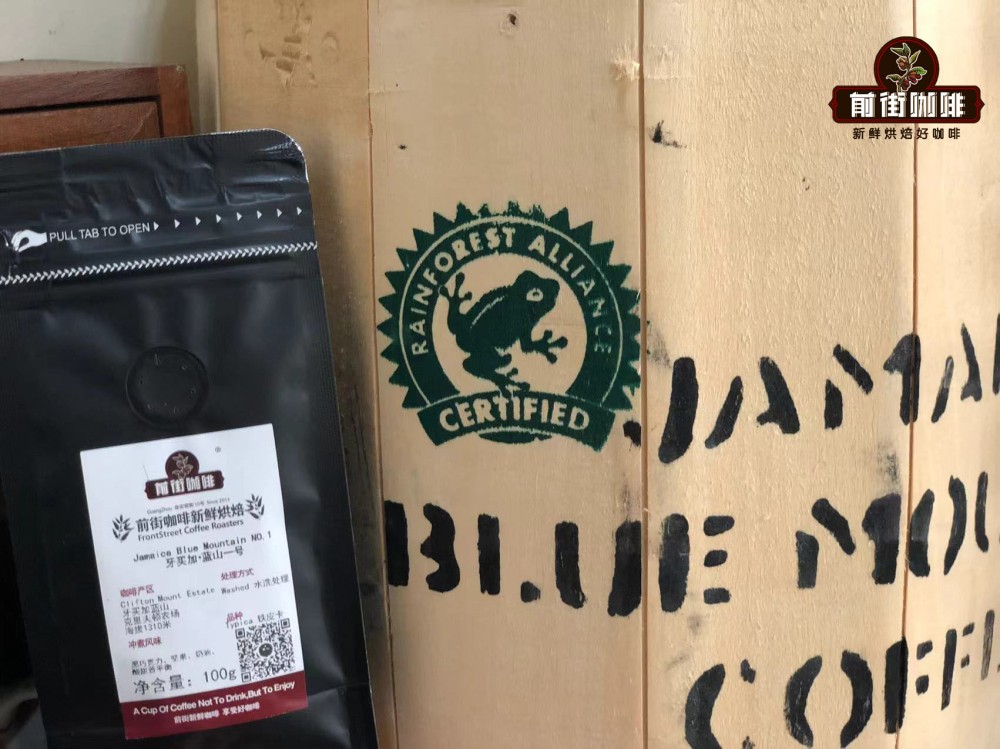
Jamaica is one of the few coffee-producing regions in the world that transports green beans in wooden barrels rather than sacks. These barrels bear the Rainforest Alliance-certified symbol of the rainforest tree frog, signifying compliance with sustainable agriculture standards. Notably, as a key producer of Blue Mountain coffee, the Clifton Estate’s barrels feature a green tree frog emblem, serving as a mark of quality assurance and ensuring consumers receive certified authentic Blue Mountain coffee.
The grading system for Jamaican coffee is primarily based on altitude and bean size. It is generally divided into three categories: Jamaican Blue Mountain coffee, Jamaican High Mountain coffee, and regular Jamaican coffee. Among them, Blue Mountain coffee is further subdivided into NO.1, NO.2, NO.3, and PB (peaberry), ranked from highest to lowest quality. Only coffee grown at elevations between 1,000 and 1,700 meters qualifies as “Jamaican Blue Mountain coffee.” These beans not only have a plump appearance but also offer a finely harmonized flavor with a perfect balance of acidity, sweetness, and bitterness, making them the most expensive.
Specifically, NO.1 grade Blue Mountain coffee requires a bean size of 17/18 mesh, with a defect rate not exceeding 2%; NO.2 is 16/17 mesh, and NO.3 is 15/16 mesh, both also limited to a 2% defect rate. As for peaberry (also known as 10MS), it also requires a defect rate below 2%. In contrast, Jamaican High Mountain coffee is grown at elevations between 500 and 1,000 meters. While its flavor is slightly inferior to Blue Mountain, it remains a high-quality coffee. Coffee grown at elevations below 500 meters is collectively referred to as regular Jamaican coffee.
Blue Mountain coffee mainly uses the Typica variety, an historic Arabica type known for its pure and elegant flavor. Typica Blue Mountain exhibits a strong dark chocolate note—this flavor does not come from milk chocolate but is akin to the pure expression of high-concentration dark chocolate (above 92%), a characteristic unique to the Typica variety. However, Typica is highly susceptible to coffee leaf rust and was largely replaced in Central and South America. Yet, thanks to Jamaica’s unique geography, Typica here has survived and evolved stronger disease resistance, particularly notable against coffee berry disease.
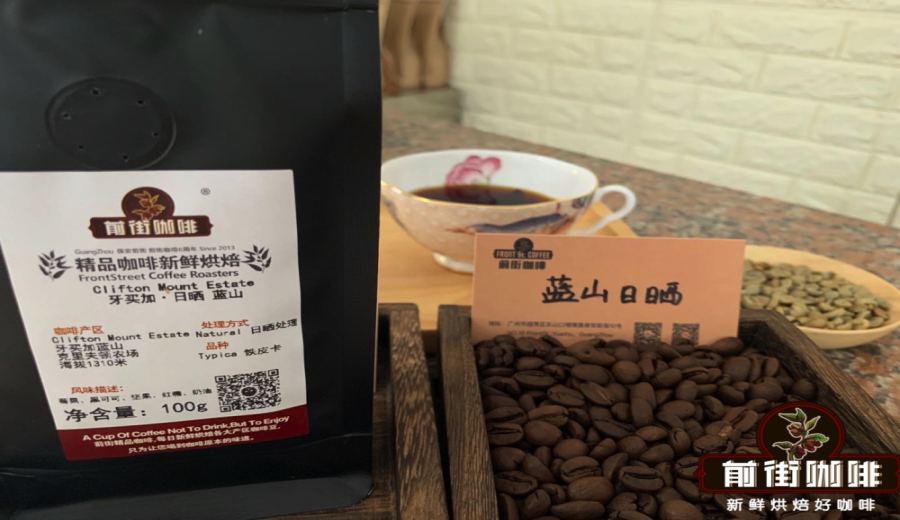
The processing method for Blue Mountain coffee was initially dominated by washing. However, with the trend toward specialty coffee, the Clifton Estate first introduced a natural (sun-dried) processed Blue Mountain batch in 2019. Although natural processing can bring richer fruity notes and fermentation characteristics, most experts still believe that washed processing better showcases the true essence of Blue Mountain coffee, highlighting its delicate, rich, and balanced profile. Therefore, many specialty coffee shops typically offer both washed and natural versions for consumers to choose from.
If you’d like to try pour over brewing Blue Mountain coffee at home, here are our recommended parameters. We suggest using a KONO filter, with a 1:15 coffee-to-water ratio, a grind size set to 75% passing through a standard 20-mesh sieve, and water temperature controlled at 88°C. This setup effectively avoids over-extraction while fully showcasing Blue Mountain coffee’s rich, smooth, and subtly fruity acidity. For the specific process, you can use a three-pour method: start with a 30-second bloom using 30 grams of water, followed by the first pour with small circular movements up to 125 grams, then pause. When the liquid level is about to expose the coffee bed, proceed with the second pour up to 225 grams to finish extraction. The entire brew time is approximately 2 minutes.
In terms of flavor, washed Blue Mountain coffee typically presents intense dark chocolate and nutty notes, with a creamy-smooth mouthfeel and an excellent balance of acidity, sweetness, and bitterness. Natural Blue Mountain, on the other hand, may carry slight berry acidity—like black plum or mulberry—along with strong dark chocolate and nut aromas, accompanied by subtle fermentation notes, yet maintaining outstanding overall balance.
Lastly, remember that coffee bean freshness is key to flavor. We recommend choosing green beans roasted within five days and allowing a 4 to 7-day rest period after receipt to let the coffee reach its peak flavor. If you opt for pre-ground coffee, note that ground coffee oxidizes more quickly, so it’s best to use it promptly for the optimal drinking experience.
The above content is compiled by CoffeeHunters, a coffee news website.


