







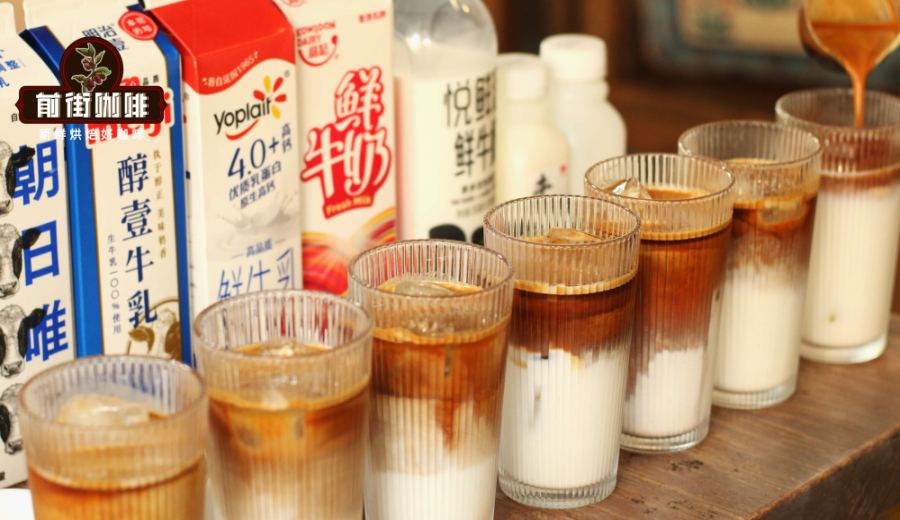
Introduction:Want to brew an iced latte at home that rivals those from your favorite café, but feel like it’s always just missing something? The key lies in choosing the right coffee machine, using the right coffee beans, and mastering the golden ratio of coffee to milk. This article provides a detailed breakdown—from recommendations on selecting a home coffee machine, choosing the right espresso beans for iced lattes, adjusting the coffee-to-water and coffee-to-milk ratios, to tips on ice selection—helping you steadily improve your results while enjoying the fun of making your own iced lattes.
Many coffee lovers struggle with replicating a smooth, well-balanced iced latte at home, often facing the frustration of “the taste just isn’t right.” In truth, this usually comes down to three key factors: whether the coffee machine provides sufficient extraction pressure, whether the chosen espresso beans complement the flavor of the milk, and whether the espresso-to-milk ratio is just right. This article takes a practical home-brewing approach to help you master the core techniques for making iced lattes. Whether you’re a beginner who just got your first coffee machine or an experienced home barista, you’ll find useful adjustments to guide your brewing.
A customer once asked how to make a café-quality iced latte at home. It may seem as simple as three steps: add ice, pour in milk, and drizzle coffee on top—but each step hides subtle techniques. Even when following the same steps and using the same beans, many beginners still find it hard to recreate that memorable iced latte from the café. If you’ve had the same question, this article will fully break down the crucial details, giving you clear references from the basic equipment to the brewing steps.
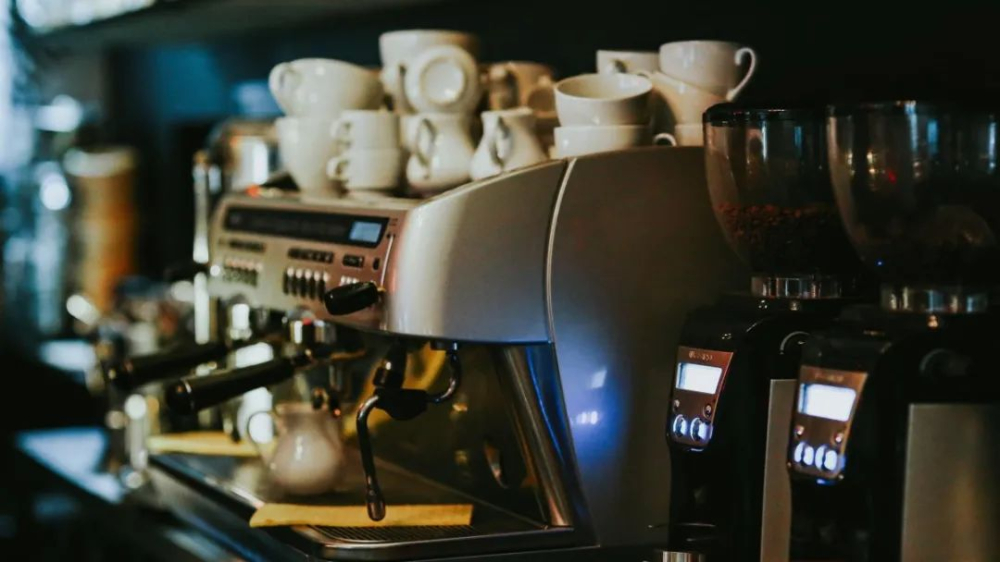
Stable extraction is the foundation of a great iced latte, and it all starts with choosing the right coffee machine. In the professional coffee world, “iced coffee” broadly refers to all cold coffee drinks, including iced Americano, cold brew, iced drip, and iced pour over, while the iced latte is the classic version that includes milk. Its rich texture and layered flavors have made it a consumer favorite. However, many people find their homemade iced lattes don’t measure up to café standards, and this often directly relates to the coffee machine’s pressure performance.
Home coffee machines on the market range in price from a few thousand to tens of thousands of yuan. Although their appearances and basic functions may look similar, their extraction pressure and stability can vary significantly. Generally speaking, if a machine only offers 3–4 bar of pressure, even if it looks like a high-end model, the resulting espresso often has weak flavor, even tasting as light as water, and becomes even more bland when mixed with milk. To reliably make an iced latte that approaches café quality at home, your coffee machine should have an extraction pressure of at least9bar, such as the popular Huji 310, which is a cost-effective choice. If you’re aiming for the golden crema on top of your espresso, it’s recommended to pair it with a professional espresso grinder to ensure the freshness and uniformity of the coffee grind, further enhancing extraction quality.

Besides the machine, the choice of coffee beans also greatly affects the final flavor of your iced latte. Whether it’s a dark roast or light roast espresso blend, the most important considerations are how well it pairs with milk and whether its flavors remain distinct and clear when complemented by milk. If you want to replicate the classic café flavor, it’s recommended to choose an espresso blend dominated by notes of nuts, dark chocolate, and caramel. These beans typically offer a balanced bitterness and sweetness, and when mixed with milk, they produce a smooth and layered taste.
For beginners or those who enjoy practicing latte art, medium-dark roast espresso blends are a more user-friendly option. These beans usually have richer oils, which not only enhance the aroma of the coffee but also make it easier to form desirable crema during extraction. Some users report that their home-extracted espresso often has rough bubbles on the surface, which is usually due to the beans being too fresh. Based on experience, it’s best to let newly purchased espresso beans rest in a cool place for7 to 10 days, and use them within50 days, as their flavor tends to be at its best during this period.
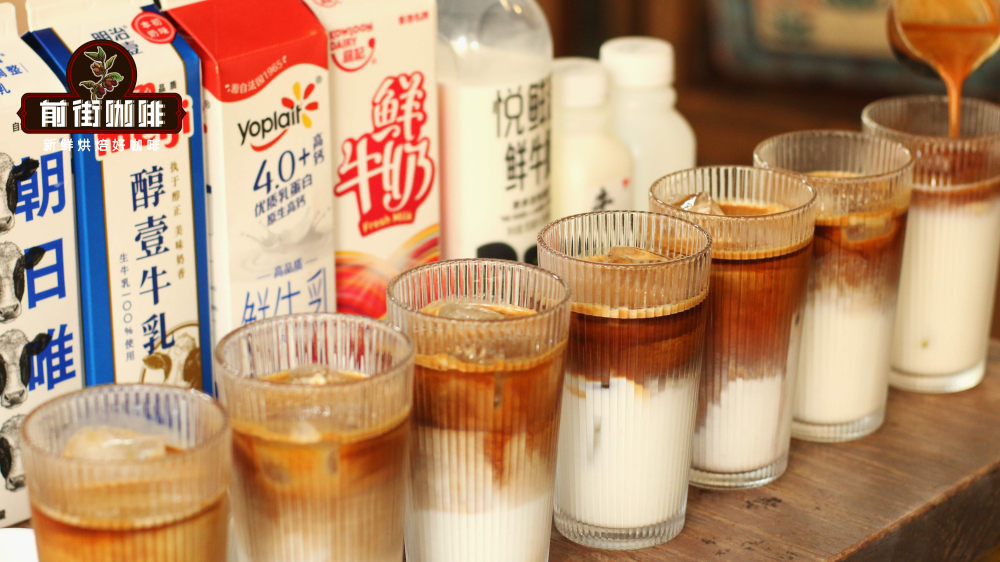
When it comes to the recipe for an iced latte, the most crucial element is finding the “golden ratio” between coffee and milk. Generally speaking, the extraction quality of the espresso directly determines the foundational flavor of the iced latte. If the espresso is over-extracted and tastes burnt or bitter, even adding a lot of milk won’t be able to mask it. The recommended coffee-to-milk ratio range is1:4 to 1:8, and the actual ratio can be fine-tuned based on personal preference, the bean variety used, and the thickness of the milk. For example, if you’re using a dark roast blend dominated by black chocolate and nut flavors, the espresso usually has a heavier body and more pronounced mouthfeel, so you can increase the milk ratio to1:5or even higher to soften the overall flavor; conversely, if you’re using a light roast with floral and fruity acidity notes, it’s recommended to lower the milk ratio, such as1:4, to preserve the unique aromatic characteristics of the coffee.
Finally, don’t overlook the role of ice cubes in your iced latte. Many people focus on the combination of coffee and milk but ignore how the melting ice affects the overall flavor of the drink. When ice melts quickly, it not only dilutes the concentration of the coffee and milk but can also make the whole drink taste overly watery. To reduce dilution, it’s recommended to use harder “old ice” and minimize the contact time between the ice and the coffee. In practice, you can first brew the espresso, then quickly pour it over a cup already containing ice cubes and milk, allowing the golden crema to rise to the surface. This creates a visually appealing and flavorful layered effect, while ensuring every sip delivers a strong coffee aroma and a refreshing icy experience.
The above content is compiled by CoffeeHunters, a coffee news website.


