







Introduction:To brew richly flavored espresso with a moka pot, selecting the right coffee beans is the first step. This article introduces five coffee bean varieties ideal for moka pot use, including Brazilian Red Bourbon, Colombian Huila, Indonesian Mandheling, classic blends, and commercial blends. It also analyzes their regional characteristics, flavor profiles, and suitable scenarios, while providing complete moka pot operation steps and heat control tips to help you easily brew professional-grade espresso with thick crema and captivating aroma at home.
The moka pot is the tool of choice for many coffee enthusiasts to make espresso at home, but the key to brewing delicious espresso lies not just in the equipment itself, but more critically in the choice of coffee beans. This article carefully selects five highly representative coffee beans tailored for the moka pot, and details their origin backgrounds, flavor characteristics, and practical usage suggestions, while guiding you step-by-step through the correct moka pot extraction process and parameter settings—allowing you to reliably replicate the flavor experience of a professional café.
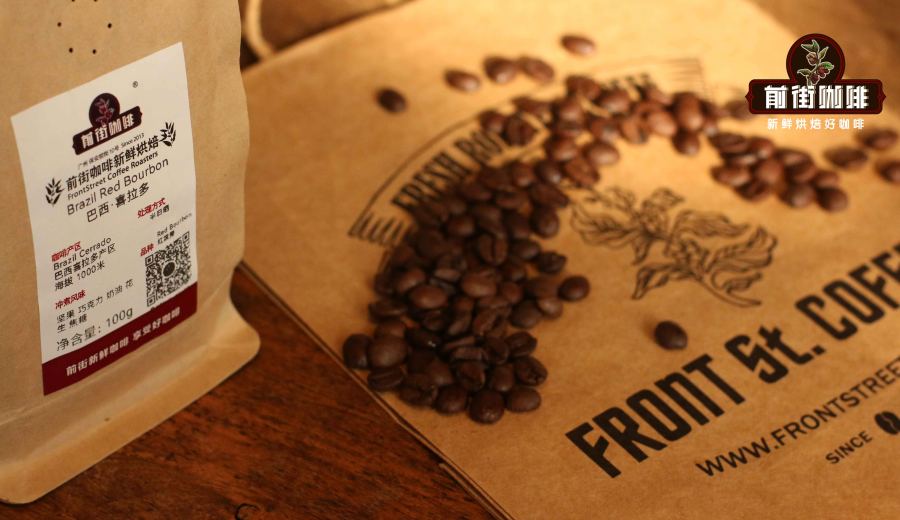
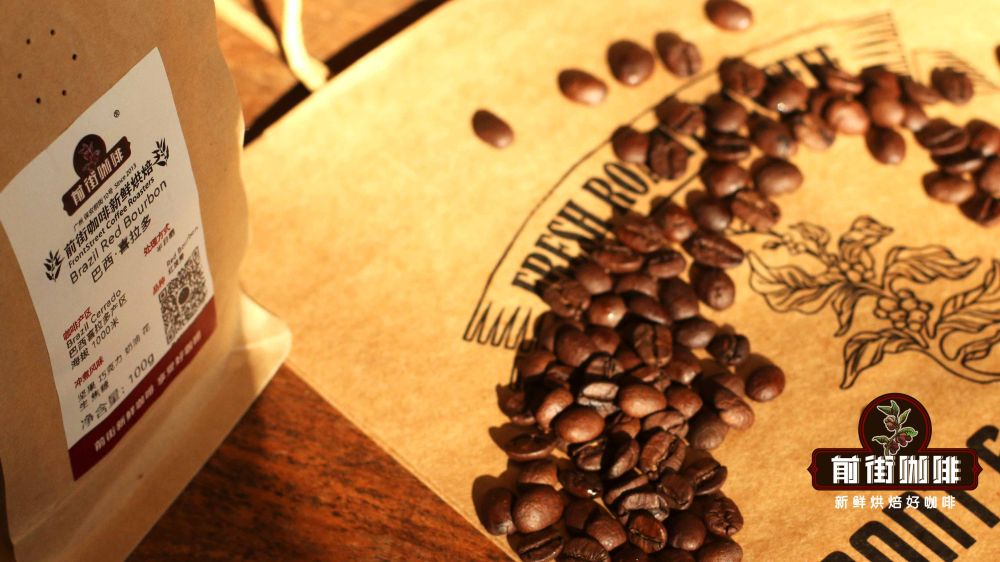
The first recommendation is Red Bourbon coffee beans from Brazil, grown in South America. This variety is of a neutral profile, excelling in balanced and mellow expression. Its acidity is moderate, with prominent nutty aromas—it's quite palatable even without complex milk pairings, and tastes smooth when directly extracted. If you want to make milk-based drinks like lattes, its stable base can also bring out a silky mouthfeel.A medium-dark roast level is recommended, suitable for users who prefer mellow flavors.(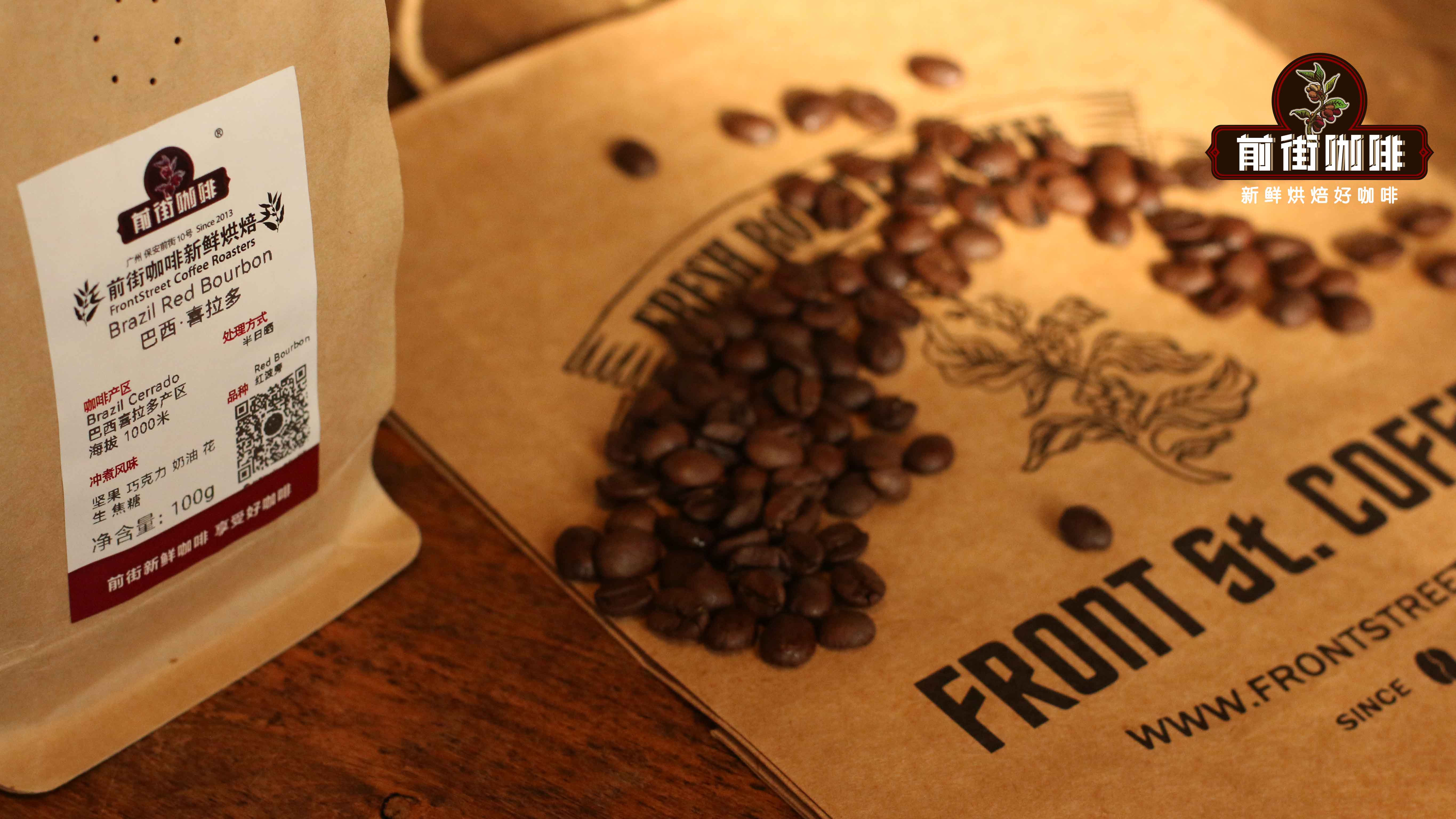
Next are the coffee beans from the Colombian Huila region, produced in high-altitude areas of South America and renowned for their full-bodied and substantial mouthfeel. The acidity is pleasant and layered, with rich sweetness, and pairs well with dark roasting to bring out intense tropical fruit and nutty notes. Huila beans have a solid structure and perform excellently in a moka pot, especially appealing to users who prefer bold flavors.It is recommended to use a medium to dark roast to bring out the optimal aroma.)
The third recommendation is Indonesian Mandheling, a classic coffee from Asia known for its unique herbal and spicy flavors, often processed with dark roasting. After deep roasting, Mandheling features pronounced caramel sweetness and a subtle aftertaste, with bitterness that is not harsh but rather steady. When extracted with a moka pot, it showcases strong layering and a notable after-mouth feel.Pay attention to the coffee-to-water ratio and heat control to avoid over-extraction, which may lead to astringency.(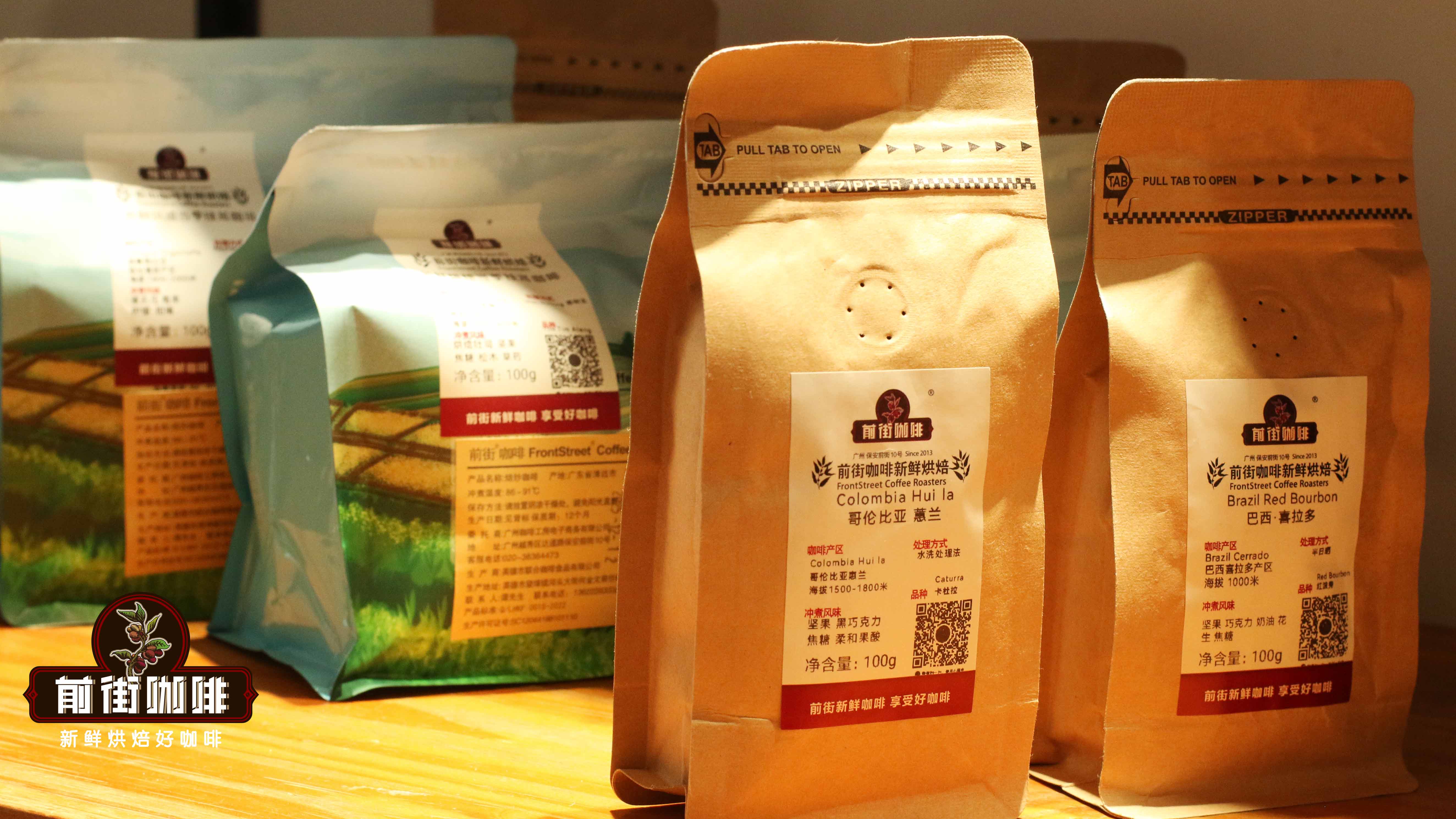 )
If you prefer a balanced flavor profile, you can try a classic blend. This blend combines beans from Brazil, Indonesia, and Vietnam, using an overall dark roast with concentrated flavors and rich crema. This blend is not only suitable for pure espresso but also works seamlessly in various variations such as Americano and latte. It offers excellent cost-performance and is a staple choice for many home coffee enthusiasts.
Finally, there’s the commercial blend, specially designed for café needs. Also a dark roast, it blends beans from Brazil, Colombia, and Vietnam. This blend emphasizes crema performance and bold mouthfeel, faithfully replicating the style of typical café offerings. Whether you’re making black coffee or milk-based drinks, it handles both with ease, and is especially suitable for users who prioritize consistency.
So, how do you use a moka pot to brew an ideal cup of espresso? First, prepare a moka pot, a gas or induction stove, freshly roasted coffee beans, and a grinder. It is recommended to grind the beans just before use, to a coarseness similar to granulated sugar, to ensure stable extraction.
Taking the commercial blend as an example, its composition includes beans from Brazil, Colombia, and Vietnam, with an overall dark roast. Its primary flavor profile features aromas of dark chocolate, cream, nuts, and butter, accompanied by a rich layer of crema. Such a flavor profile aligns very well with the strong extraction characteristics of the moka pot.
In actual operation, first add an appropriate amount of cold water to the lower chamber of the moka pot—do not exceed the safety valve. Then fill the coffee grounds into the filter basket, filling it to about nine-tenths full. Next, gently tap the edge of the basket with your hand or a spoon to evenly distribute the coffee grounds and create a flat surface—this step helps achieve more consistent flavor extraction. (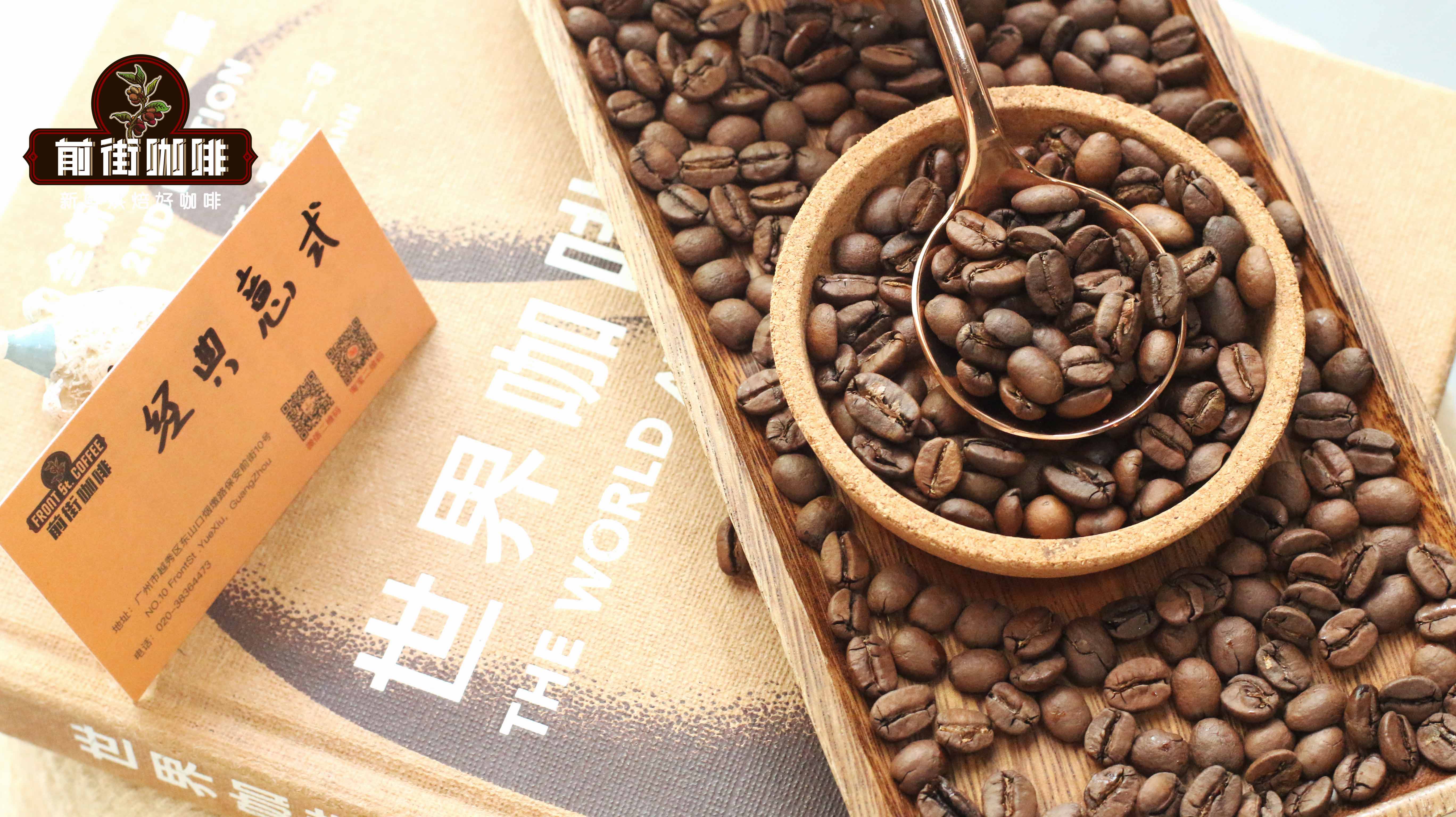 )
Then screw the upper and lower chambers tightly together to ensure good airtightness and prevent leakage during heating. Place the moka pot on the stove, starting with a low to medium flame. Once you hear the internal water begin to boil and produce a hissing sound, reduce the heat to low. This helps stabilize pressure and extraction speed. When the sound gradually becomes a low bubbling noise, it means extraction is nearing completion—turn off the heat immediately at this point to avoid over-extraction, which can intensify bitterness.
In summary, choosing the right coffee beans and mastering the correct moka pot operation techniques are key to replicating professional espresso flavors at home. Whether you prefer bright fruity notes or caramel-rich richness, you can find the most suitable beans from the recommendations above, and adjust details to brew your perfect cup.
The above content is compiled by CoffeeHunters, a coffee news website.


