








Introduction:Kenyan coffee is renowned for its vibrant berry flavors and lively acidity, thanks to its distinctive K72 washed processing method and rigorous grading system. This article delves into the 72-hour triple-stage fermentation and suspended steel-bed drying techniques, explains the differences between AA and AB grade beans, and offers brewing recommendations for medium-light roasts—from water temperature to grind size—so you can brew bright, clean Kenyan flavors at home.
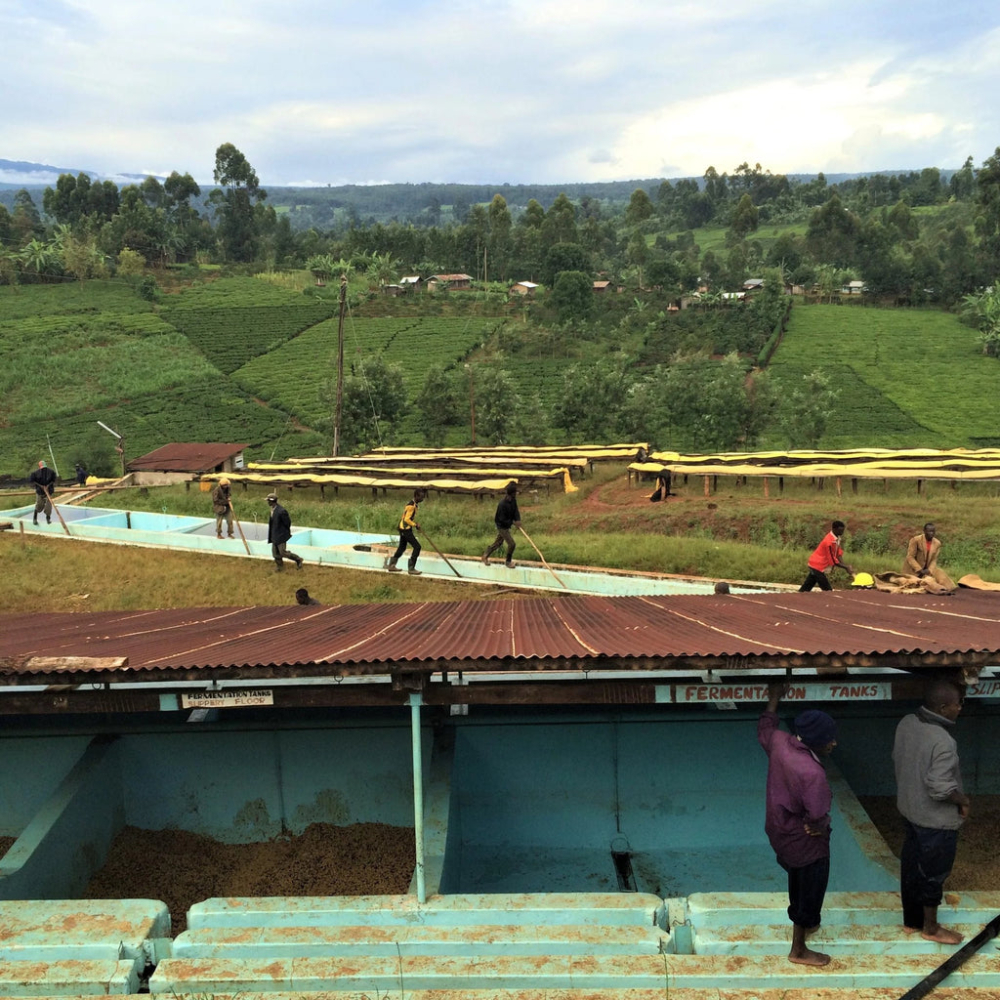
The unique berry aroma and pronounced acidity of Kenyan coffee stem from its key processing method: the K72 washed process. Unlike single-stage fermentation, this approach divides the entire fermentation process into three phases, each lasting 24 hours with fresh water changes, totaling72 hours—hence the name. This extended fermentation allows the beans to develop richer acidity while maintaining a crisp mouthfeel.
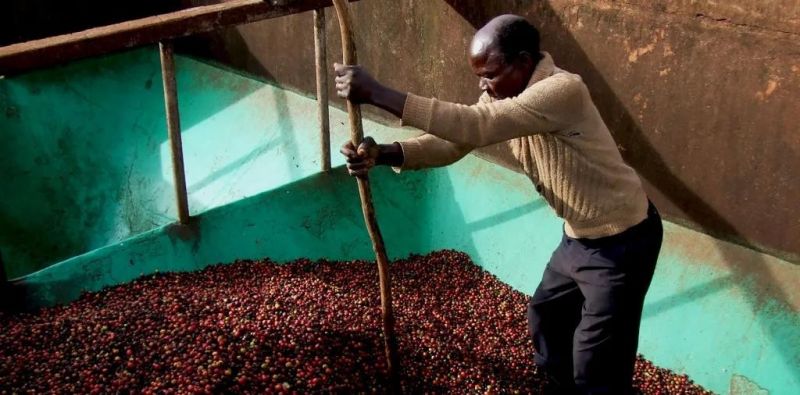
The fruity acidity of Kenyan coffee is often described as bright, almost like blackberries. This is not only due to the region’s phosphorus-rich soil but also closely tied to the meticulous K72 washed method. Compared to traditional single fermentation, K72’s phased process releases flavors gradually, resulting in more layered and lingering acidity while minimizing off-flavors.
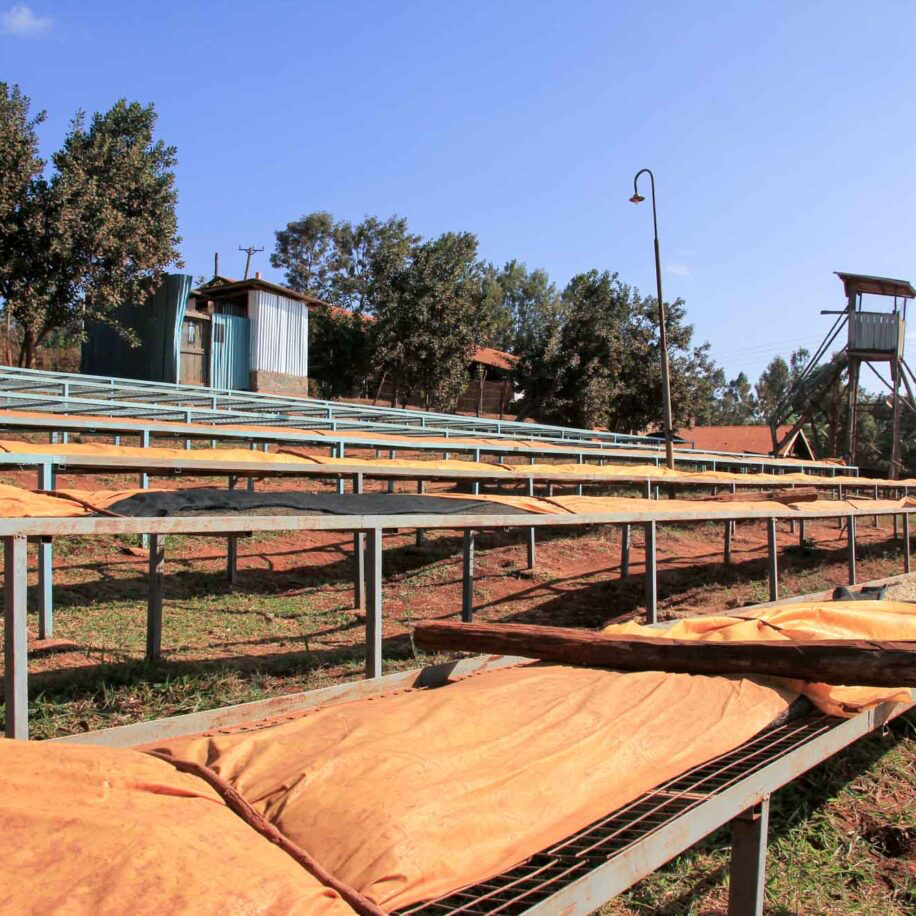
The drying stage after fermentation is equally meticulous. Kenyan farmers don’t spread the beans directly on the ground to dry; instead, they use specially designed suspended steel beds, commonly called “Kenya steel beds.” These beds feature evenly distributed holes to ensure proper airflow during drying and prevent contact with ground dust, further preserving the purity of the coffee’s flavor—contributing to Kenyan coffee’s famed “clean cup profile.”
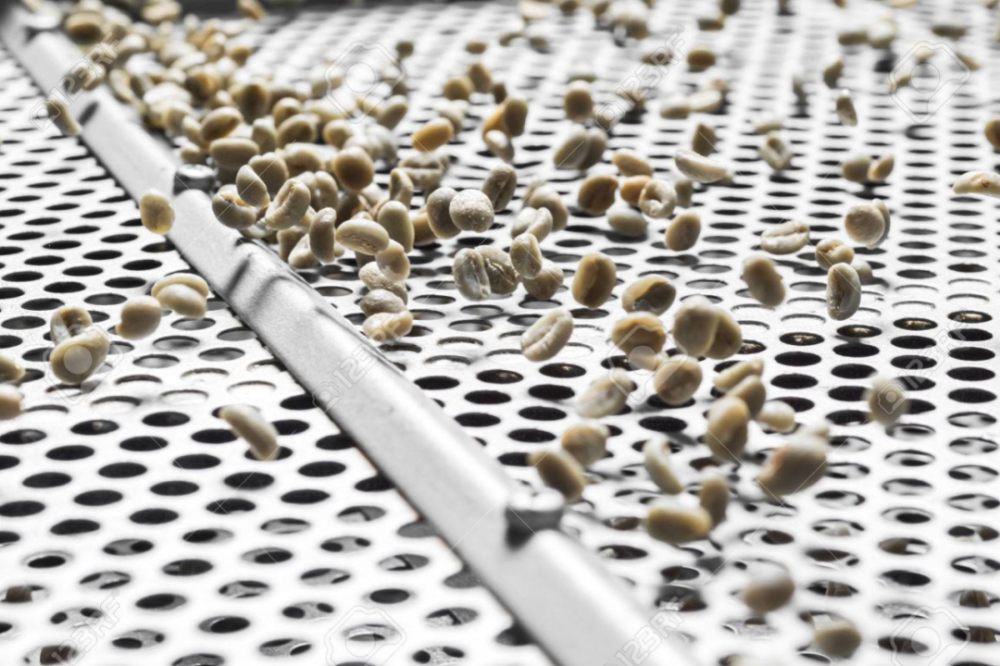
Kenya’s coffee grading system primarily classifies beans by size. The highest grade isAA grade, with bean sizes of 17–18 mesh, typically offering the most complex flavor profiles; followed byAB grade, sized between 15–16 mesh, which is the most common commercial grade. Other grades include C, TT, and T, along with specialty large-bean E (elephant bean) and small round beans PB—though the latter’s unique shape doesn’t significantly alter its flavor.
Beyond size-based grading, some exporters assign additional quality ratings based on cupping scores, such as TOP, PLUS (+), and FAQ. While these aren’t official Kenyan standards, they serve as useful references when purchasing. Generally, beans graded AA or AB already deliver exceptional flavor, making them ideal for coffee enthusiasts seeking high quality.
Take the Kenyan cherry-tomato beans from the Thika region, for example. These beans, sourced from the renowned SL28 and SL34 varieties, meetAA-gradestandards and are medium-light roasted to preserve their bright acidity and rich floral-fruity notes. This roast level highlights the berries and citrus aromas, making it suitable for various brewing methods like pour-over, cold brew, and siphon, showcasing diverse flavor layers.
For pour-over brewing, when using medium-light roasted Kenyan beans, opt for slightly higher water temperatures and faster-flowing filters, such as the V60. Recommended brewing parameters: coffee-to-water ratio1:15, using15 grams of coffee grounds, total water volume225 milliliters, water temperature controlled at91°C, grind size roughly equivalent to superfine sugar (EK43s at setting 10, ~80% passing through a #20 sieve). The specific steps: bloom with 30 grams of water for 30 seconds, then pour 95 grams (reaching ~125 grams total), and after about 1 minute—when the water level drops to two-thirds of the coffee bed—pour the remaining 100 grams (totaling ~225 grams). Total extraction time is around 2 minutes, fully highlighting flavors of dark plum and cherry tomatoes, with a distinct berry finish and green tea notes.
The above content is compiled by CoffeeHunters, a coffee news website.


