







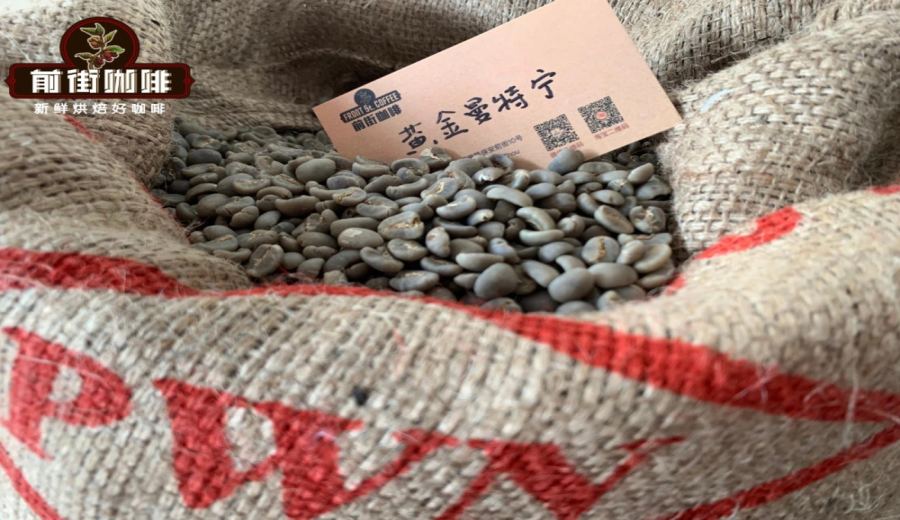
Introduction:Explore the unique geography and climate of Sumatra, the renowned origin of Mandheling coffee, and how its signature wet-hulled processing method creates a rich and bold flavor profile. This article delves into the Golden Mandheling coffee produced by PWN, from its rigorous hand-selection process and quality grading to how the right medium-dark roast and pour over parameters can bring out its layers of spice, dark chocolate, and nuts.
Sumatra is not only Indonesia’s largest island but also the birthplace of the world-famous Mandheling coffee. The region’s high altitude, rainy climate, and fertile volcanic soil together nurture a coffee with intense herbal, spicy notes and a full-bodied taste. Among them, the most iconic is the Mandheling processed by the wet-hulling method, and the “Golden Mandheling” carefully selected by PWN Coffee Company (PWN).
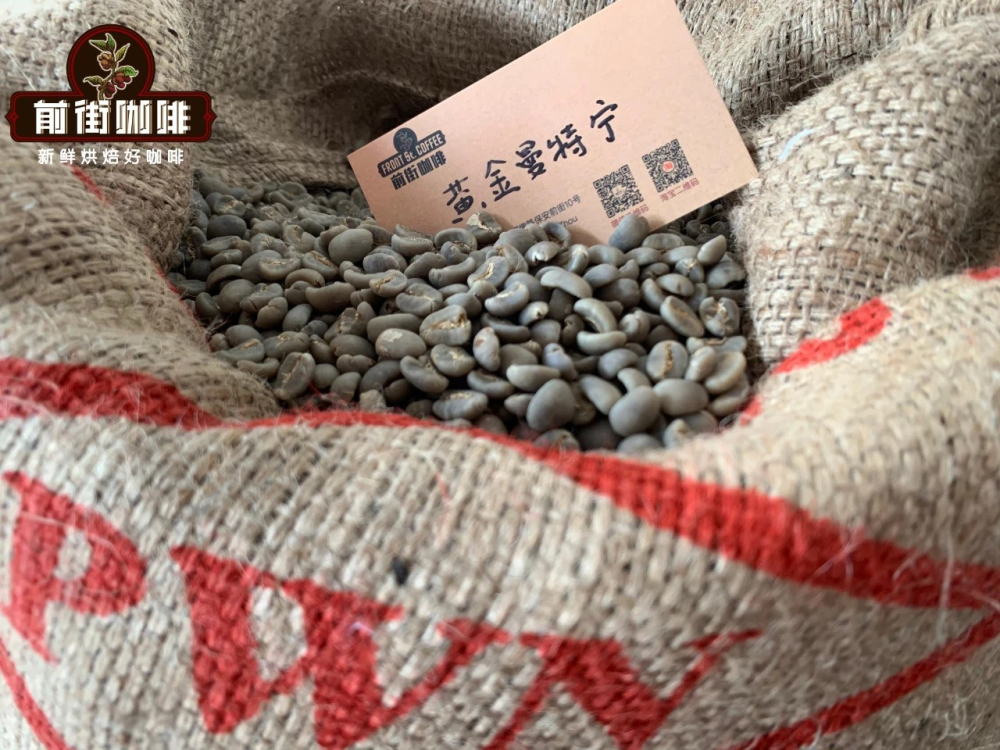
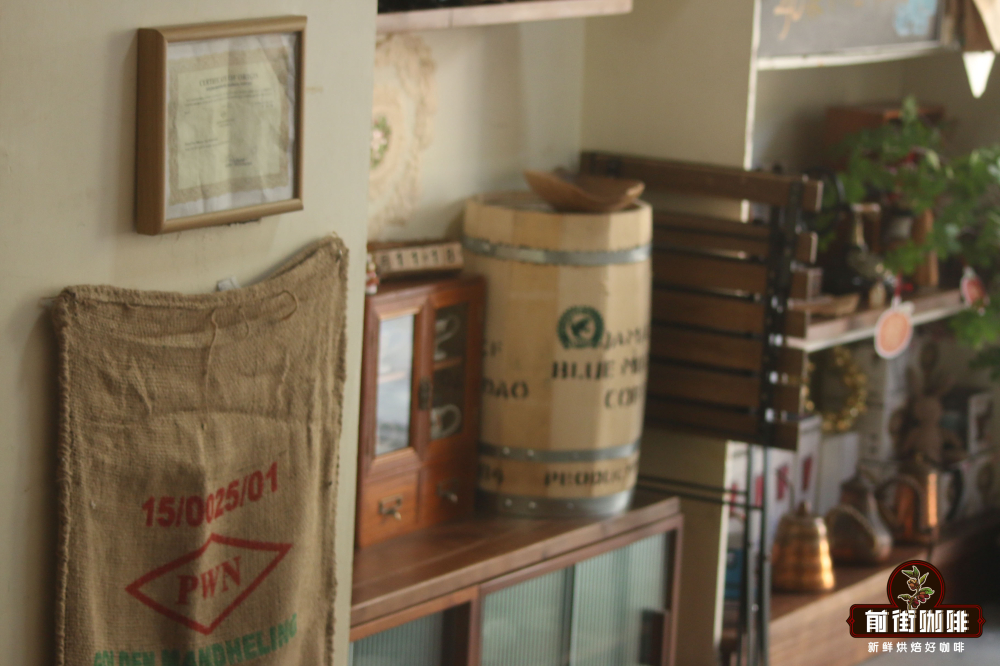
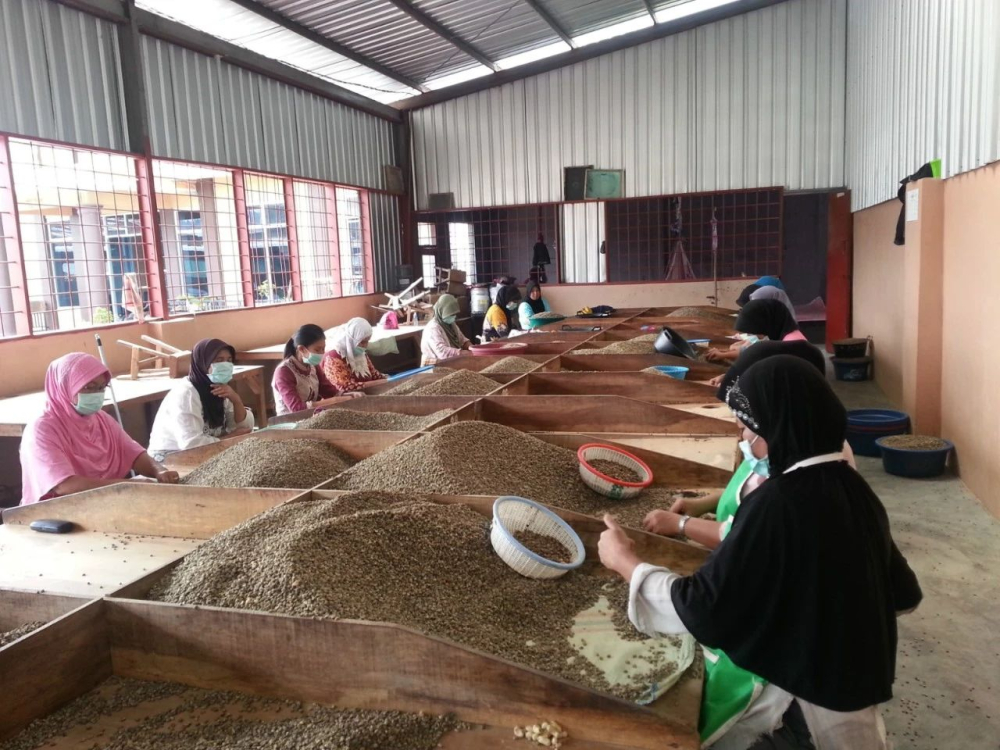
The so-called Golden Mandheling is actually a proprietary name registered as a trademark by PWN. Only products marked with the PWN logo on the green bean sack and accompanied by an official origin certificate can be considered authentic. This coffee belongs to the highest grade in Indonesian green bean classification—G1, not only with an extremely low defect rate (typically fewer than 11 defective beans in a 300g sample), but also after three rounds of manual hand selection to ensure cleanliness and consistency. In addition, PWN uses machines to further screen for density and color, resulting in green beans that are uniformly plump and brightly colored.
Coffee cultivation in Sumatra is mainly concentrated in high-altitude areas, particularly in Aceh and North Sumatra provinces. The local climate is tropical rainforest, with high humidity and persistent cloud cover, providing a stable growing environment for coffee trees. Coffee is primarily grown in the mountainous regions near Lake Tawar and Lake Toba, among which the Gayo Mountains are regarded as a premium producing area due to their rich soil organic matter and good management. Many well-known green bean merchants, including PWN, have procurement bases here, focusing on producing G1-grade green beans with unique flavors and stable quality.
When it comes to Sumatran Mandheling, one cannot overlook its unique “wet-hulled” processing method. Compared to the traditional washed process, which takes 1 to 3 weeks, the wet-hulled method can be completed in just a few days. This method first removes the skin and pulp of the coffee cherry, and after a short fermentation, the mucilage-covered beans are partially dried in the shade. When the moisture content drops to about 30–35%, reaching a semi-dry state, the parchment layer is removed, and the beans continue to dry until they reach the target moisture level of 12%. Due to Indonesia’s humid, hot, and damp climate, sun drying is difficult to control, and the wet-hulled method effectively shortens the processing time. However, this also makes the green beans more prone to absorbing ambient moisture during processing, thereby imparting the coffee with unique woody tones, herbal aromas, and intense spice flavors.
To fully showcase the richness and spice layers of Golden Mandheling, a medium-dark roast is recommended. This roast level helps suppress excessive acidity, enhances caramel, nutty, and dark chocolate flavors, and delivers a full-bodied and balanced taste. During actual tasting, you can often perceive aromas of pine, spices, and caramel, with the aftertaste accompanied by a natural sweetness reminiscent of melons and other fruits. The overall profile is clean and well-layered.
If you choose to enjoy medium-dark roasted Golden Mandheling via pour over, it’s recommended to adjust the parameters to highlight its intense chocolate character while avoiding excessive off-flavors. First, it’s suggested to use water at 88°C, slightly lower than the usual 91–93°C for light roasts, to help control the release of bitter-tasting compounds. For grind size, aim for a 20-number standard sieve passing rate of 70–75%, slightly coarser than very fine grinding, to match the characteristics of medium-dark roasts. Using a Kono dripper for step brewing can extend the contact time between water and coffee grounds through its unique rib design and tight-fitting filter paper structure, further enhancing body and extraction efficiency.
The actual pour over steps are as follows: Start with a 30-second bloom using 30g of water to initiate coffee extraction; then pour water in small circular motions, and when the total water volume reaches 125g, perform the first pour. After the water level drops slightly, continue pouring until you reach 225g and then stop. The total extraction time should be controlled to around 2 minutes. Remove the dripper when the water level approaches the surface of the coffee bed to complete a cup of medium-dark roasted Golden Mandheling pour over coffee with balanced flavors and a full body. Remember to use freshly roasted coffee beans, ideally within 5 days of roasting, to achieve the best flavor performance.
The above content is compiled by CoffeeHunters, a coffee news website.


