







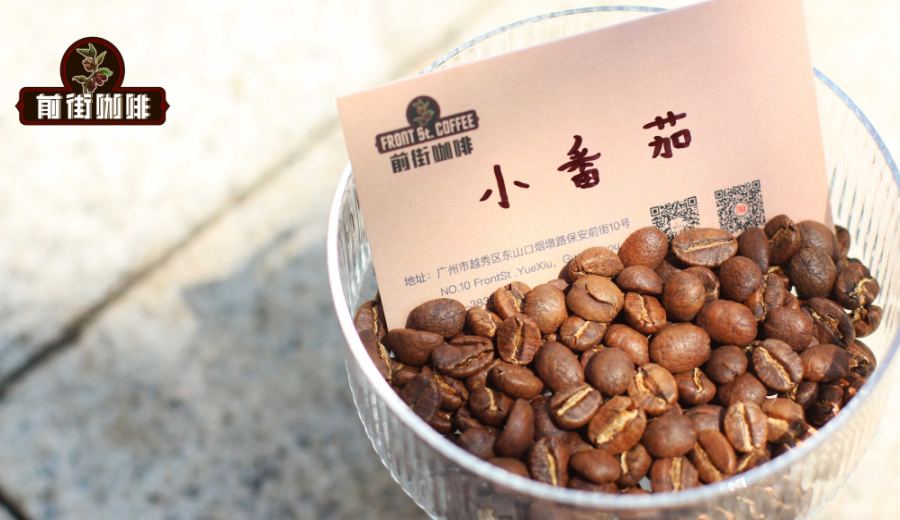
Introduction:Want to fully showcase the bright berry acidity and rich juiciness of Kenyan coffee? This article delves into the pour over details for lightly roasted Kenyan beans — from the coffee-to-water ratio, water temperature settings, grind size, to flow control and timing during multi-pour brewing. It will help you master the key extraction points, avoid common issues like over-extraction or flat flavors, and let you highlight vibrant fruitiness and full body whether brewing hot or using cold drip.
To brew a cup of Kenyan coffee with intense juiciness, the key lies in precisely balancing the roast level of the beans and the pour over extraction parameters. Taking the small tomato-flavored beans from a renowned Kenyan growing region as an example, we’ll detail the ideal hot water pour over approach, including how to set the coffee-to-water ratio, choose the right water temperature, adjust grind size, and master the rhythm and technique of a three-stage pour. This way, you can draw out lively and multidimensional berry acidity, paired with natural fruity sweetness and smooth mouthfeel — perfect for enthusiasts looking to steadily improve their pour over skills.
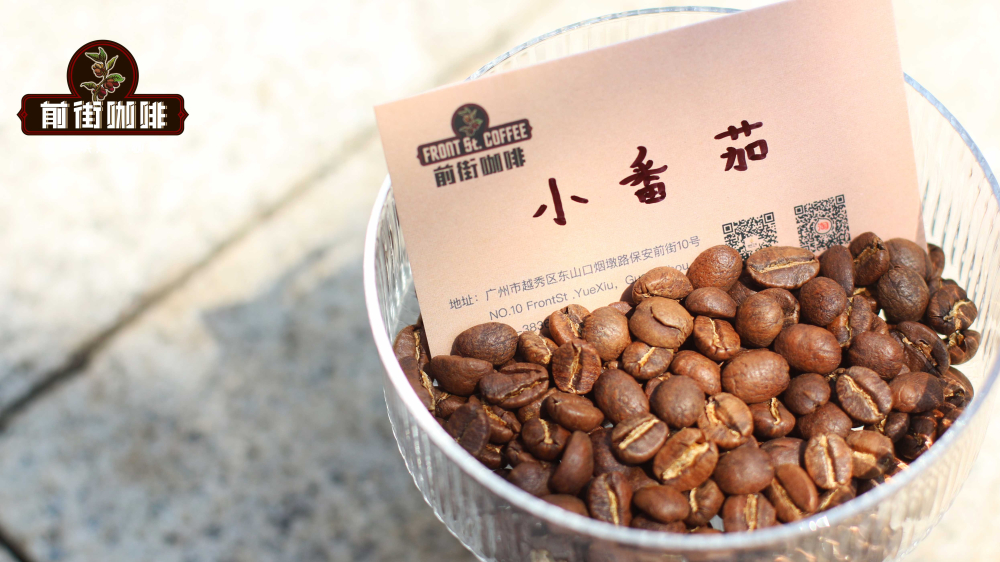
Many people brewing at home often find that although the coffee beans they bought are labeled as having rich fruity aromas, what they actually get is either over-extracted bitterness or thin, sharp acidity — far from the experience of drinking fresh fruit. In fact, the so-called juiciness mainly comes from the fruity aromas captured by your nose during sniffing, combined with the sweet-and-sour interplay sensed retro-nasally after swallowing, together creating an impression vividly similar to eating fruit.
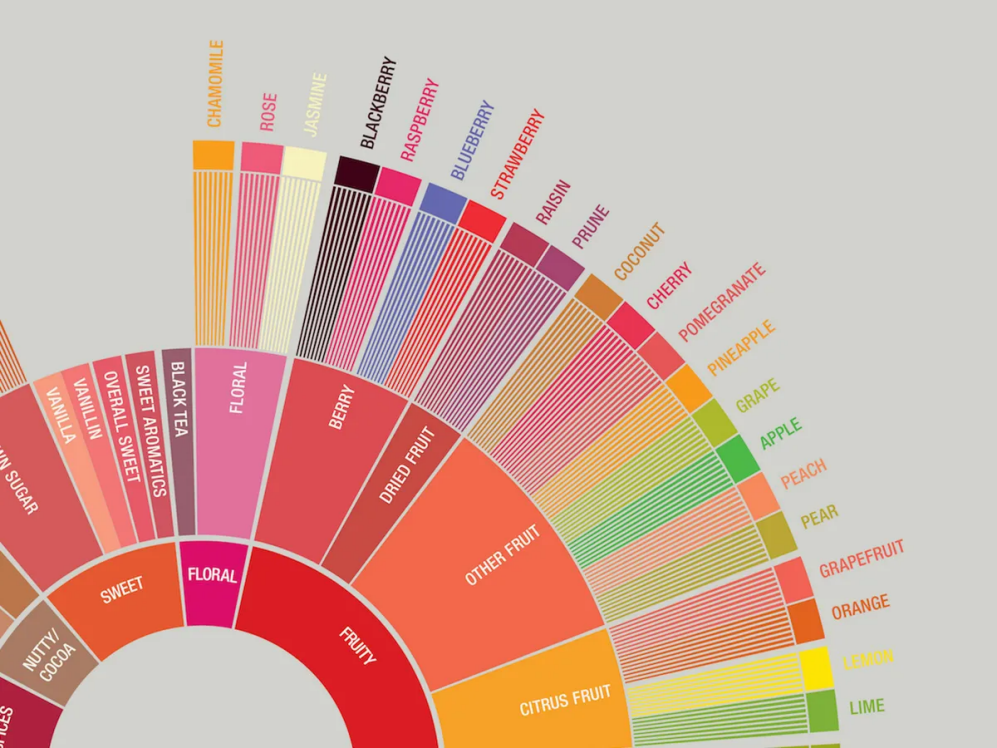
To successfully bring out this juicy texture, the foremost requirement is that the coffee beans themselves must contain sufficient floral and fruity aromatic compounds, and through proper roasting, preserve clear acidity while amplifying sweetness. The range of juice-like flavor expressions is broad, with common sources of acidity including citric acid, malic acid, tartaric acid, and lactic acid, while fruit notes may span descriptions such as citrus, lemon, passion fruit, berries, grape, peach, apricot, and plum. This article specifically uses representative Kenyan small tomato-flavored beans as an example to explain how to achieve optimal results via pour over.
Kenyan coffees are renowned for their bright and layered berry profiles. Under ideal extraction conditions, they can simultaneously express tight acidity and rounded fruit sweetness, with the coffee liquid smooth and slightly viscous — the moment it touches your tongue, it's like biting into a fresh tomato, instantly releasing a burst of juicy sensation. Given the particularly rich fruit acidity of this bean, to make the fruitiness stand out more, it’s recommended to increase the coffee-to-water ratio to 1:16. Using a single cup’s typical coffee dose of 15 grams as an example, the total water volume can be set to 240 grams. It’s recommended to use a V60 size 01 filter cone, with water temperature controlled around 91°C, and a grind size as fine as caster sugar (approximately EK43s setting 10, with about 82% passing through a #20 sieve).
During the pour over process, due to different dissolution rates of substances within the coffee grounds, flavor release typically occurs in the order of acidity, sweetness, and then bitterness. If you want higher proportions of acidity and sweetness, it’s recommended to use a relatively larger water volume in the second pour (after blooming) to quickly extract the early-stage flavor compounds. At the same time, the water volume for the final pour can be moderately reduced to adjust and supplement sweetness and mouthfeel, thus achieving a more balanced overall taste — highlighting vivid, focused fruit acidity without losing body and depth.
Based on practical experience, using a larger water stream can enhance layering and the expression of acidity, while a smaller stream is more conducive to bringing out soft, rounded sweetness. If your goal is to balance bright fruit acidity and sweetness with rich layers, and to avoid overly short aftertaste or thin mouthfeel, it’s recommended to adopt a strategy of starting with a larger stream and then reducing to a smaller one during extraction.
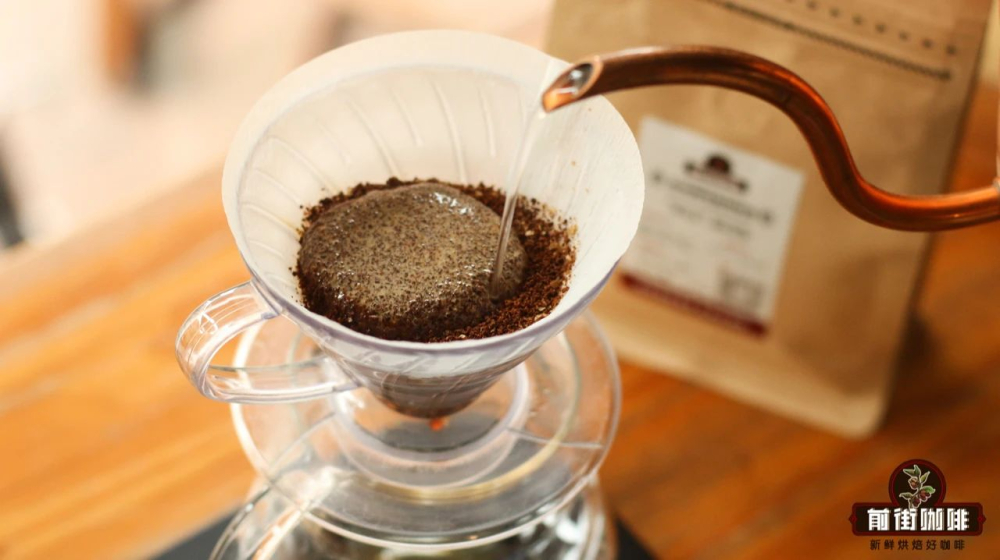
Recommended parameters are as follows: 15 grams of coffee, 240 grams of total water, with water volume distribution across three pours being 30g, 130g, and 80g respectively. First, pour 30 grams of hot water and immediately start timing, with a recommended bloom time of 30 seconds. Then proceed to the second pour, using a medium-to-large water stream (recommended flow rate greater than 7g/s), pouring 130 grams of water quickly in a large circular motion from the outside in. After the coffee liquid has completely dripped through, switch to a small water stream (flow rate less than 4g/s), pouring the remaining 80 grams of hot water slowly in a small, tight circle. The total extraction time should be kept around 2 minutes (±10 seconds tolerance).
It’s especially important to note that since the second pour involves a larger volume of water, pouring too quickly can easily cause the formation of an overly high coffee “wall” along the edge of the filter cone. When the water level subsequently drops, the coffee grounds at the edges may not be adequately extracted by the final pour of water, resulting in localized under-extraction. Therefore, it’s advisable to moderately control the final water level height to avoid excessive accumulation. In practice, it’s recommended to maintain the water level at about 3/5 of the filter cone’s height after the second pour.
If choosing the ice pour over method, due to reduced total water volume and the need to accelerate flavor release, it’s suggested to adjust the grind finer — recommended to around setting 9.5 (if tested with a #20 sieve, about 82–83% passing rate). The coffee-to-water ratio can then be set to 1:11, using 15 grams of coffee with a total water volume of 165 grams, and adding about 75 grams of ice. Water volume distribution is recommended as 30g for the first pour, 90g for the second, and 45g for the third, helping to effectively extract full juice-like flavors even in low-temperature conditions.
Using the above hot pour over and ice pour over methods, you can not only highlight the dense berry acidity unique to Kenyan coffee, but the hot brewed version offers a freshness reminiscent of small tomatoes, while the iced version presents a rich aftertaste akin to chilled black plum juice, with a sweet finish reminiscent of ripe blueberries — especially suitable for summer drinking, allowing you to fully experience the multi-layered juice charm of Kenyan beans through pour over.
The above content is compiled by CoffeeHunters, a coffee news website.


