







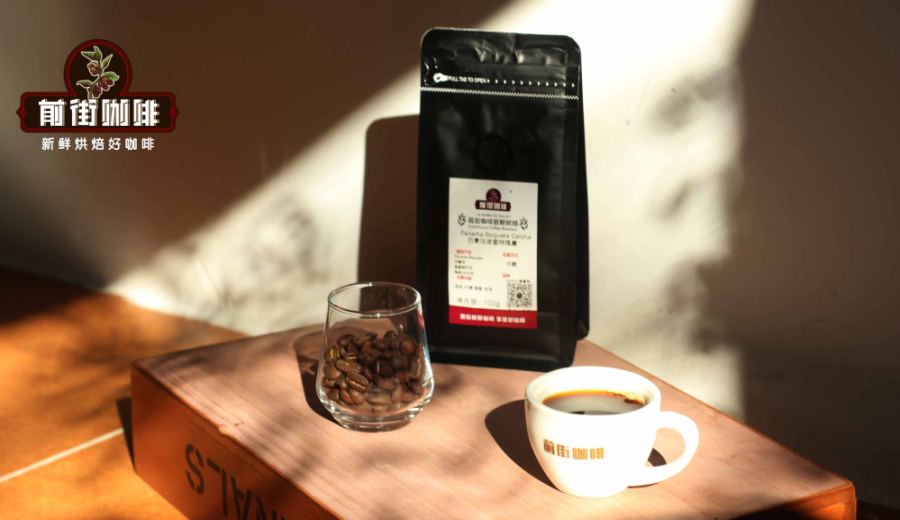
Introduction:Hacienda La Esperanza is located in Panama’s high-altitude Boquete region and is renowned for producing Geisha coffee with delicate and complex flavor profiles. This article delves into the estate’s altitude conditions, varietal composition, washed processing techniques, and organic certification background, while also revisiting the historic moment in 2008 when it won the BEST OF PANAMA title. From shaded cultivation to rainforest conservation, discover the key factors behind Hacienda La Esperanza’s creation of top-tier Geisha flavors.
In the world of specialty coffee, the Geisha from Hacienda La Esperanza in Panama has long been highly praised for its unique flavor profile. This coffee from the Boquete region often exhibits pronounced floral notes, citrus tones, and layered peach-like acidity, paired with a creamy body and an aftertaste that carries hints of oolong tea—making it feel less like just a cup of coffee and more like sipping a carefully crafted fruit tea.
Hacienda La Esperanza is situated in a mountainous environment at elevations between 1400 and 1600 meters, where the region’s exceptional geographical conditions provide an ideal growing environment for coffee trees. The estate’s annual production ranges between 300 to 700 bags, with main varietals including Catuaí (about 60%), Catucaí and Typica (each around 20%), as well as the highly representative Geisha variety. Geisha won the championship at the 2008 BEST OF PANAMA competition, firmly establishing Hacienda La Esperanza’s status in the specialty coffee world.
In terms of processing, Hacienda La Esperanza employs the traditional washed method, with most of the processing steps completed on the farm itself. After undergoing meticulous washing, the coffee cherries are sun-dried, and the removed pulp, mucilage, and other byproducts are converted into organic fertilizer to nourish the land, creating a sustainable farming cycle. This rigorous processing and resource-recycling approach is also one of the key reasons behind the coffee’s pure and layered flavor profile.
The growing environment at Hacienda La Esperanza is highly distinctive, with a large number of native trees planted across the estate to provide shade, including tropical fruit trees such as oranges, lemons, and grapefruits. These trees not only offer necessary shade but also naturally replenish soil nutrients and help maintain ecological balance. In addition, the estate preserves a vast area of natural tropical rainforest as a protected zone, which not only safeguards biodiversity but also provides a stable microclimate for the coffee trees.
From a climatic perspective, Hacienda La Esperanza receives an average annual rainfall of approximately 3200 millimeters, with significant diurnal temperature variations: daytime temperatures range between 16 and 23 degrees Celsius, dropping to 14–20 degrees Celsius at night. Such notable day-night temperature differences help the coffee cherries ripen slowly, allowing them to accumulate richer flavor compounds and resulting in its distinctive aromatic and taste characteristics.
If you’re a beginner exploring the world of specialty coffee, consider starting with a medium-light roasted washed Geisha bean—such as those commonly produced in the Boquete region—which typically showcase clean white floral notes, honeydew, green tea, and grapefruit tones. These coffees offer clear flavors and a smooth mouthfeel, making them an ideal entry point to experience the charm of Geisha. Such beans often have medium-high acidity and abundant sweetness, with a smooth body and long-lasting aftertaste, making them particularly well-suited as practice beans for pour over brewing.
In summary, Hacienda La Esperanza in Panama is not only internationally acclaimed for its Geisha variety winning honors in 2008, but also continues to produce top-tier coffee with delicate and multifaceted flavors thanks to its strict organic farming practices, eco-friendly shaded cultivation system, and the unique microclimate and high-altitude environment. Gaining a deeper understanding of the estate’s cultivation and processing philosophies can help coffee enthusiasts better appreciate the details and care infused in their selection and brewing.
The above content is compiled by CoffeeHunters, a coffee news website.


