







Introduction:An in-depth exploration of the world’s major coffee varieties, from Arabica and Robusta to the rare Liberica, along with an examination of the unique flavor characteristics of sub-varieties such as Typica, Bourbon, and Geisha. We also analyze how the three main processing methods—natural, washed, and honey—affect a coffee’s acidity, sweetness, and aroma, helping you choose the right beans based on your taste preferences.
Stepping into the world of specialty coffee, understanding coffee bean varieties and processing methods is the first step toward discovering delicious flavors. Currently, the coffee beans on the market are mainly divided into three main species: Arabica, Robusta, and Liberica. Among them, Arabica, with its delicate flavors and moderate acidity, has become the mainstream of specialty coffee, but it also includes many well-known varieties, such as Typica, Bourbon, Caturra, SL28/34, and the highly acclaimed Geisha. Different varieties, when paired with natural, washed, or honey processing, can create vastly different flavor profiles—from citrus and berries to caramel and cream—each with its own unique personality.
Coffee varieties can be broadly divided into three categories: Arabica (Coffea arabica), Robusta (Coffea canephora, commonly known as Robusta), and Liberica (Coffea liberica, also called the Liberian variety). Arabica is the most popular specialty coffee variety, suited for cultivation at altitudes above 1,200 meters in cool climates. It boasts a rich flavor profile and bright acidity, but the plants are relatively fragile and yield lower quantities, making it a symbol of high-quality coffee. In contrast, Robusta can grow quickly in low-altitude, hot environments, yielding high quantities but with more mundane flavors, mostly used in instant coffee or commercial blends. Only a very small number of high-quality Robustas can make it into the specialty category. As for Liberica, its cherries are large and it has strong disease resistance, but due to its unremarkable flavor and difficulty in cultivation, it is currently mainly used for research and is extremely rare on the market.
Among the many Arabica varieties, the most common include Typica, Bourbon, Caturra, Catuai, SL28/34, and the uniquely flavored Geisha. These varieties are either naturally mutated or artificially cultivated, each carrying distinct genetic traits and flavor potential.
As the birthplace of coffee, Ethiopia is home to numerous wild and semi-wild coffee varieties. These are typically intercropped by local smallholder farmers and are difficult to classify in detail, so they are collectively referred to as "heirloom" or "heritage" varieties. Although these heirlooms lack specific variety names, they generally feature bright citrus acidity and refreshing green tea or floral notes, with crisp and layered flavors.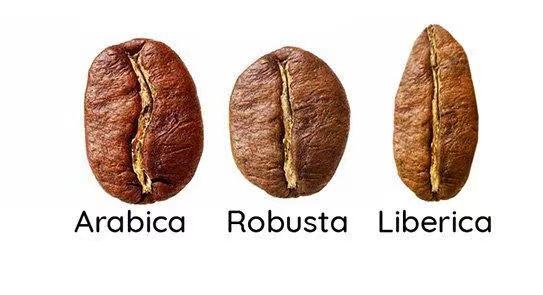 For example, the washed coffee produced by the Gedeb Gedeb Cooperative in Yirgacheffe showcases an enticing combination of citrus, black tea, floral, creamy, and caramel notes, with a clear almond finish.
Typica is considered one of the oldest Arabica varieties and the "ancestor" of many modern varieties, including Bourbon and various contemporary mutations. Typica beans are slightly oval in shape, with clean and clear flavors, soft acidity, but they are prone to leaf rust and have low yields.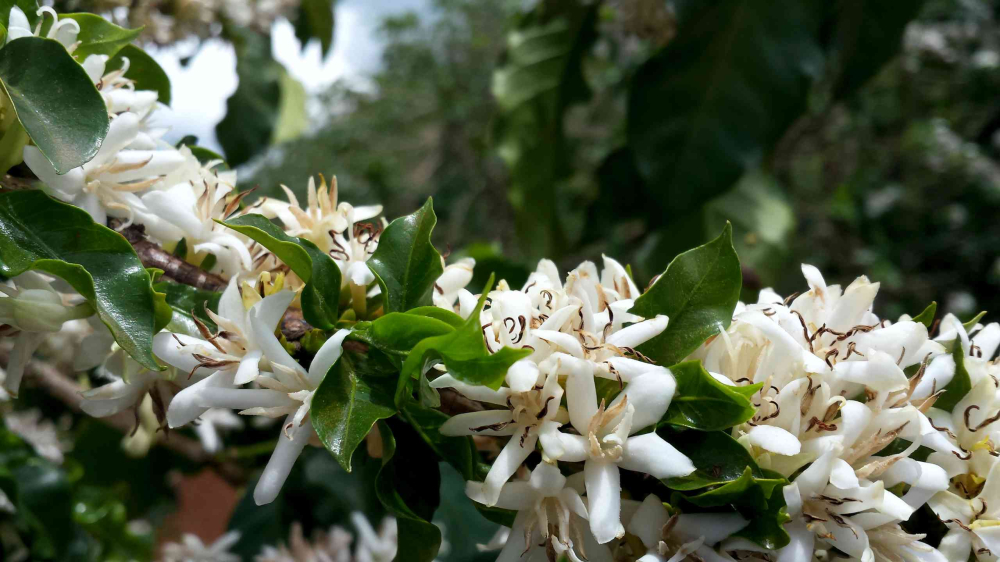 Take Jamaica Blue Mountain No. 1, for instance. This classic Typica variety, grown in the high-altitude Blue Mountains, exhibits an exquisite flavor profile of dark chocolate, nuts, cream, and balanced acidity after washed processing.
Bourbon originated from Bourbon Island in the Indian Ocean (now Réunion Island) and is a natural mutation of Typica. Its cherries turn bright red when ripe, with variations such as Yellow Bourbon. Bourbon’s flavors focus on sweetness and body, especially excelling at high altitudes, but it has relatively low yields and higher environmental demands. The Yellow Bourbon produced by Fazenda Rainha in Brazil, after natural processing, boasts intense nutty, creamy peanut, cane sugar, and fermented fruit aromas, making it a classic representative of the Bourbon family.
Caturra is a natural mutation of Bourbon, originating in Brazil. It offers the advantages of high yield and short plant height, making it easier to harvest, while retaining bright acidity and good sweetness. The Caturra coffee produced in the Huila region of Colombia, after washed processing, presents a balanced flavor of nuts, dark chocolate, caramel, and soft fruit acidity.
Catuai is the result of a cross between Caturra and the Mundo Novo variety, combining high yield, disease resistance, and strong cupping performance. Its beans are slightly oval and flat, with soft acidity, rich fruity aromas, and suitability for natural processing.
SL28 and SL34 are varieties selected by Kenya’s Scott Laboratories in the 1930s, known for their outstanding acidity and sweetness. SL28 has short, round, and thick beans with pronounced bright acidity, while SL34 has slightly flatter beans with balanced acidity and sweetness, along with a caramel aftertaste.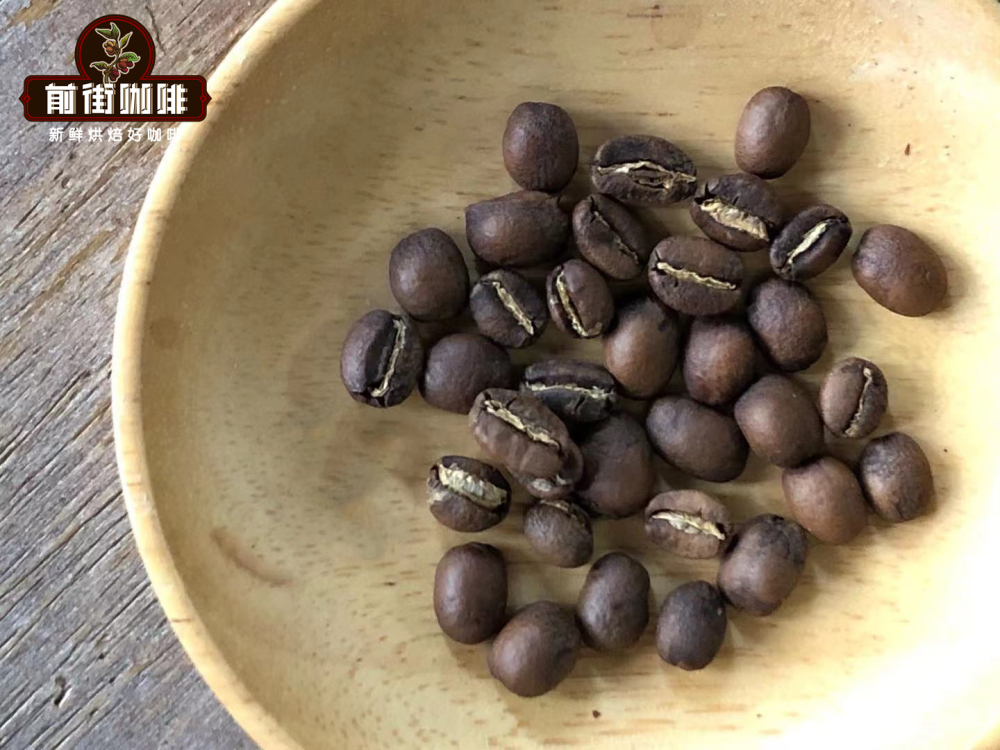 The coffee from the Asefa Washing Station in Kenya, processed using the K72 method, showcases complex layers of black plum, cherry tomato, pear, brown sugar, and plum flavors.
Geisha can be considered one of the most sought-after coffee varieties today. Originally from Ethiopia’s Bench Maji region, its unique floral and fruity potential was later discovered in Panama. Native Geisha beans vary in shape, with flavors leaning toward berries and black tea tones, while Panama’s Geisha T2722 boasts exceptional jasmine, citrus, and rose aromas, with slender and plump beans.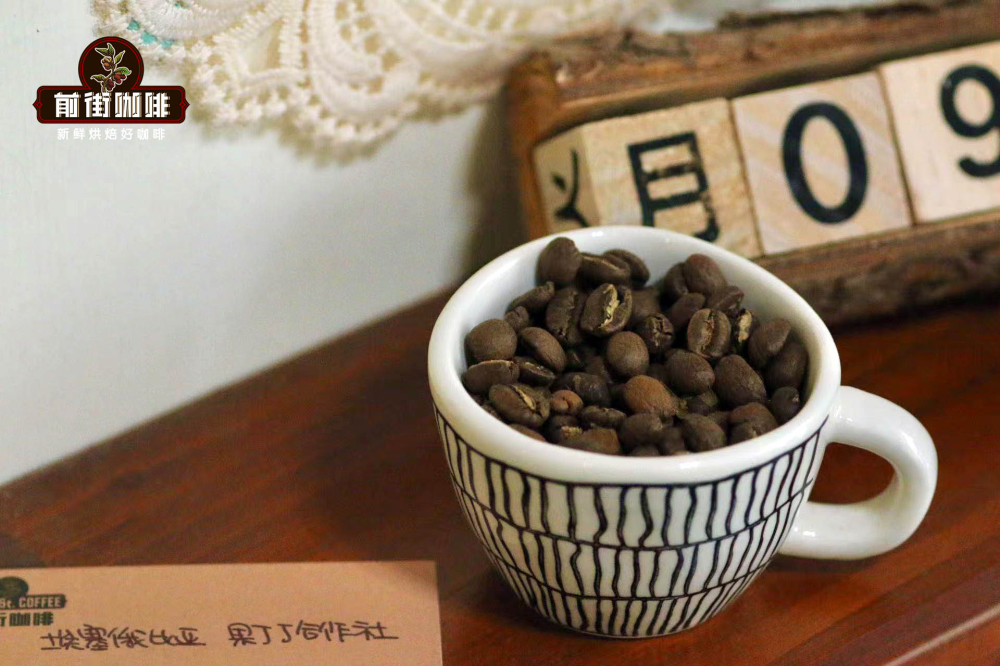 Ethiopia’s Red Label Geisha, processed naturally, presents aromas of citrus, plum, and tropical fruits, while Panama’s Emerald Estate Geisha showcases the delicate sweetness of rose tea and honey through natural processing.
Processing methods are a crucial factor influencing coffee flavor, mainly divided into natural, washed, and honey processing. The washed method removes the pulp through fermentation, resulting in a cleaner, brighter acidity. The natural method retains the entire fruit for fermentation, producing intense sweetness and fruity notes. The honey method falls between the two, preserving some or all of the pulp, imparting richer body and sweetness. For example, washed coffee often features a refreshing lemon-like acidity, while natural processing yields the sweetness of berries and tropical fruits. Honey processing enhances caramel and fermented aromas, resulting in a more intense and full-bodied flavor.
The above content is compiled by CoffeeHunters, a coffee news website.


