







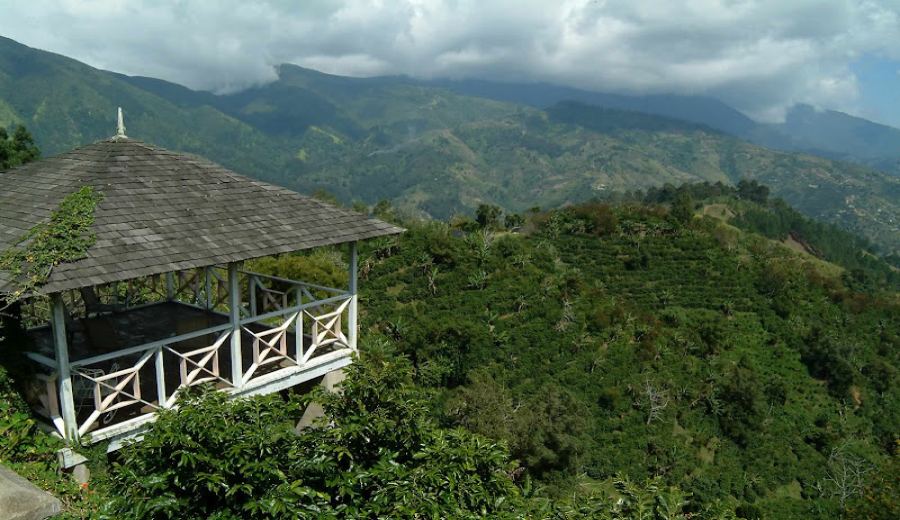
Introduction:Jamaica Blue Mountain coffee is renowned for its exceptional balance of sweetness, acidity, and bitterness, as well as its rarity, making it a highly sought-after specialty among many coffee enthusiasts. This article delves into its historical origins, growing environment, quality grading, and authenticity identification, and also provides practical brewing suggestions to help you fully grasp the essence of this world-class coffee.
With its perfect harmony of sweetness, soft acidity, and low bitterness, Jamaica Blue Mountain coffee holds a distinguished place among high-quality coffees worldwide. This coffee originates from the Blue Mountains in eastern Jamaica, benefiting from the region’s unique volcanic soil, high-altitude climate, and the year-round humid, misty environment, which together create its rich, full-bodied flavor with almost no noticeable bitterness. From the introduction of Arabica seeds in the 18th century, to the establishment of an official quality control body, and the rigorous grading system, every aspect behind Blue Mountain coffee reflects an uncompromising pursuit of excellence. This article will provide a detailed introduction to the history, regional characteristics, and grading standards of Blue Mountain coffee, along with practical purchasing and brewing advice, to give you an in-depth understanding of this legendary coffee.
Definition and Classification of Blue Mountain Coffee
So-called Blue Mountain coffee refers exclusively to coffee brewed from beans grown in the designated areas of the Blue Mountains in Jamaica. Based on quality and origin, it can be divided into two main types: ‘Jamaica Blue Mountain Coffee’ and ‘Jamaica High Mountain Coffee’, both of which show significant differences in flavor profile and price.
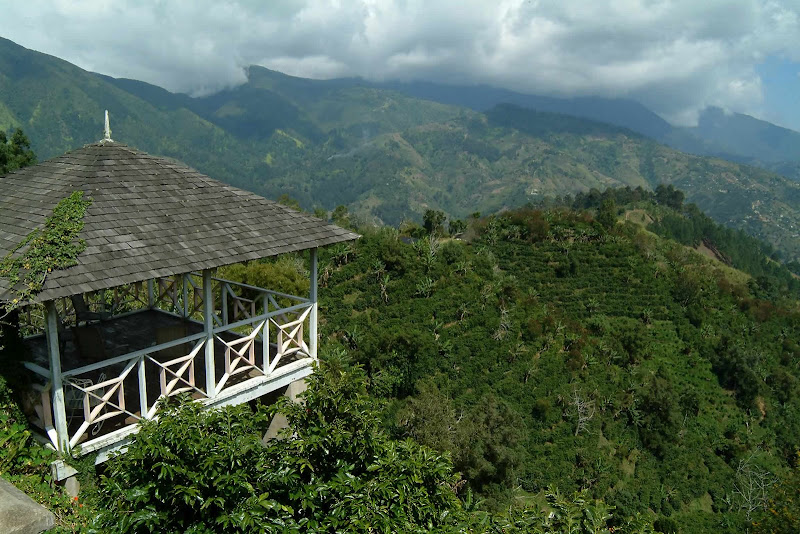
Geographical and Climatic Conditions of the Blue Mountains
The Blue Mountains are located in the eastern part of Jamaica and are famous for their spectacular mountain scenery and unique landforms. The highest peak of the mountain range reaches 2,256 meters, making it the tallest point in the entire Caribbean region and also a well-known tourist destination. Due to the area being surrounded by the Caribbean Sea, when the weather is clear, the blue light reflected off the sea surface bathes the mountains, hence the name ‘Blue Mountains’. The region boasts fertile volcanic soil and fresh air, combined with high altitude, frequent fog, and rainy climate conditions—its average annual rainfall is about 1,980 mm, and temperatures remain stable at around 27°C. These exceptional natural conditions contribute to the extraordinary flavor characteristics of Blue Mountain coffee. Not only does it have a rich aroma, but its perfect balance of sweet, sour, and bitter flavors—with almost no bitterness, soft and layered acidity—makes it the second most expensive coffee in the world, only surpassed by certain rare producing regions.
Historical Development of Blue Mountain Coffee
In the mid-18th century, Sir Nicholas Lawes, then Governor of Jamaica, introduced Arabica coffee seeds from Martinique and was the first to trial planting them in the Saint Andrew area, laying the foundation for Blue Mountain coffee cultivation. To this day, Saint Andrew remains one of the three main Blue Mountain coffee producing regions, the other two being Portland and Saint Thomas. Within just eight years, Jamaica exported over 375 tons of high-quality coffee. By 1932, coffee production peaked at more than 15,000 tons.
In 1950, to ensure coffee quality, the Jamaican government established the ‘Jamaica Coffee Industry Board (CIB)’, responsible for formulating and enforcing various standards for coffee production. This institution issues official certification seals for exported green and roasted beans, making it one of the few coffee regulatory bodies in the world with a national-level certification system. The authentic origin labels of Blue Mountain coffee cover six main entities, including the Mavis Bank Coffee Factory, the Blue Mountain Coffee Cooperative, the Portland Blue Mountain Coffee Cooperative, the Coffee Industry Board (Wallenford), the Coffee Industry Board (John Crow Peak), and Clifton Mount Estate.
In 1969, with Japanese funding and technical support, the production quality of Jamaican coffee significantly improved, and international market supply became more stable. To this day, Blue Mountain coffee has become a highly coveted specialty among coffee lovers around the globe. Starting in 1981, the Jamaican government further expanded coffee cultivation areas, opening up approximately 1,500 hectares and 6,000 hectares of land successively. However, the actual area currently used for Blue Mountain coffee cultivation is only about 6,000 hectares, so not all coffee labeled as ‘Blue Mountain’ on the market necessarily comes from this core producing region. The remaining 12,000 hectares are mainly planted with other varieties such as High Mountain Supreme Coffee and Jamaican Washed Coffee.

Rigorous Processing Procedures of Blue Mountain Coffee
The outstanding quality of Blue Mountain coffee comes not only from its natural environment but also relies on strict manual processing procedures. Since coffee trees are mostly planted on steep slopes, harvesting is difficult and is usually carried out only by experienced local female pickers, who select only fully ripe coffee cherries. The harvested beans must be depulped on the same day, followed by 12 to 18 hours of fermentation, then thoroughly washed and sorted. The beans are then dried on cement floors or thick mats until their moisture content drops to between 12% and 14%. Finally, they are stored in dedicated warehouses until needed for roasting and grinding. Every step must be precisely controlled to ensure the purity of the final flavor.
Grading System of Blue Mountain Coffee
Both Blue Mountain coffee and High Mountain coffee are graded into four levels based on quality: NO.1, NO.2, NO.3, and PB (Peaberry). According to the regulations of the Jamaica Coffee Industry Board (CIB), only coffee grown at altitudes above 666 meters qualifies to be labeled as ‘Jamaica Blue Mountain Coffee’.
In contrast, High Mountain coffee is grown at altitudes below 666 meters. Although its flavor is slightly inferior to that of Blue Mountain coffee, it is still considered high-quality and is often seen as an alternative to Blue Mountain. It is worth mentioning that planting areas above 1,800 meters in the Blue Mountains are extremely rare, with only one such estate named Amber, covering just 30 hectares and producing very limited quantities. The main producing areas of Blue Mountain coffee are concentrated in five mountainous regions: John Crow, St. John's Peak, Mossman's Peak, High Peak, and Blue Mountain Peak.
How to Avoid Buying Fake Blue Mountain Coffee?
Due to the fame and scarcity of Blue Mountain coffee, there have been many products on the market claiming to have a ‘Blue Mountain flavor’ or to be a ‘Blue Mountain blend’, which may actually contain no genuine Blue Mountain coffee beans at all. Therefore, it is recommended that consumers carefully read the packaging information when purchasing and avoid judging solely by price. Generally speaking, authentic Blue Mountain coffee roasted beans are not cheap—for example, 100 grams is about 158 yuan—and if the price is too low, it is very likely not genuine.
Brewing Suggestions for Blue Mountain Coffee
To fully experience the delicate flavors of Blue Mountain coffee, it is recommended to use the manual pour-over (hand drip) method. Although Blue Mountain coffee was traditionally exported as roasted beans, nowadays more and more consumers prefer freshly roasted green beans. If possible, it is advised to choose beans roasted within five days, and to use them within 4 to 7 days after leaving the roastery to achieve the best flavor performance. An appropriate resting period allows the coffee’s aroma and taste to reach a perfect balance.
The above content is compiled by CoffeeHunters, a coffee news website.


