








Introduction:Colombia is the world’s second-largest producer of Arabica coffee, renowned for its rich dark chocolate notes and gentle fruity acidity. This article traces Colombia’s coffee journey—from its introduction by Spanish missionaries in the early 18th century, through post-war industry restructuring, to the establishment of FNC in 1927 that propelled its global market dominance—offering insight into the industry’s evolution and the flavor secrets behind this classic brew.
Though not the largest country in South America, Colombia consistently ranks as the world’s second-largest producer of Arabica coffee beans. Dating back to the early 18th century, Spanish Jesuit missionaries arrived by ship and brought coffee seeds to Colombian soil. Historical records indicate that a missionary named José Gumilla described seeing sizable coffee plantations along the Orinoco River, which flows through Venezuela and Colombia, as early as 1730—proof that coffee had already taken root in the region by then.
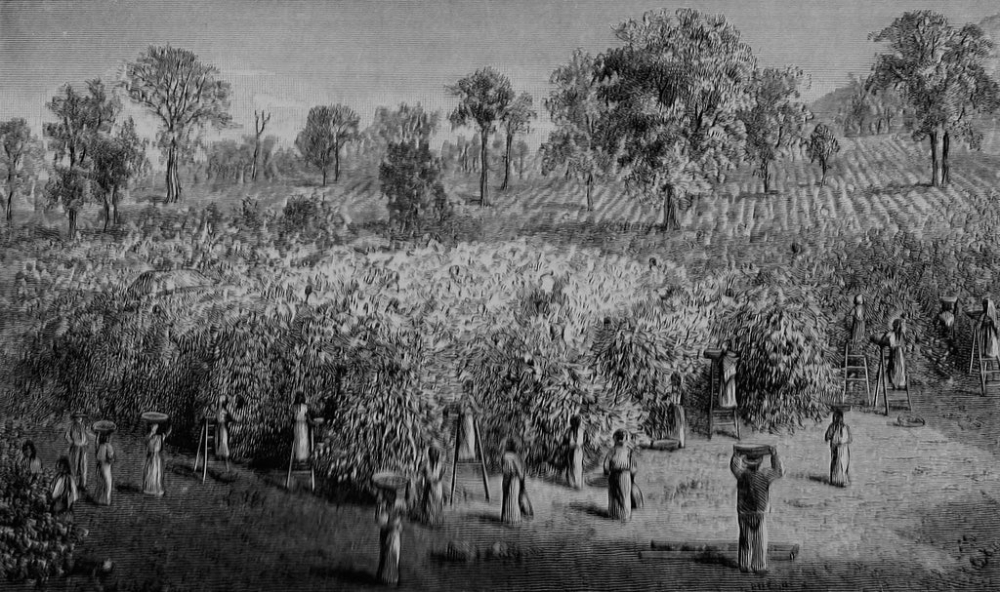
As coffee cultivation became more widespread, by the late 19th century, it had emerged as a vital source of foreign exchange for Colombia. However, the Thousand Days' War (1899–1902) plunged the nation into turmoil, causing a sharp population decline and leaving vast tracts of land abandoned. Many large coffee estates were deserted or left untended due to the conflict. To revive the coffee industry, the Colombian government reclaimed these uncultivated lands and redistributed them at minimal cost to landless farmers, while encouraging them to grow coffee alongside other crops. This laid the foundation for the smallholder-dominated coffee production model that followed.

Colombia’s coffee industry is built upon small family farms, forming a flexible and resilient production model. Although initially, Colombian coffee had limited global visibility, its consistent yield and quality gradually drew international buyers’ attention. To further enhance Colombia’s global competitiveness and protect the interests of smallholders, local coffee growers formed an initial organization in 1904 to oversee domestic market operations. By 1920, some growers advocated for a more specialized institution, leading to the official establishment of the “Colombian Federation of Coffee Growers” (FNC) in 1927. This government-backed organization became a key driver in propelling Colombian coffee onto the world stage.
The founding of FNC not only elevated Colombia’s international coffee image but also stabilized prices and safeguarded farmers’ incomes through standardized practices, market promotion, and technical support. Thanks to FNC’s efforts, Colombian coffee exports grew rapidly, soon making the country the world’s third-largest coffee exporter—and it remains one of the most esteemed coffee origins in the global market today.
The widespread popularity of Colombian coffee is inseparable from its distinctive flavor profile. Many coffee enthusiasts are particularly drawn to its classic dark chocolate notes paired with a gentle yet layered fruity acidity, creating a balanced and unforgettable taste. Among a certain brand’s staple bean offerings, washed beans from the Huila region exemplify this flavor profile. The coffee from this region, processed via the washed method, not only highlights its terroir-driven regional character but also delivers a rich, bold chocolatey tone with soft acidity—making it ideal for both everyday enjoyment and deeper exploration.
Amid the growing diversity in specialty coffee, Colombian beans also showcase a wide range of flavor potential. Beyond the traditional dark chocolate profile, some regional beans exhibit pronounced floral and fruity notes, especially when medium-roasted, yielding vibrant juiciness and delicate aromatics. For novice coffee drinkers, choosing washed Colombian beans offers a clearer taste of the region’s inherent characteristics—an excellent starting point for understanding coffee terroirs.
In summary, the development of Colombian coffee—from missionary introduction and post-war resurgence to international expansion driven by FNC—is a captivating story interwoven with history, industry growth, and flavor evolution. This legacy has shaped Colombia’s global coffee standing today and provides coffee lovers with a window into the broader world of coffee.
The above content is compiled by CoffeeHunters, a coffee news website.


