







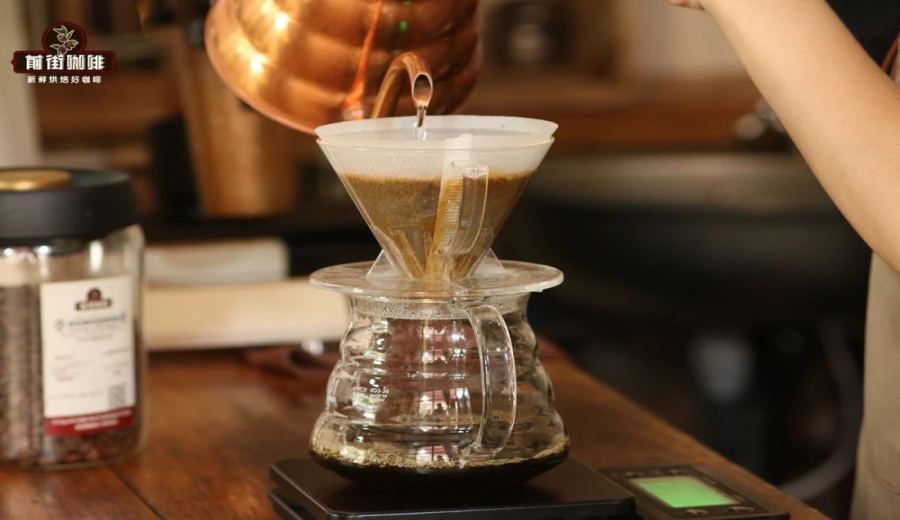
Introduction:Many beginners who are new to pour over coffee often encounter issues with subpar flavor. The key lies in mastering the right extraction parameters and pouring technique. Taking washed Yirgacheffe as an example, this article provides a detailed breakdown of universal brewing parameters suitable for beginners, and compares the differences in coffee bed changes between center pouring and circular pouring. This will help you understand how to improve coffee flavor through stable pouring techniques and avoid common brewing pitfalls.
When beginners brew coffee, pouring is often the key factor affecting flavor. Many novice enthusiasts often ask: “Why does the coffee I brew not taste good?” or “Pour over coffee is really hard!” In fact, pour over coffee is still a relatively niche area. To make it easier for beginners to get started, understanding and applying the correct brewing parameters is far more important than complex pouring techniques. It is recommended that beginners first master highly compatible basic parameters rather than chasing flashy skills—this is also why most recommended coffee brewing parameters tend to look similar. Stable and simple methods are more suitable for promotion and learning.
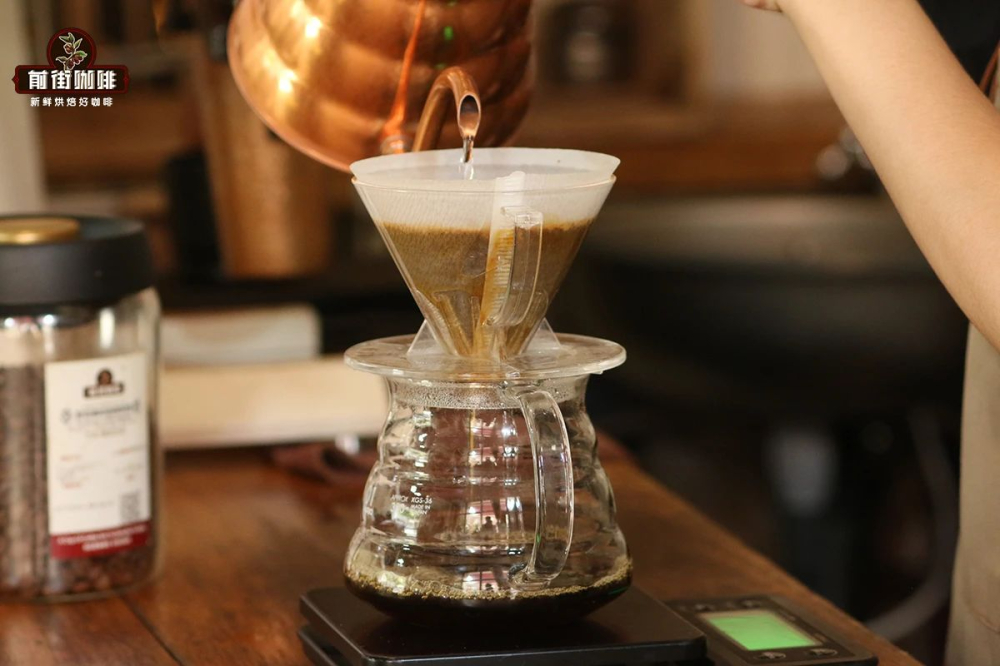
Speaking of brewing, circular pouring is the most common technique, but many baristas also use the center pouring method. What exactly is the difference between these two? We conducted a practical demonstration of both pouring modes and observed the changes in the coffee bed. From the experiment, it is evident that:Center and circular pouring can easily lead to water flow disturbance.When the water stream has even a slight angle, the direction becomes difficult to control, and it may even hit the bottom and create backflow that concentrates through a single channel, resulting in some coffee grounds not being fully extracted. Observing the coffee bed wall, center pouring often results in uneven thickness, with one side thicker than the other, while circular pouring can maintain a uniform thickness of the coffee bed wall, greatly reducing the risk of channeling.

In addition to coffee bed uniformity,another major advantage of circular pouring is that it promotes balanced flavor extraction.This principle is similar to when we stir granular beverages in daily life to mix the ingredients evenly. During the pour over process, continuously circling the water is like using the flow to “stir” the coffee bed, helping to release more aromatic compounds. However, more stirring isn’t always better—excessive agitation may cause the water layer to continue spinning after pouring stops, much like a washing machine in high spin cycle, which can extract too many bitter and astringent impurities, negatively affecting the taste. Therefore, pouring should be done steadily and gently.
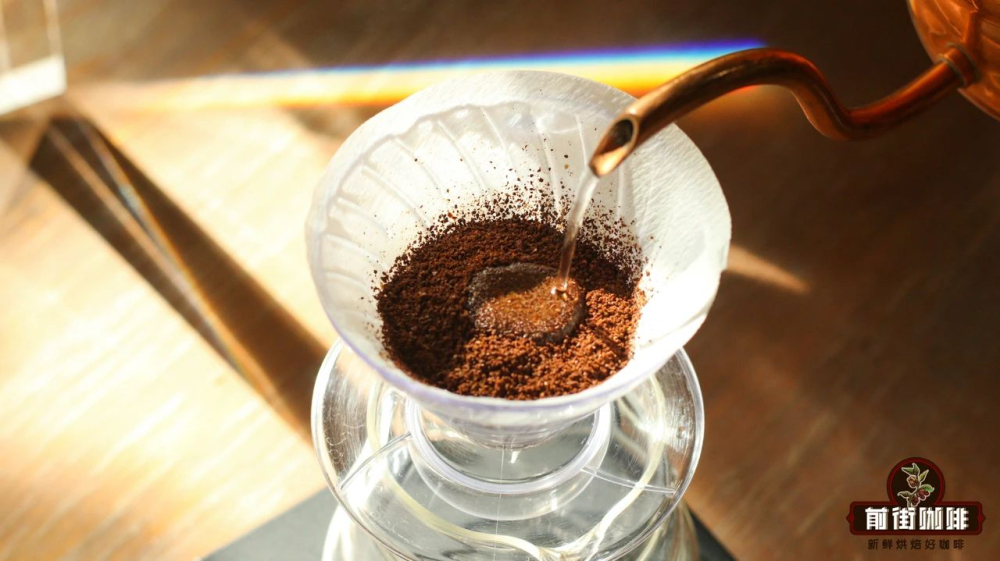
Additionally, beginners practicing circular pouring should also avoid directly hitting the filter paper with the water stream. If the flow damages the structure of the coffee bed wall, it can also create localized channels, leading to uneven extraction. It’s recommended that beginners start by practicing three key points: “slow circular motion, stable water flow, and vertical water stream,” gradually building up their feel. Furthermore, there’s much discussion about pouring height—some people prefer pouring close to the liquid surface at a low height, while others prefer to hold the stream higher. In reality,pouring from a higher position (about 2–3 cm or more) can reduce the risk of hitting the filter paper, but when the water stream exceeds 8 cm, the water temperature may drop by 0.7–1°C.This affects extraction efficiency. Therefore, a moderate height paired with a vertical water stream can better balance temperature and stability.

Finally, does the pouring direction need to be clockwise or counterclockwise? There’s actually no absolute standard. As long as you maintain the same direction throughout the pour, the flavor performance usually won’t vary much. Although there are online discussions about the relationship between the spiral ribs of the V60 filter and the direction of pouring, for beginners,maintaining a stable pouring technique, controlling the speed of the water flow, and ensuring even coverage of the coffee bed are far more practically meaningful than obsessing over the direction of rotation.Mastering these basics will allow you to more easily brew a pour over coffee with balanced flavor.
The above content is compiled by CoffeeHunters, a coffee news website.


