







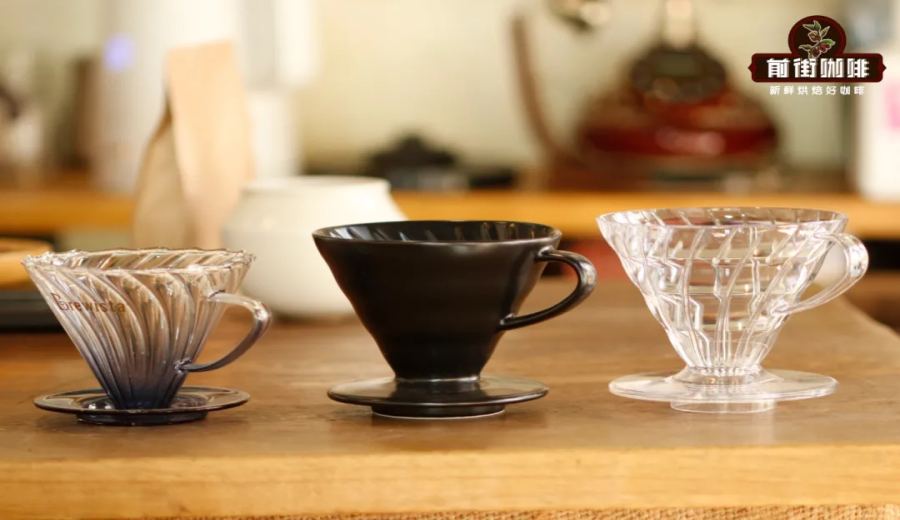
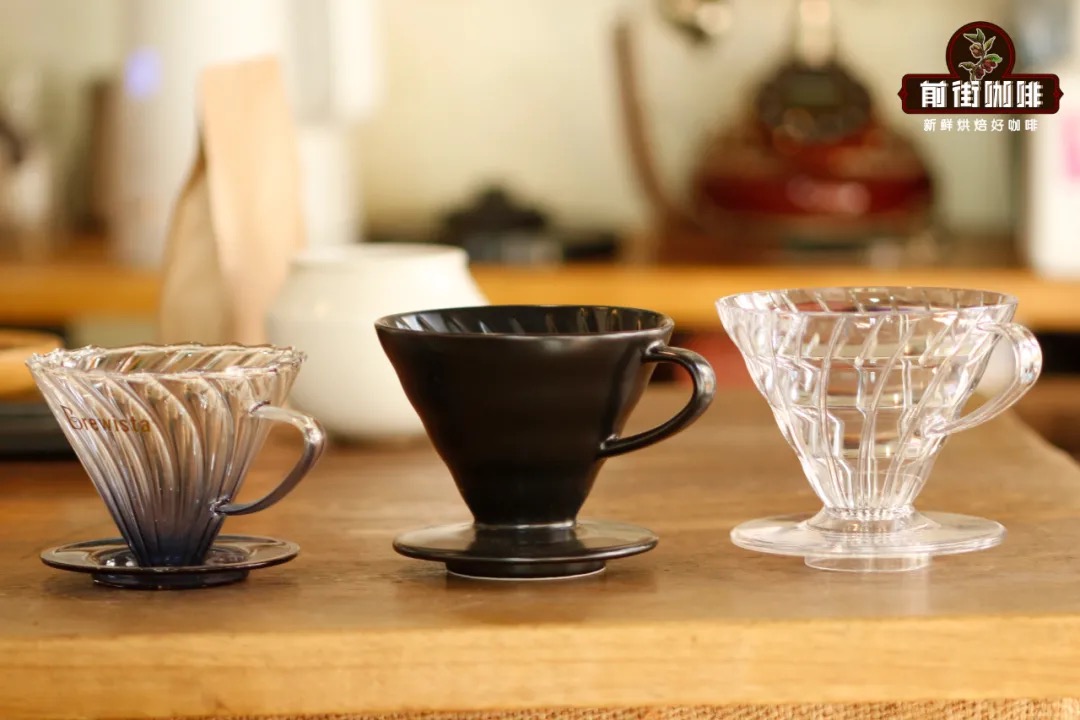
Introduction:Many beginners who are new to pour over coffee often get confused by the various materials of pour over drippers, especially the popular V60, which comes in resin, glass, and ceramic options. These materials not only vary greatly in price, but also produce different flavor profiles in the brewed coffee. Based on actual test data, this article will help you understand the differences in heat retention, flow rate, and flavor expression among different dripper materials, so you can choose the most suitable home pour over dripper based on your needs.
The choice of pour over dripper material has always been a key concern for beginners.In particular, for the V60 dripper, common materials include resin, glass, and ceramic. These three materials mainly differ in heat retention and flow characteristics, although there are also materials like aluminum and brass, which are less commonly used and thus won’t be discussed in depth here.
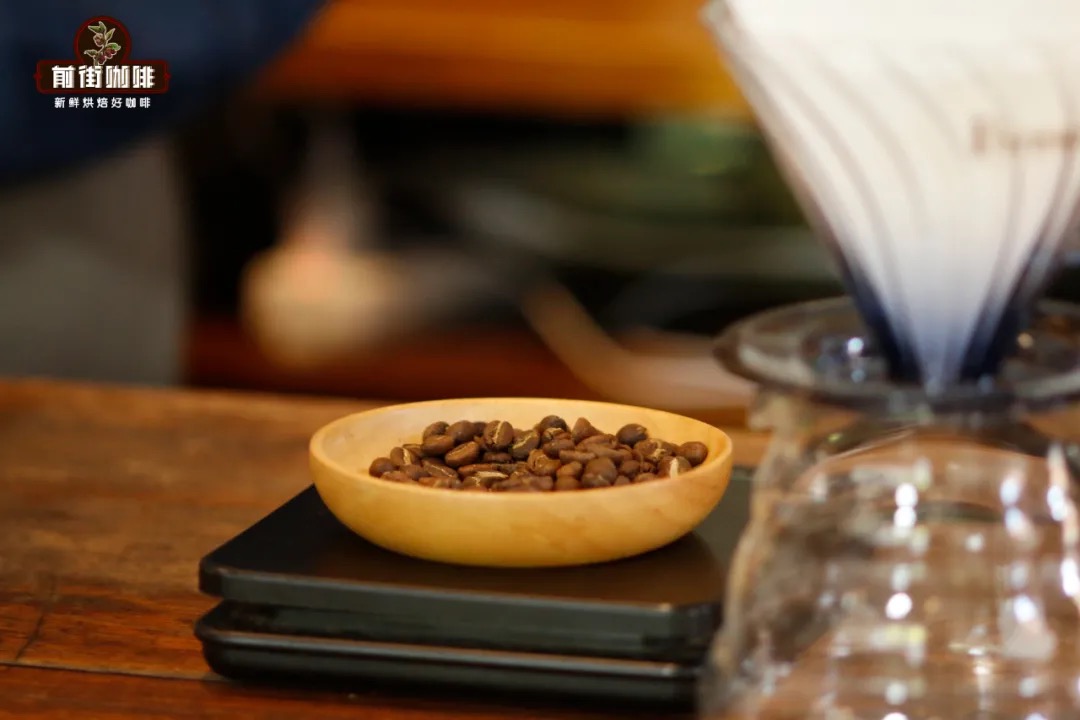
To help everyone better understand, we used Ethiopian Yirgacheffe Guji Dingding washed beans as an example, with a dose of 15 grams, water temperature of 91°C, medium-fine grind (similar to granulated sugar), a 1:15 coffee-to-water ratio, and a two-pour brewing method for a practical comparison test.
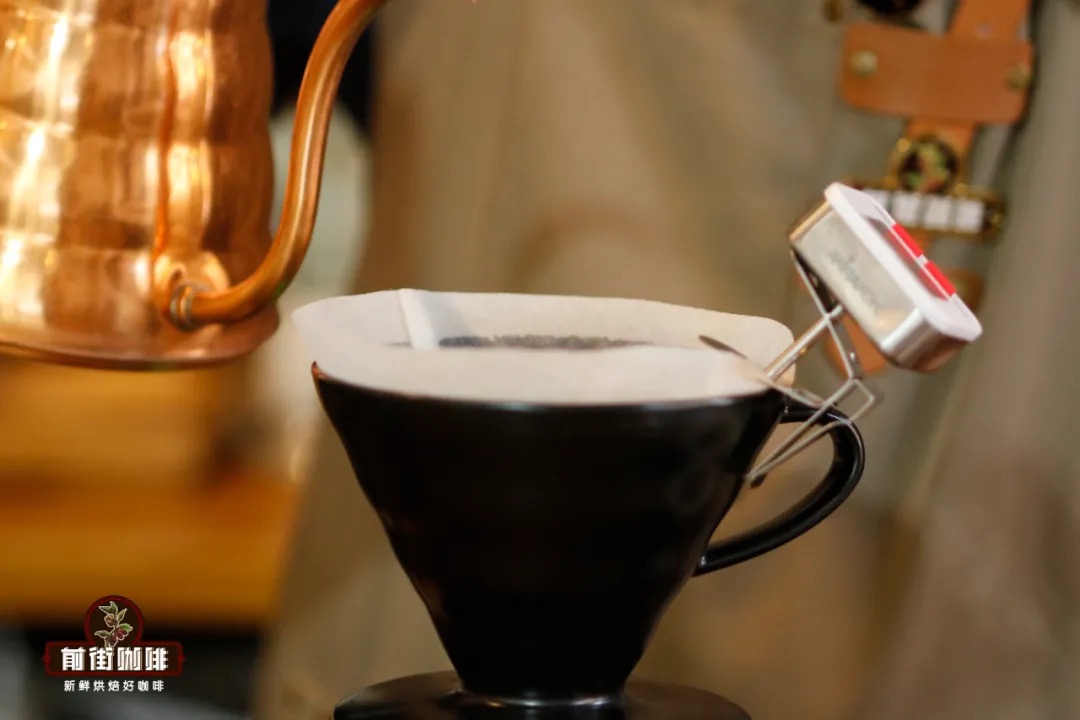
First, we observedheat retention performance,divided into “no preheating” and “fully preheated” scenarios, measuring the temperature changes of the coffee bed at stages including unwetted, blooming, pouring, and the end of extraction. Without preheating, the initial coffee bed temperature was 28.6°C for the resin dripper, 29.1°C for the glass dripper, and as high as 44.3°C for the ceramic dripper, showing that the ceramic already had a higher starting temperature even without preheating.
The data after preheating shows that the ceramic dripper maintained the most stable heat retention throughout the entire extraction process, especially maintaining a high temperature of 87.2°C at the end of extraction, outperforming the glass dripper’s 83.4°C and the resin dripper’s 83.1°C. However, because the ceramic dripper absorbs heat more slowly and is thicker, a higher brewing water temperature is needed to ensure even heating.
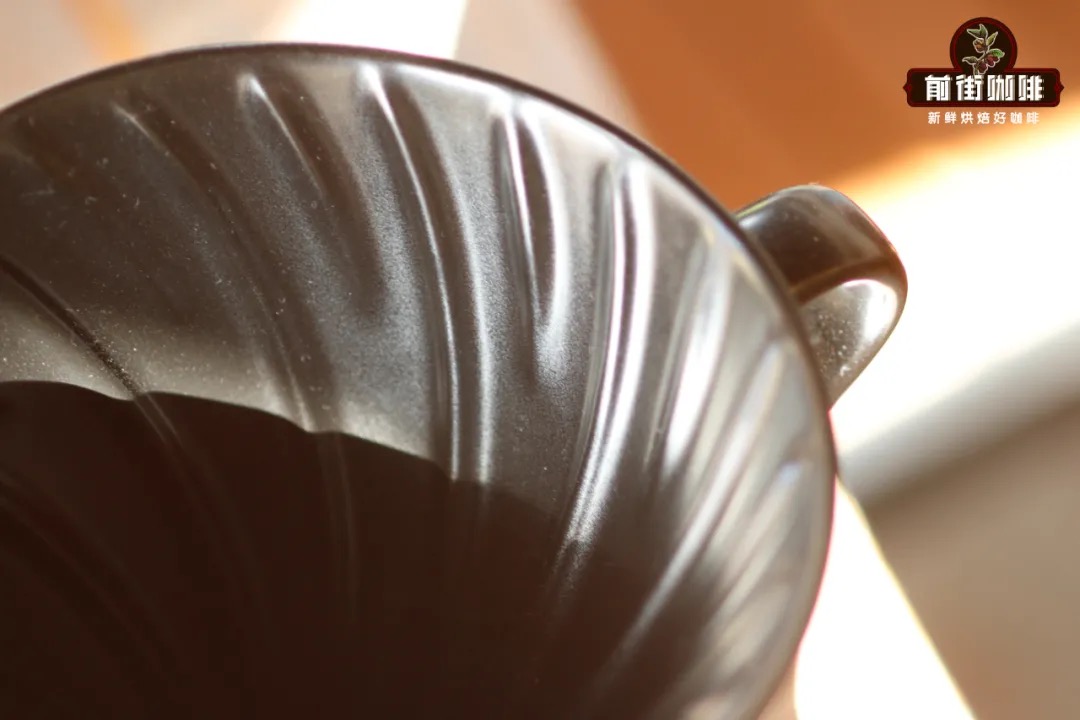
In terms of flow performance,the spiral ridge structures of the resin and glass drippers are more three-dimensional,and after wetting, the filter paper and dripper wall can form larger gaps, which helps increase water flow speed—suitable for brewing coffee beans with complex flavor layers. In contrast, the ridges of the ceramic dripper are smoother, and the filter paper fits more tightly, which may narrow the venting channels, leading to slightly slower flow and making it more suitable for users who prefer a richer mouthfeel.
In terms of actual flavor performance, coffee brewed with the resin dripper exhibited pronounced floral notes and lemon acidity, with a sweet taste akin to cane sugar, and an aftertaste reminiscent of green tea and almonds. The glass dripper highlighted jasmine aroma and a honey-like sweetness, also offering rich flavor layers. The ceramic dripper brought out white floral notes, citrus (like pomelo), and an oolong tea character, with a full-bodied flavor but a slightly grassy aftertaste.
Overall, if you are a beginner just getting started,it is recommended to prioritize a cost-effective resin dripper,which is durable and shatter-resistant, making it suitable for daily practice. If you value aesthetics and are willing to put in a bit more effort for maintenance, the glass dripper is a good option. And if you often brew dark roasts or prefer coffee beans with a fuller body, the ceramic dripper can provide better heat retention and extraction, though special attention should be paid to preheating and care to avoid breakage.
The above content is compiled by CoffeeHunters, a coffee news website.


