







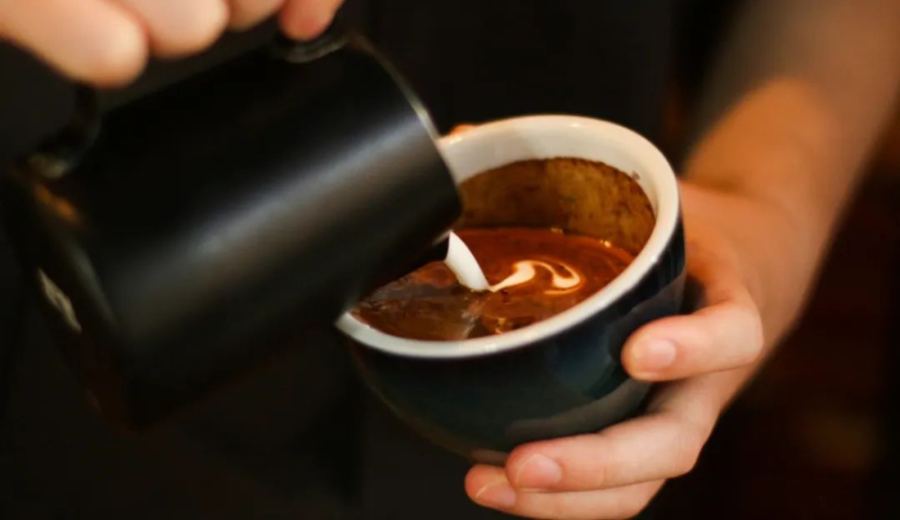
Introduction:Mocha was once a popular choice in Italian-style coffee shops, on par with lattes and cappuccinos, but it has gradually faded from the mainstream. This article explores how the name "mocha" originated from the historic trade of Yemen’s Mocha Port, how it evolved in Italy into a classic coffee with added chocolate flavor, and how it became a symbol of overly sweet dark roasts during the second wave of coffee. It also analyzes the reasons behind its decline in the era of third-wave specialty coffee and health-conscious trends, and finally provides a practical guide to making an iced mocha at home.
There was a time when walking into a café and ordering a “mocha” was a given for many customers. Alongside lattes and cappuccinos, it was a staple on Italian-style coffee menus. However, in today’s cafés that emphasize specialty and single-origin offerings, mocha has gradually lost its place—sometimes even disappearing from menus altogether—and has been replaced by newer popular drinks like Dirty Espresso and oat milk lattes.
The term “mocha” (Mocha) can be traced back to Yemen’s Mocha Port. Between the 15th and 18th centuries, Mocha Port was one of the most important hubs in global coffee trade. At the time, all coffee beans had to be shipped here before being exported to Europe, Asia, and other regions. Because the sacks used to transport coffee were often labeled with the word “MOCHA” to indicate origin, Europeans eventually began referring to beans exported from this port as “mocha coffee.”
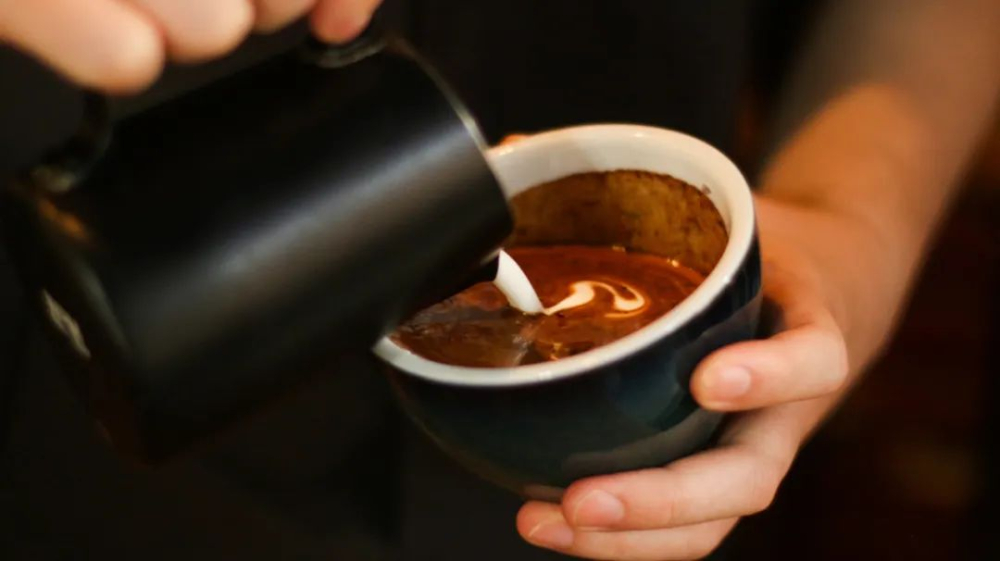
Early mocha coffee beans were known for their small, dense particles, with intense dry aromas and unique regional flavors. After being dark roasted, they not only displayed prominent acidity and elegant sweetness, but also carried a memorable hint of chocolate. This flavor became the inspiration for the later Italian-style mocha beverages.
The true Italian-style mocha coffee can be traced back to 18th-century Italy. At the time, as the Netherlands and France introduced coffee to Southeast Asia and South America respectively, Mocha Port gradually lost its monopoly. Coupled with political instability in the Ottoman Empire, the supply of mocha beans sharply declined, making them even rarer in Europe. To recreate the captivating chocolate aftertaste of mocha beans, Italians began experimenting with adding cocoa powder to coffee, creating a beverage with a chocolate flavor.
With the invention of the espresso machine in the late 19th century, along with advancements in milk and foam techniques, this blend of espresso, hot milk, and chocolate flavoring officially became part of the Italian coffee menu—what we now know as “mocha.”
The golden age of Italian mocha came during the so-called “second wave of coffee.” As chain coffee brands rapidly expanded globally, many cafés opted to use blended beans from different regions to meet the surging demand for coffee. By employing dark roasting methods, they enhanced the coffee’s body and intense roast aroma. While this approach helped reduce costs and maintain flavor consistency, it also resulted in coffee that generally had a pronounced bitterness.
To balance that intense bitterness, cafés began using large amounts of additives such as syrups, chocolate sauce, caramel sauce, and whipped cream. Traditional Italian mocha is based on espresso and hot milk, with chocolate flavoring (such as cocoa powder, chocolate syrup, or dark/milk chocolate), topped with whipped cream and drizzled with chocolate sauce. Sometimes cinnamon powder or marshmallows are added for decoration. This combination not only adds layers of texture to the drink but also successfully softens the strong taste of the coffee itself, making it hugely popular.
But entering the 21st century, with the rise of the “third wave of coffee,” specialty coffee culture began to gain prominence. Consumers started to pursue the origin flavors of coffee, details of processing methods, and the unique characteristics of single-origin beans. Unlike the past preference for dark roasts, there is now greater emphasis on medium and light roasts to highlight the fruitiness, floral notes, and acidity of coffee. Brewing methods have also diversified, including pour over and filter brewing, allowing consumers to experience the essence of coffee more directly.
At the same time, the global trend toward healthy eating has grown, with more consumers leaning toward low-sugar, low-calorie beverages. Against this backdrop, mocha coffee—which traditionally relied heavily on chocolate and cream and was relatively high in sugar—has gradually lost its appeal. The coffee’s true essence, often masked by the flavors of additives, also struggles to meet modern expectations for pure flavor.

Nevertheless, people’s fondness for the combination of chocolate and coffee has not faded. Today, the market still sees many chocolate-inspired coffee specials or the use of single-origin beans with naturally dark chocolate profiles, showcasing the charm of this classic pairing in more refined ways.
If you’re a fan of mocha but find it no longer a regular fixture on café menus, consider making a homemade iced mocha. A certain coffee brand once shared a simple and practical iced mocha recipe with easily accessible ingredients and straightforward steps: prepare two shots of espresso, an appropriate amount of chocolate syrup, 200 grams of fresh milk, and enough ice cubes.
First, choose a clear glass cup and evenly coat the inner rim of the cup with chocolate syrup to enhance both flavor and visual appeal. Then add ice cubes, pour in about half of the fresh milk, and follow with a mixture of the extracted double shot of espresso and 10 grams of chocolate syrup. Using a French press or another method, froth the remaining milk into a smooth foam, remove any large bubbles from the surface, and pour it into the cup until it’s about nine-tenths full. Finally, you can use chocolate syrup to draw patterns on top for decoration. Your richly flavored iced mocha is now complete.
The above content is compiled by CoffeeHunters, a coffee news website.


