







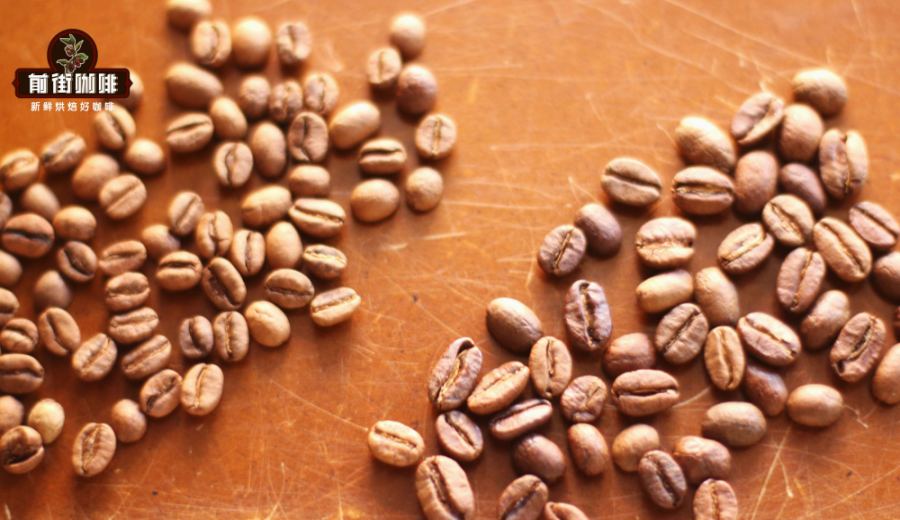
Introduction:Sidamo Huakui and Panamanian Geisha are top-notch natural-processed coffee beans from Ethiopia and Panama respectively, but they are often mistakenly thought to be of the same origin or similar grade. This article will delve into the variety origins, naming backgrounds, competition histories, as well as the specifics of grades like Emerald Red Label and Geisha Gold Label, helping you understand the true characteristics and ideal brewing methods of both beans.
Amidst the misty highlands of the Sidamo region and Panama, two highly acclaimed top-tier natural-processed coffee beans have emerged—Huakui and Geisha. These two beans are frequently compared, with some even mistakenly believing that "Huakui is just a premium version of Geisha." In fact, not only do they come from different origins, their names also stem from entirely distinct cultural contexts and historical backgrounds. From varietal origins and competition glories to the actual meanings behind various grading labels, we’ll guide you step-by-step to clarify their true differences.
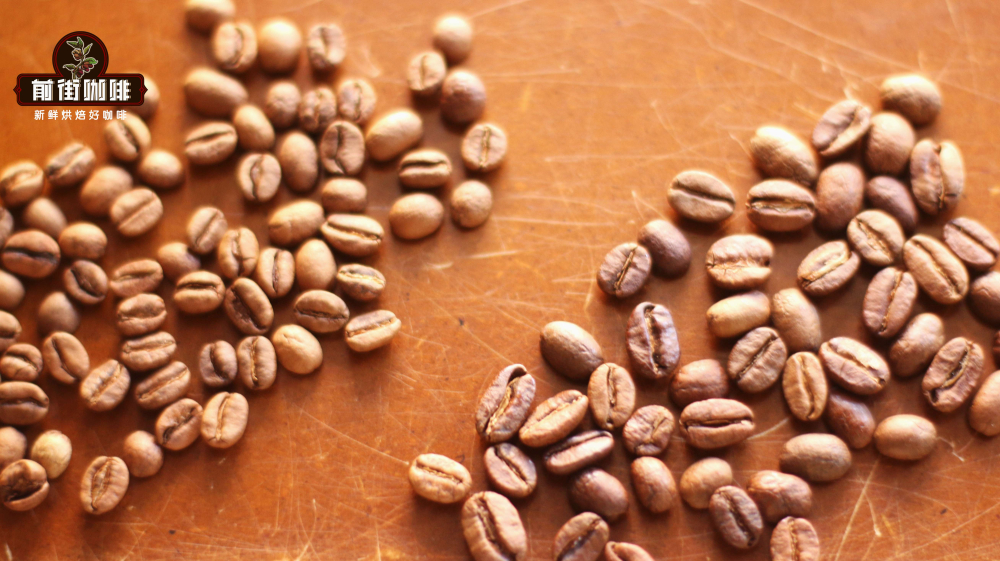
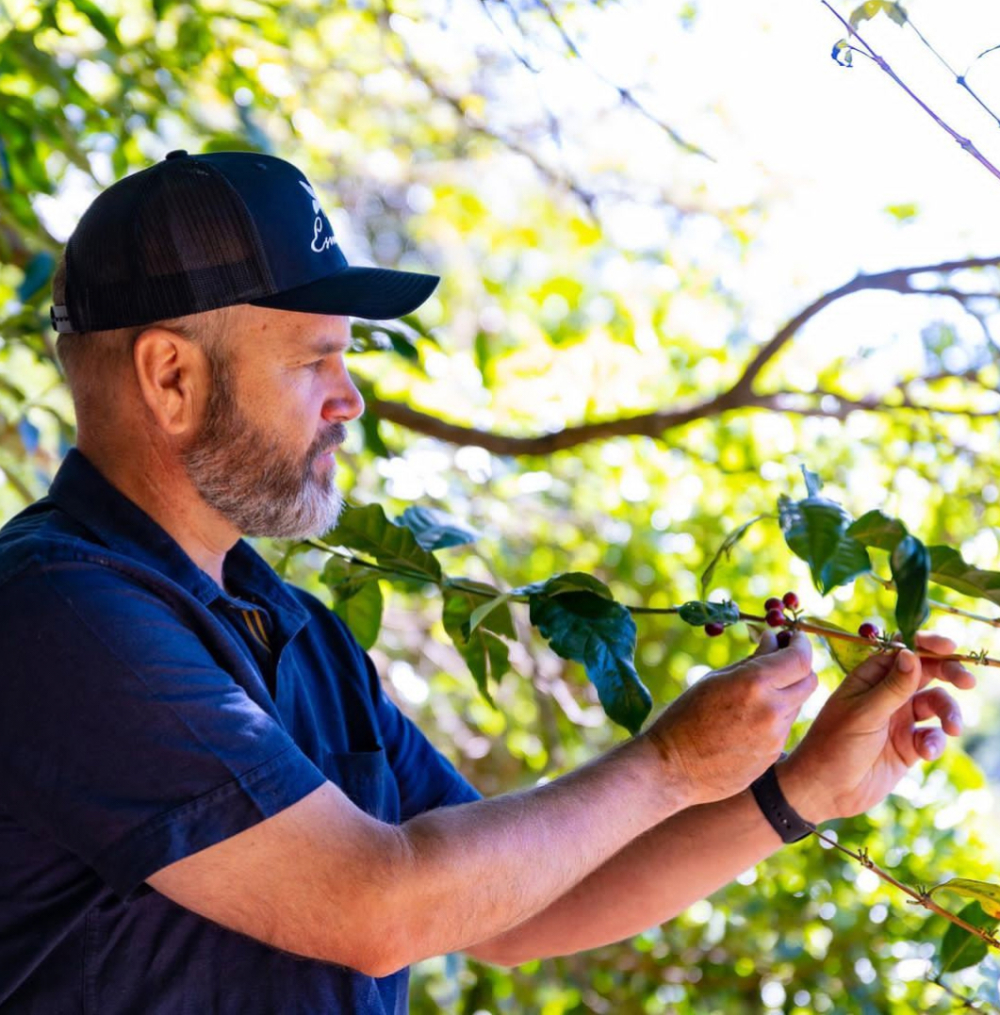
Many novice coffee enthusiasts have heard the claim: "Huakui is actually top-tier Geisha." The root of this misunderstanding is closely related to the old Chinese name for Geisha—"艺伎" (Geisha, meaning geisha or performing artist). In truth, Geisha was first discovered in 1931 in a forest called Geisha in southern Ethiopia, but it initially garnered little attention. It wasn’t until 2004, when Panama’s Hacienda Esmeralda entered the Geisha variety (imported from Costa Rica) into the Best of Panama (BOP) international competition and won first place, that this coffee truly rose to prominence and gradually became a standout among many competition beans.
Because Geisha shares the same spelling as the Japanese word for "geisha," Taiwan originally translated it as “艺伎” (geisha). Later, it was discovered that in Ethiopia, Geisha also refers to a specific region and the coffee variety produced there. As a result, in 2006, Mr. Yuan from Cafelum Coffee officially translated it as “瑰夏” (Guīxià, meaning “exquisite summer”), introducing it to the Chinese mainland market. Since then, the name Geisha has gained widespread circulation and gradually become distinguished from the old term “艺伎.”
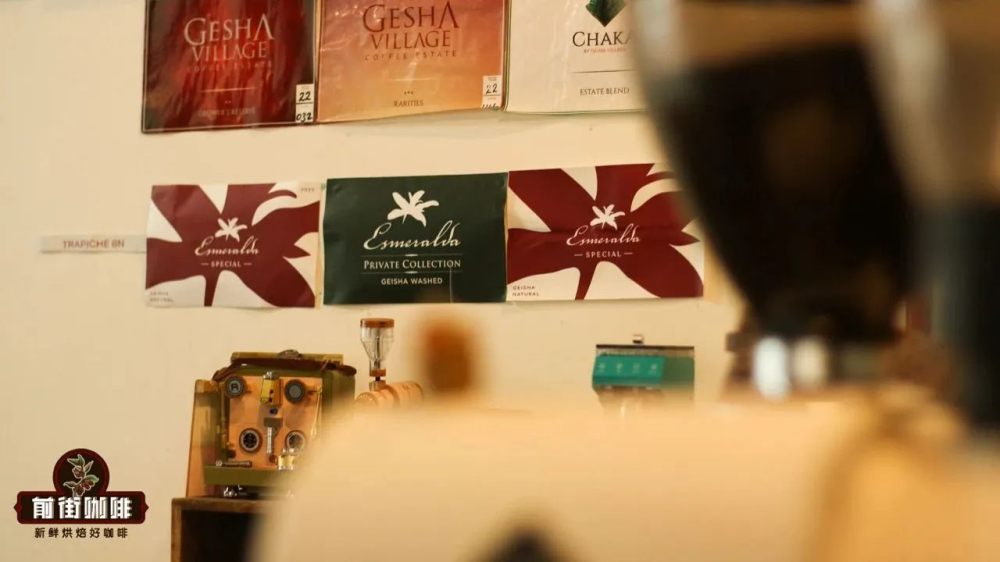
When it comes to Geisha, many coffee lovers first think of those top-tier grades marked with “labels,” such as Hacienda Esmeralda’s “Red Label Geisha” and Geisha Village’s “Gold Label Geisha.” These labels aren’t arbitrarily named—they’re used to differentiate the grade and rarity of the beans within the producing region. For example, the English name for Emerald Red Label is “Esmeralda Special,” meaning “Esmeralda Selection,” which requires a cupping score above 91 and comes with detailed information about the producing region. The “red” in Red Label comes from the background color of the packaging trademark, and similarly, Green Label and Blue Label are named according to this logic to help consumers identify them.
Geisha Village’s “Gold Label Geisha” is referred to in English as “Rarities,” meaning “rare treasures,” representing the estate’s high-end non-auction batches of Geisha, accounting for only about 10% of total production. Although these labeled Geishas are easy to understand in a Chinese context, the international market still primarily uses the original English names. Therefore, when purchasing, relying solely on color or label may cause confusion—it’s recommended to confirm the specific originating estate.
Now let’s turn to Sidamo’s Huakui—a natural-processed G1 coffee bean that shone brightly in the 2017 TOH (Taste of Harvest) competition. It came from the Buku Abel washing station in the Hambella region. That year, this bean exhibited intense aromas of strawberry, cream, mango, and other tropical fruits, with high sweetness and a silky smooth mouthfeel, ultimately winning the championship. Later, during the World Brewers Cup, China’s runner-up Li Jianfei used this bean to outperform several Geisha coffees, achieving excellent results and making Huakui an overnight market sensation.
So, what’s the story behind numbering like “Huakui 8.0”? Originally, the English name for Huakui was “Hambella,” which is the name of the producing region. The Chinese name “花魁” (Huākuí, meaning “top courtesan”) was created by domestic green bean traders after its victory for marketing purposes and to distinguish between different vintages and batches. Starting in 2018, due to multiple washing stations (such as Buku Abel, Buku Saysay, Haro Soresa, etc.) in the same region beginning production, slight variations in flavor occurred each year. To distinguish the original Huakui, traders started naming each vintage batch with an “X.0” format—for instance, 2018 became “Huakui 2.0,” 2019 had “Huakui 3.0 and 3.1,” up to the recent “Huakui 7.0,” allowing consumers to easily recognize the batch.
So why do some people mistakenly think Huakui is Geisha—or even call it “top-tier Geisha”? This actually relates to the imagery behind the name “花魁” (Huākuí). In Japanese culture, a “花魁” is the most prestigious and prominent among geisha, symbolizing the best and most eye-catching existence. Therefore, the original namers hoped this coffee would stand out like a “花魁” among many others, becoming a top-tier favorite. However, this symbolism gradually became misunderstood online, eventually evolving into the belief that “Huakui is the top-tier variety of Geisha”—a misconception.
So, how do the flavors of Huakui and Geisha actually differ? Huakui’s aroma is dominated by fruit—especially tropical fruit notes like cream strawberry, mango, jackfruit, citrus, and blueberry, giving it a strong berry character, which was key to its success in the TOH competition. Taking the new-season Huakui 8.0 as an example, its dry fragrance is even richer, featuring layers like guava, jackfruit, apricot, and citrus. Upon tasting, dried mango, orange, and passionfruit offer a sweet-tart interplay with pronounced juiciness, and the finish leaves a tea-like aftertaste reminiscent of black tea. In contrast, Geisha exhibits a more refreshing and ethereal floral-fruit profile, often described as “like a floral-fruit tea,” with bright acidity, complex aromatics, and diverse layers revealed across temperature changes—making it the “pinnacle” in the eyes of many coffee connoisseurs.
In summary, although both Huakui and Geisha are representatives of top-tier natural-processed coffee, they differ significantly in terms of origin, variety, processing method, and flavor expression. Understanding their naming origins, competition backgrounds, and grading systems can give you more direction and insight when selecting or enjoying them. Whether you prefer the rich fruity profile of Huakui or the refreshing floral elegance of Geisha, both beans are well worth savoring in detail.
The above content is compiled by CoffeeHunters, a coffee news website.


