







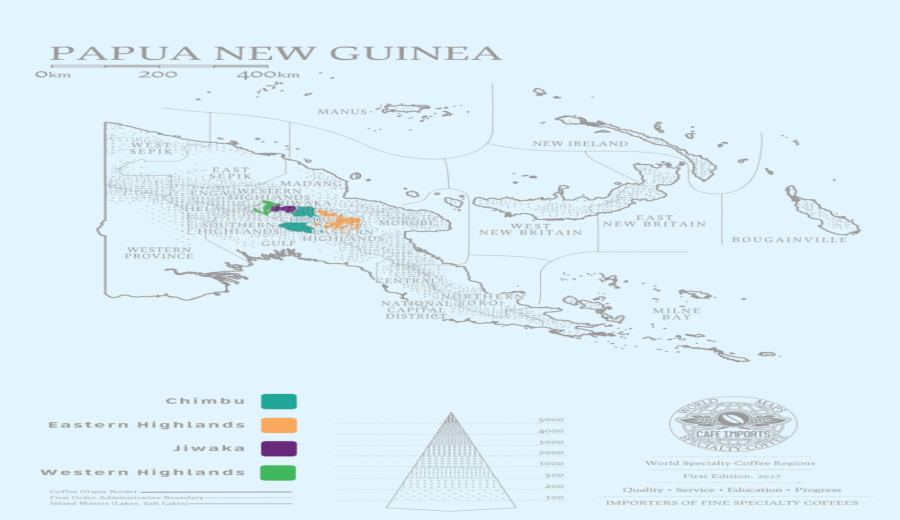
Introduction:Explore the Typica coffee grown in the high-altitude mountains of Papua New Guinea, from the washed processing method at Heaven Bird Estate to its unique flavor profile. This article provides a detailed analysis of this specialty coffee bean, often referred to as the "Little Blue Mountain." From regional geography and variety characteristics to pour over recommendations and flavor experiences, it helps coffee enthusiasts gain an in-depth understanding and master brewing techniques.
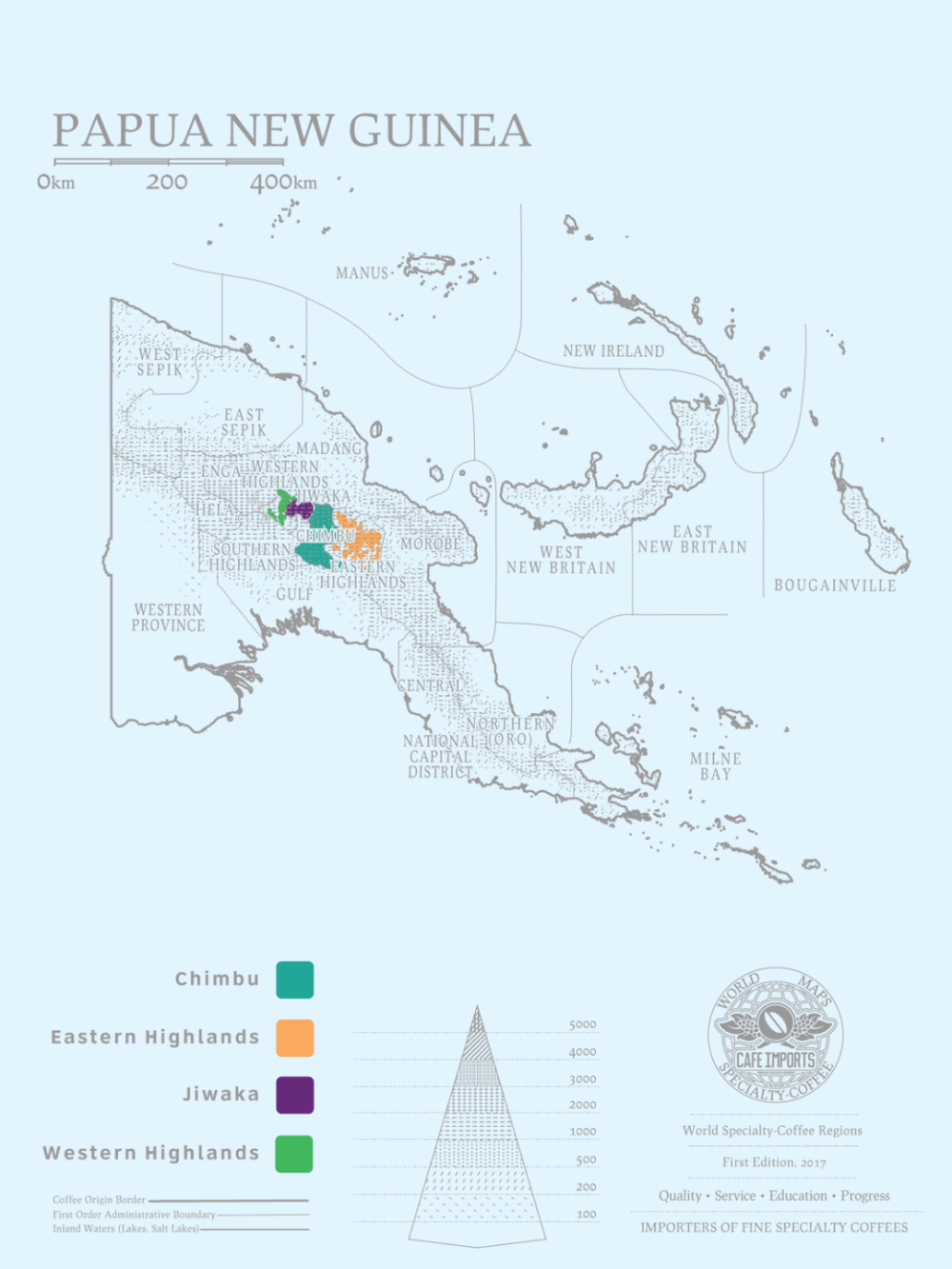
Located in the eastern half of New Guinea Island in the South Pacific, Papua New Guinea is renowned for its unique geographical environment and high-altitude mountainous regions. The area boasts vast tropical rainforests, along with gently sloping terrain between 1,300 and 1,800 meters, providing ideal growing conditions for Arabica coffee.Volcanic soil rich in minerals, coupled with a stable tropical rainforest climate, creates a coffee-growing region with exceptionally high flavor potential. As early as 1931, Typica beans were introduced to the region from Jamaica, becoming a foundational cornerstone for the subsequent development of specialty coffee.
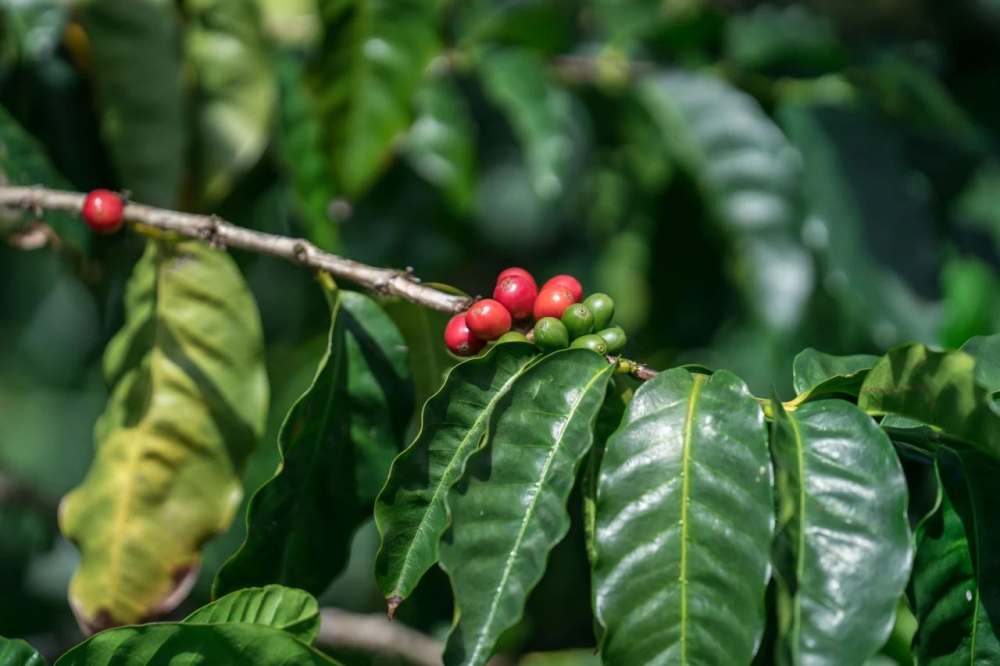
Typica (Typica), as one of the oldest Arabica varieties, has distinct botanical characteristics:Its shoot tips are bronze-red in color, commonly known as "red-tipped coffee", and the tree has an elegant conical shape, with side branches forming an angle of about 50 to 70 degrees with the main trunk. Although this variety possesses an elegant and clean flavor profile, it demands extremely high standards in terms of growing environment, harvest ripeness, and post-harvest processing. As a result, there are very few regions worldwide capable of consistently producing high-quality Typica.
Although coffee cultivation in Papua New Guinea started relatively late, geographic isolation and good management have helped preserve the purity of coffee quality. The region is mostly highland terrain,with elevations generally ranging between 1,200 and 2,500 meters, and a cool, rainy climate that is highly suitable for sensitive varieties like Typica. In particular, the Waghi Valley in the western highlands is home to many coffee estates that produce finely nuanced beans.
The "Heaven Bird Coffee Beans" in the product list come from the Heaven Bird Estate in Sigri, located in the Waghi Valley of Papua New Guinea. The area is known for its fertile volcanic soil and stable rainfall. The Heaven Bird Estate employs organic farming methods and implements strict quality control processes. These coffee beans are processed using the washed method, and their flavor profile is praised as the "Little Blue Mountain," widely appreciated for their mild acidity and balanced taste.
The processing of Heaven Bird Coffee is quite meticulous: only perfectly ripe red cherries are handpicked, and pulping and fermentation are carried out on the same day. Fermentation lasts for three days, during which the beans are washed every 24 hours, and they are also fully soaked in water for one day to enhance unique flavor layers. Afterward, they undergo thorough drying, hulling, grading, and manual sorting to ensure every bean meets specialty-grade standards.
The dry aroma of this washed Typica carries a hint of unique spicy notes, distinguishing it from typical Blue Mountain flavor profiles. Upon tasting, the first impression isa sweet foundation of nuts and toasted bread, complemented by soft fruity acidity, with a lingering finish that offers a mild spicy sweetness. The overall profile is well-balanced and layered. Its richness and clarity make it a popular entry choice for many coffee lovers exploring the Papua New Guinea region.
If you’d like to recreate a professional-grade pour over flavor at home, you can refer to the following brewing parameter suggestions based on practical experience: use a Kono dripper, with around 15 grams of coffee, a 1:15 coffee-to-water ratio, and a grind size adjusted to approximately 75% passing through a #20 sieve, with water temperature set at 89°C. This combination helps fully bring out the aromas of nuts and cocoa, while enhancing the overall body.
It is recommended to use a pulse pouring method: start with a 30-second bloom using 30 grams of water, then pour in small circles until reaching 125 grams for the first pour. After waiting for the water level to drop naturally, continue pouring up to 225 grams to complete the extraction. Remove the dripper just before the water level exposes the coffee bed, with total extraction time controlled to around 2 minutes. This process helps balance acidity, sweetness, and body, showcasing the multifaceted flavor profile of Heaven Bird Coffee.
The above content is compiled by CoffeeHunters, a coffee news website.


