







Introduction:For beginners just starting to explore the world of specialty coffee, facing the wide variety of Arabica beans with distinct flavors can often be overwhelming. This article will help readers master three key elements: how to identify the freshness of coffee beans, how to choose the right origin and processing method based on personal taste preferences, and how to select the best bean variety according to different brewing methods. With practical advice and specific references, even beginners can easily find their ideal cup of coffee.
When you first step into the world of specialty coffee and face the dazzling array of Arabica beans on the shelves, it’s easy to feel at a loss. However, by mastering a few core points, you can easily pick out high-quality beans that are both fresh and suited to your taste. This article will guide you step-by-step on how to choose the right coffee beans through three main aspects: "freshness of roast," "flavor matching," and "brewing method."
First, and most importantly:Be sure to choose freshly roasted coffee beans. The soul of a good cup of coffee largely depends on the freshness of the beans. Research indicates thatthe 4th to 30th day after roasting is the golden period for coffee flavor release, during which coffee typically exhibits the richest layers and details. Therefore, it is recommended to check the roast date on the packaging and choose products that wereroasted within 3 weeks. If the packaging does not indicate a roast date at all, it is likely the beans have been stored for too long and are not recommended.
Additionally, while many well-known brands offer products with consistent quality, beginners may also want to look for roasters who clearly indicate roast dates and have a good reputation among consumers. Some brands even manage toship their coffee within 5 days of roasting, which not only shortens the waiting time but also ensures that the beans are still at their peak flavor when they arrive.
The second key point: choosing beans doesn’t mean you have to go for the most expensive options—instead, you should select the origin and flavor profile that best suit your personal taste. Many people mistakenly believe that the more expensive the coffee beans, the better they taste. In reality, price often reflects factors such as scarcity of production, award recognition, or special grading—not an absolute measure of "tastiness." For those new to specialty coffee, it’s more important to try coffees from different origins—such as the floral notes of Ethiopia, the fruity balance of Colombia, or the earthy and spicy profiles common in Indonesian beans—to build a foundational understanding of diverse flavors.
It is especially recommended to start with various pour over single-origin beans, as single-origin beans can more faithfully showcase the unique characteristics of their origin, helping you gradually develop a sensitivity to flavors. In terms of price, many cost-effective roasting brands currently offercoffee beans roasted within one weekat relatively reasonable prices, making them perfect for budget-conscious coffee newcomers who still care about quality.
The third point, which many beginners often overlook:choose the appropriate roast level and bean type based on your brewing method. For example, when using pressure-based extraction tools like espresso machines or moka pots, the high-pressure environment tends to amplify various flavor characteristics in the coffee, so it is recommended to choosemedium to dark roast blendsto ensure balanced, rich flavors with sufficient crema.
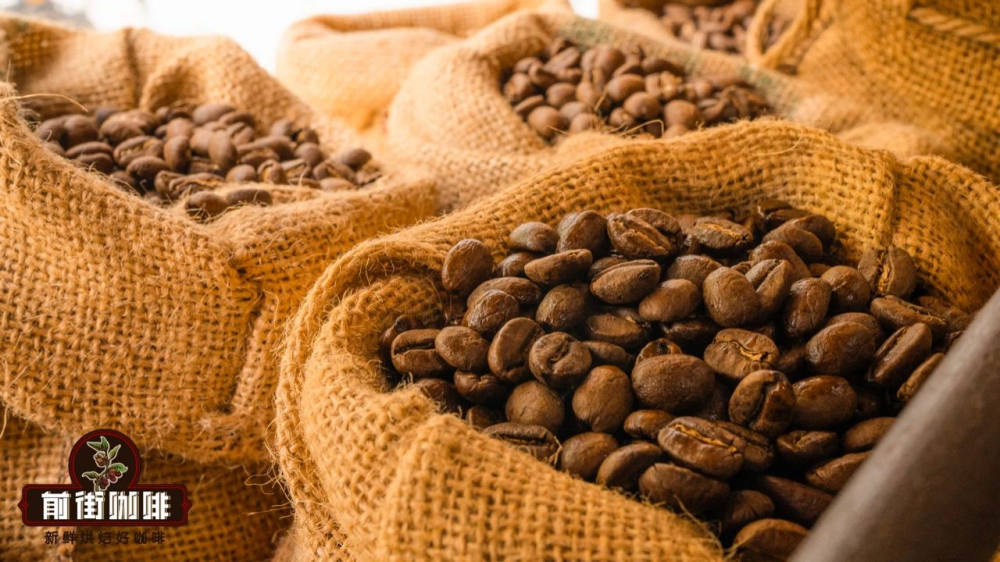
For instance, a common and stable classic blend recipe might include beans from Brazil, Indonesia, and Vietnam, offering distinct hazelnut, chocolate, caramel, and spice notes. These blends are not only suitable for making espresso but are also widely used in milk-based drinks like lattes, flat whites, and mochas. Such blends usually maintain stable texture and layers across varying milk ratios and temperatures, making them a solid choice for beginners.
If you prefer the pour over method, then single-origin beans are recommended, and you can adjust based on your own preferences. For example:
- If you enjoy fresh floral notes, you might choose a lightly roasted washed coffee like Gu Ding Ding;
- If you prefer prominent berry acidity and sweetness, sun-dried Hua Kui coffee is a commonly recommended option;
- If you’re fond of a juicy, full-bodied mouthfeel, Colombia’s Xi Zha series is worth trying;
- For those seeking overall balance and a neutral profile, PNG Paradise Bird is a good choice;
- If you absolutely cannot tolerate acidity, consider low-acid dark roast single-origin beans such as PWN Golden Mandheling.

In summary, choosing the right Arabica specialty coffee beans for yourself hinges on understanding the importance of freshness, honoring your own taste preferences, and making the appropriate choices based on your brewing method. These three key elements not only help beginners avoid common purchasing pitfalls but also allow you to gradually establish your own flavor map and brewing style as you enjoy coffee.
The above content is compiled by CoffeeHunters, a coffee news website.


