








Introduction:Kenyan coffee is renowned for its bright acidity and rich berry flavors, making it highly sought after by specialty coffee enthusiasts around the world. This article takes you deep into the history of Kenyan coffee, explores the unique characteristics of its six major producing regions, examines how altitude and variety influence flavor, and provides a detailed breakdown of the unique K72 washed processing method. It also offers practical pour over parameters and tasting notes to help you fully appreciate the charm of Kenyan coffee.
Kenyan coffee is famous for its vibrant acidity and bold berry flavors, especially that lively taste reminiscent of small tomatoes, which leaves a lasting impression. Its distinctive flavor profile stems from rigorous cultivation management, specific washed processing techniques, and its exceptional geographical environment. This article begins with a look at the origins of production, takes you on a tour of Kenya’s six major coffee-growing regions, analyzes the flavor characteristics and growing conditions of each area, and dives into the steps and principles of the K72 washed process. Finally, it shares hands-on pour over parameters and tasting experiences to help you fully grasp the essence of Kenyan coffee.

When Kenyan coffee first touches the palate, its acidity is bright and full-bodied. This acidity is not only sharp but also layered, and uniquely, it pairs with a rich berry juice sensation, filling the mouth like tomato juice—quite different from the clean, refreshing yet sometimes thin profiles of Ethiopian beans. Having cupped many lots from various Kenyan regions, I found that this acidity is not only the soul of the coffee, but also a key indicator of quality. The acidity in Kenyan coffee is bright yet not harsh, complemented by intense fruit aromas and a long, complex finish, all of which contribute to its unique status in the specialty coffee world.
Though Kenya’s coffee-growing history is not as long as that of its neighbor Ethiopia, its development has been rapid and its systems well-established. In the early 20th century, when the region was still a British colony, the colonial government promoted coffee cultivation vigorously to increase foreign exchange earnings. In 1922, the Scott Agricultural Laboratories (Scott Labs) were established, where the now-famous SL28 and SL34 varieties were later developed. These two varieties thrive at high altitudes and have strong disease resistance, and they still account for 90% of Kenya’s coffee acreage today. Starting in 1931, Kenya successively established a growers’ cooperative union and a national coffee board. In 1937, an auction system was launched at the Nairobi Coffee Exchange, and in 1938, quality grading standards—AA, AB, PB—that are still used today—were established, laying a solid foundation for the quality assurance of Kenyan coffee.
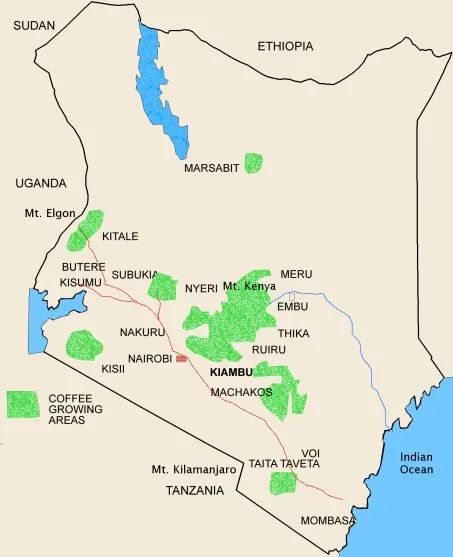
Kenyan coffee is mostly grown in the highland areas surrounding the capital, Nairobi. The soil here is acidic volcanic red soil, loose and fertile, coupled with abundant sunshine and good drainage, making it ideal for coffee cultivation. Altitudes generally range between 1,400 and 2,000 meters; the higher the elevation, the greater the diurnal temperature variation, resulting in slower fruit maturation, denser beans, and more concentrated, complex flavors. Coffee trees typically flower 3 to 4 months after the rainy season, i.e., between March and April, and the fruits mature between May and July. Some regions even see a second harvest between September and October, creating two annual harvest seasons.
Kenya’s coffee-producing regions are mainly concentrated in six areas: Thika, Kirinyaga, Mt. Kenya West, Nyeri, Kiambu, and Muranga. Coffee in these regions is typically harvested between October and December (main season) and June and August (off-season). Due to differences in microclimates and altitudes, each area presents unique flavor profiles.
Although Thika is an industrial town, it is surrounded by farmland, and its coffee-growing history dates back to the late 19th century. The main varieties are SL28 and SL34, with small amounts of Bourbon, Kent, Typica, and Ruiru 11. The region sits at an altitude of 1,550–1,750 meters and produces coffee with bright flavors, rich berry notes, and honey-like sweetness. Kirinyaga is located on the slopes of Mount Kenya, adjacent to Nyeri, and is dominated by cooperatives formed by smallholder farmers who improve quality through shared washing stations. Its coffee features bright, layered acidity, a solid body, and delicate sweetness, at altitudes ranging from 1,300 to 1,900 meters, with varieties including SL28, SL34, Ruiru 11, and Batian.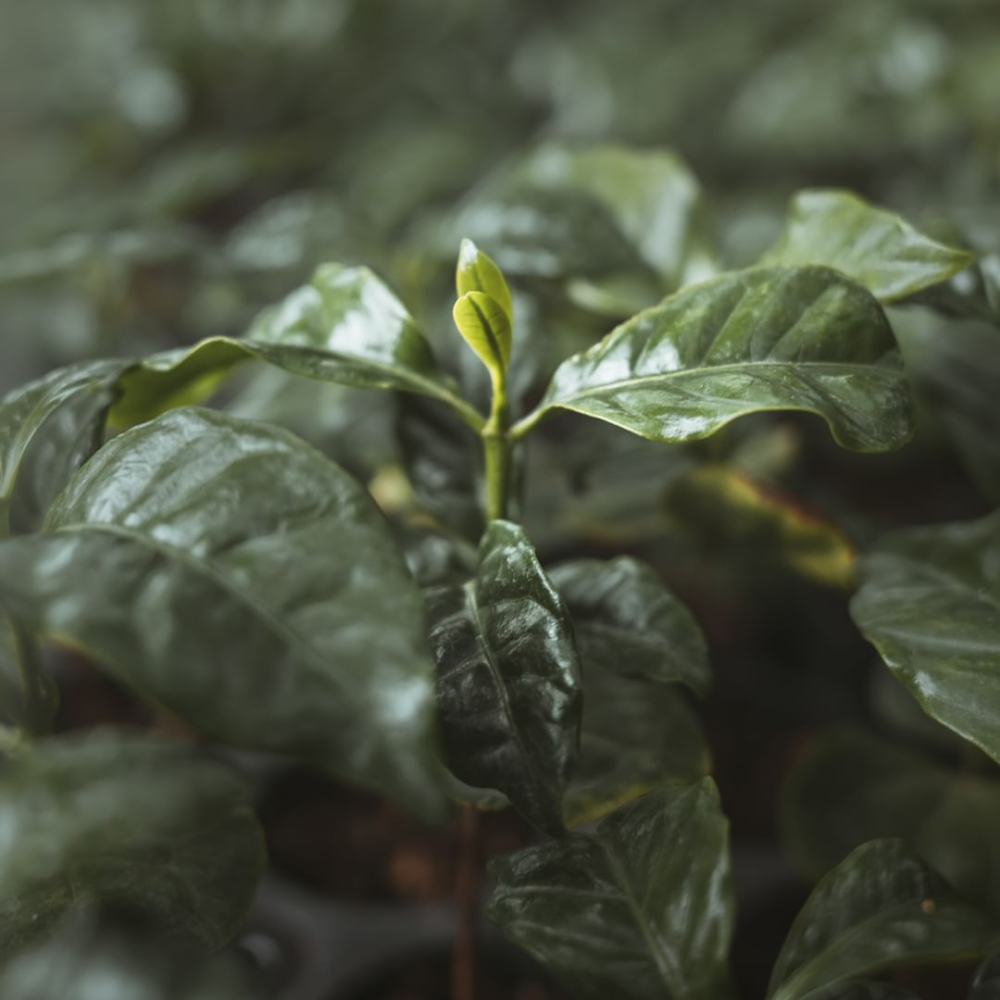
The western side of Mount Kenya includes the areas of Kisii and the Elgon foothills, where production is mainly from small cooperatives. The flavor profile here differs significantly from the central regions, offering softer acidity and roasted nutty notes, making it suitable for consumers who prefer lower-acidity coffee. Nyeri is one of the representative coffee-growing regions in Kenya, nestled at the foot of Mount Kenya with fertile red soil. Coffee here is cultivated mainly by cooperatives, with particularly high-quality lots during the main season. The flavor is characterized by intense berry juice, complemented by citrus and floral notes, at altitudes between 1,200 and 2,300 meters. Kiambu and Muranga showcase the diversity of Kenyan coffee through their high-altitude challenges and volcanic soil advantages, respectively. The former faces challenges like leaf rust in some high-altitude areas, while the latter is noted for its bold juice texture and clear acidity.
The trade of Kenyan coffee is primarily conducted through the Nairobi Coffee Exchange, which holds auctions every Tuesday. Traders can cup sample lots before bidding. This system is considered the prototype of the COE competition, known for its transparency and openness, and encourages farmers to enhance quality. However, the auction system also has issues such as too many intermediaries, limited returns for farmers, and lack of transparency in origin information. In recent years, the Kenyan government has gradually relaxed restrictions on direct trade, allowing certified agents to directly export specialty coffee, enabling producers to receive more reasonable returns.
Kenya’s coffee bean grading system has traditionally been based on bean size, with AA being the largest (17–18 mesh), AB slightly smaller (15–16 mesh), and PB referring to peaberry beans. While many assume AA is always better than AB, flavor differences actually depend more on origin, altitude, and processing methods. Notably, Kenya also employs the K72 washed processing method—a technique involving three 24-hour fermentation cycles totaling 72 hours—which fully develops the coffee’s sweetness and clean acidity, and is key to the distinctiveness of Kenyan coffee flavors.
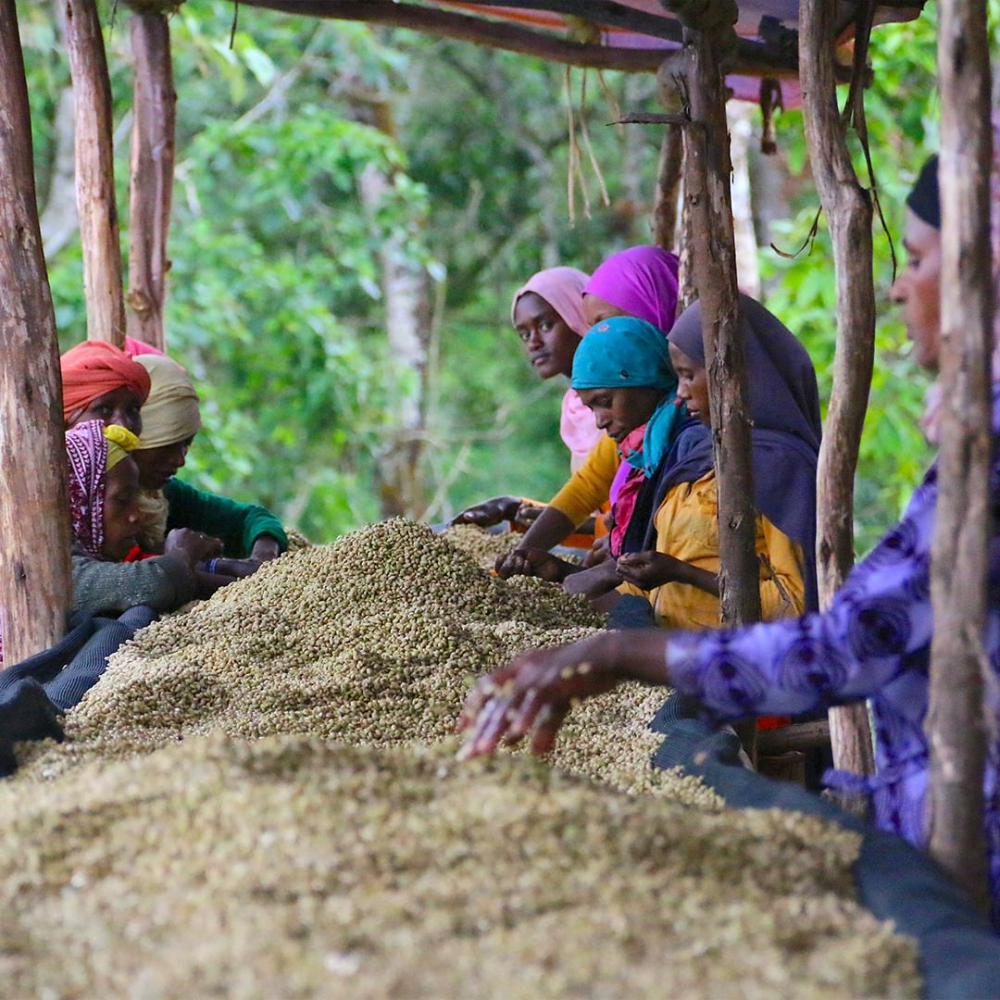
The steps of the K72 washed process include: on the day of harvest, density-sorted ripe cherries are selected using water flotation, then depulped and undergo the first 24-hour fermentation to remove most of the mucilage. This is followed by a second fermentation and wash to further refine flavors and remove residual mucilage, after which the beans are dried on raised beds. This method, through prolonged low-temperature fermentation, imparts brighter, fuller flavors to the coffee, with clear acidity, rich sweetness, and a long-lasting finish.
For pour over brewing, it is recommended to use a V60 dripper, with a coffee-to-water ratio of 1:15, 15 grams of coffee, and a total brew water volume of 225 milliliters. Water temperature should be controlled at 91°C, with grind size close to superfine sugar (EK43s setting 10, about 80% passing through a #20 sieve). The first step is to pour 30 grams of water for a 30-second bloom, followed by pouring 95 grams of water. When the water level drops to two-thirds of the coffee bed, add another 100 grams. The total brew time is approximately 2 minutes. These parameters highlight the acidic profile and juiciness of Kenyan coffee. The cup opens with bright acidity alongside flavors of black plum, cherry tomato, and brown sugar, followed by a full-bodied sweetness in the mid-palate, and a finish that carries berry notes and green tea undertones. It’s a high-quality pour over choice worthy of careful savoring.
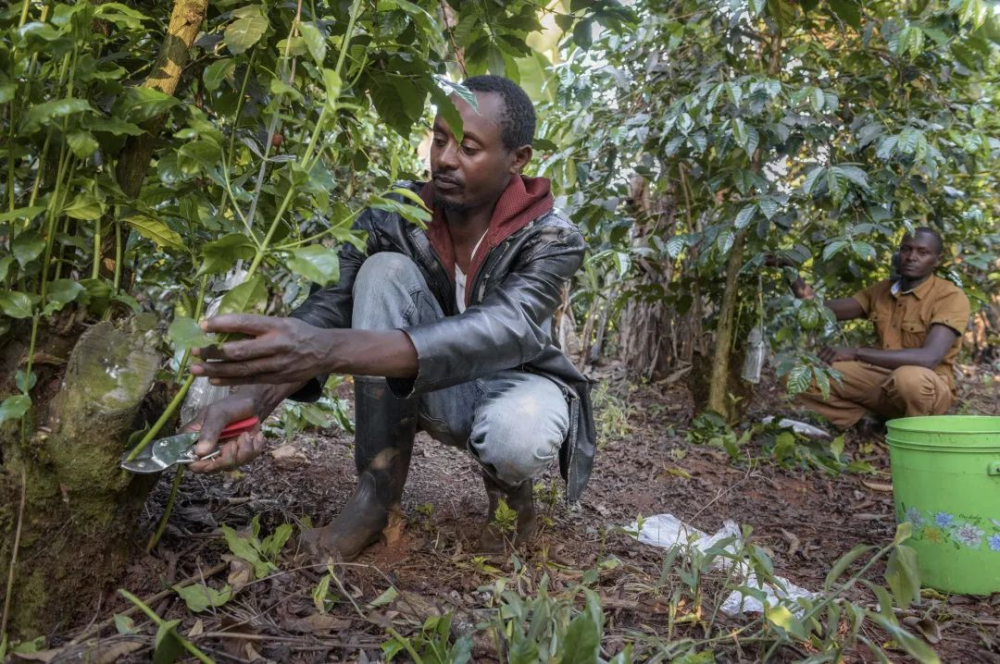
The above content is compiled by CoffeeHunters, a coffee news website.


