







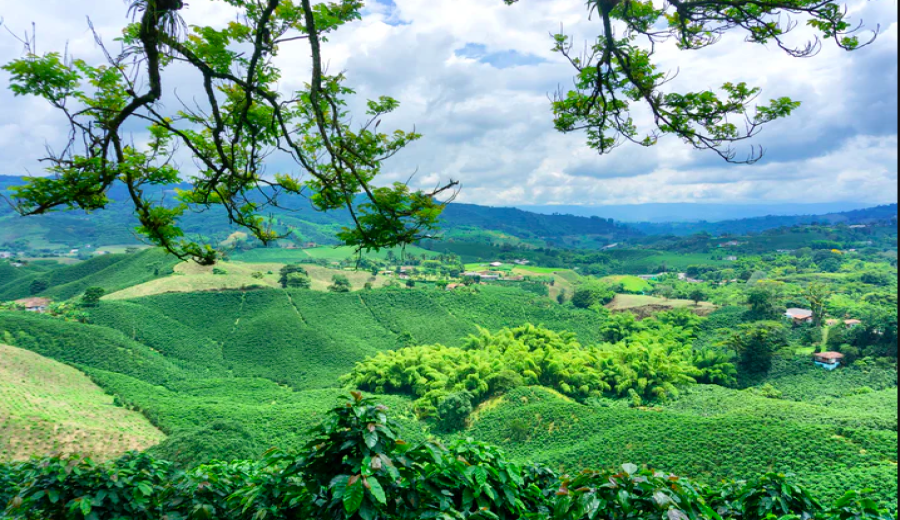
Introduction:Colombia is the world’s third-largest coffee-producing country and an important exporter of high-quality washed Arabica beans, with up to 40% classified as premium-grade. This article begins with the historical background of Colombian coffee, explores the key steps in the washed processing method, examines the flavor profiles from different regions and processing methods, and provides practical pour over brewing parameter recommendations to help you gain a deeper understanding of this beloved coffee origin.
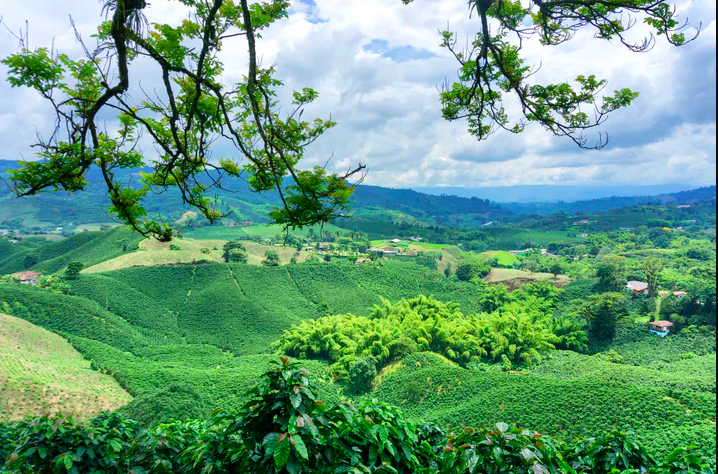
Colombia is not only the world’s third-largest coffee producer but also one of the largest exporters of washed Arabica coffee globally, with up to 40% of its exported beans falling into the specialty grade category, making it highly favored by coffee enthusiasts around the world. From the early planting trials in the early 19th century to today’s innovative application of diverse processing methods, the development of Colombian coffee has been truly remarkable. In this article, we will comprehensively analyze all aspects of Colombian coffee—from its historical background, processing techniques, regional characteristics, to practical pour over brewing parameters.
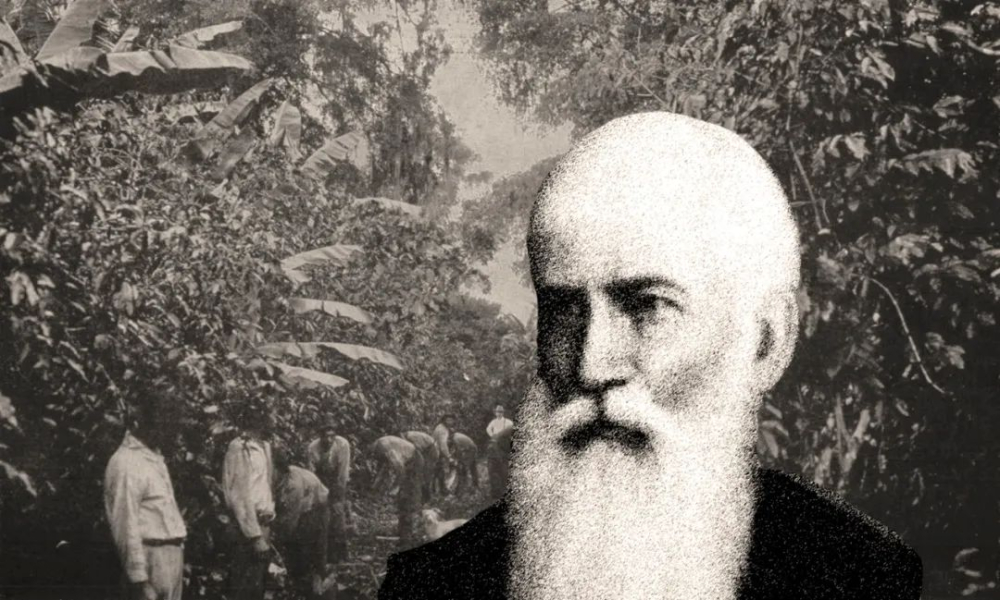
The history of Colombian coffee dates back to the 19th century. It is recorded that Don Mariano Ospina Rodriguez was one of the earliest pioneers to introduce and promote coffee cultivation in Colombia. In 1835, he established the first experimental coffee plantation in Fredonia, Antioquia, and actively shared planting techniques with local farmers. In 1879, the Colombian government enacted the Coffee Act, officially boosting the development of the coffee industry. In 1880, he further authored the country’s first book on coffee cultivation, Coffee Cultivation: Basic Concepts for All Farmers, which had a profound impact on future generations. As planting techniques became more widespread and market demand increased, Colombian coffee gradually gained a foothold in the international market. By 1893, the price of Colombian coffee on the New York market had risen to 18.8 cents per pound.
Entering the 1920s and 1930s, the Colombian government introduced a series of land reform policies to support smallholder coffee farmers, laying a solid foundation for the industry. In 1927, the National Federation of Coffee Growers (FNC) was established in Medellín. This organization, which spans 22 provinces, 590 municipalities, and serves over 560,000 coffee farming families, played a pivotal role in the global success of Colombian coffee. Thanks to the efforts of the FNC, Colombian coffee has not only become a vital pillar of the national economy but also earned the trust of international consumers.

Among the many Colombian coffee-growing regions, Huila is renowned for its washed coffee beans. The washed method effectively removes the skin, pulp, and mucilage, minimizing interference from unnecessary sugars and more purely showcasing the terroir characteristics of the region. Typically, Huila washed beans exhibit prominent dark chocolate notes, bright citrus acidity, and soft caramel sweetness. Roasters usually apply a medium-dark roast to these beans to enhance their rich body and aromatic profile. During cupping, the boldness of dark chocolate, the vibrancy of citrus acidity, and the layered sweetness of caramel are its hallmark flavor traits.
The so-called washed processing method is a precise and hygienic procedure. It starts with sorting, where freshly harvested coffee cherries are placed in water tanks—the unripe or defective beans, being less dense, float to the surface while mature, plump ones sink. The floating beans are then removed. Next, a depulper is used to remove the outer skin and pulp, though the coffee beans still retain a sticky layer of mucilage. These mucilage-covered beans then enter fermentation tanks, where microbial action breaks down the mucilage over a fermentation period typically ranging between 16 to 36 hours. After fermentation, the remaining mucilage is thoroughly washed away with large amounts of clean water. Finally, the clean beans are spread out to dry under the sun or using mechanical dryers until their moisture content drops to a level suitable for storage and transportation.
Colombia’s ability to maintain its status as a leading global exporter of specialty washed coffee is not only due to its large-scale production system but also owes much to the dedication to quality by numerous small and medium-sized independent farms. Compared to countries like Brazil, which primarily rely on large-scale mechanized operations, the smallholder model in Colombia facilitates more meticulous cultivation and better control over flavor. Additionally, in recent years, Colombia has actively experimented with special processing methods such as anaerobic fermentation and wine barrel aging, continuously expanding the boundaries of coffee flavors. For example, anaerobic natural processing can retain the clarity of the washed method’s structure while introducing bolder fruit tones, giving the coffee more layers and complexity.
It’s worth mentioning that even within the same region or even the same farm, different processing methods can lead to vastly different flavor profiles. Take Colombia’s Finca La Línea as an example—its Sidra and Maragogype beans, processed using anaerobic natural methods, display distinctly unique personalities. Sidra often exhibits intense floral and fruity aromas in cupping, followed by a wine-like richness and complex layers upon tasting. In contrast, Maragogype showcases a more abundant berry character, bursting with juicy freshness, and delivers a more direct and passionate flavor.
If you plan to brew Colombian coffee at home using a pour over method, here is a set of practical parameter suggestions: use 15 grams of coffee, set the coffee-to-water ratio at 1:15, control the water temperature at around 91°C, and grind the beans to a medium-fine consistency (approximately 80% passing through a #20 sieve). For brewing, you can adopt the classic three-pour method: start with a 30 ml bloom pour and let it sit for 30 seconds to activate the coffee’s aroma; then pour 120 ml in small circular motions, wait until the water level drops to about half, and follow with another 90 ml using the same technique. Keep the total extraction time around 2 minutes. These parameters help balance the acidity, sweetness, and bitterness, while fully highlighting the layers and nuances of Colombian coffee.
The above content is compiled by CoffeeHunters, a coffee news website.


