







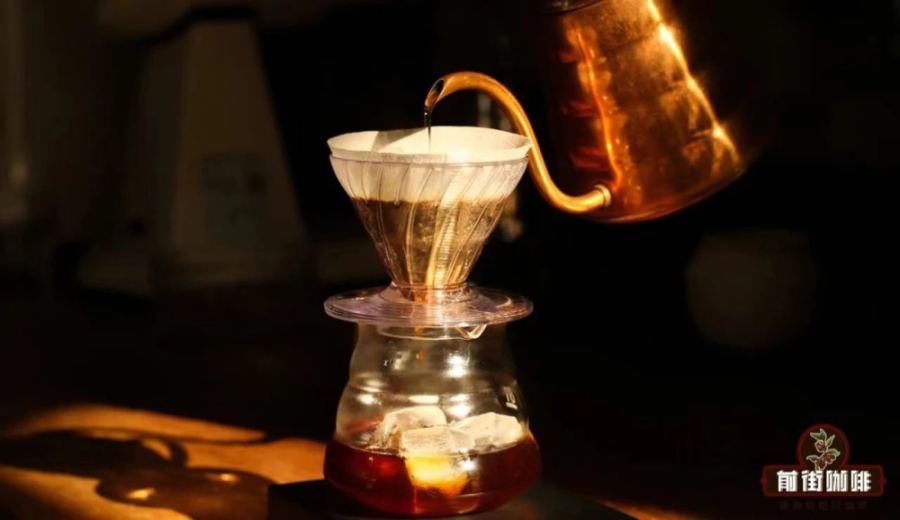
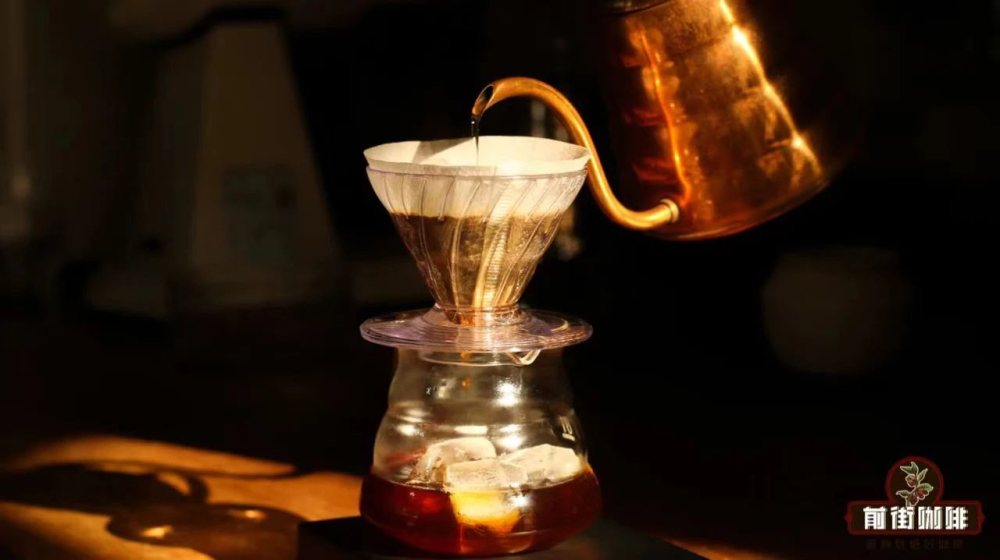
Introduction:The flavor profile of pour over coffee is closely tied to the control of coffee grind size. Just how fine or coarse should the coffee grounds be? What impact does improper grinding have on extraction results? This article will delve into the relationship between coffee grind size and extraction parameters, guiding you to master the key techniques of grind selection for pour over coffee and enhance the consistency of flavor in every brew.
Grind size is one of the crucial factors that determine coffee extraction efficiency and flavor release. Simply put, the finer the grind, the greater the surface area of contact between coffee grounds and water, leading to more thorough extraction; conversely, the coarser the grind, the smaller the contact area and the slower the extraction. Therefore, finding the right grind size is the first step toward brewing great pour over coffee.
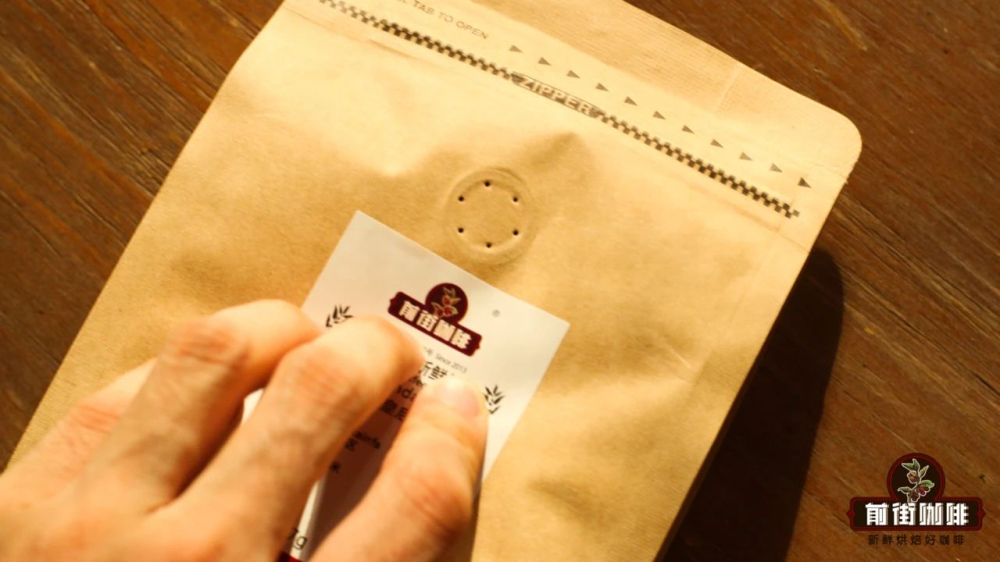
First and foremost, whether you're using single-origin beans or blended beans, it's essential to ensure they are freshly roasted. Freshly roasted coffee beans usually come with a roast date printed on the packaging and are equipped with a one-way degassing valve. This design helps release carbon dioxide produced during the roasting process while preventing air from entering and affecting quality. It is recommended to allow a resting period—commonly referred to as "degassing"—of 3 to 7 days after purchase, depending on the roast level: around 3 to 4 days for light to medium roasts, and 4 to 5 days for medium to dark roasts. This allows excess gases to dissipate for better extraction results.
Once coffee beans pass their optimal freshness window, the internal aromatic compounds gradually dissipate. Even adjusting the grind size can hardly compensate for the resulting loss of flavor. Therefore, ensuring the freshness of your coffee beans is fundamental to enjoying high-quality pour over coffee.
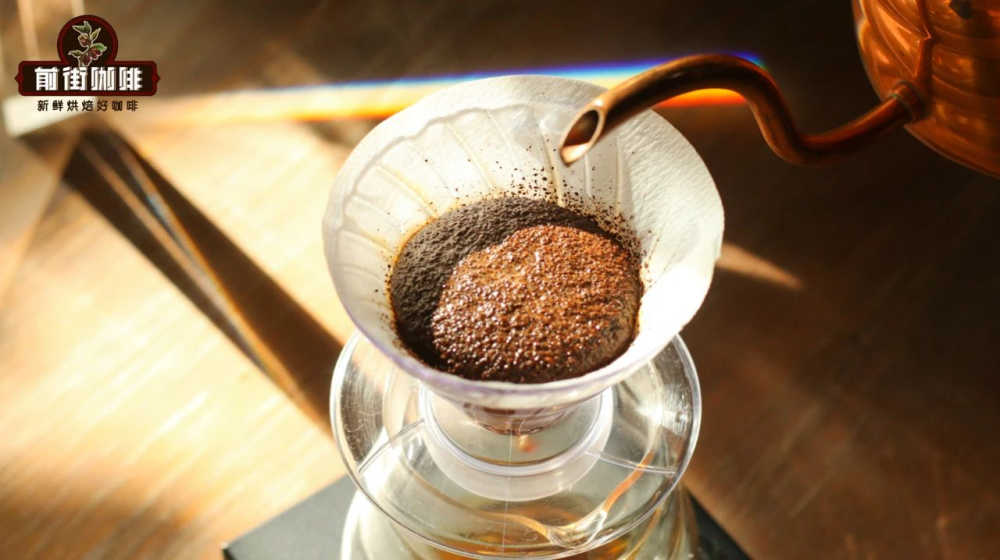
So, how exactly does coffee grind size affect flavor? When the coffee particles are finer, the surface area per unit volume is larger, allowing water to penetrate more quickly and extract more flavor compounds, including acidity, sweetness, and bitterness. On the other hand, if the coffee is too coarse, water flows through too rapidly, often resulting in under-extraction, which leads to a weak, flat-tasting cup lacking complexity.
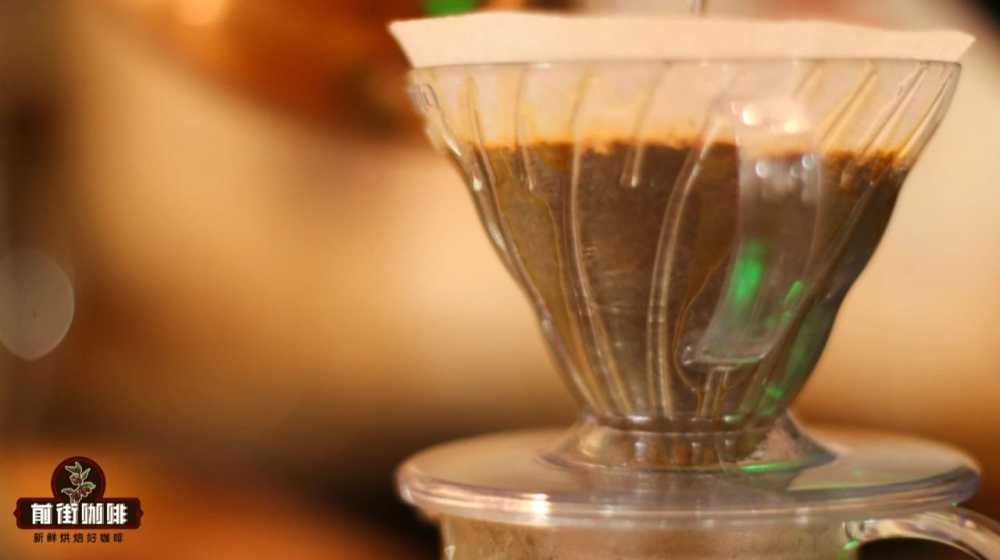
If the grind is too fine, the coffee particles are densely packed, slowing down water flow and easily causing over-extraction. This can result in a bitter, overly intense taste, disrupting the balance of acidity and sweetness. Conversely, if the grind is too coarse, water passes through too quickly, and the coffee’s essential flavors aren’t fully extracted, leading to a thin, dull cup that may even carry a raw bean-like harshness.
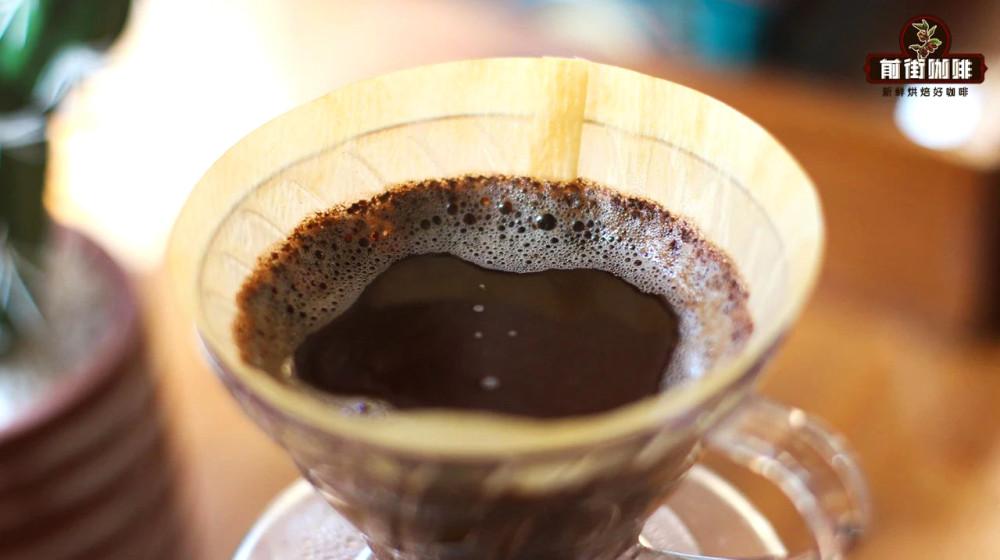
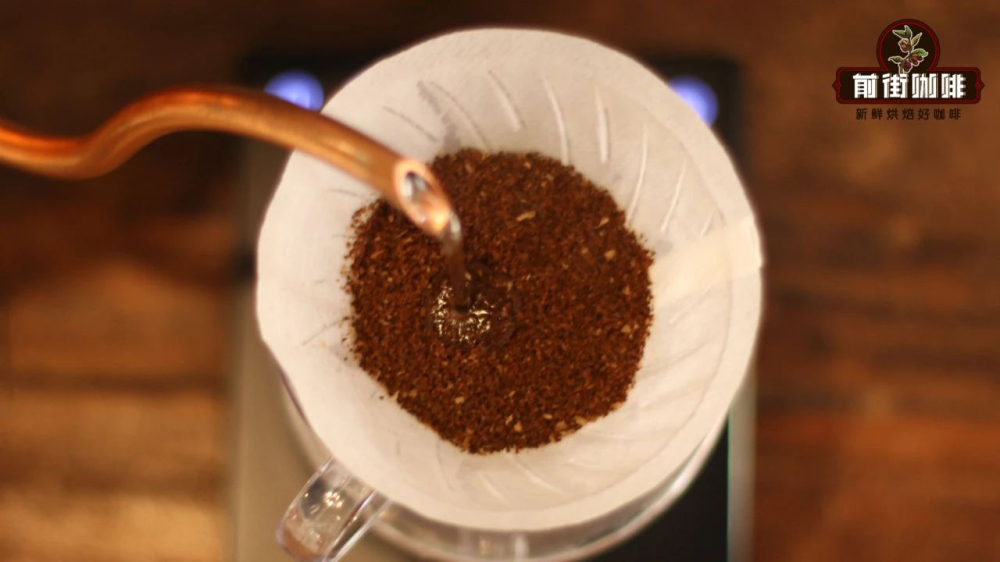
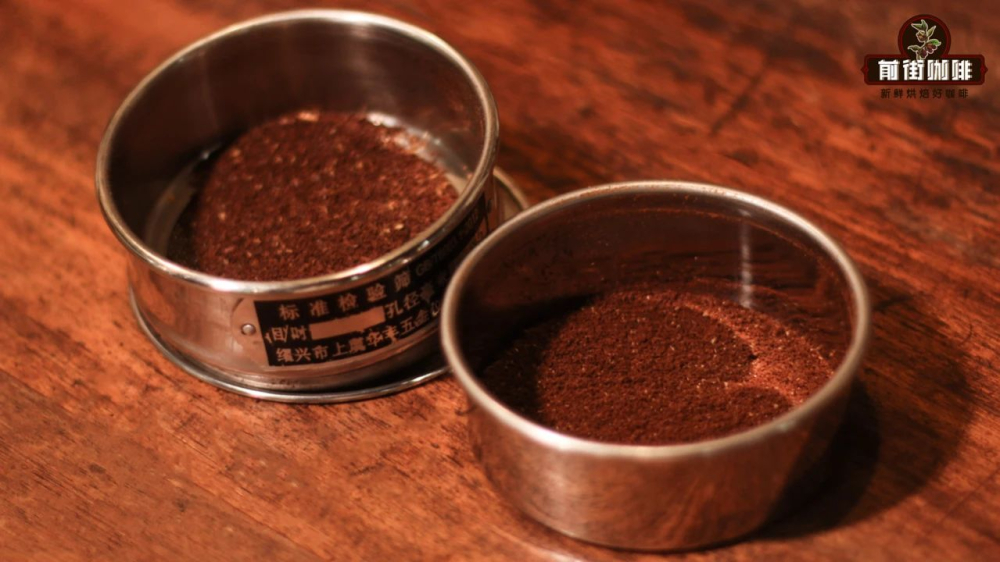
To help you more accurately gauge grind size, it is recommended to use a No. 20 sieve (with holes about 0.85 mm in diameter) for testing. Take 10 grams of coffee beans, grind them, and then pour the coffee grounds into the sieve to filter. Observe the proportion of grounds that remain on the sieve. Based on experience, the ideal passing rate for pour over coffee typically falls between 75% and 85%. The specific value can be slightly adjusted according to roast level: 80% to 85% for light roasts, 70% to 75% for medium roasts, and 65% to 70% for dark roasts. These figures can serve as reference standards when adjusting grind coarseness.
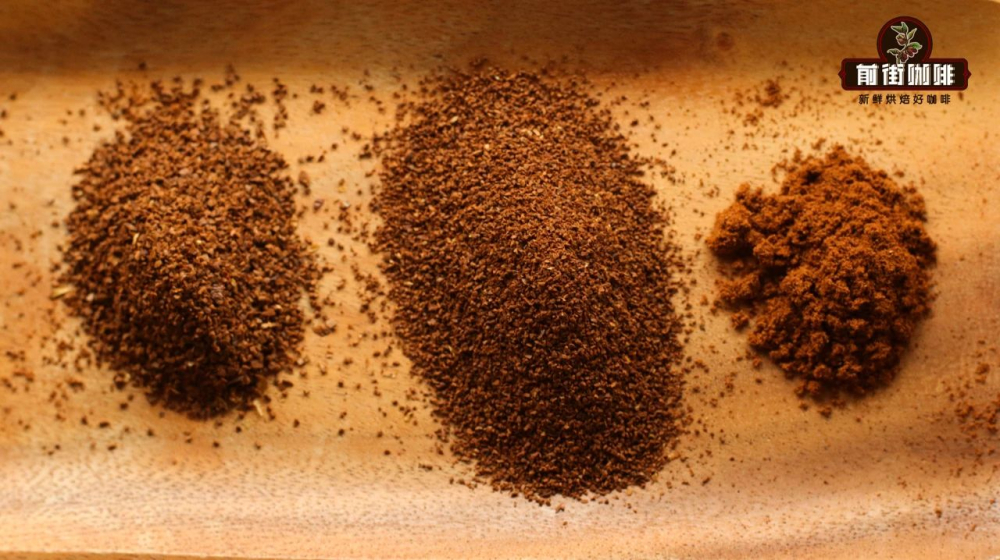
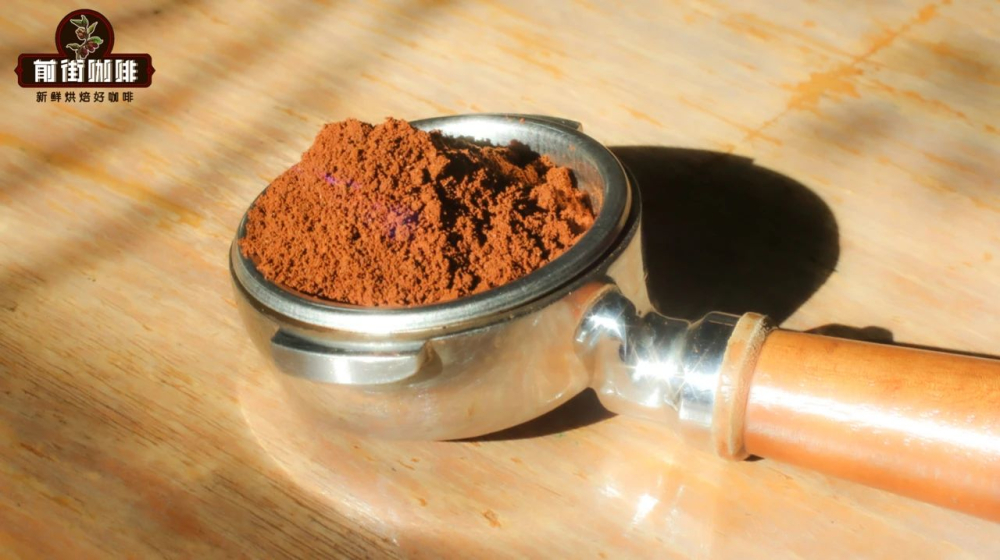
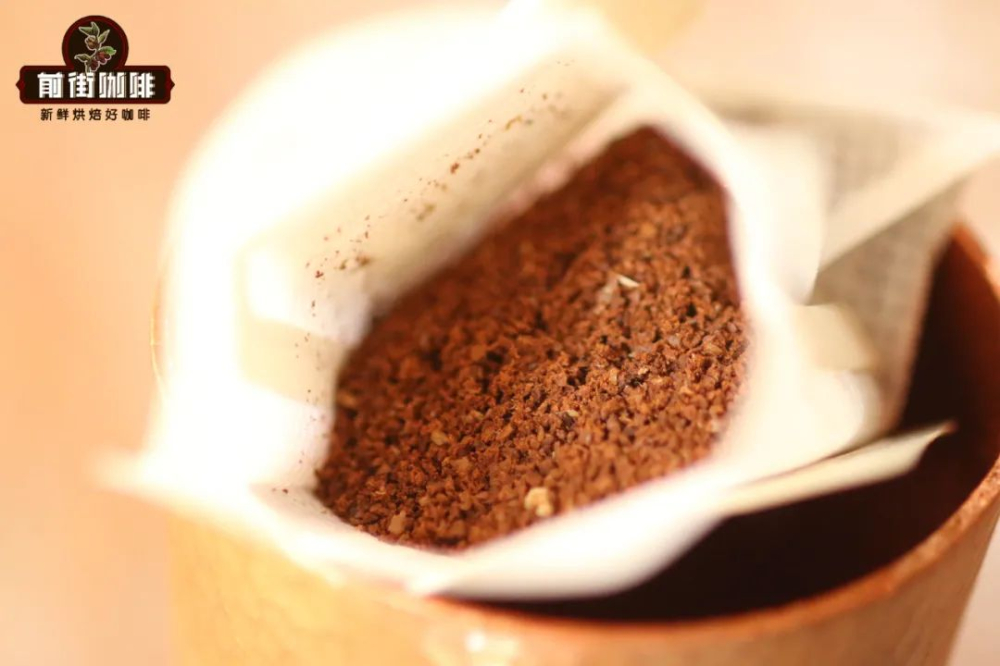
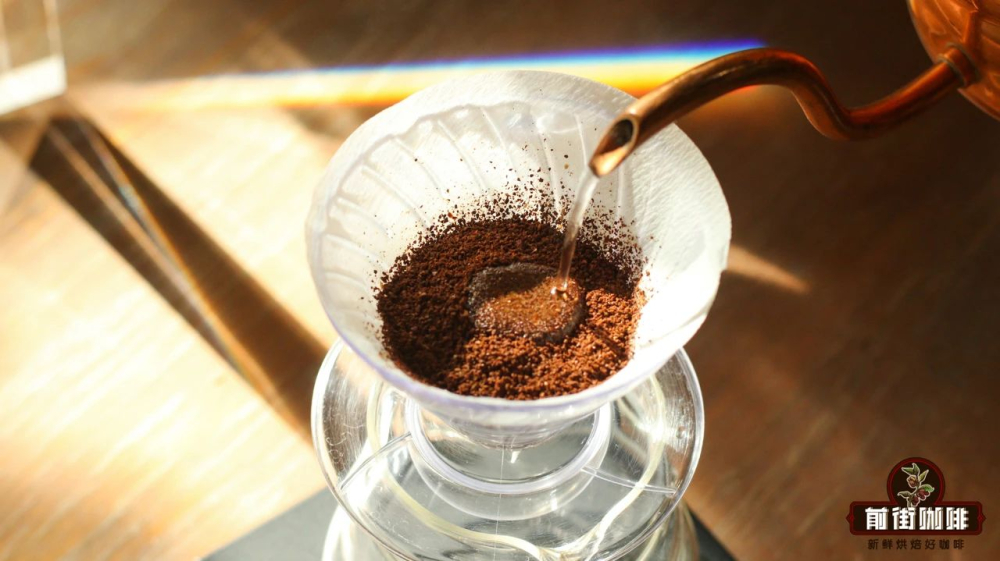
If you don’t have professional sieve tools, you can also choose an appropriate grind size based on the following five common grind levels: extra fine is suitable for espresso machines or moka pots; fine grind is ideal for drip bags to enhance extraction efficiency; medium-fine (about the texture of fine sugar) is recommended for light to medium roasts in most pour over filters; medium (close to coarse sugar) suits medium to dark roasts, helping avoid over-extraction; and coarse grind is designed specifically for French press to ensure the coffee grounds do not pass through the metal filter and affect the mouthfeel.
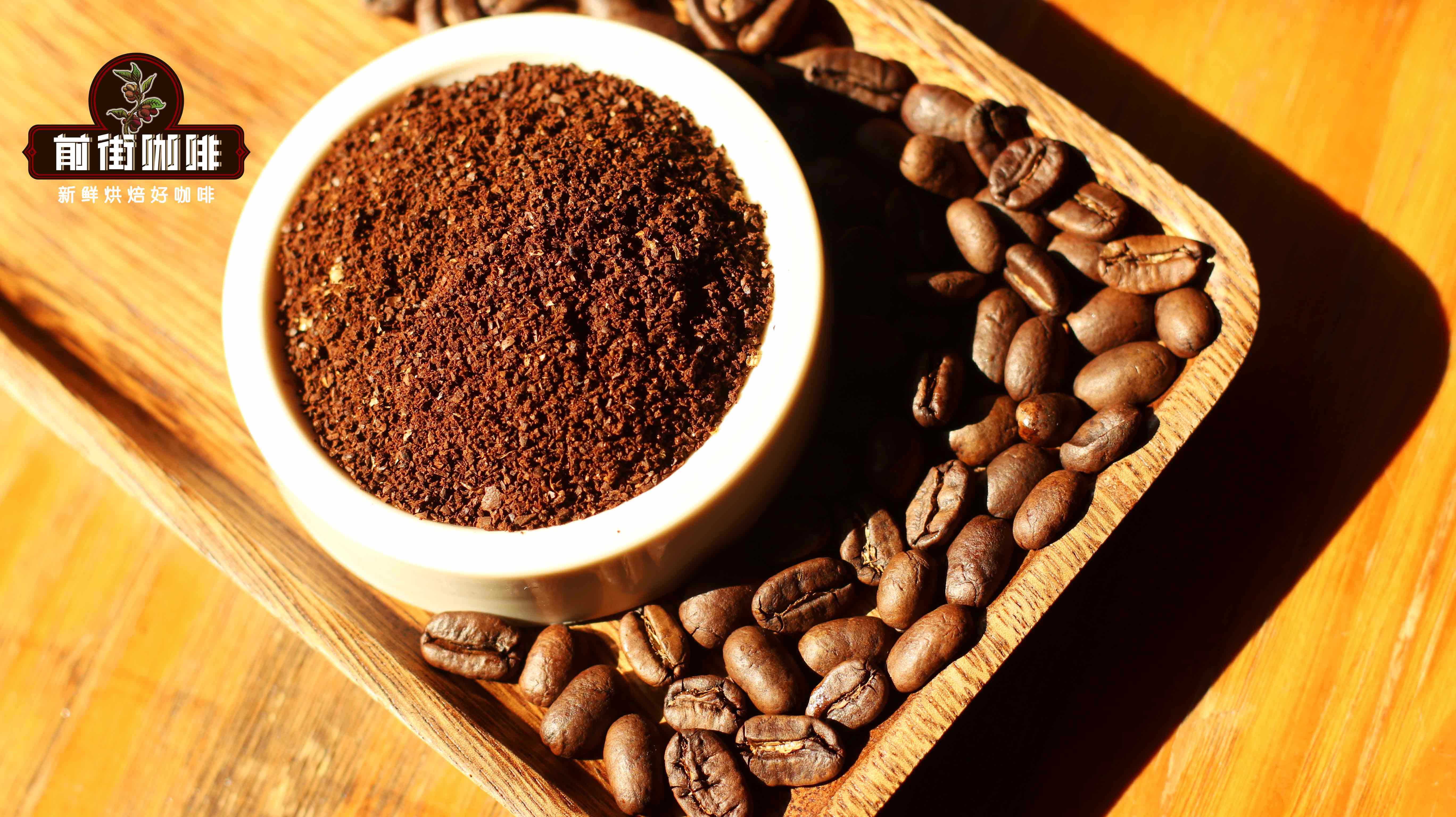
Mastering the skill of selecting the right coffee grind size not only improves the consistency and stability of your pour over coffee but also allows you to more precisely highlight the unique flavors of each coffee bean. Whether you’re aiming for bright acidity or rich sweetness, the correct grind size is a crucial step toward achieving premium-quality pour over coffee.
The above content is compiled by CoffeeHunters, a coffee news website.


