







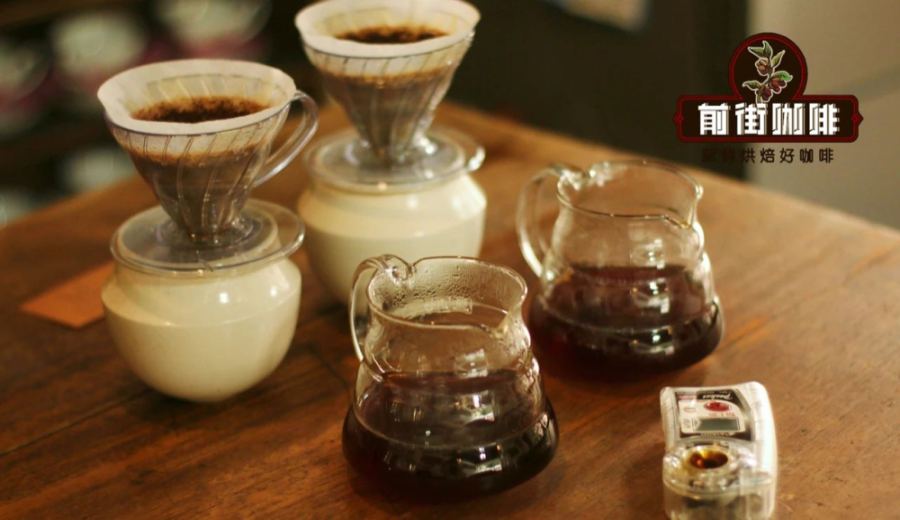
Introduction:To brew a pour over coffee with balanced flavors, grind size is key. This article delves into the grind standards for single-origin pour over beans, teaching you how to adjust grind size and water temperature based on roast level (medium-light or medium-dark), and using a No. 20 sieve to measure extraction uniformity by tested pass-through rate. It also explains how roasting affects aroma and carbon dioxide release, as well as the correct approach to resting beans, helping you precisely control extraction parameters and elevate the complexity of your pour over.
Many beginners to pour over often face one common question: just how fine or coarse should the coffee grounds be? Grind size not only determines extraction efficiency but also directly impacts flavor expression. The particle size of ground coffee affects how quickly water passes through, thereby altering the balance of acidity, sweetness, and bitterness. This article will detail how to choose the appropriate pour over grind size based on the roast level of your coffee beans, and offer practical methods for evaluation.
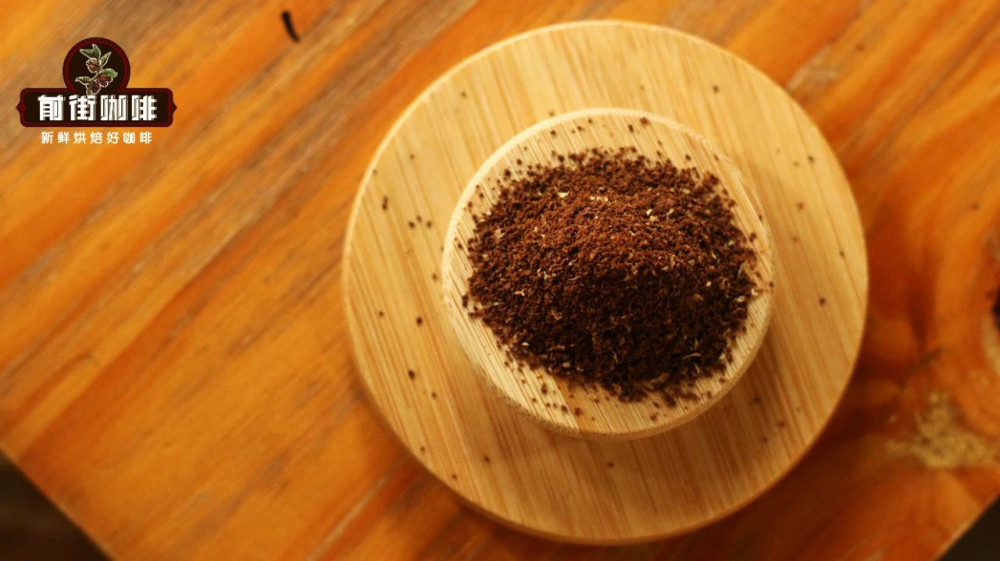
Grind size has a significant impact on coffee extraction. Simply put, the finer the coffee is ground, the larger the surface area, and the more coffee compounds water can come into contact with—resulting in a more intense extraction. However, if it’s ground too fine, it may lead to over-extraction, producing bitter and astringent flavors. Conversely, grinding too coarse means water flows too quickly, under-extracting the coffee, resulting in a weak and flavorless cup. The ideal grind size ensures that coffee particles are uniformly sized, which guarantees consistent extraction and balanced flavors.
Roast level not only influences coffee aroma but is also closely related to the production of carbon dioxide. During roasting, Maillard reactions and caramelization produce various aromatic compounds, such as nutty, caramel, and chocolate notes. Lighter roasts tend to have more pronounced acidity, with citrus or berry characteristics, while darker roasts showcase more caramel, cocoa, and nut aromas. Additionally, the deeper the roast, the more carbon dioxide builds up inside the coffee beans, affecting flow rate during extraction and the release of flavors.

Freshly roasted coffee beans need an appropriate resting period to allow carbon dioxide to dissipate naturally, which aids in flavor development. It is generally recommended to rest medium-light roasted beans for 3–4 days, and medium-dark roasted beans for 5–6 days. During this time, the beans release gases through the degassing valve in their original packaging, allowing the internal aromatic compounds and oils to reach optimal extraction readiness.
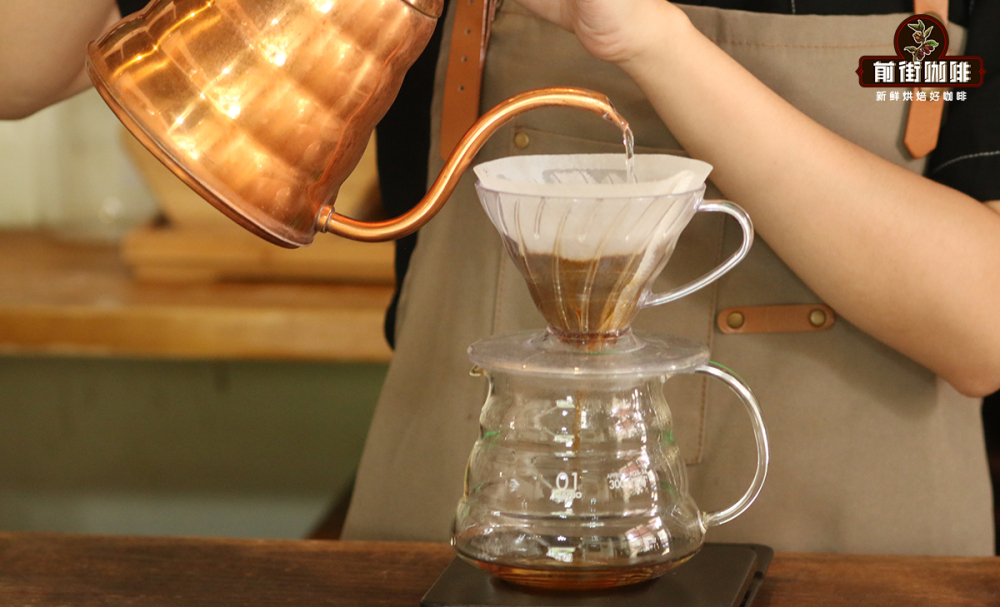
For medium-light roasted single-origin pour over beans, it is recommended to use a medium-fine grind size, with about 80% of the grounds passing through a No. 20 sieve (0.85 mm)—a coarseness similar to that of fine sugar. This grind size extends the contact time between water and coffee grounds, extracting sufficient acidity, sweetness, and caramelized compounds for a more balanced flavor. It is suggested to control water temperature at 90–91°C. Temperatures that are too high can extract excessive bitter compounds, while temperatures that are too low may result in under-extraction and a flat-tasting cup.
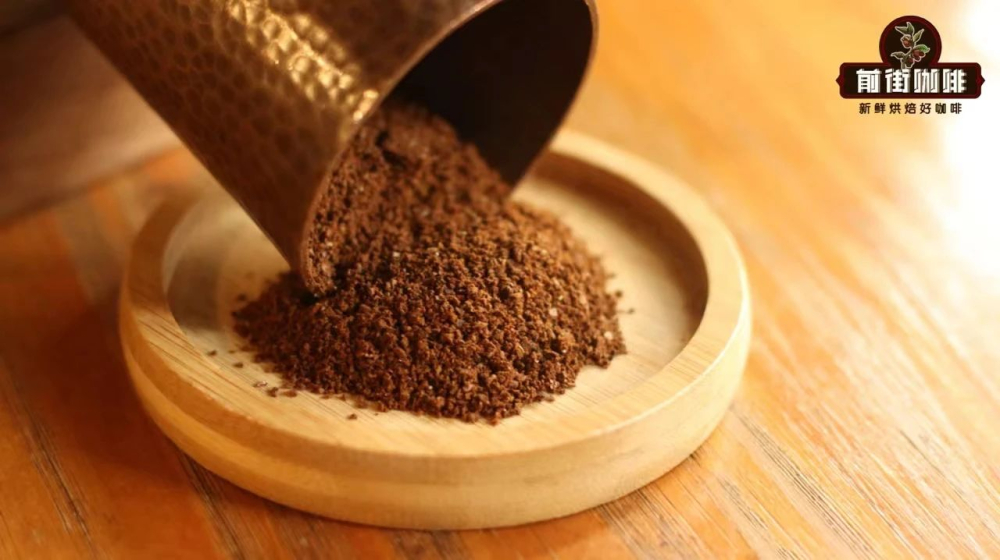
As for medium-dark roasted beans, which are naturally fuller-bodied and lower in acidity, it is advised to use a medium-coarse grind size, with approximately 70% of the grounds passing through a No. 20 sieve (a coarseness similar to that of coarse sugar). This grind size accelerates water flow, preventing over-extraction of caramelized compounds, delivering a sweet and rich mouthfeel while reducing bitterness. The suitable water temperature range is 86–88°C. Too high a temperature can make the coffee taste bitter, whereas too low can result in a dull flavor.
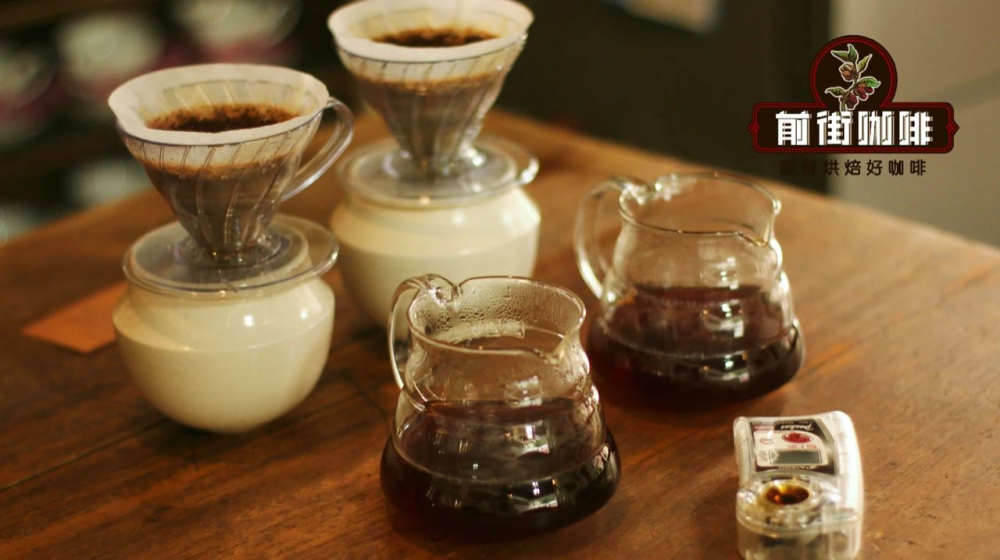
How to test grind size with a No. 20 sieve? First, take 10 grams of coffee beans and grind them. Pour the coffee grounds into the sieve, cover it with the lid, and gently shake until no more grounds pass through. Then, weigh the coffee grounds that have passed through the sieve using an electronic scale. If the pass-through rate is 80%, it is considered a medium-fine grind. If it is 70%, then it is a medium-coarse grind. If the pass-through rate does not meet expectations, you can adjust the grinder settings to achieve the desired grind coarseness. If you do not have a sieve at home, you can also observe the brewing flow rate: a fast flow indicates a coarser grind, while a slow flow suggests a finer one.
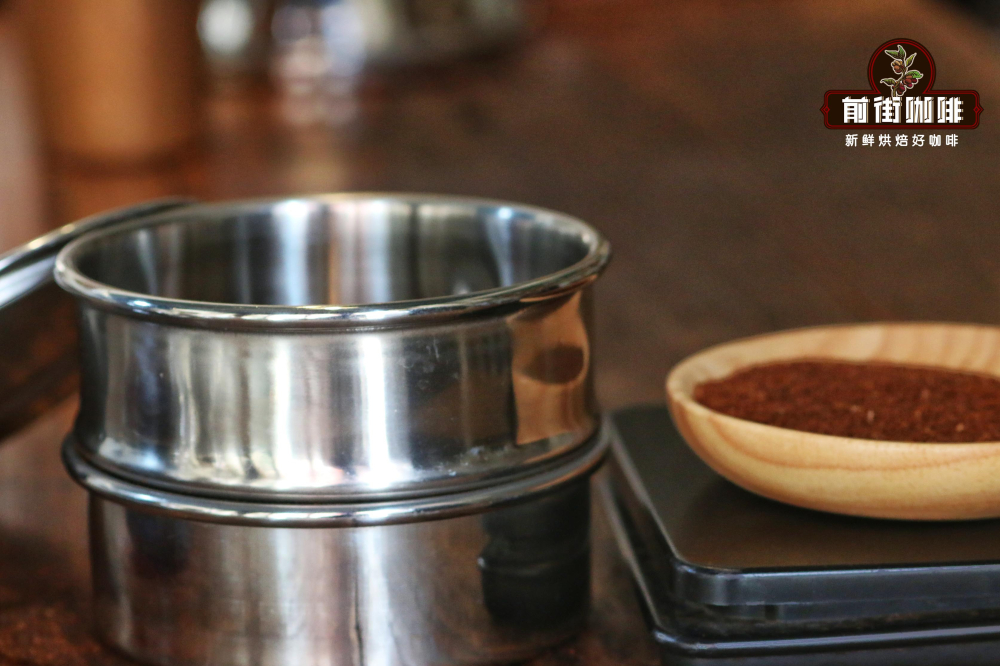
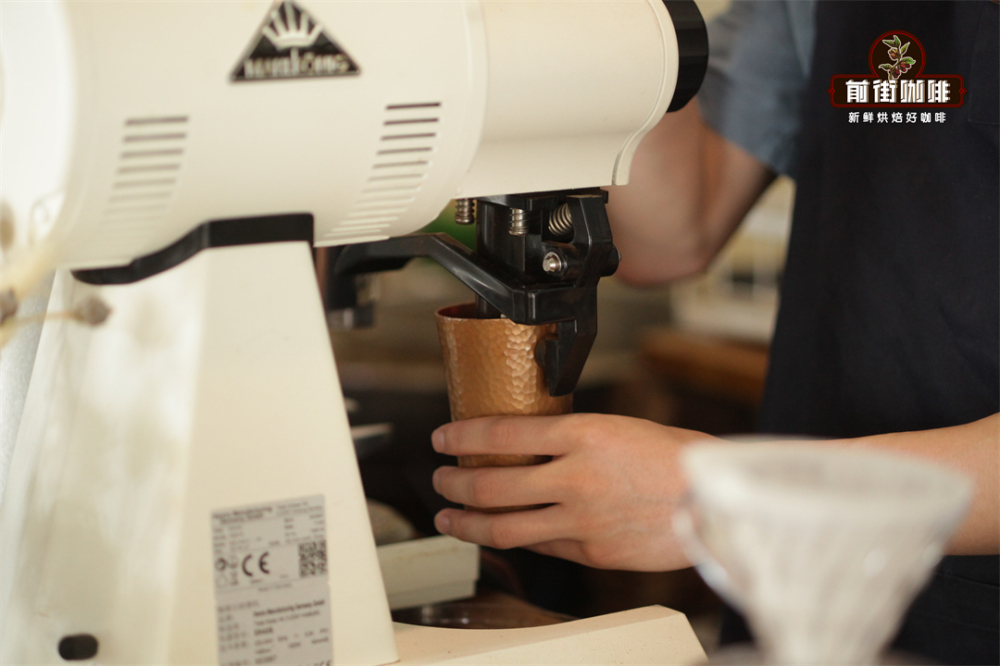
Finally, it’s important to note that uniformity in coffee particle size after grinding is crucial. If there is too much variation in particle size, larger particles can lead to under-extraction, while finer ones can cause over-extraction, both affecting overall flavor. It is recommended to choose a grinder capable of producing uniformly sized particles, ensuring each cup of pour over coffee can deliver its best possible flavor expression.
The above content is compiled by CoffeeHunters, a coffee news website.


