







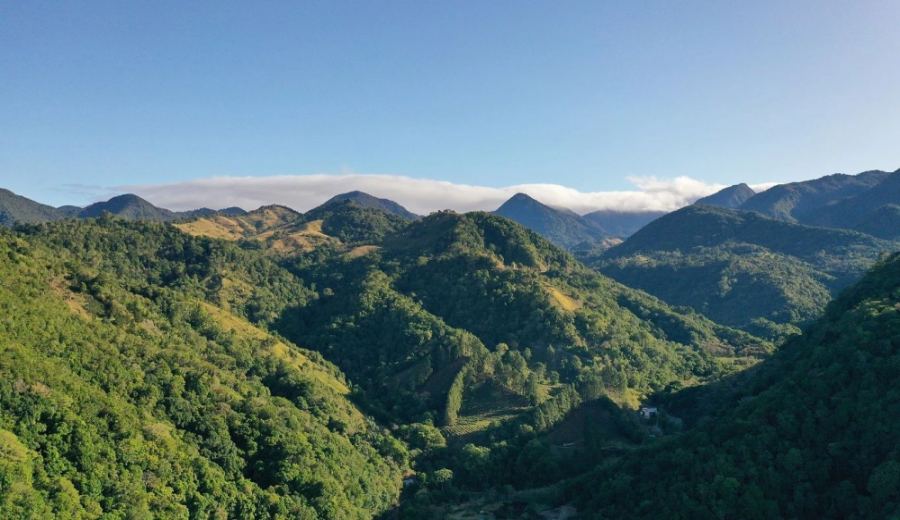
Introduction:Panama's Carmen Estate claimed victory in the 2023 Best of Panama (BOP) competition with its washed Geisha, scoring an impressive 96.5 points and achieving a record-breaking auction price of $10,005 per kilogram globally. This has made it a focal point of the industry. This article will take an in-depth look at the geographical location, climate conditions, varietal composition, and meticulous processing techniques of this champion estate, guiding you from terroir to cup to fully understand the quality logic behind high-priced Geisha.
Panama has always held a significant place in the global specialty coffee scene, and the Geisha variety has further established this Central American country as a holy grail for coffee enthusiasts. In 2023, the Best of Panama (BOP) competition saw Carmen Estate (CARMEN FINCA) stand out with a washed Geisha, earning the highest score of 96.5 in the washed category. It subsequently achieved a staggering $10,005 per kilogram at the international auction, setting a new world record for the highest price of green coffee beans. What kind of terroir and craftsmanship created such a legend? Let’s start with Panama’s geographical environment and gradually uncover the secrets of Carmen Estate.
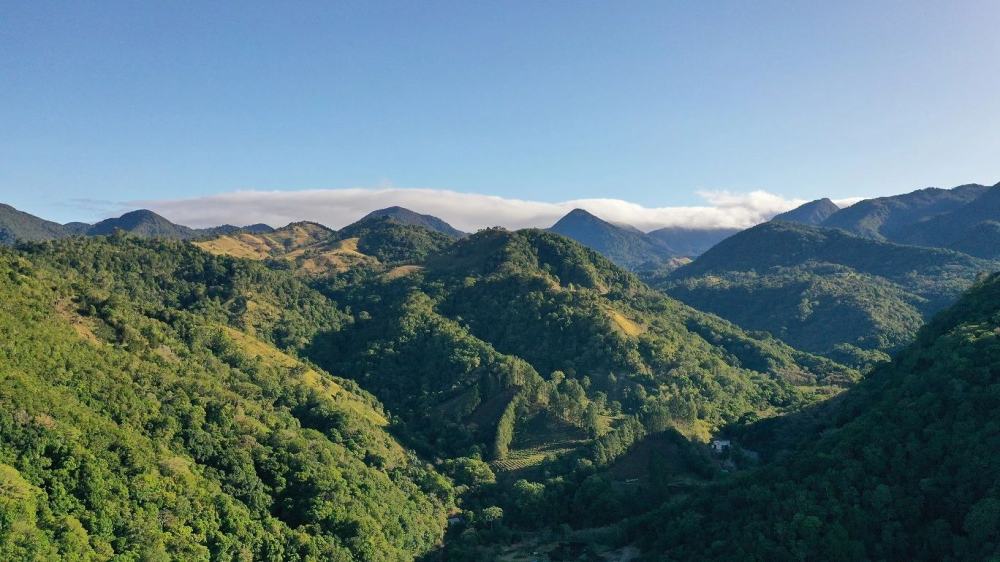
Panama is located at the southernmost tip of Central America, adjacent to the equator, and is predominantly mountainous, with only narrow coastal plains. The country features numerous volcanoes, abundant rivers, and dense forests, all of which contribute to highly diverse microclimates. It has a tropical maritime climate with significant day-night temperature differences — humid during the day and cool at night — with an average annual temperature ranging between 23°C and 27°C, and annual rainfall of about 1,500 to 2,500 millimeters, providing nearly perfect growing conditions for coffee trees.
Panama’s specialty coffee is primarily produced in Chiriquí Province, which can be divided into three well-known regions: Boquete, Volcan-Candela, and Renacimiento. These regions are respectively centered around the Baru Volcano, El Valle, and Le Yeguada, each boasting unique microclimates and altitude conditions. Among them, Boquete is the most renowned, home to top-tier estates such as La Esmeralda, Don Pachi, and Elida; whereas Volcan-Candela, though geographically distinct from Boquete, also relies on volcanic soil but benefits from a drier and sunnier climate due to the blocking of Atlantic moisture by northern mountains. Its coffee is mainly grown at altitudes between 1,200 and 1,900 meters, and its specialty coffees have also won numerous international awards in recent years.
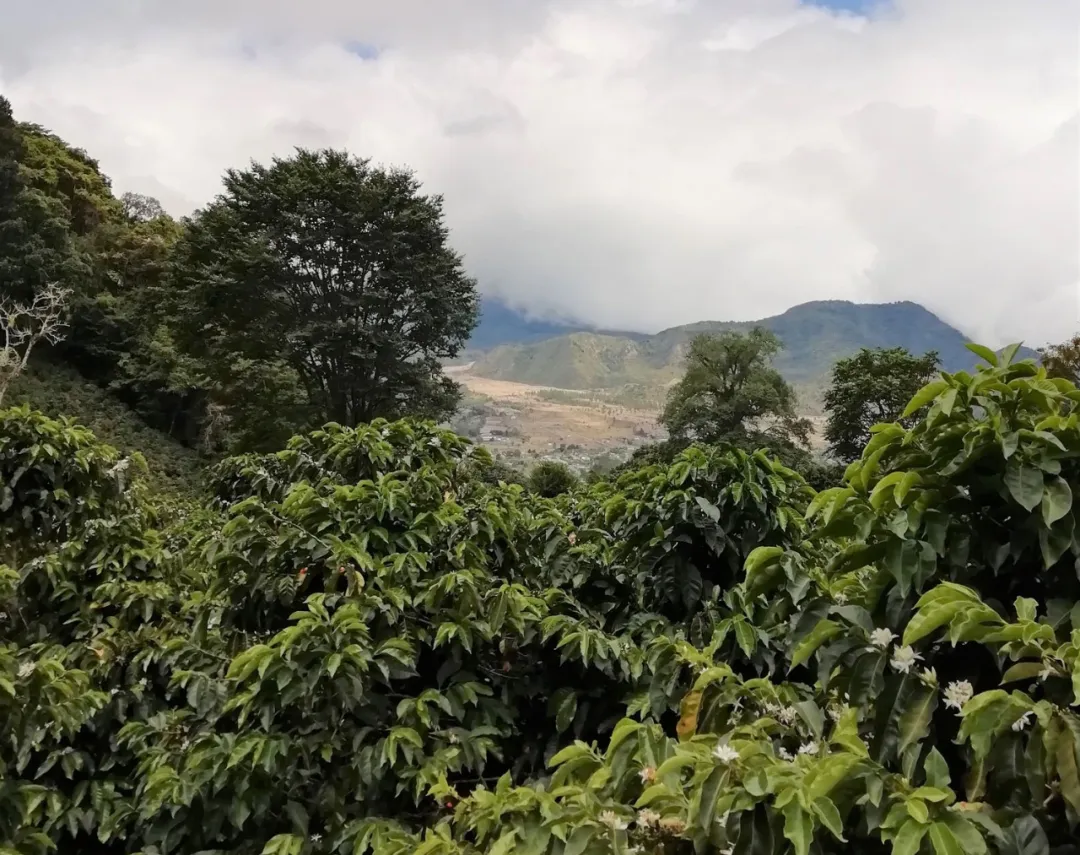
Carmen Estate (Carmen Estate Coffee) is situated between the Baru Volcano and the Volcan Valley, with a planting altitude of up to 1,750 meters, ranking it among the highest-altitude Geisha-growing regions in Panama, alongside the famous Elida Estate. The estate spans 70 hectares and, due to its valley location, benefits from the Chiriquí River, which flows directly south to the Pacific Ocean. Coupled with significant day-night temperature variations and fertile volcanic black soil, it provides optimal conditions for coffee tree growth. Additionally, thanks to the altitude variation and vast area, the coffee harvesting season at Carmen Estate can last nearly five months, which is uncommon in specialty coffee cultivation.
Dating back to 1960, the estate was jointly founded by Ms. Efrain and Mr. Carmen Franceschi, and has since been passed down to the third generation, now managed by Mr. Carlos Aguilera Franceschi. Over the years, Carmen Estate has been committed to growing high-quality coffee. Though not large in scale, it has consistently achieved excellent results in international competitions such as BOP, demonstrating its stable and outstanding quality performance.
In terms of cultivation and management, Carmen Estate retains approximately 60% of its natural primary forest, with coffee trees planted under natural shade. This not only helps regulate the microclimate but also reduces the threat of pests and diseases. The estate has long adhered to the philosophy of coexisting with nature, maintaining rainforest ecology through innovative farming methods, and obtained C.A.F.E. Practice certification in 2014, ensuring that coffee production meets sustainable and ethical standards.
The harvest season generally runs from late December each year to March of the following year, with all coffee cherries carefully handpicked at full ripeness. During processing, by-products such as pulp and juice are effectively converted into compost, achieving resource recycling. After initial sun drying, the green beans are further stored in a dedicated warehouse for moisture adjustment until just before export to ensure flavor stability and consistent quality.
Currently, in addition to its flagship Geisha variety, Carmen Estate also grows a variety of other cultivars, including Caturra and Catuai. In the 2023 BOP competition, its Catuai natural batch scored 91.5 points, earning fourth place in the multi-variety category — a commendable performance. Furthermore, the estate also releases experimental microlots each year, featuring innovative processes such as controlled fermentation and ASD, offering coffee enthusiasts more opportunities to explore diverse flavors.
The above content is compiled by CoffeeHunters, a coffee news website.


