







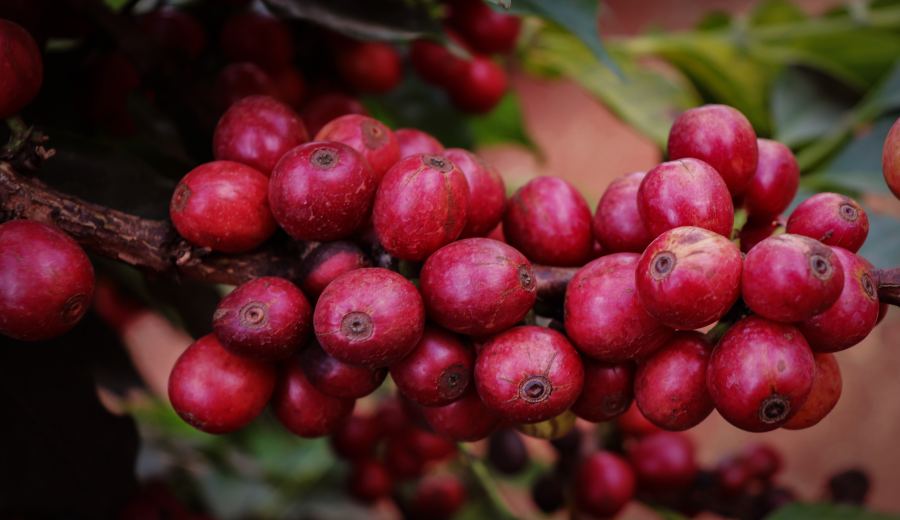
Introduction:Kenyan coffee is renowned for its distinctive berry-like acidity and vivid layered profile, yet many remain unfamiliar with its flavor trajectory. This article delves into the representative flavors of Kenyan specialty coffee — from floral notes and blackcurrant to cranberry — exploring the underlying varietal genetics, volcanic soil, and the 72-hour double fermentation washed process behind them. We also provide roasting and brewing recommendations to help you more precisely appreciate the unique charm of Kenyan coffee.
Kenyan coffee has always been celebrated for its vivid flavors and complex layers, drawing high praise from enthusiasts while potentially challenging for those unaccustomed to it. This highly distinctive character actually stems from Kenya’s exceptional growing environment and unique post-harvest processing techniques. Taking a commonly available Kenyan bean on the market as an example, we will deeply analyze how its captivating floral notes, blackcurrant, and cranberry flavors are formed.
This Kenyan AA-grade coffee from the Thika region is grown at altitudes between 1550 and 1750 meters, with mineral-rich volcanic soil, coupled with the locally unique SL28 and SL34 varieties, creating its distinctive acidity and aroma structure. Among these, SL28 exhibits pronounced dark plum and citrus tones, with rich acidity and a wine-like, full-bodied aftertaste; SL34 showcases abundant fruity acidity, accompanied by delicate notes of nuts and spices.
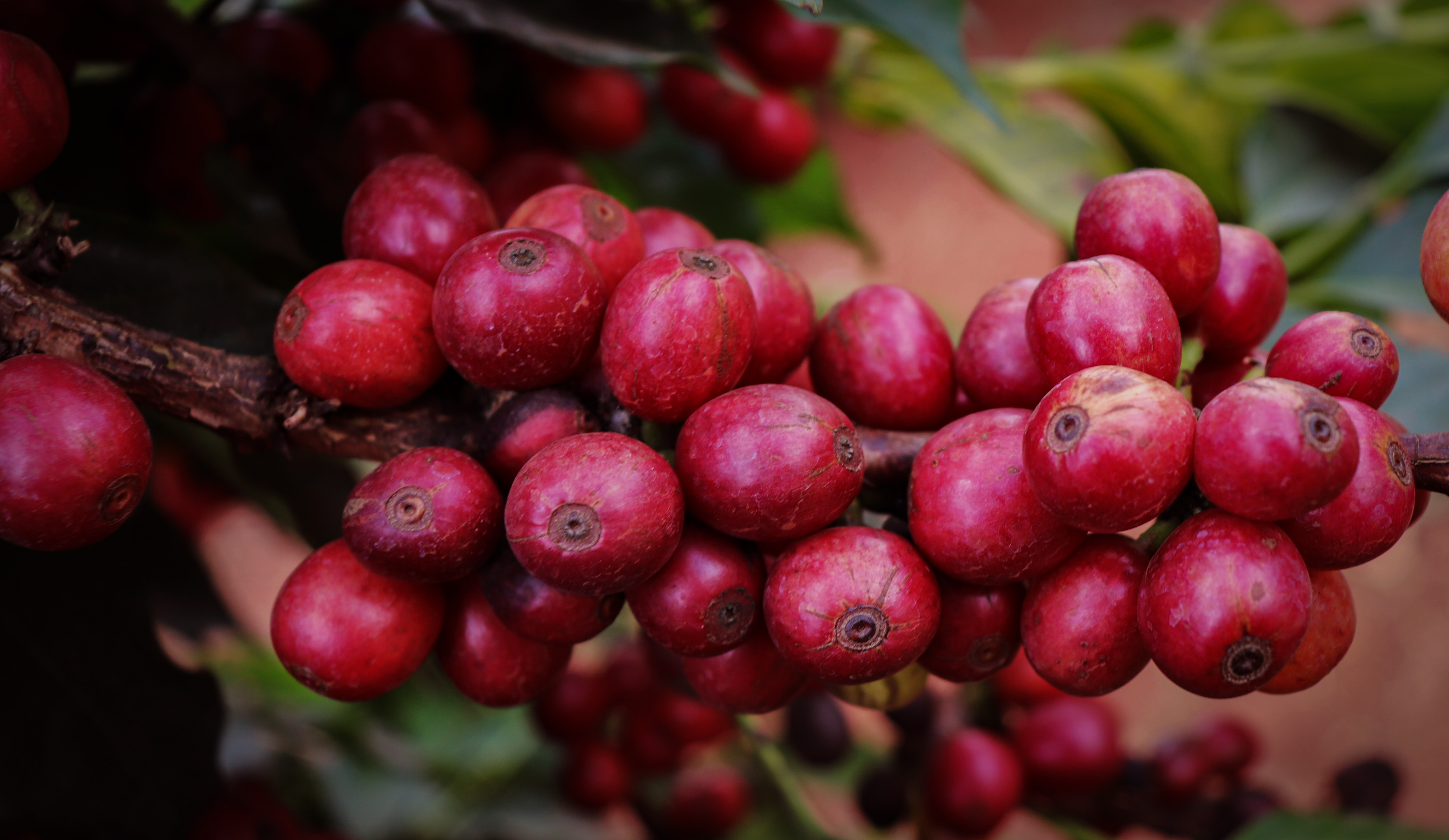
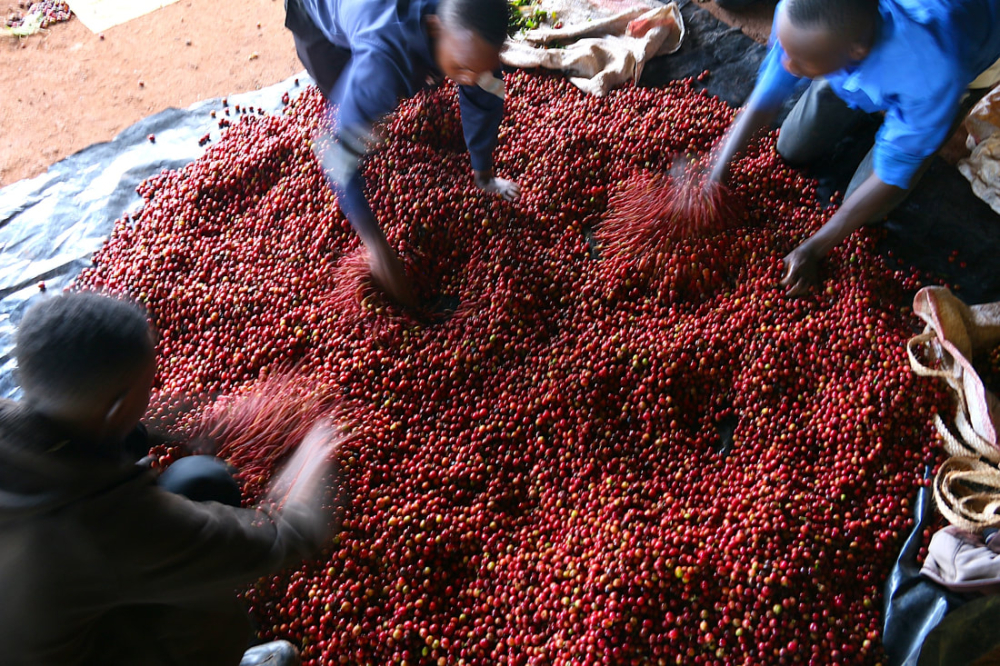
It is particularly worth mentioning that the washed processing method of Kenyan coffee is unlike others. Generally speaking, in Central and South America, the fermentation time in washed processing is usually kept within 36 hours, but Kenya extends this to 72 hours. This method, known as “double fermentation” or “double soaking,” involves removing most of the mucilage after an initial 48-hour fermentation, then letting the beans rest in clean water for another 24 hours. This processing not only makes the coffee flavor brighter and cleaner, but also significantly enhances its layered complexity and sweet aftertaste.
This technique complements the local volcanic soil conditions, enabling Kenyan coffee — even when using artificially bred varieties — to exhibit extremely high quality and consistency. It successfully overturns the past stereotype that “artificially bred varieties are inferior to natural ones,” securing its place in the global specialty coffee market.
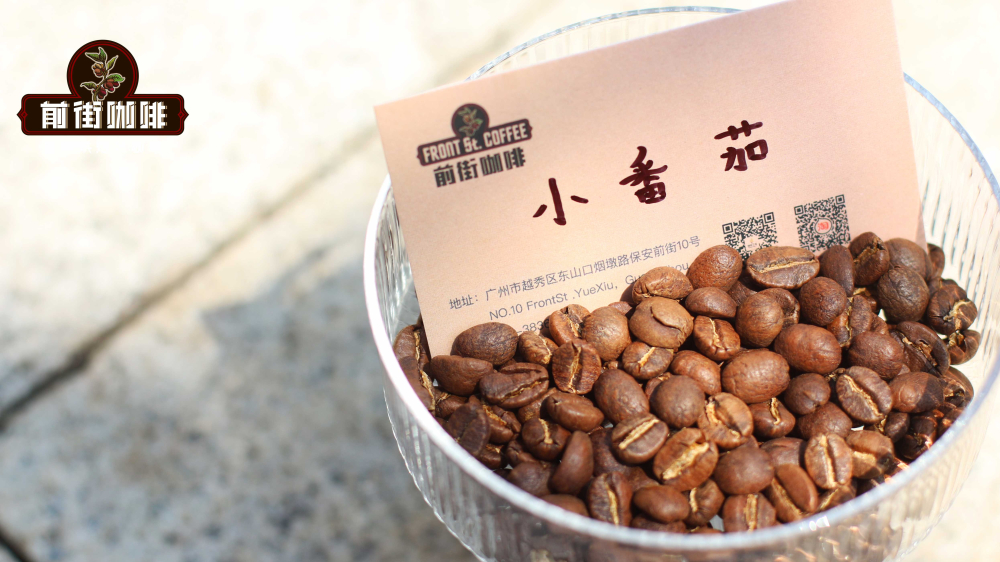
If you have a single-origin Kenyan bean such as a certain variety, it’s recommended to pay special attention to how roast level affects flavor. Dark roasting can bring out a rich body and deep aromas, but it tends to mask the delicate berry and floral characteristics. In contrast, light roast or medium-light roast better preserves the natural flavors of dark plum, cherry tomatoes, and flowers, making it especially suitable for coffee lovers who prefer bright acidity and fruity profiles.
For brewing, it is advised to use a medium-fine grind, with water temperature controlled between 90–93°C, and extraction carried out through a multi-pour method — for example, starting with a 30-second bloom, followed by 2–3 subsequent pours to complete the extraction. This helps to bring out the layered and refined flavors of the coffee. Whether using a pour over or filter dripper, maintaining stable water temperature and flow rate is key to presenting the unique sweet-acid balance of Kenyan coffee.
In summary, the charm of Kenyan coffee lies in its bright acidity, rich fruit tones, and delicate sweetness — all of which are inseparable from the local varietals, soil, altitude, and unique post-harvest techniques. If you haven’t yet tried Kenyan coffee, start with a light or medium-light roast single-origin bean, and embark on a one-of-a-kind flavor journey woven with berries and flowers.
The above content is compiled by CoffeeHunters, a coffee news website.


