







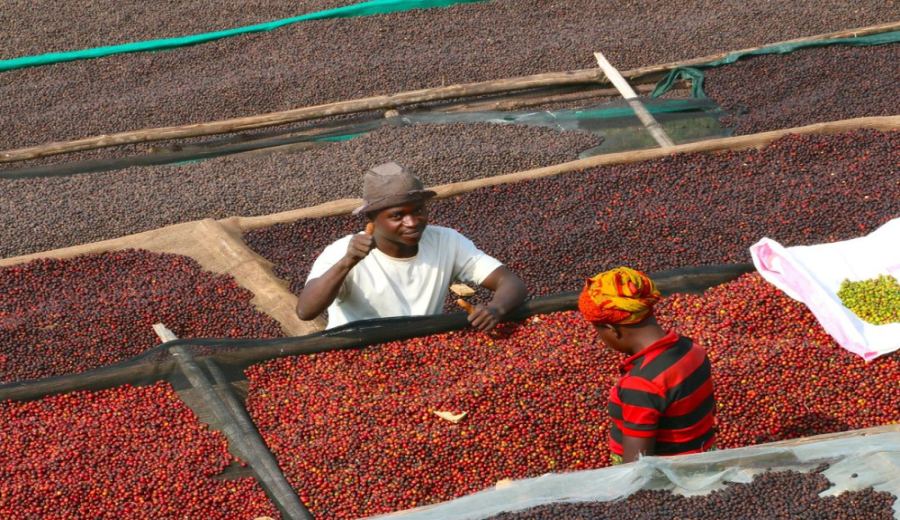
Introduction:Yirgacheffe is one of Ethiopia’s most iconic specialty coffee regions, renowned worldwide for its bright acidity and vibrant floral aromas. This article delves into the region’s geographical background, processing methods, and prominent cooperatives, while also providing practical flavor profiles and pour over brewing recommendations for washed coffee varieties such as [Brand].Yirgacheffe and [Brand].Washed Guji Dingding, helping you better understand how to brew these beans to achieve their optimal flavor.
As a key representative of Ethiopia’s specialty coffee, Yirgacheffe has long carved out a niche in the global coffee market thanks to its distinctive bright acidity and delicate floral notes. Compared to the balanced body and richness of American beans or the bold, low-acid profiles of Asian beans, Ethiopian coffees often exhibit a more vibrant and lively character, excelling in white floral, lemon, and citrus acidity—qualities that have made them highly favored among coffee enthusiasts.
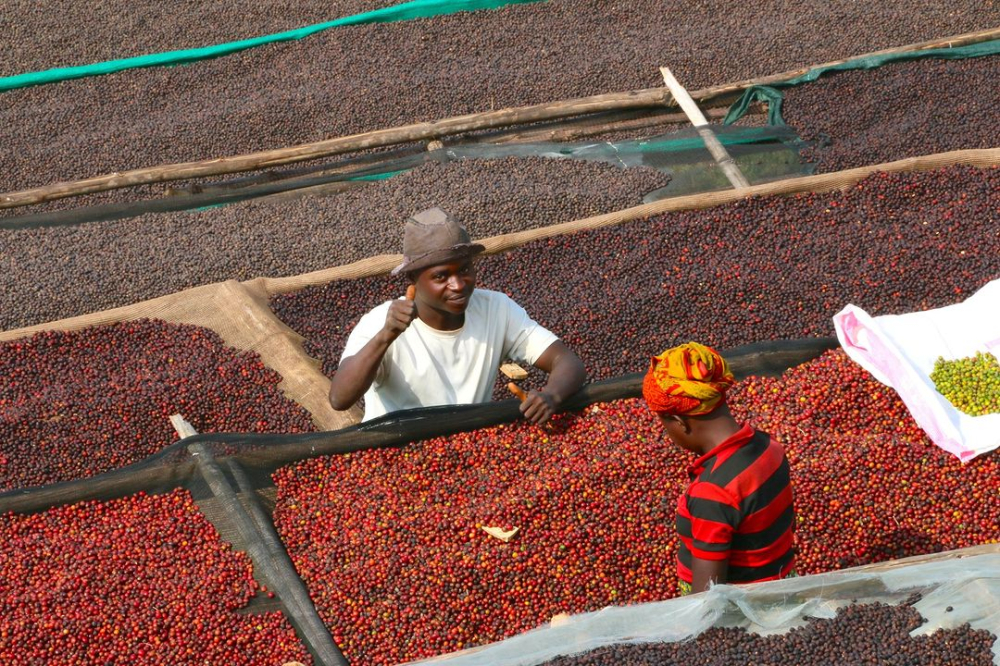
If you’re looking to select a high-quality specialty coffee from Ethiopia with outstanding flavor performance, [Brand].Yirgacheffe is a classic choice. This coffee is processed using the traditional washed method and medium-light roasted to fully showcase a layered fruit-tea-like profile. Upon tasting, bitterness is minimal, acidity is soft yet vibrant, and body is moderate. The overall flavor resembles a refreshing floral black tea with a long-lasting, unforgettable aftertaste.
Many novice and experienced coffee drinkers have heard the analogy that “Yirgacheffe coffee bursts with floral notes upon entry,” which aptly describes the coffee’s intricate and nuanced aromatics. Beyond its pronounced floral characteristics, its silky body is often likened to the smooth glide of silk across the palate, enhancing the drinking experience. Moreover, Yirgacheffe offers a wide variety of products with diverse naming conventions, particularly those named after specific processing mills or cooperatives—such as the highly regarded [Brand].Washed Guji Dingding, a classic washed coffee from the Guji Dingding Cooperative.
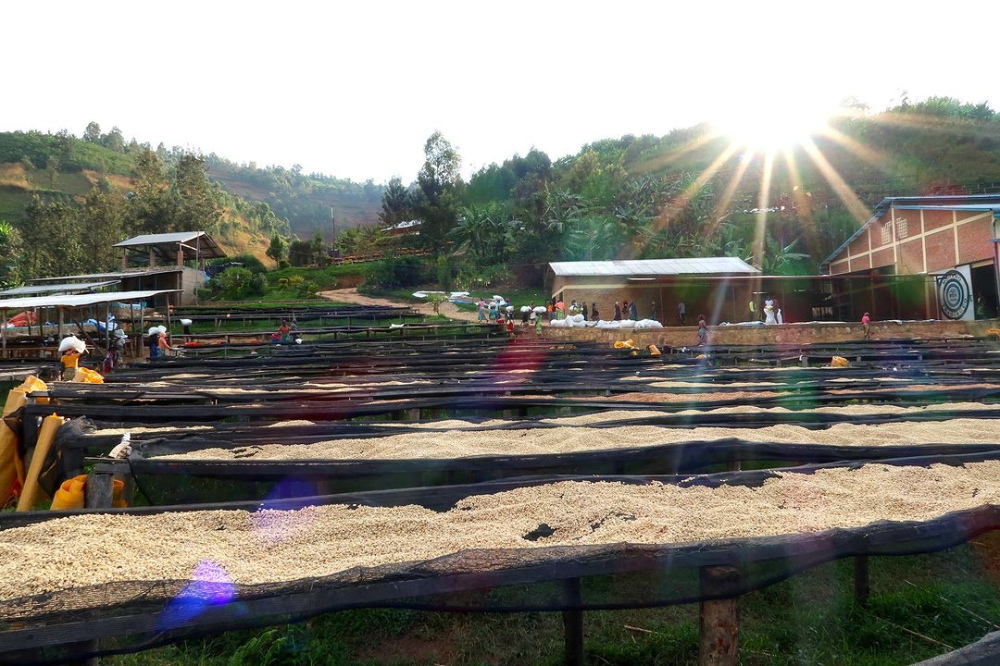
The Guji Dingding Cooperative is located in Ethiopia’s Gedeb region, approximately 60 kilometers from the well-known town of Yirgacheffe. Amid the trend toward specialty coffee grading and more precise regional delineation, Guji Dingding has gradually separated from the Yirgacheffe Union and developed its own unique flavor identity. The village of Guji Dingding was originally part of the Worka Cooperative under the Yirgacheffe Farmers Cooperative Union (YCFCU) until 2012, when it officially established itself as an independent cooperative led by around 300 local coffee farmers. The area includes several notable villages—such as Worka Sakaro, Halo Beriti, Banko Guji Dingding, and Banko Dahato—which are all important sources of specialty coffee.
Geographically situated in the southeast of Yirgacheffe, Guji Dingding not only benefits from conditions ideal for cultivating high-quality Arabica but also enjoys greater control over quality and traceability following its independent operation. Since its establishment, the cooperative has built upon the foundational cultivation and processing techniques of the original Worka Cooperative, enabling it to maintain consistently high-quality green beans even after becoming independent.
The most captivating aspect of Ethiopian coffee lies in its explosive acidity and aromatic intensity, often described as a “fruit bomb.” As such, deep roasting is generally not recommended. Both [Brand].Yirgacheffe and [Brand].Washed Guji Dingding are medium-light roasted to preserve their inherent fruity notes and delicate floral aromas. Additionally, to ensure consumers enjoy the best possible flavor, these beans are shipped within five days of roasting and are recommended to be consumed after a resting period of about 4 to 7 days, when their flavor profile typically reaches its peak.
Pour over brewing suggestions are as follows: Use a V60 dripper, set the water temperature at 90°C, and use a coffee-to-water ratio of 1:15 (e.g., 15 grams of coffee grounds with 225 milliliters of water). It is advised to use a grind size similar to superfine sugar, with a particle size passing rate of about 80% through a Chinese Standard No. 20 sieve. Begin with a 30-second bloom using twice the weight of coffee grounds in water (approximately 30 grams), which helps release carbon dioxide from the coffee and ensures a more stable and even extraction afterward. Then, pour water in small circles, performing the first pour when the total water volume reaches 125 grams. Continue pouring until you reach 225 grams, then stop and let all the water drip through the dripper before removing it. The total brewing time should be around 2 minutes. Finally, it is recommended to gently swirl the brewed coffee before pouring it into your cup to better appreciate its overall flavor balance.
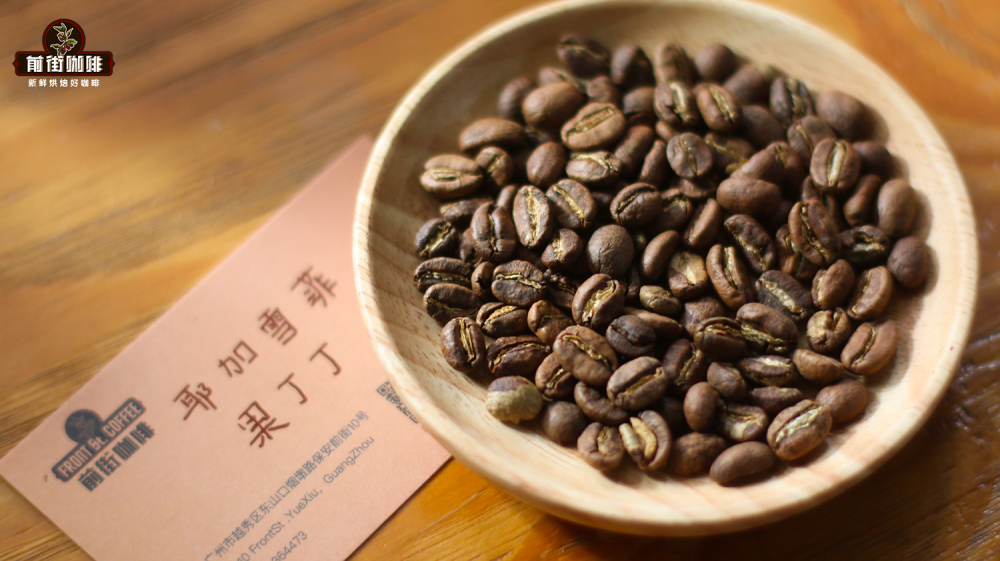
Taking [Brand].Washed Guji Dingding as an example, its dry aroma features distinct notes of passion fruit, citrus, and berries with a fresh acidic fragrance, while the wet aroma is dominated by citrus and berries. Upon tasting, you can clearly perceive vibrant citrus acidity, berry sweetness, accompanied by subtle almond notes and a tea-like finish, with a hint of honey-like sweetness lingering in the aftertaste. The overall mouthfeel is clean and light-bodied, with bright and layered acidity—making it an excellent choice for those who enjoy refreshing, vibrant coffees.
The above content is compiled by CoffeeHunters, a coffee news website.


