







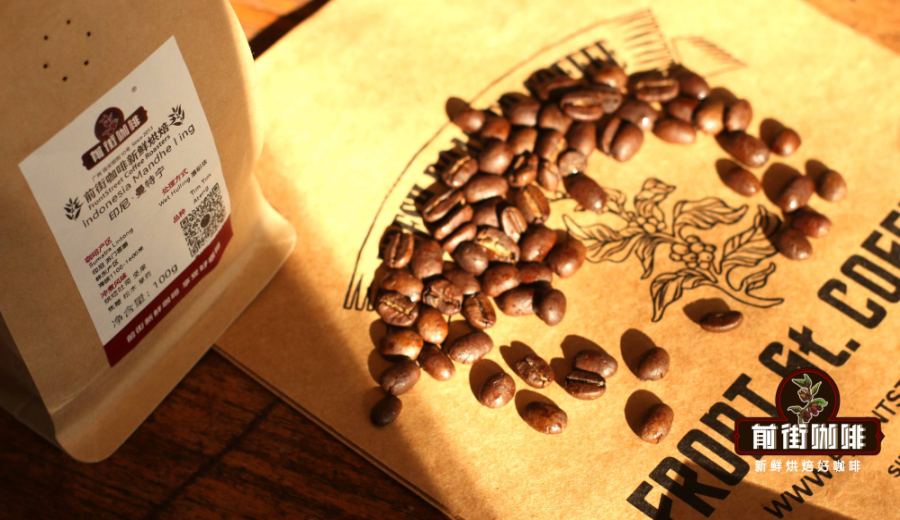
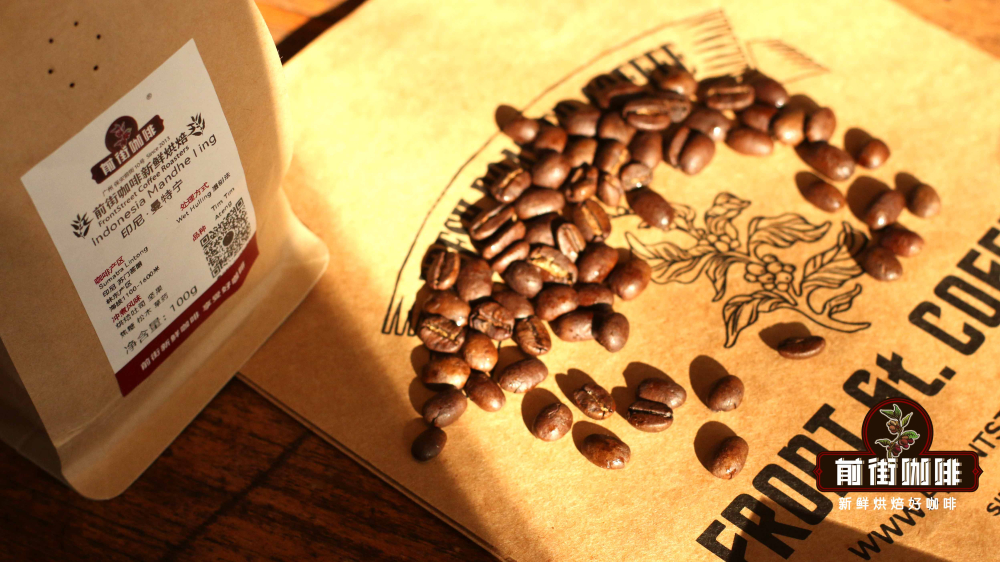
Introduction:Indonesian Mandheling coffee is renowned for its rich and bold flavor profile, making it especially appealing to pour over enthusiasts. This article delves into Indonesia’s unique wet-hulling processing method, explaining how this technique shapes its distinctive flavor profile characterized by notes of nuts, toast, and pine. We also recommend the Golden Mandheling from Indonesia’s PWN company, analyzing its flavor characteristics and selection criteria to help you discover your own classic Mandheling experience.
If you’re looking for a pour over coffee bean with intense flavor and layered complexity, consider Indonesian Mandheling. This classic coffee from Sumatra is often described as “one of the fullest-bodied coffees in the world.” Upon tasting, you’ll notice its smooth mouthfeel, distinct body and bitterness, low but vibrant acidity, accompanied by rich aromas and a faint earthy undertone. The overall flavor weaves together notes of toast, nuts, and pine, with a caramel and herbal finish.
What exactly creates Mandheling’s unique character? The answer lies in Indonesia’s distinctive wet-hulling processing method. This approach differs significantly from the more common washed process. From the initial processing of the coffee cherry, brief soaking, initial drying, to removing the mucilage and parchment while the pulp layer is not yet fully set, the entire procedure is complex and unique—resulting in Mandheling’s bold and instantly recognizable flavor expression.
The steps of the wet-hulling process can be roughly divided into the following stages: First, the coffee cherries are quickly depulped and pulped after harvest, usually done by smallholder farmers at their own facilities to remove the skin and some of the fruit flesh. Next, the beans are soaked in water for about one to two hours to remove excess mucilage through friction—an essential step for shaping the subsequent flavor.
After washing, the coffee beans undergo their first drying at the farmers’ homes, during which the moisture content gradually decreases to between 20% and 35%. The dried beans are then taken to market for sale. At this stage, due to the still-high moisture content, the beans appear sticky—a hallmark of the wet-hulling method—processing the beans before they reach a stable dry state.
Next, the beans are transported to a processing facility for a second drying phase, aiming to reduce the moisture content to around 18%. This stage stabilizes the beans and prepares them for the subsequent hulling step. What truly sets wet-hulling apart is the “hulling/wet-milling” step: before the final drying stage, specialized machinery is used to remove the pulp and parchment layers. Unlike the washed process, where the parchment is retained until export, wet-hulling removes this protective layer earlier, allowing the beans to more readily express bold and direct flavor characteristics.
Finally, the wet-hulled beans undergo a final drying phase to stabilize the moisture content at around 11%, after which they are bagged and stored, awaiting export. The entire process demands not only high technical skill but also strict control over weather and processing conditions, which is why there are relatively few farms and processing facilities capable of consistently producing high-quality wet-hulled Mandheling.
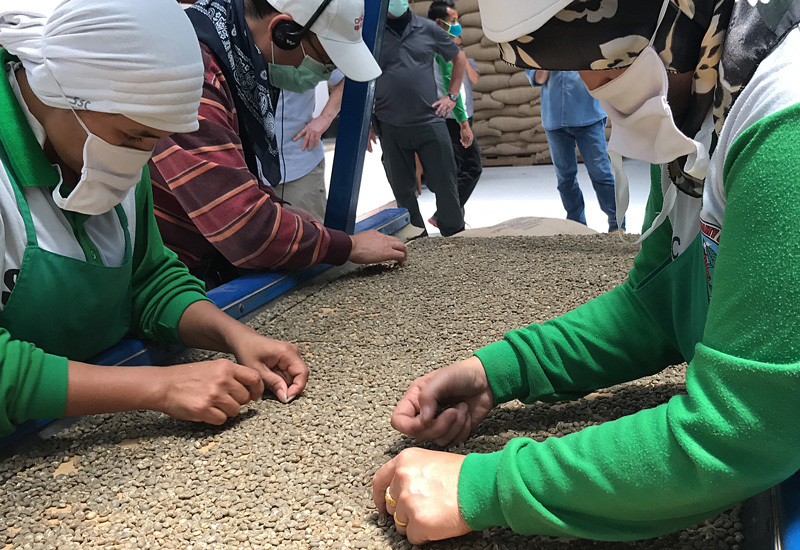
If you want to experience the pinnacle of wet-hulled Mandheling, “Golden Mandheling” is an absolute must-try. Produced by Indonesia’s renowned green coffee trader, Pwani Coffee Company (abbreviated as PWN), these beans not only deliver a more consistent and superior flavor profile but also earn high market recognition for their stringent selection standards.
It’s worth noting that the name “Golden Mandheling” has been registered as a trademark by PWN, meaning that only Golden Mandheling explicitly labeled as from PWN is the officially certified high-quality version. Many similar-named products on the market may claim to use comparable selection processes, but often lack the rigorous quality control and consistency found with PWN—resulting in generally lesser purity and body in flavor.
In summary, Indonesian wet-hulled Mandheling, with its unique processing method, presents a flavor profile distinctly different from other coffee-growing regions. Among them, Golden Mandheling takes this characteristic to the extreme, excelling in body, clarity, and overall flavor balance—making it a classic choice within the Mandheling category and highly suitable for pour over enthusiasts to explore in depth.
The above content is compiled by CoffeeHunters, a coffee news website.


