







Introduction:Blue Mountain coffee, with its distinctive flavor and rare origin, has long stood at the pinnacle of specialty coffee. This article delves into the legal production regions, rigorous grading system, and official certification standards of Jamaican Blue Mountain coffee, helping you distinguish genuine Blue Mountain from market imitations. It also provides professional SOE extraction parameters and steps—from grind adjustment to tasting suggestions—to help you master the practical skills of brewing classic Blue Mountain coffee.
Why is Blue Mountain coffee considered the pinnacle of the coffee world? Its unique flavor profile stems from a specific geographical environment and strict quality control. Based on real tasting experiences, this article offers a comprehensive introduction to the origin background, bean variety grading system, and how to showcase its delicate and balanced flavors through proper SOE extraction.
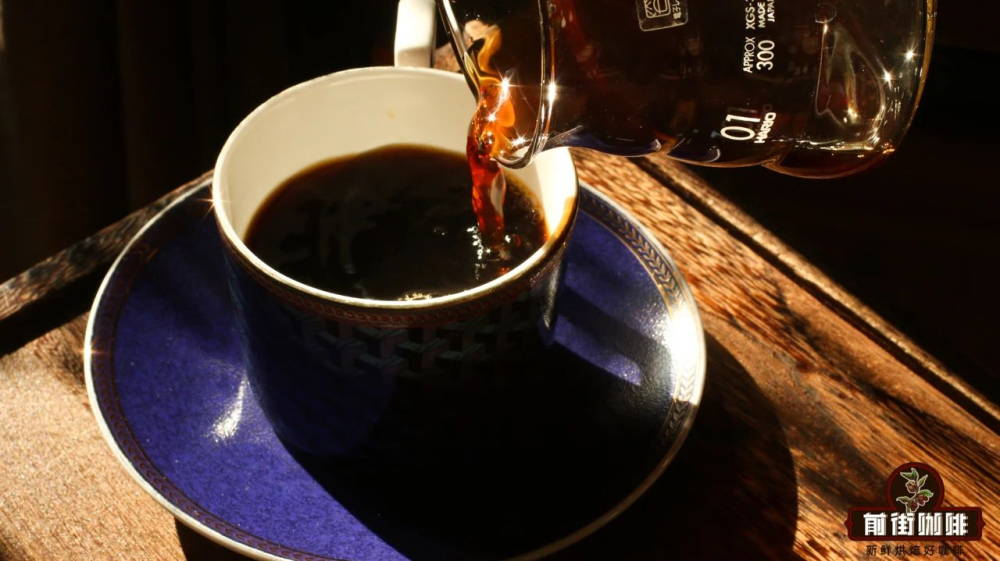
When genuine Jamaican Blue Mountain coffee enters the mouth, it presents a rich aroma reminiscent of dark chocolate, with layers of delicate caramel sweetness and nutty aftertaste. As the temperature slightly drops, a gentle acidity gradually emerges, harmonizing with other flavors to create a smooth and full-bodied overall mouthfeel—this is the classic flavor expression of Blue Mountain coffee.
For many years, Blue Mountain coffee has enjoyed an excellent reputation in the international market, hailed as a top-tier delicacy. However, due to its extremely limited production, the supply of coffee beans genuinely from the Jamaican Blue Mountain region is scarce. Yet market demand continues to rise, prompting some roasters to blend different single-origin beans in proportion to simulate a composite Blue Mountain coffee bean with a similar flavor profile, satisfying consumers’ longing for the Blue Mountain taste.
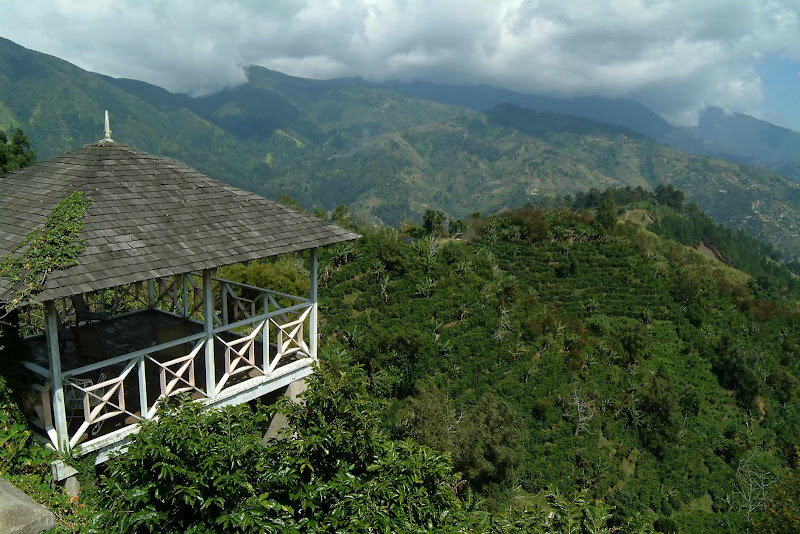
The high price of Blue Mountain coffee mainly stems from its scarce production and the supply-demand imbalance in the market. According to regulations, authentic Blue Mountain beans must be grown in the officially designated Blue Mountain region of Jamaica, at an altitude between3,000 and 5,500 feet (approximately 914 to 1,676 meters), and must pass the strict certification of the Jamaican government. The Blue Mountain region, situated at elevations above 2,100 meters, features fertile volcanic soil, coupled with a cool, foggy climate and abundant rainfall, creating a unique growing environment for Blue Mountain coffee. However, due to the limited planting area, the average annual production is only about12,000 tons, with over 80% exported to Japan, making top-grade Blue Mountain coffee even rarer in the market. Many commercially available vacuum-packed Blue Mountain coffee products, such as those from brands like Melitta and Movenpick, actually contain only trace amounts of Blue Mountain beans—or none at all—the Blue Mountain bean content may be as low as one percent.
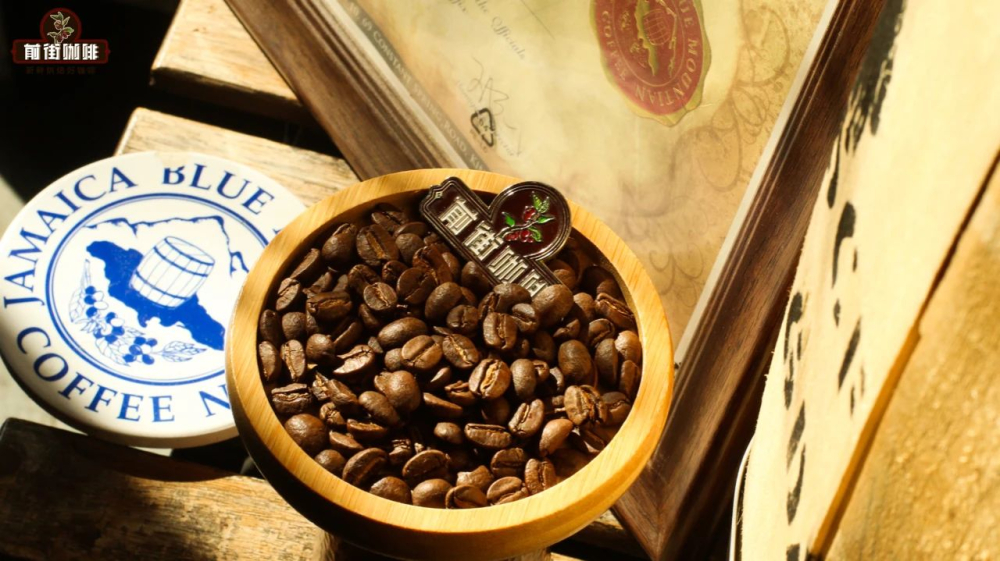
Jamaican Blue Mountain coffee is subdivided into multiple grades, each with clear specification standards:
Grade 1 Blue Mountain (Blue Mountain No. 1) is the top-tier grade, featuring the largest beans, requiringover 96% of the beans to be sized at 17/20, with a defect rate not exceeding 2%.
Grade 2 Blue Mountain (Blue Mountain No. 2) stipulatesover 96% of the beans to be sized at 16/17, with the defect rate also not exceeding 2%.
Grade 3 Blue Mountain (Blue Mountain No. 3) requiresover 96% of the beans to be sized at 15/16, with the defect limit set within 2%.
Blue Mountain Peaberry (Blue Mountain Peaberry) must consist ofover 96% round peaberries, with the defect rate also not exceeding 2%.
Blue Mountain Triage (Blue Mountain Triage) is a blend of the aforementioned four types of beans, but the defect rate limit is relaxed to4%.
To confirm whether it is authentic Blue Mountain coffee, the key lies in whether it comes with an official Jamaican origin certificate. All exported Blue Mountain coffee beans must undergo inspection by the Jamaica Coffee Industry Board and obtain an official origin certificate to be legally exported. Additionally, the product packaging must bear the 'Blue Mountain Coffee' trademark, registered by the Jamaica Coffee Industry Board in over 20 countries worldwide, to be recognized as genuine Jamaican Blue Mountain coffee beans. According to relevant Jamaican regulations, Blue Mountain coffee can only be grown in the legally designated coffee regions, and only products meeting the criteria are permitted to use the officially registered trademark, ensuring the authenticity and quality of the product.
In terms of quality control, Jamaican Blue Mountain coffee, much like premium wine, emphasizes the origin of the estate. Legal estates, with superior processing techniques and quality management standards, are crucial for maintaining the reputation of Blue Mountain coffee. According to Jamaica’s Coffee Industry Regulation Act, only a few large estates authorized by the Coffee Industry Board are qualified to centrally process coffee cherries, export Blue Mountain coffee beans, and use the official trademark, thereby upholding the overall quality image of Blue Mountain coffee.
The price of commercially available Blue Mountain coffee varies greatly. Aside from grade factors, some merchants mix Blue Mountain beans with coffee beans from other countries for sale. Consumers should carefully check the labeled Blue Mountain bean content on the packaging to ensure it is 100% pure Blue Mountain. Some products labeled as 'Blue Mountain flavor' may contain no Blue Mountain beans at all, merely replicating a similar flavor through blending, and are actually unrelated to authentic Blue Mountain.
Is Blue Mountain coffee really the best coffee in the world? This actually depends on individual taste preferences. Some people enjoy intense and strong flavors, while others prefer light and mild ones; some drinkers are fond of bright acidity, while others lean toward rich bitterness. Those who love Blue Mountain coffee typically appreciate its gentle and smooth mouthfeel, captivating aroma, and the way bitterness transforms into sweetness, with a long and memorable aftertaste. However, some drinkers find Blue Mountain coffee 'too bitter and lacking in character,' reflecting the highly personal nature of coffee preferences.
Take Jamaican Blue Mountain No. 1 coffee beans as an example—they are grown in the Clifton Estate in the Newcastle region, at an altitude of about4,300 feet (approximately 1,310.64 meters), processed using the washed method, and of the 100% Arabica Typica variety. These coffee beans exhibit the classic characteristics of Blue Mountain coffee and are ideal for further exploring SOE extraction techniques.
If you want to brew excellent-tasting Blue Mountain SOE coffee, follow these steps: First, use a 1:2 coffee-to-water ratio, with an extraction time controlled between 25-30 seconds. Depending on the capacity of your portafilter basket—for example, a 20g-capacity basket—you can use 20g of coffee grounds to extract 40g of coffee liquid. Start with a roughly appropriate grind size, then judge whether adjustments are needed based on the observed extraction time. Before extraction, make sure to thoroughly dry the portafilter basket, grind a suitable amount of double-shot coffee grounds using the grinder, and measure precisely with an electronic scale until you reach 20g. Then, use a distribution tool to evenly spread the coffee grounds, followed by tamping with a tamper to apply vertical pressure, ensuring the coffee puck is compact and stable, which helps maintain extraction consistency.
Next, adjust the grind size based on the results of the initial extraction to control the extraction time within the ideal range of 25-30 seconds. If the flow rate is too fast, it indicates the grind is too coarse, and the coffee grounds need to be ground finer; conversely, if the flow rate is too slow, the grind setting should be adjusted coarser. The adjustment magnitude can be determined based on the time difference: if the difference from the target time is within 5 seconds, it is recommended to fine-tune by 0.2 clicks each time; if the gap is larger, adjust by 0.5-1 click at a time. Even if the time shifts from too long to too short, you can first lock in the current grind range, then gradually narrow the adjustment interval until the optimal extraction state is achieved.
After extraction, you can directly taste the espresso or prepare it as a Blue Mountain Americano or Blue Mountain Latte according to personal preference. Freshly extracted Blue Mountain espresso is covered with a thick crema, exuding enticing aromas of caramel cookies, toasted spices, and dark chocolate. Upon the first sip, the intense bitterness from the crema may leave a strong impression, but after swallowing and exhaling through the nose, the bitterness quickly dissipates, revealing delicate coffee aromas and a pleasant sweet aftertaste. If you’re not used to the strong taste of espresso, you can mix it with ice water or hot water at a 1:4 ratio to make a refreshing SOE Blue Mountain Americano; or combine it with freshly steamed milk at a 1:6 ratio to create a smooth Blue Mountain Latte.
The above content is compiled by CoffeeHunters, a coffee news website.


