







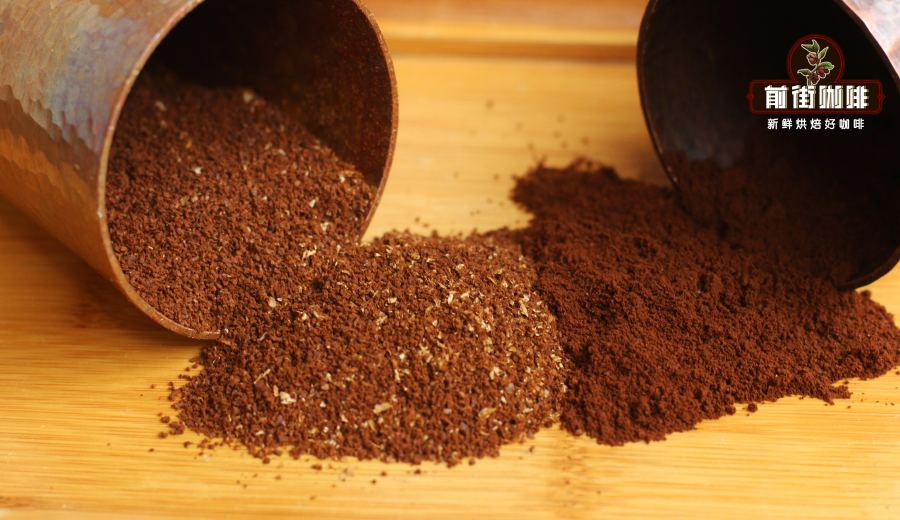
Introduction:Grind size is one of the key factors affecting flavor extraction in coffee, but the required fineness varies greatly among different brewing methods, and grinder calibration standards differ widely—often leaving beginners puzzled. This article provides an in-depth analysis of the ideal grind size ranges for common brewing devices such as pour over, cold brew, French press, espresso machines, and moka pots. It includes reference data on 20-mesh sieve passing rates, practical operation tips, and comparison charts to help you fine-tune your grind settings accurately and improve brewing quality.
“My grinder’s 10 setting is different from yours—so which one is right?” “How fine should I grind coffee for pour over?” These questions are ones many coffee enthusiasts have likely encountered. In reality, the coarseness or fineness of coffee grounds directly affects extraction yield, flavor expression, and body intensity. Different brewing methods, due to their unique extraction principles, also have specific requirements for coffee particle size. Solving this issue isn’t just about relying on grinder settings—it requires more scientific reference points.
Among the many measurement tools available,the Chinese standard 20-mesh sieve (with 0.85mm aperture)is the most commonly used tool for calibrating coffee grind size, also referred to as a “coffee powder sieve” or “cupping calibration sieve.” This sieve helps us quantify the coarseness of coffee grounds and determine whether they fall within the ideal range for a specific brewing method by measuring the “passing rate.”
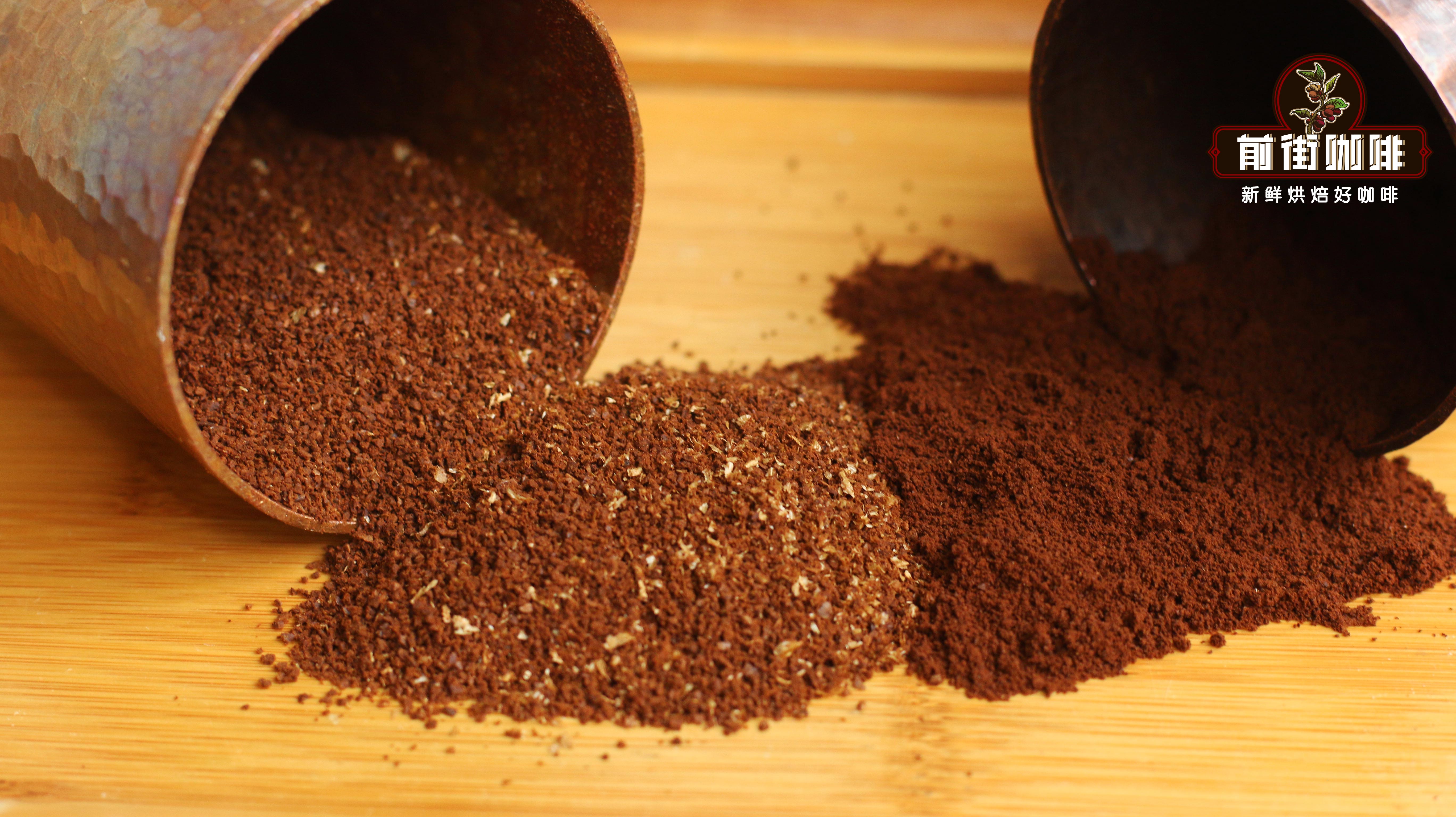
So, how do you use this sieve? The operation is actually quite simple: take 10 grams of coffee beans, roughly grind them to your target size, pour the grounds into the middle layer of the sieve, cover it with the lid, and gently shake it horizontally until no more coffee particles fall into the container below. Then weigh the coffee grounds that passed through the sieve. If 7 to 7.5 grams of the original 10 grams pass through, that represents a passing rate of about 70–75%, which is also the recommended grind range for most cuppings. The finer the coffee grounds, the higher the passing rate; the coarser, the lower.
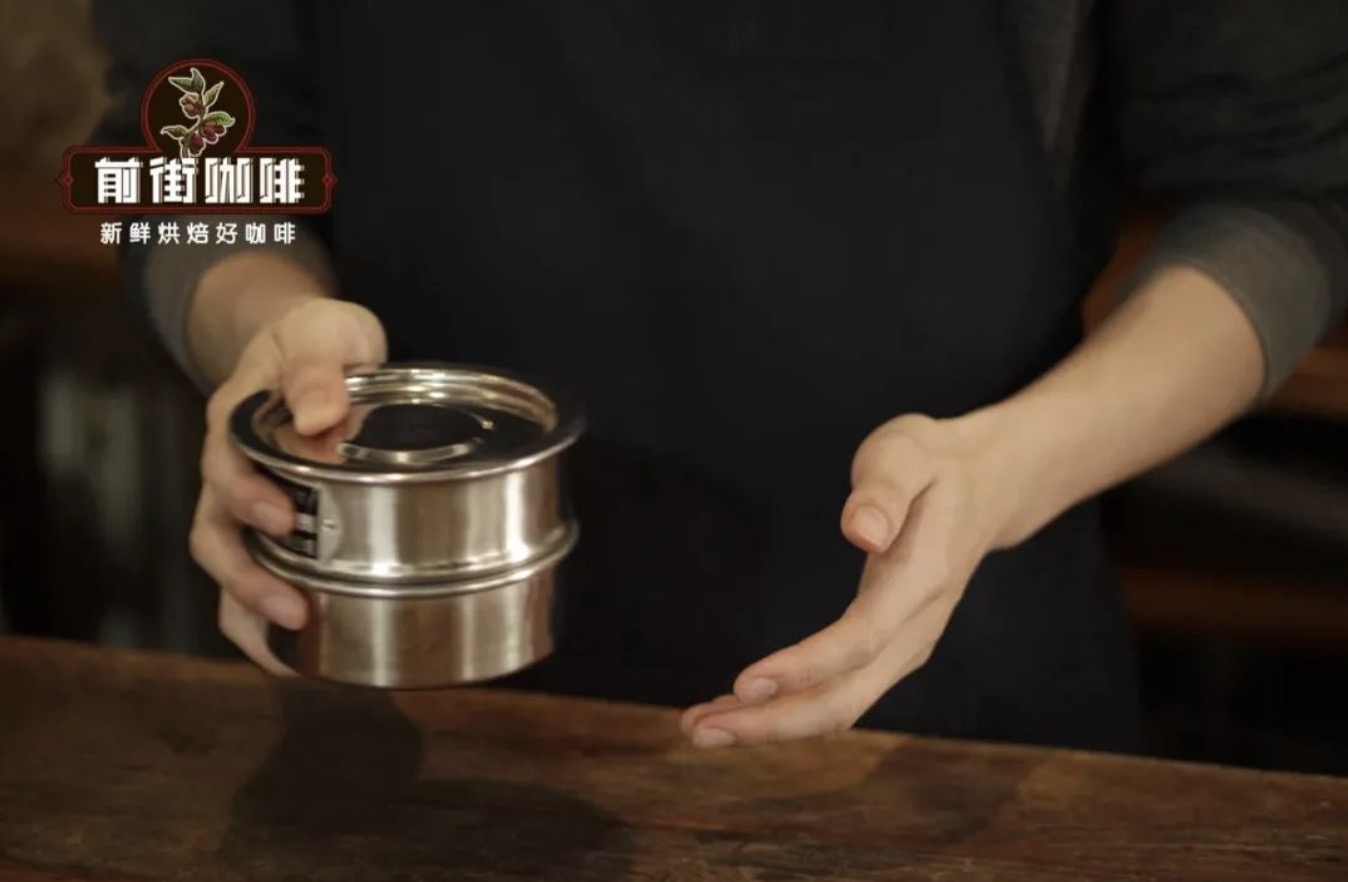
Below are the recommended grind parameters for several common coffee brewing methods, all based on the 20-mesh sieve passing rate, along with practical visuals for comparison.
Drip/ Pour Over Coffee: Suitable for V60, KONO, fan-shaped filters, clever drippers, etc. (20-mesh sieve passing rate 68–80%)
Pour over is a type of drip filtration extraction that uses hot water to pass through a bed of coffee grounds, then filtered through paper. Since the brewing time is usually relatively short, it is recommended to usea finer grind sizeto increase the contact area between water and coffee grounds and improve extraction efficiency.
If the coffee beans aremedium-light to medium roasted(such as Ethiopian or Colombian), it is suggested to aim for a 20-mesh sieve passing rate of75–80%; if the beans aremedium-dark roasted(such as Indonesian Mandheling or Blue Mountain coffee), then adjust to70–75%to avoid over-extraction and bitterness.
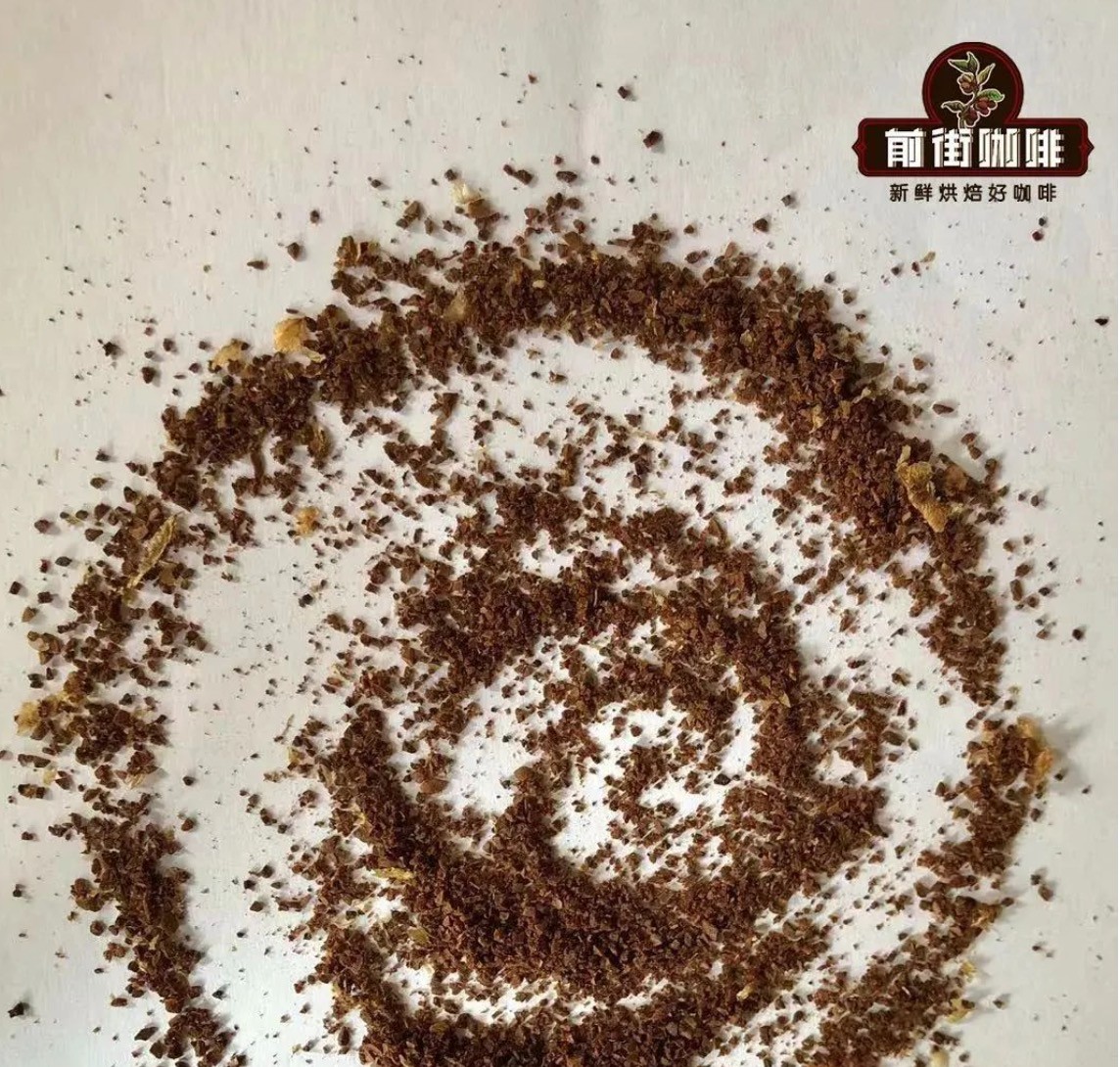
Immersion / French Press: Recommended coarser grind size (20-mesh sieve passing rate 68–75%)
The French press uses a metal filter and long immersion time (usually around 4 minutes), so it requiresa coarser grind sizeto prevent over-extraction and fine particle leakage, which can negatively affect mouthfeel.
Formedium-light to medium roastedcoffee beans, it is suggested to use a 20-mesh sieve passing rate of70–75%; whereas formedium-dark roastedbeans, it is recommended to adjust to65–70%for a more balanced flavor profile.
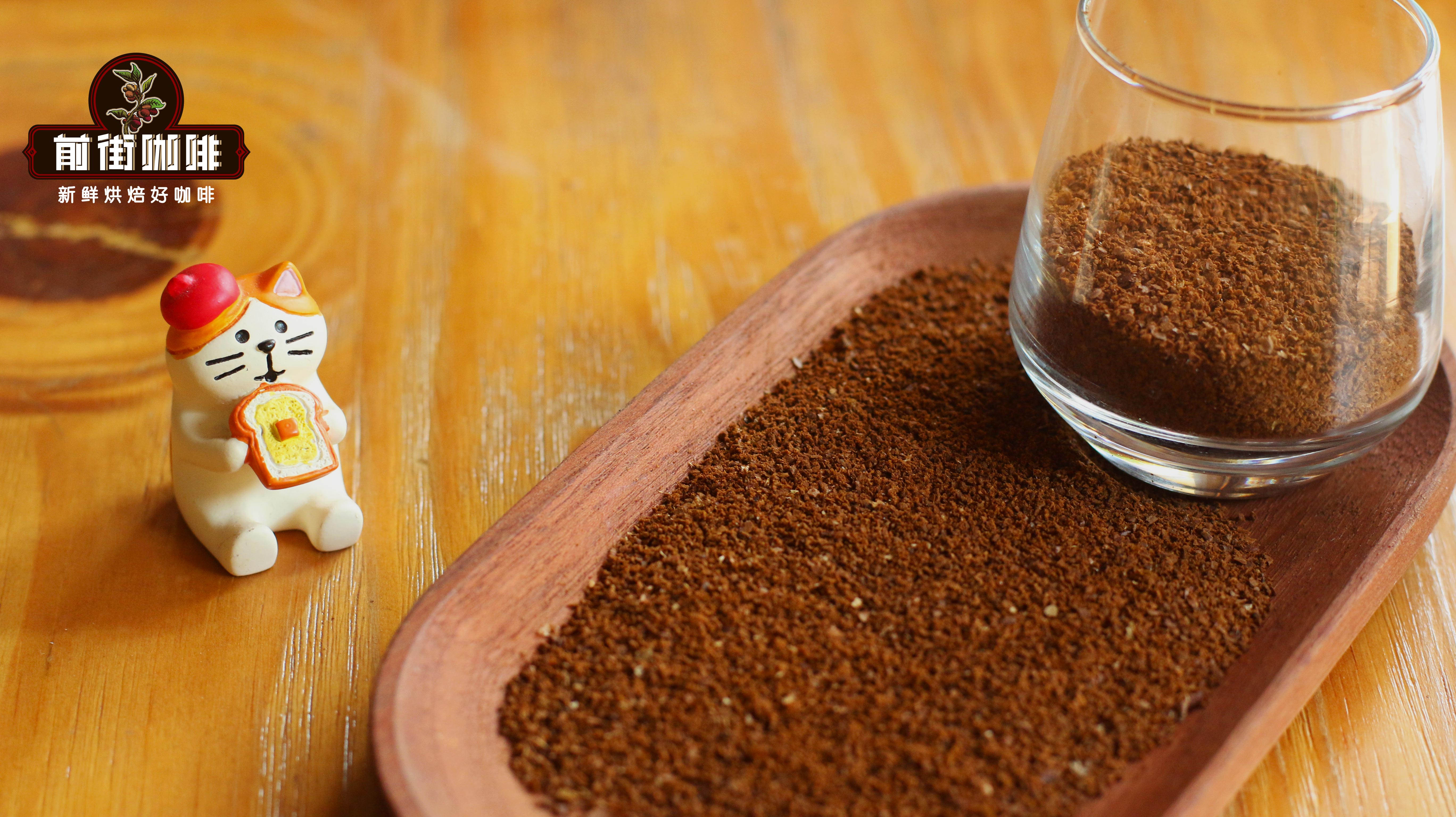
Cold Extraction / Cold Brew and Ice Drip: Recommended slightly finer but not overly fine (20-mesh sieve passing rate 80–85%)
Cold brew and ice drip occur in low-temperature environments where extraction is slow and takes a longer time (usually several hours) to fully release flavors. In this case, you can usea slightly finer grind sizeto allow flavor compounds to be slowly released without being overly extracted or clogging the filter due to excessive fineness.
A recommended grind size is a 20-mesh sieve passing rate of80–85%. If you prefer a richer taste, you can choose close to 85%; if you want a fresher flavor, adjust to 80%. If you don’t have a sieve, you can also go by the intuitive feel of “like fine salt, but not watery.”
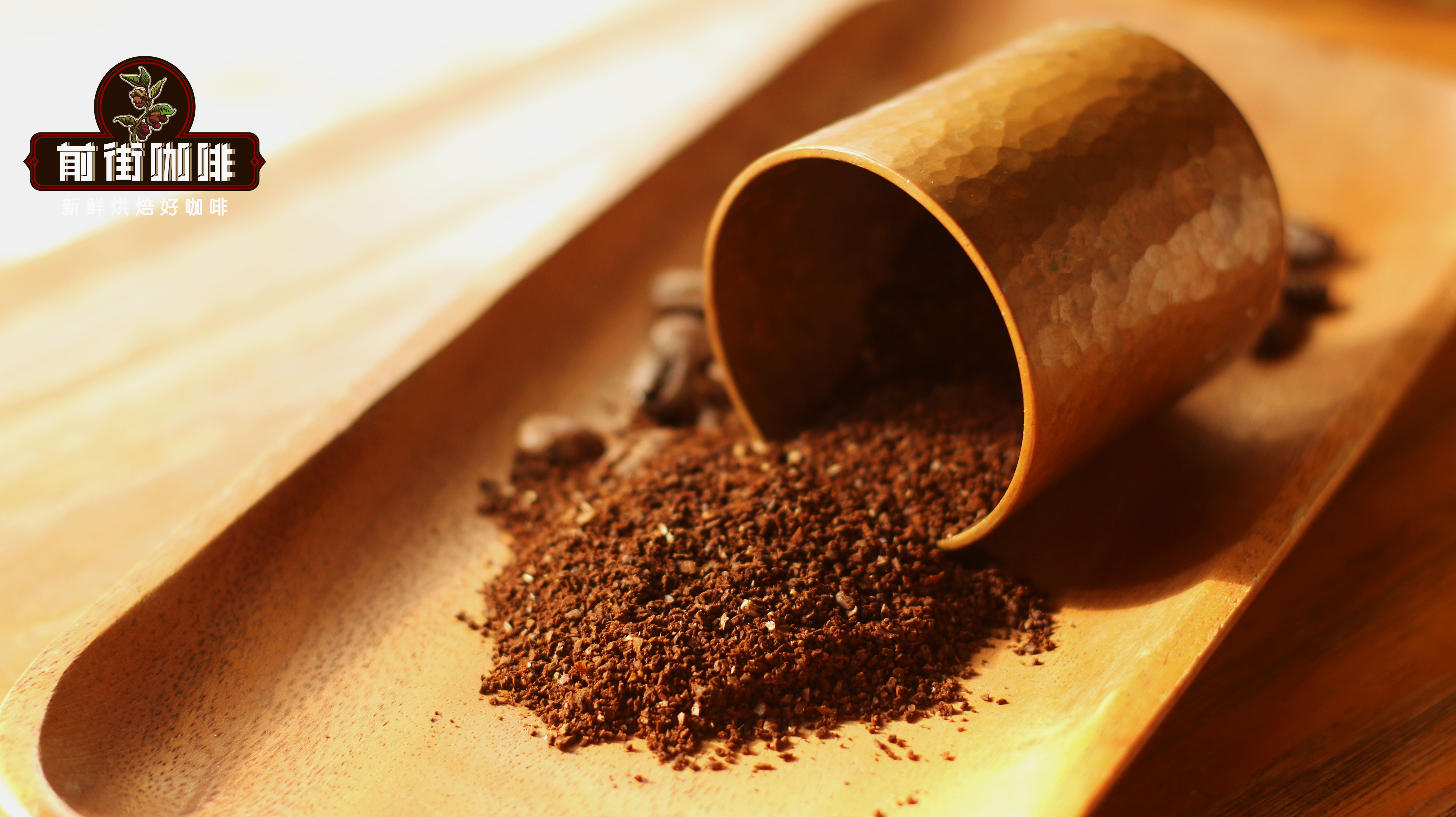
Pressure Extraction / Espresso Machine: Extremely fine grind, cannot be measured with a sieve
Espresso machines (such as those for making espresso other than moka pots) use high-pressure extraction and requireextremely fine coffee grounds, much finer than 0.85mm, and thereforecannot be measured with a 20-mesh sieve.
When adjusting, it is recommended to rely on actual extraction and tasting for judgment. A common reference is: 20 grams of coffee grounds, extracting 40 grams of espresso in 28 seconds (±1 second tolerance allowed). Fine-tune based on the espresso’s body, flavor intensity, and aftertaste.
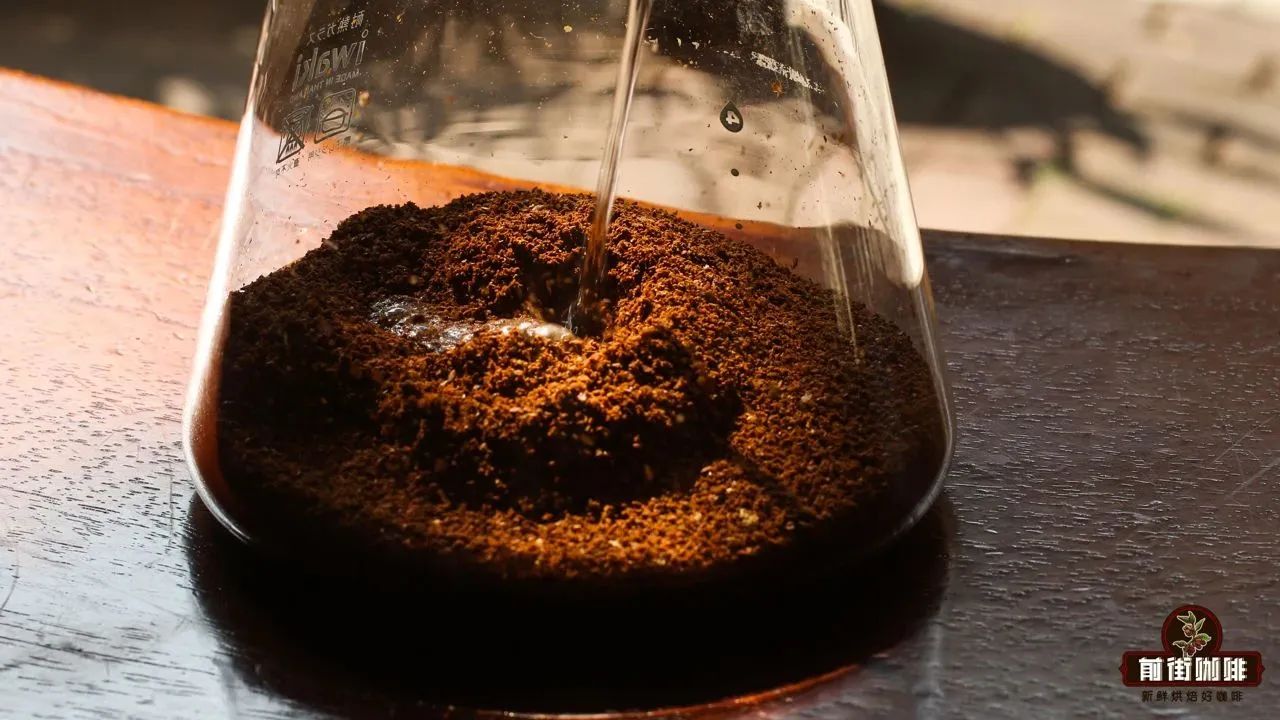
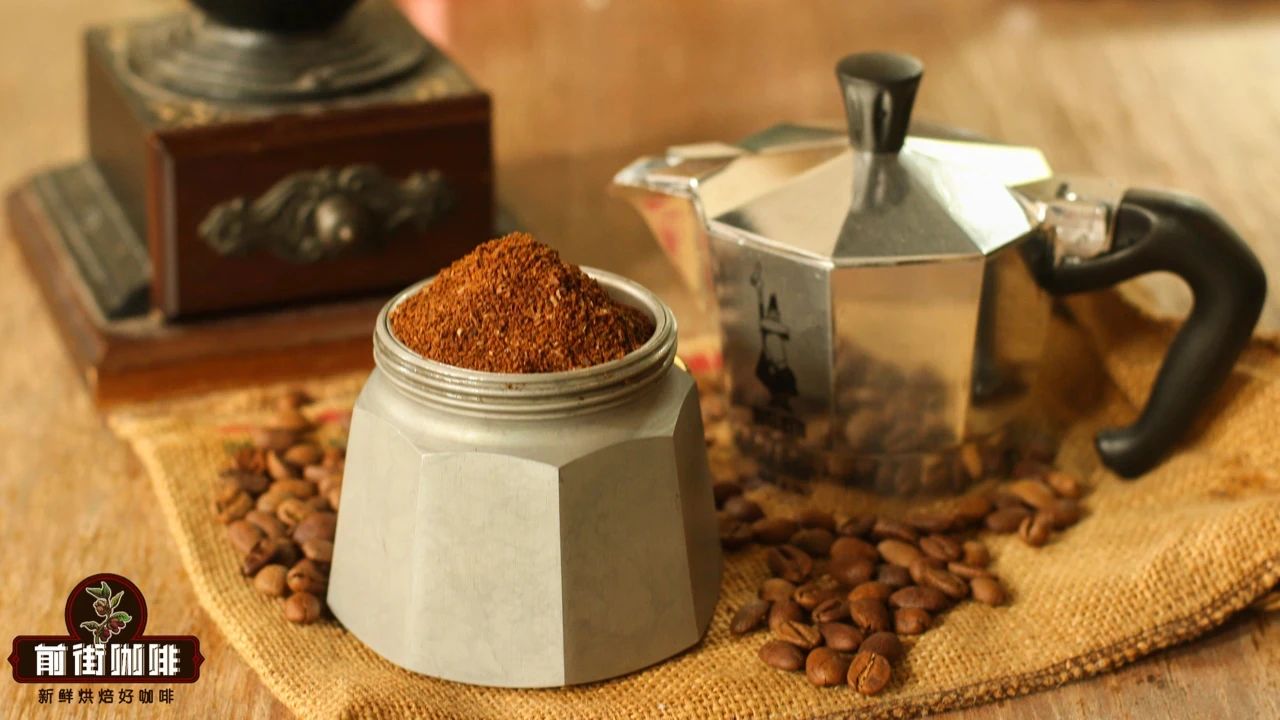
Steam Pressure Extraction / Moka Pot: Finer than pour over but not as fine as espresso (cannot be measured with 20-mesh sieve)
The moka pot also uses high-pressure extraction, though not as extreme as espresso machines, it still requiresvery fine coffee grounds, only slightly coarser than espresso, still far below 0.85mm, and thereforealso cannot be measured with a 20-mesh sieve.
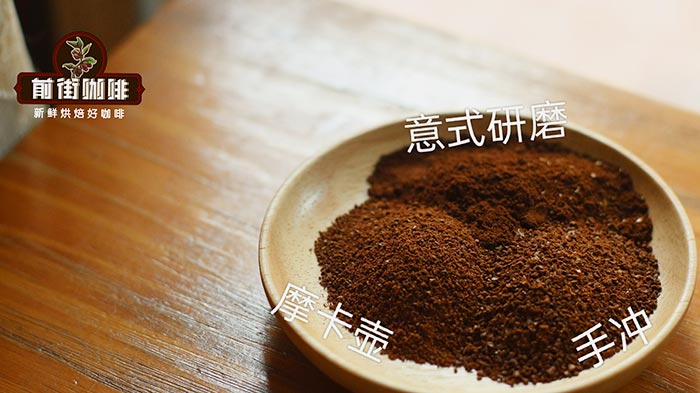
It is recommended to use the gap size of the moka pot filter basket as a reference—the coffee grounds shouldnot be able to pass through the basket gapsas a guideline, to avoid fine particles entering the coffee liquid and affecting taste. For actual grind fineness, please refer to the example image below.
The above content is compiled by CoffeeHunters, a coffee news website.


