







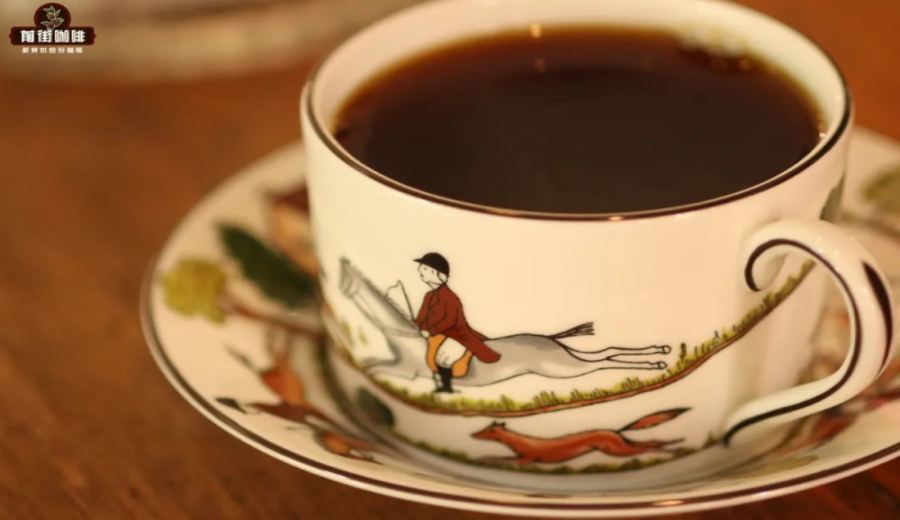
Introduction:Jamaican Blue Mountain coffee is hailed as one of the world’s top-tier coffees, with its unique flavor profile and stringent grading system drawing continuous attention. This article delves into the history, geographical conditions, varietal characteristics, and official grading standards of Blue Mountain coffee, while also explaining its washed processing method and roasting strategy. It also provides expert pour-over recommendations and extraction parameters to help you more precisely appreciate the richness and layered complexity of this classic coffee.
The reason Jamaican Blue Mountain coffee has become the dream of coffee enthusiasts worldwide isn’t just because of its fame, but due to its irreplaceable terroir and brewing craftsmanship. Yet many still wonder: is Jamaican Blue Mountain coffee really worth trying? What makes it so special? This article will take you through a comprehensive understanding of this classic coffee — from its historical origins and varietal background, to its grading, washed processing procedures, and even the most representative hands-on pour-over parameters for Blue Mountain No.1.
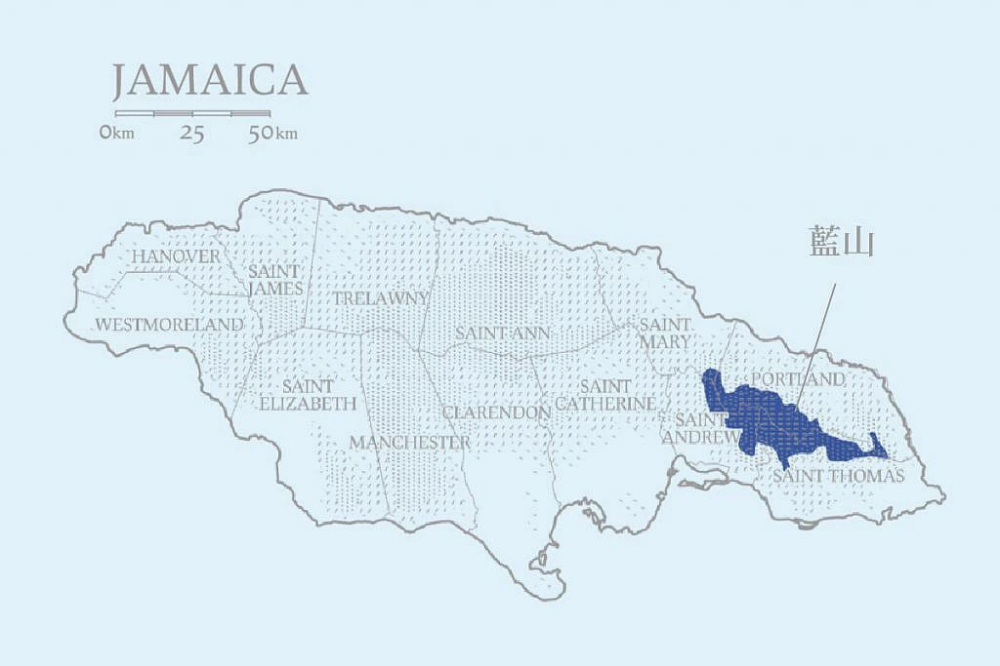
Jamaica’s coffee cultivation history began in 1723 when French officer De Clieu brought coffee seedlings from France to Martinique. Then in 1728, the Jamaican Governor, Sir Nicholas Lawes, introduced seeds and successfully trial-planted them locally. Soon after, coffee cultivation gradually expanded into the Blue Mountains region, eventually giving rise to the world-renowned Blue Mountain coffee. The Blue Mountains lie near the 25°N parallel within the coffee belt, characterized by a typical highland climate. With fertile volcanic soils, stable rainfall, and significant day-night temperature variations, they provide an almost perfect growing environment for the Typica variety.
The variety used in Jamaican Blue Mountain coffee is the ancient and rare Arabica Typica. Though this variety boasts exceptional flavor purity and a delicate mouthfeel, it also suffers from low disease resistance and yield. Most regions have long since switched to higher-yielding varieties, but the Blue Mountains, being within a specially protected area, have preserved this traditional cultivar. More importantly, even if Blue Mountain Typica is transplanted elsewhere, it’s very difficult to replicate the same flavor expression — which is one of the key reasons why Blue Mountain coffee is truly irreplaceable.
The grading system for Blue Mountain coffee is extremely strict and regulated by official institutions to ensure that all Blue Mountain coffee on the market meets certain standards. Although the Blue Mountains reach a maximum altitude of 2,256 meters, only areas below 1,700 meters are permitted for coffee cultivation. According to grading rules established in 1950 by the Jamaica Coffee Industry Board, only Arabica coffee grown between 910 and 1,700 meters above sea level qualifies as “Blue Mountain coffee,” accounting for about 25% of the country’s total coffee output. Lower-altitude areas are classified as either “High Mountain coffee” (460–910 meters) or “Prime coffee” (below 460 meters).
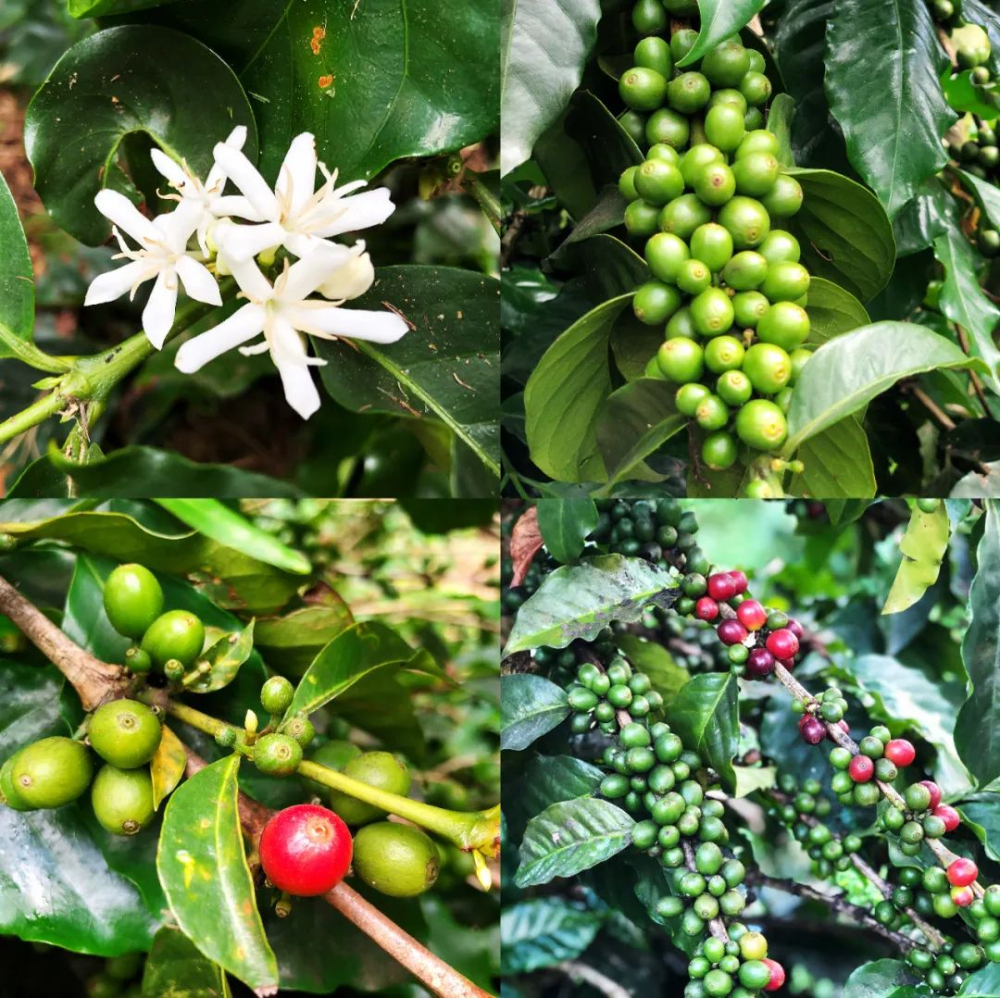
To maintain the high quality of Blue Mountain coffee, the region insists on using the traditional washed processing method. In this process, freshly harvested coffee cherries first undergo floatation to remove unripe or damaged fruit. Then the skin and pulp are removed, and the beans enter a fermentation tank for 12 to 18 hours to eliminate the mucilage layer. Next, water flow and friction are used to clean the beans until their surface is smooth, followed by shade drying to control moisture content between 12% and 14%. This processing method effectively reduces impurities and off-flavors, laying the foundation for the clean and bright flavor profile of Blue Mountain coffee.
After washed processing, the green beans are then carefully hand-sorted based on defect rate and bean size into four grades: No.1, No.2, No.3, and PB (peaberry). Among these, No.1 is the highest grade, commonly known as “Blue Mountain No.1.” It requires a defect rate of less than 2%, a bean size between 17 and 18 mesh, and a uniform appearance. Such beans typically possess the most balanced flavors and highest overall quality. The Blue Mountain No.1 commonly found on the market mostly comes from the Clifton Estate and is accompanied by a Certificate of Origin issued by the Jamaica Coffee Board and packaged in the exclusive “Blue Mountain Barrel” to ensure quality stability during transport.
The flavor profile of Blue Mountain No.1 coffee is dominated by rich black chocolate aromas, paired with a full body and balanced acidity and sweetness. To fully express these traits, roasters usually opt for a medium-dark roast level, which retains delicate acidity while enhancing the roundness and complexity of the mouthfeel. The Blue Mountain No.1 available on the market is presented based on this foundation, showcasing the classic Jamaican flavor profile.
For a coffee as delicate and layered as Blue Mountain No.1, pour-over is the extraction method that best preserves its essence. It is recommended to use freshly roasted beans (within about 5 days) that have undergone 4 to 7 days of resting to achieve optimal flavor. In terms of flavor character, Blue Mountain No.1 leans toward the bitter side, with notes of nuts, chocolate, and caramel. Therefore, it is advised to use relatively lower water temperature and slightly coarser grind size to avoid over-extraction and unwanted off-flavors.
To more accurately gauge grind size, it is recommended to have a 20-mesh standard sieve at home to check the actual grind fineness and ensure it matches the target sieve percentage (e.g., 75%). For equipment, the KONO filter cone, with its unique structural design, slows down the exhaust and increases extraction pressure, thereby boosting coffee concentration and body — making it an ideal choice for brewing Blue Mountain No.1.
Recommended pour-over parameters are as follows: use a KONO filter cone, with water temperature controlled at 88°C, a powder-to-water ratio of 1:15, a grind size passing 75% through a 20-mesh standard sieve (equivalent to the coarseness after sifting through a Chinese 20-mesh standard sieve), with a coffee dosage of 15 grams. Use the three-pour method: start by pouring 30 grams of hot water for a 30-second bloom, then slowly circle-pour from the center outward to 125 grams, and finally continue pouring once the water level drops to reach 225 grams. The total extraction time is approximately 2 minutes.
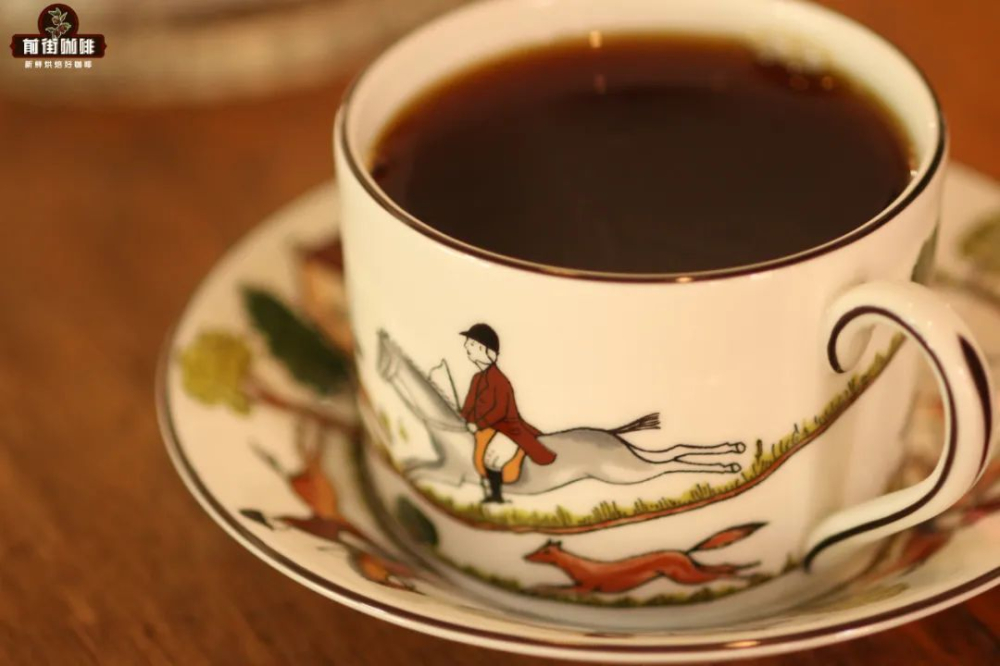
The brewed Blue Mountain No.1 coffee greets the nose with a strong black chocolate aroma. On the palate, it delivers the warmth of toasted bread and the fullness of nuts, with soft acidity and a sweet, lingering finish. The overall experience is balanced and refined, with almost no sharp bitterness, making it a classic representation of true Blue Mountain flavor.
The above content is compiled by CoffeeHunters, a coffee news website.


