







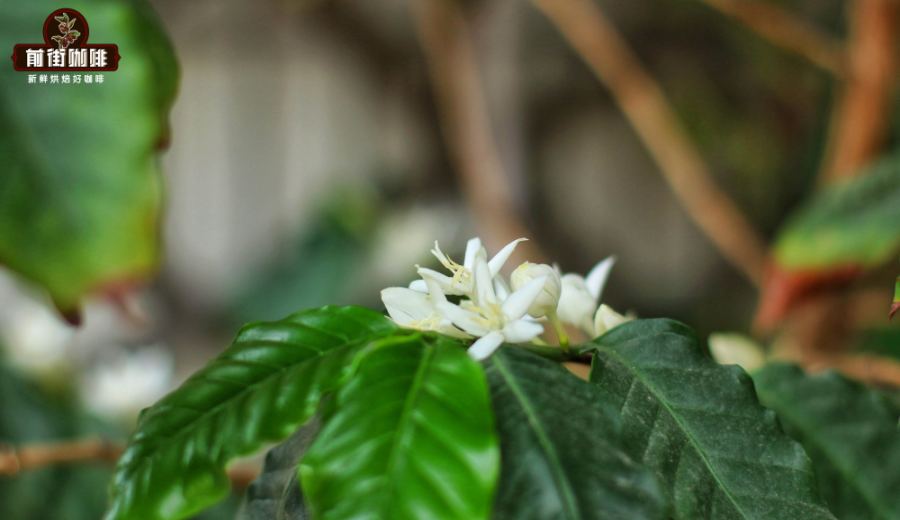
Introduction:Delve into the three core growing regions of Chinese Yunnan coffee—Pu'er, Baoshan, and Lincang—and explore how the unique terroir of each shapes the flavor profile of the beans. This article provides a detailed analysis of key cultivation factors such as altitude, climate, and soil in each region, explaining their impact on acidity, sweetness, and body. Help you find the most flavorful Yunnan coffee and master the optimal pour over parameters.
As an important coffee-producing region in China, Yunnan's specialty small-bean coffee is gradually gaining global attention. Among the many producing areas, Pu'er, Baoshan, and Lincang are not only major planting bases but also showcase distinct flavor characteristics, making them key regions for exploring the diversity of Yunnan coffee.
To produce a cup of coffee with excellent flavor, the growing environment plays a crucial role. Generally speaking, coffee preferslow latitude and high altitude, along with sufficient and evenly distributed rainfall, as well as moderate sunlight conditions. These factors collectively influence the ripening speed of coffee cherries and the accumulation of flavor compounds, resulting in different flavor profiles.
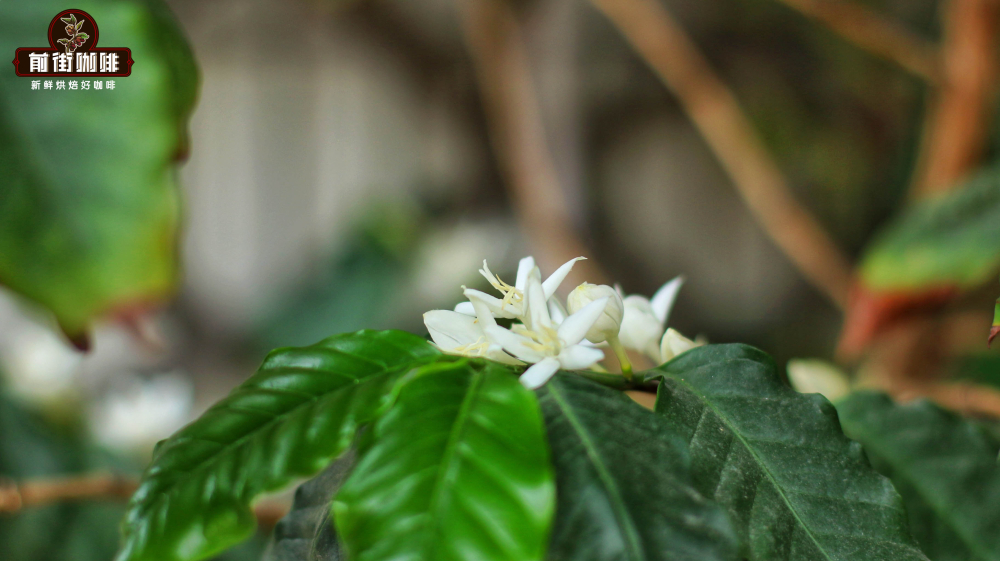
The ideal coffee-growing zone typically falls withinthe area between the Tropic of Cancer and the Tropic of Capricorn (latitude 28°N to 38°S), and within China, there are limited regions that meet the conditions for high-altitude cultivation, with Yunnan being the most representative. Most of the specialty coffee in this area is grown at elevations between1200 and 1600 meters. The significantday-night temperature variationbrought by the high altitude helps slow down the fruit ripening process, allowing sugars and flavor compounds to accumulate fully.
Currently, the cultivation of Yunnan small-bean coffee spans cities and prefectures including Pu'er, Lincang, Baoshan, Dehong, Nujiang, Xishuangbanna, Dali, and Diqing. Among them, the small-bean coffee from Pu'er, Baoshan, and Lincang is the most popular in the market due to its stable quality and distinctive flavors.
Pu'er City: A Blend of Plum Acidity and Fermented Tea Aftertaste
Pu'er City is a key hub of Yunnan’s coffee production, with coffee cultivation covering nine counties and districts: Simao, Ning'er, Mojiang, Jinggu, Jingdong, Zhenyuan, Jiangcheng, Lancang, Menglian, and Ximeng. The annual average temperature here ranges between17 and 20°C, and the planting altitude varies widely, from700 to 1600 meters.
According to practical cupping observations, small-bean coffee beans from high-altitude areas in Pu'er often exhibit pronouncedplum-like fruit acidity, complemented by richnutty and caramel sweetness, with a uniquefermented tea aftertastein the finish. The overall flavor profile is layered and dynamic.
Pu'er is not only famous for its tea and known as the “Origin of World Tea,” but it is also the historical starting point of the “Ancient Tea Horse Road.” With the rise of the coffee industry, Pu'er is now also hailed as the “Coffee Capital of China” and is an essential destination for understanding the development of Chinese coffee.
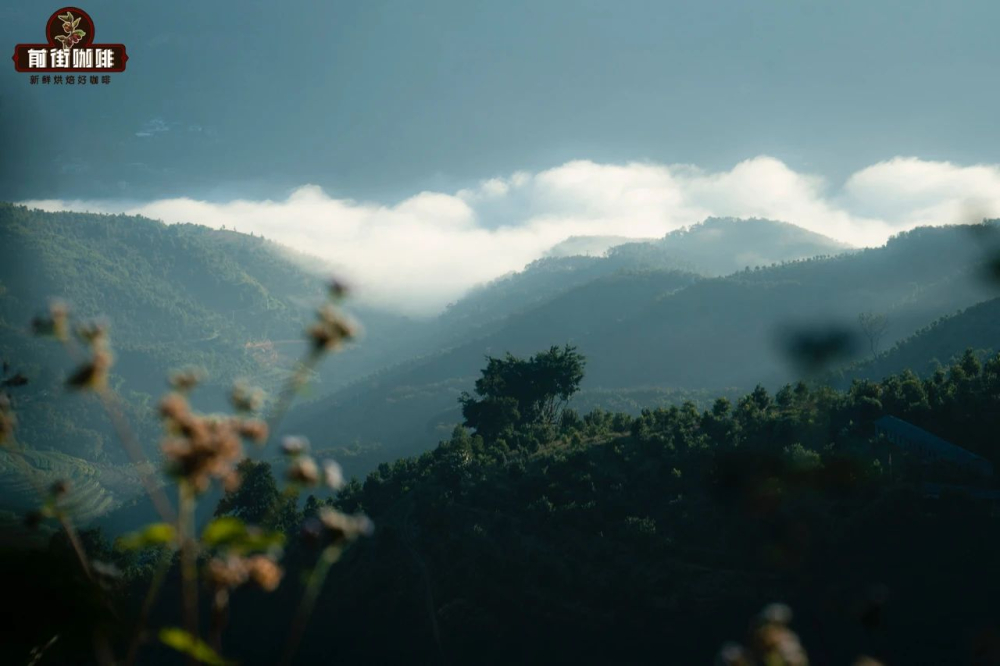
Baoshan City: Nutty Caramel Sweetness Under a Three-Dimensional Climate
Coffee cultivation in Baoshan City is concentrated in five counties and districts: Longyang, Longling, Shidian, Changning, and Tengchong. The small-bean coffee from this region holds the geographical indication certification of “Baoshan Small-Bean Coffee.” Baoshan features alow-latitude mountainous subtropical monsoon climate. Due to its complex terrain and significant altitude variations, it forms a unique three-dimensional climate where “one mountain has four seasons, and the weather changes every ten miles.”
The annual average temperature here ranges between14 and 17°C, with significant day-night temperature differences. Annual precipitation is unevenly distributed, ranging from about700 to 2100 millimeters. Coffee plantations are mostly located at elevations between1000 and 1500 meters. Such an environment gives the coffee beans a distinctnutty and caramel sweetness, making it suitable for coffee lovers who prefer a balanced and full-bodied flavor.
Lincang City: Clean and Elegant Flavors Nurtured by Day-Night Temperature Variation and Ample Sunlight
Lincang City is located in the southwestern part of Yunnan, bordering Myanmar. It boasts superior geographical conditions and a mild climate withsignificant day-night temperature variation. The area has asubtropical low-latitude plateau mountainous monsoon climate, and its varied terrain leads to rich microclimates, primarily influenced by the warm, humid air currents of the Indian Ocean and the southwest monsoon.
The annual average temperature here is moderate, and the sunshine duration is long,with annual average sunshine hours exceeding 2000 hours. The frost period is short, and some areas are even frost-free year-round. Coffee is mostly planted at elevations between1000 and 1600 meters. Coupled with distinct dry and rainy seasons, this helps ensure even ripening of the coffee cherries.
It is worth mentioning that a certain coffee brand, recognizing Lincang’s cultivation potential, established its own Typica plantation in the mountains at an altitude of1300 meters. Typica, one of the oldest Arabica varieties, is known for itspure flavor and clean taste, making it a representative variety of specialty coffee. This initiative also allows coffee enthusiasts to experience a more representative Yunnan small-bean coffee right from the varietal source.
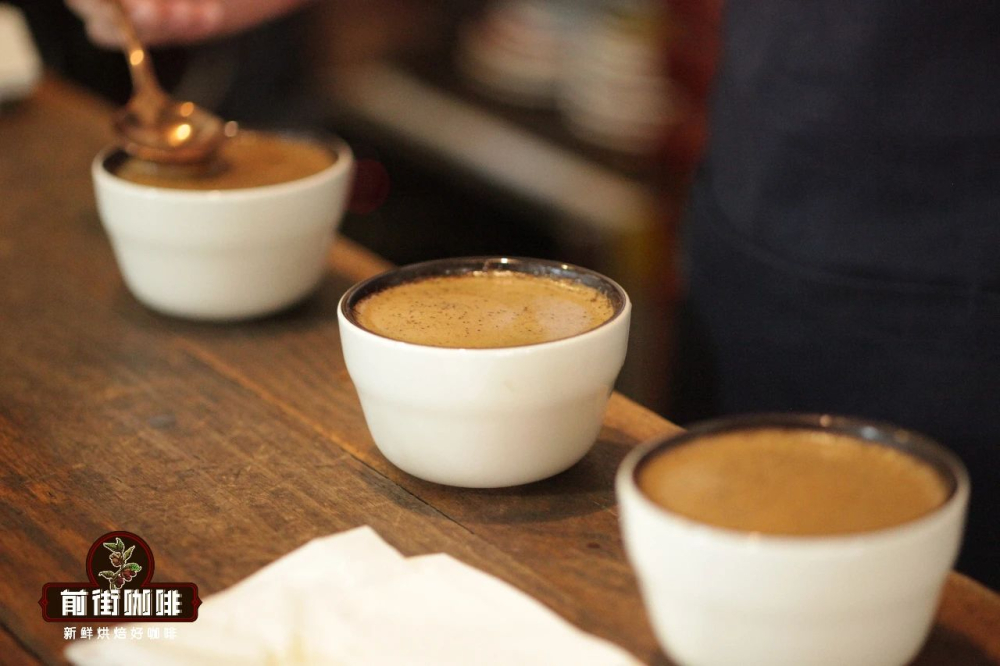
Yunnan Coffee Bean Recommendations and Pour Over Suggestions
Currently, the most commonly available Yunnan coffee on the market mostly comes from the Lincang and Baoshan regions, with flavor profiles generally showcasingnutty, caramel, and plum notes. To deeply experience the unique charm of Yunnan coffee, it is recommended to choose freshly roasted beans and use an appropriate pour over method to bring out its layered flavor expression.
It is recommended to use aV60 dripper, with abrew ratio of 1:15, and a grind size set tomedium-coarse (approximately like coarse sugar, with a 75% extraction rate through a Chinese No. 20 sieve). Water temperature should be controlled between88 and 89°C. During brewing, you can use thethree-pour method: the first pour adds30 grams of waterfor a30-second bloom; the second pour adds water in small circular motions up to125 grams, then continues adding water after the water level drops up to225 grams, with a total brew time of approximately2 minutes and 10 seconds. These parameters help balance acidity, sweetness, and body, making the unique flavors of Yunnan coffee clearer.
The above content is compiled by CoffeeHunters, a coffee news website.


