







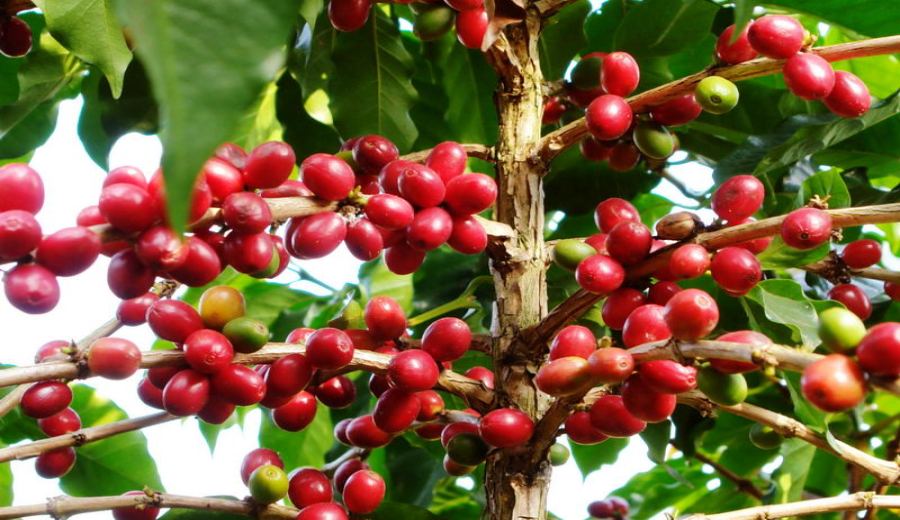
Introduction:Kenyan coffee is renowned for its vibrant acidity, rich layers, and full-bodied aftertaste, making it an essential choice for specialty coffee enthusiasts worldwide. This article delves into Kenya’s coffee-growing background, classic varieties such as SL28 and SL34, the unique K72 washed processing method, and offers expert pour-over brewing recommendations along with a flavor profile to help you fully grasp the charm of this East African star coffee—from bean selection to brewing.
The African continent has long been a significant producer of high-quality coffee, with Kenya and Ethiopia standing out as two of the leading representatives in the specialty coffee scene. Kenyan coffee is beloved by many coffee fans for its plump texture reminiscent of cherry tomatoes, bright and lively acidity, and rich yet balanced aroma. This article will provide a detailed introduction to Kenya’s coffee-growing environment, historical background, major cultivated varieties (such as SL28, SL34, Ruiru 11), grading system (AA, AB, PB, E, C, TT, etc.), as well as the most representative K72 washed processing method, paired with practical pour-over brewing tips and flavor descriptions to give you an in-depth understanding of what makes this East African coffee kingdom so unique.
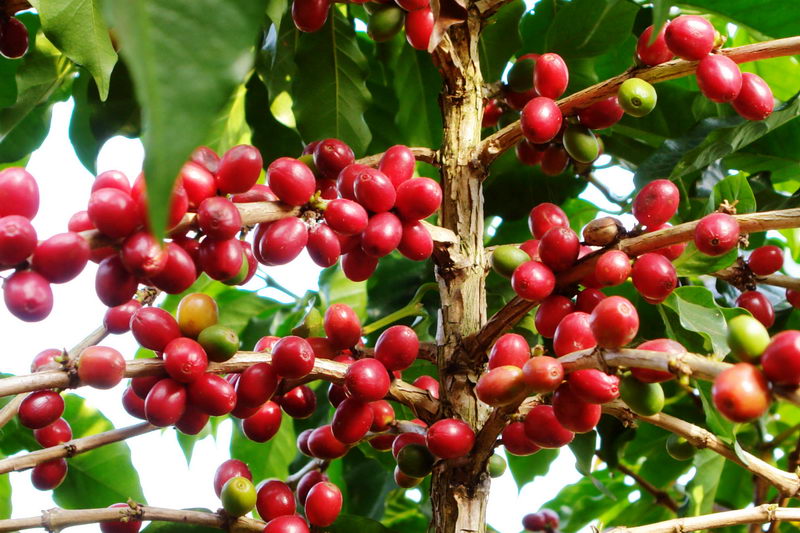
In the global coffee map, Africa has always played a pivotal role, with its coffees often celebrated for their floral and fruity aromas and clear acidity. Whether in urban cafes or rural markets, the aroma of coffee is ever-present, becoming a part of many people’s daily lives. When it comes to African coffee, many people first think of Ethiopia’s washed Yirgacheffe, known for its jasmine-like floral notes and lemony acidity. However, Kenyan coffee is equally distinctive, with its firm texture reminiscent of cherry tomatoes and distinct acidity upon tasting, coupled with an excellent balance of aroma and acidity, securing its place in the global specialty coffee market.
As an important coffee-producing country in Africa, Kenya’s flavor characteristics differ significantly from those of neighboring Ethiopia, mainly due to varying geographical environments and climatic conditions. Located in East Africa, with the equator running through it, Kenya borders the Indian Ocean to the east, Ethiopia to the north, and Tanzania to the south. It is a coffee hub in the East African region and an indispensable link in the global specialty coffee supply chain. The country has a tropical climate with two main rainy seasons each year, resulting in two coffee harvests: about 60% of the coffee is harvested from October to December, with the remaining 40% picked between June and August. The main coffee-growing areas are located roughly between the capital Nairobi and the slopes of Mount Kenya, in volcanic soil regions at elevations of approximately 1,600 to 2,100 meters. The high altitude results in cooler temperatures, slowing down the ripening process of coffee cherries and aiding the accumulation of flavor compounds, leading to more pronounced acidity and a solid bean structure—this is the core producing area of Kenya’s specialty coffee.

The history of Kenyan coffee dates back to the mid-to-late 19th century. In 1878, the British introduced coffee to Africa and subsequently established the first plantations in Kenya. At that time, Ethiopian coffee had already made its way to Kenya via South Yemen. It wasn’t until the early 20th century that the Holy Ghost Fathers Mission introduced the Bourbon variety to the region. After Kenya gained independence in 1964, the coffee industry continued to develop on this foundation, gradually establishing a comprehensive production and sales system, and becoming a globally recognized source of high-quality coffee. Notably, Kenya created a unique coffee auction system that effectively protects the interests of smallholder farmers and is also regarded as a significant practice embodying the concept of “fair trade coffee.”
In terms of varieties, Kenya primarily cultivates SL28, SL34, French Mission Bourbon, and Ruiru 11. Among these, SL28 and SL34 are the representative varieties of Kenyan coffee, accounting for about 90% of the country’s total coffee production. These two varieties originated in the 1930s when the newly established Scott Labs selected and bred them with the goal of finding the coffee varieties best suited to Kenya’s environment. Out of 42 initial candidates, SL-28 and SL-34 were ultimately chosen. SL28, derived from Bourbon, features copper-colored leaves and pea-shaped beans. Though its yield did not meet expectations, it has been widely praised for its outstanding sweetness, complex flavors, and prominent acidity, often exhibiting notes of citrus and dark plum. SL34 shares similar flavor profiles with SL28 but has a softer mouthfeel, higher clarity, and greater adaptability to rainforest environments. The beans of these two varieties look similar and are highly regarded by both coffee lovers and professional tasters.
Additionally, Ruiru 11 is a hybrid variety developed in 1985 against the backdrop of a major coffee leaf rust outbreak. Its original purpose was to increase yield and disease resistance rather than to focus on flavor performance, so it is less commonly highlighted as a single-origin offering in the specialty coffee market. However, it is still frequently found in some commercial blends used to reduce costs.
Kenya’s coffee grading system is quite rigorous, mainly categorizing beans based on size, shape, and hardness. From highest to lowest, the grades are AA or AA+, AB, PB, C, E, TT, T. Among these, AA and AB are the most common and popular grades in the market. AA-grade beans have a size of approximately 17 to 18 mesh (about 6.7 to 7.1 millimeters) and are known for their intense aroma and balanced acidity, symbolizing specialty quality for many coffee enthusiasts. AB-grade beans are a mix of beans that pass through A-grade (6.80 mm) and B-grade (6.20 mm) sieves, with a size of about 15 to 16 mesh (about 6.0 to 6.4 millimeters). Although slightly smaller in size, their flavor performance remains excellent. E-grade, also known as “elephant bean,” refers to oversized beans formed when two seeds fuse and develop together in the fruit. Though they exceed 18 mesh in size, they are typically rare due to being developmentally abnormal and are not considered a high-quality grade. PB (Peaberry) or small round beans account for only about 10% of all coffee beans. They form a round appearance because only one seed develops fully, and are often sold separately. Some consumers believe they offer a more concentrated flavor. TT and T grades mostly consist of lighter or defective beans sifted from higher grades and are relatively lower in quality.
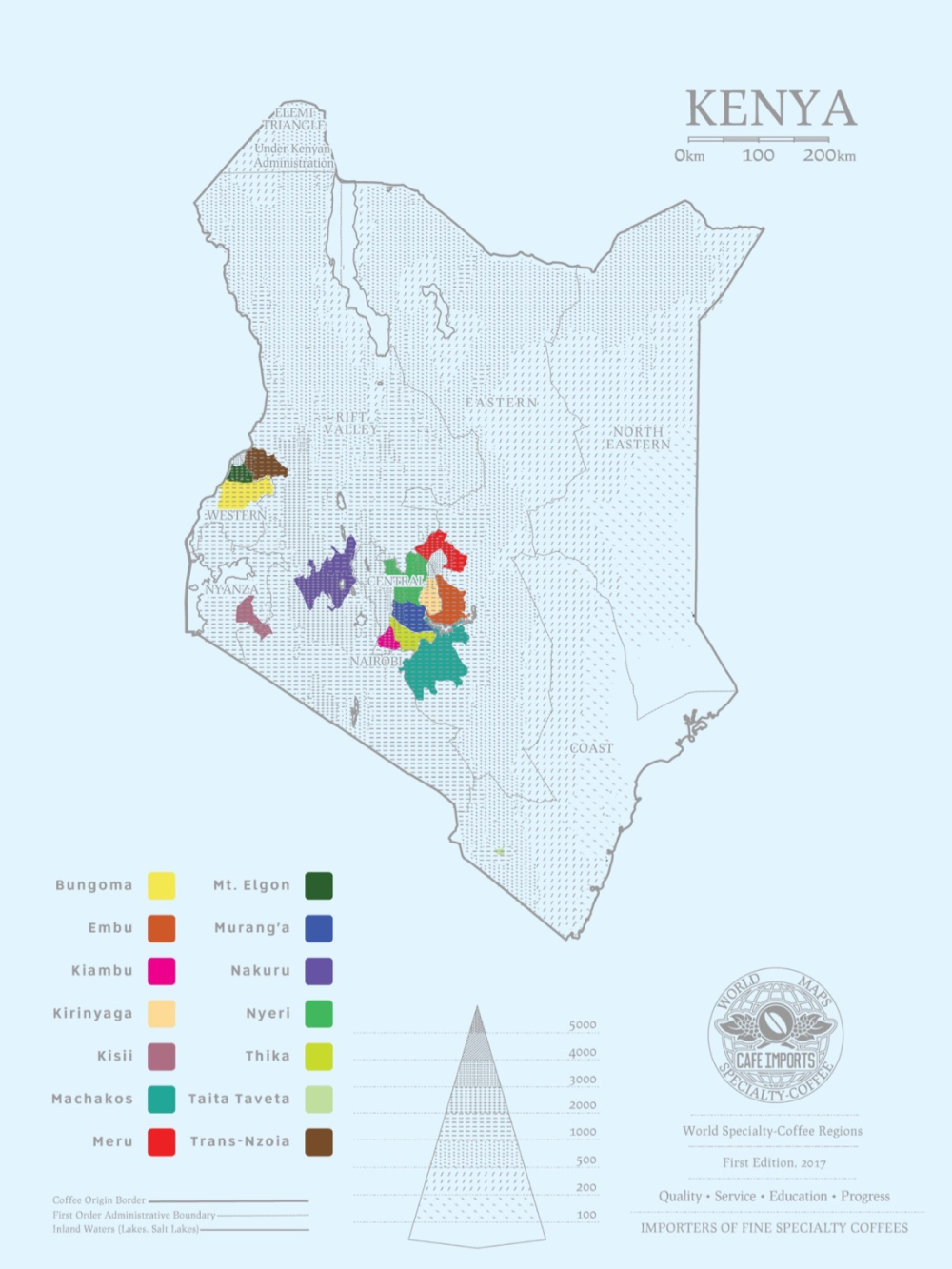
Kenya’s most famous processing method is the K72 washed process, a refined technique originating in Kenya that highlights the coffee’s bright acidity and clean taste. Take the Asali washing station as an example—it is located in Kenya’s central Thika region, near the Aberdare mountain range, where the soil is mineral-rich red volcanic earth, ideal for coffee cultivation. This washing station uses the K72 washed process, which is characterized by three rounds of 24-hour fermentation and washing cycles for the harvested coffee cherries, totaling 72 hours—hence the name. This meticulous process effectively removes pulp and impurities while preserving the coffee’s natural flavors and acidity, resulting in the distinctive bright acidity and rich aftertaste that define Kenyan coffee.
If you want to brew a Kenyan AA washed coffee at home, here are some practical tips: First, the freshness of the coffee beans is crucial—opt for beans roasted within the last five days to ensure optimal flavor. Generally, coffee beans enter their peak flavor window about 4 to 7 days after roasting. If you purchase coffee powder, although you can brew it immediately, the larger surface area exposed to air leads to faster oxidation and quicker flavor loss, so it’s best to use it promptly. Therefore, for the best drinking experience, it is recommended to buy whole beans and grind them fresh for brewing.
It is recommended to use a V60 dripper for pour-over brewing, with water temperature controlled at 90°C. The water-to-coffee ratio is suggested to be 1:15—for example, 15 grams of coffee grounds to 225 milliliters of water. The grind size can be referenced to 80% passing through a Chinese Standard No. 20 sieve. During brewing, start with a 30-gram bloom pour for 30 seconds to release carbon dioxide from the coffee grounds, then continue pouring in small circles until reaching 125 grams for the first pour. Proceed to pour up to 225 grams before stopping, and let the dripping finish before removing the dripper. The total extraction time is about 2 minutes. Such parameters help fully showcase the layered flavors and acidity characteristic of Kenyan coffee.
The brewed Kenyan coffee often carries subtle notes of jackfruit, floral scents, and pine, with a palate featuring pronounced acidity from dark plum, lemon, citrus, and cherry tomato. The finish offers a sweet, caramel-like note and a silky, juice-like texture. If you’re accustomed to the bright and crisp profile of Ethiopian washed Yirgacheffe, Kenyan coffee will provide a distinctly different taste experience—more intense acidity, richer aroma, and an overall fuller body with greater complexity.
The above content is compiled by CoffeeHunters, a coffee news website.


