








Introduction:Latte is one of the most common beverages made at home by coffee enthusiasts, but brewing a smooth, latte-art-friendly cup involves more than just pouring espresso and milk. From the roast level of the beans to the choice of milk, there’s a lot to consider. This article will delve into the characteristics of coffee beans ideal for latte, including recommended roast levels and suitable blends, and provide practical bean selection tips and flavor analyses tailored for popular home espresso machines like De’Longhi, Gaggia, and Prisma. Help you easily brew a well-balanced and delicious latte.
Among many coffee drinks, latte has become the top choice for many home coffee lovers due to its high milk content. However, don’t assume that simply adding hot milk to espresso makes the perfect latte—every step, from selecting the right beans to pairing with milk, affects the final flavor.
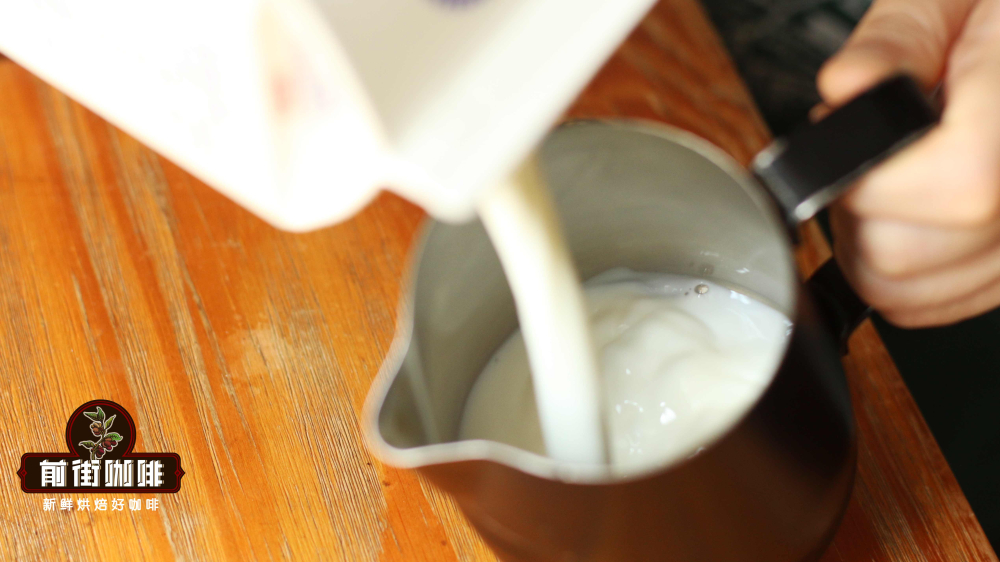
First and foremost, the choice of milk is crucial. It’s recommended to use fresh milk with higher fat and protein content. This type of milk not only enhances the creamy texture of the coffee but also helps stabilize the foam and improve its fluidity when steaming, giving the latte a more layered appearance.

As for the coffee beans, medium-dark roasted espresso beans are most suitable for latte. During roasting, these beans develop intense caramel, cocoa, and creamy aromas, which balance perfectly with the sweetness of the milk. For those just starting to make latte at home, choosing beans with these flavor profiles can reduce the chance of mistakes and make it easier to produce satisfying results.
Common beginner-friendly beans include blends featuring buttery, cocoa-cookie, and creamy chocolate notes. These beans usually have a richer body with moderate roasted aromas, harmonizing very well with sweet milk and enhancing the overall drinkability of the beverage.
For home users with entry-level espresso machines like De’Longhi, Gaggia, or Prisma, these models may offer an extraction pressure of 5–9 bar, but their stability often doesn’t match that of professional commercial machines. Therefore, it’s recommended to choose commercial-grade blends designed for cafés—known for their stability and rich crema—which can help improve extraction performance and latte art results.
For example, a commercial blend combining Brazilian and Colombian beans typically features a base flavor of chocolate and nuts, with a small amount of Robusta added to boost body and crema performance. This combination delivers a rounder latte mouthfeel and makes it easier to produce fine, stable microfoam.
If you prefer a latte with a fresher, fruitier flavor profile, you can try a blend made from beans sourced from Costa Rica, Colombia, and Ethiopia. Such beans often exhibit pronounced floral and fruity aromas—like rose, sweet orange, grape, and dried blueberry. When paired with fresh milk, they present a livelier taste profile, with a hint of almond bitterness and aroma in the aftertaste that adds depth to the drink.
In summary, choosing the right roast level and blend direction is key to making a great latte. No matter which home espresso machine you use, as long as you understand the characteristics of the beans and pair them with suitable milk, you can easily enjoy a café-quality coffee experience at home.
The above content is compiled by CoffeeHunters, a coffee news website.


