








Introduction:Want to understand what makes a truly high-quality espresso? From the formation of golden crema, the balance of flavors, to how you can craft a distinctively flavorful shot through proper extraction techniques and equipment adjustments—this article delves into the critical impact of extraction pressure, portafilter handling and tamping techniques, and recommends several espresso blends suited for different needs. It’ll help you elevate your espresso quality from basics to advanced levels.
Espresso is the core foundation of many classic coffee beverages, whether it’s a latte, cappuccino, or simply enjoying a straight shot. The flavor profile of a great espresso demands precision. An ideal shot should have a rich, full-bodied mouthfeel, along with delicate acidity and a long-lasting aftertaste—all of which are closely tied to the finer details of the extraction process.
First, let’s look at what qualifies as a good espresso. The most直观 characteristic is that layer of golden crema on the surface. This fine, dense foam not only carries intense coffee aroma but should also evenly cover the liquid surface without obvious holes or separation, and without exposing the coffee underneath. In terms of taste, it should be smooth without any graininess, rich yet not bitter, with moderate brightness and a distinct aftertaste—offering layers of flavor from the first sip to the finish.

To achieve such an extraction, in addition to choosing the right coffee beans, each step of the brewing process is key. From cleaning the portafilter, grinding the coffee, dosing, to distributing the grounds, tamping, and finally extracting, every stage directly affects the final flavor.
First is portafilter cleanliness. Before extraction, always remove the handle and thoroughly clean the inside of the portafilter with a clean, dedicated cloth to ensure there’s no leftover coffee grounds or water stains. This prevents off-flavors from affecting the current shot.
Next is grinding and dosing. Espresso must use freshly ground coffee to ensure optimal freshness and aroma. Before dosing, it’s recommended to place the handle on a scale and zero it out, then accurately measure the required amount of coffee—typically around 20 grams for a double shot—and ensure the dose is consistent and evenly distributed. When dosing, make sure the coffee is spread uniformly across the portafilter, avoiding any uneven clumps or gaps.

The next step is distribution. To ensure the coffee grounds are evenly spread in the portafilter, it’s advisable to use a distribution tool. This helps prevent uneven extraction or channeling caused by inconsistent puck density. After distribution, the coffee bed should be level and compact, laying a solid foundation for tamping.
Tamping is one of the key factors influencing extraction uniformity and flow rate. When tamping, keep the tamper perpendicular to the portafilter and apply even, moderate pressure. Too light a tamp results in a loose puck, causing fast water flow and under-extraction; too heavy a tamp makes the puck overly compact, restricting flow and leading to over-extraction or uneven channels. A general recommendation is to tamp with a pressure of around 30 to 40 pounds, adjusting slightly based on specific conditions.
Finally, lock the handle into the machine and begin extraction. Be especially careful during this step to avoid bumping the handle against the machine, which could cause cracks in the puck and lead to channeling—resulting in over-extracted areas alongside under-extracted ones. Once locked in, start the extraction immediately while observing the flow rate, color, and total output. A typical starting parameter is: using 20 grams of coffee, at 9 bars of pressure, extracting about 40 grams of coffee in 25 to 30 seconds, with a brew ratio of roughly 1:2. During actual operation, you can further fine-tune grind size, tamping pressure, or extraction time based on the flavor outcome.
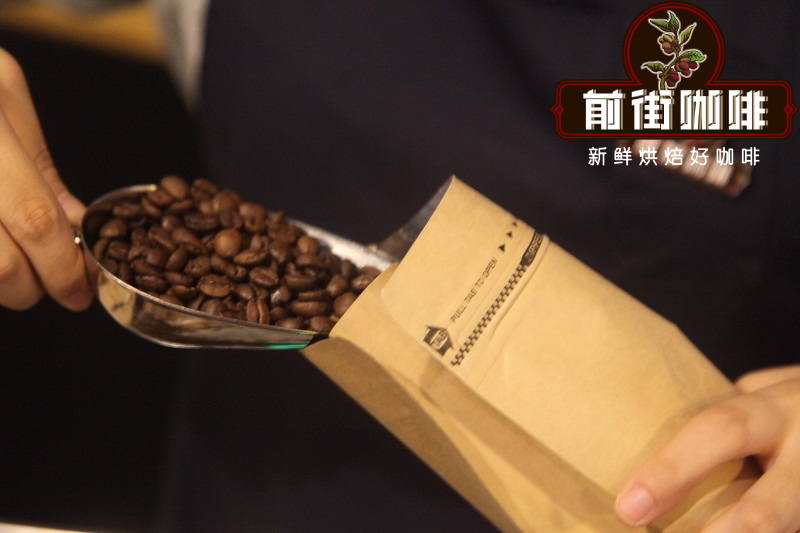
As for coffee bean selection, it is also a crucial factor influencing espresso flavor. Typically, espresso blends combine beans from different origins—for example, medium-to-dark roasted beans from Brazil to provide a rich base, paired with beans from Indonesia or Vietnam to add complexity and enhance crema. These blends are carefully crafted to showcase intense caramel, chocolate, and nutty notes under medium-to-dark roasts, while retaining balanced acidity and aftertaste. They’re well-suited for coffee lovers who enjoy milk-based drinks or straight espresso.
Additionally, to ensure optimal extraction, it’s recommended to let freshly roasted beans rest for about 3 to 7 days after roasting to allow residual CO₂ to dissipate properly, which helps stabilize extraction and flavor. Also, before each use, check the beans’ freshness to avoid using expired or improperly stored coffee, which can negatively affect the final shot quality.
The above content is compiled by CoffeeHunters, a coffee news website.


