








Introduction:Want to easily brew espresso at home with café-quality flavor? The moka pot is a practical and cost-effective home brewing tool—simple to use but demanding in detail. This article systematically explores key factors in moka pot extraction, from coffee bean selection and grind size to water-to-coffee ratio and heating techniques, along with practical adjustment tips. It helps you avoid common mistakes and consistently brew richly crema-ed, balanced coffee, whether making Americano, latte, or creative variations.
Thanks to its simple structure and ease of use, the moka pot has become an indispensable tool for many coffee enthusiasts. With the right method, you can brew coffee with rich crema and layered flavors at home, rivaling café quality. However, every step—from bean selection to extraction—holds subtle tricks, and even small missteps can affect the final taste.
First, let’s talk about coffee bean selection.Medium-dark roastis the gold standard for moka pots—these beans, due to their darker roast, retain abundant carbon dioxide internally, which forms a fine crema layer during extraction, giving the coffee a bold taste and rich finish. Additionally,freshnessis crucial: the peak flavor period is around 40 to 50 days post-roast, with aroma and crema noticeably declining after two months. It’s recommended to choose freshly roasted beans within 5 days for optimal performance.

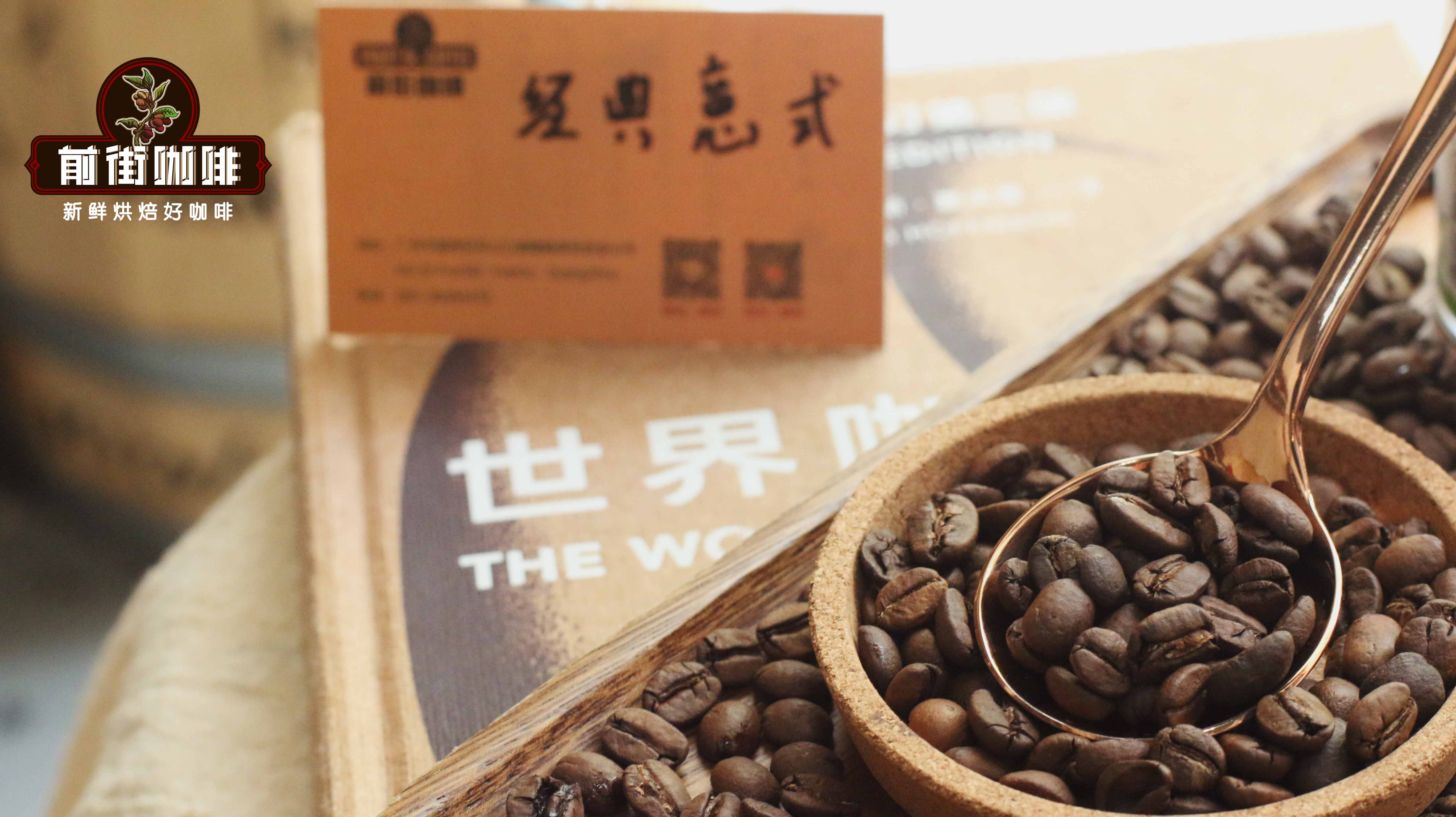
Beans suitable for moka pots mainly fall into two categories: medium-dark single-origin beans and Italian-style blends. If you prefer pure flavors, opt for high-altitude single-origin beans—such as medium-dark Brazilian beans, often featuring creamy peanut aromas and cocoa-milk notes, with a sweet and refreshing finish. For a classic café-style espresso, Italian blends are a more practical choice—they typically combine beans from Brazil, Indonesia, and Vietnam, balancing caramel sweetness with the wild character of Asian beans, offering dense crema and suitability for various brewing methods.
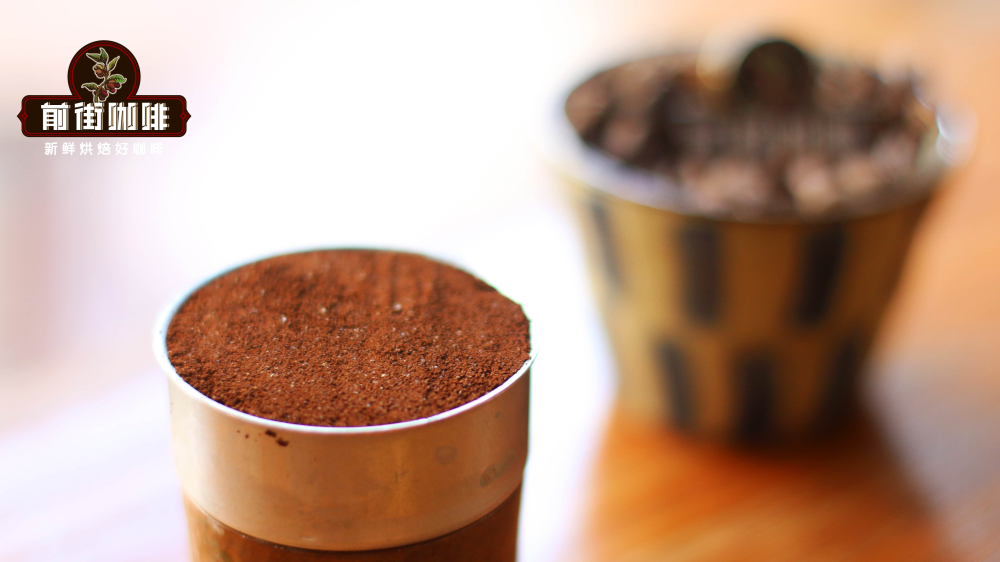
Regarding grind size, this is a common pitfall for beginners.The recommended coffee particle size for moka pots is between 0.3 to 0.55 mm, slightly coarser than the extra-fine grind of standard espresso machines (closer to the texture of fine salt). If ground too coarse, water passes through too quickly, leading to under-extraction and thin flavor; if too fine, excessive resistance can cause over-extraction and even pose a risk of the pot exploding due to high pressure. In practice, rub the coffee grounds between your fingers to check for a uniform, fine granular texture.
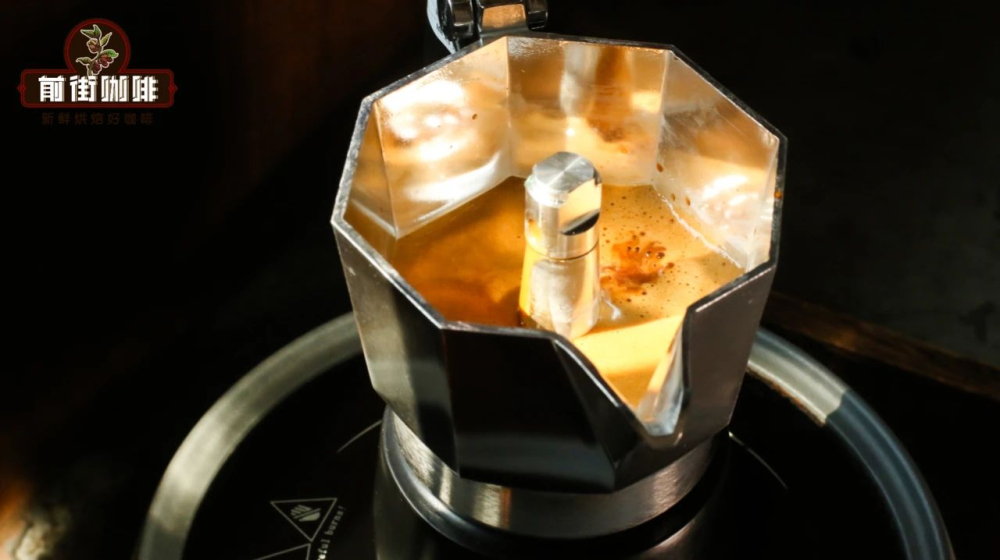
Preparation is also important: have freshly ground coffee, water, a moka pot, and a heat source ready (electric stove or open flame both work, but safety is essential with open flames). Here are the detailed steps:
The first step is adding water.It’s recommended to use hot water(for example, a double single-valve moka pot can take 130ml), which shortens heating time and improves extraction efficiency. Next, add about 18g of coffee grounds to the filter basket, gently tap to let the grounds settle naturally and fill gaps, reducing channeling effects. After leveling the surface, avoid tamping if using fine grounds to prevent increased resistance and poor water flow.
The third step is tightly screwing the upper and lower parts of the pot together.If the pot contains hot water, use a damp cloth for insulationto prevent burns. Then place the moka pot on the heat source and begin heating. Once you hear a distinct hissing sound (indicating the water is about to push the coffee out), immediatelyreduce to low heat—high heat accelerates steam production, leading to excessive pressure and fast flow, resulting in under-extracted, bland coffee.
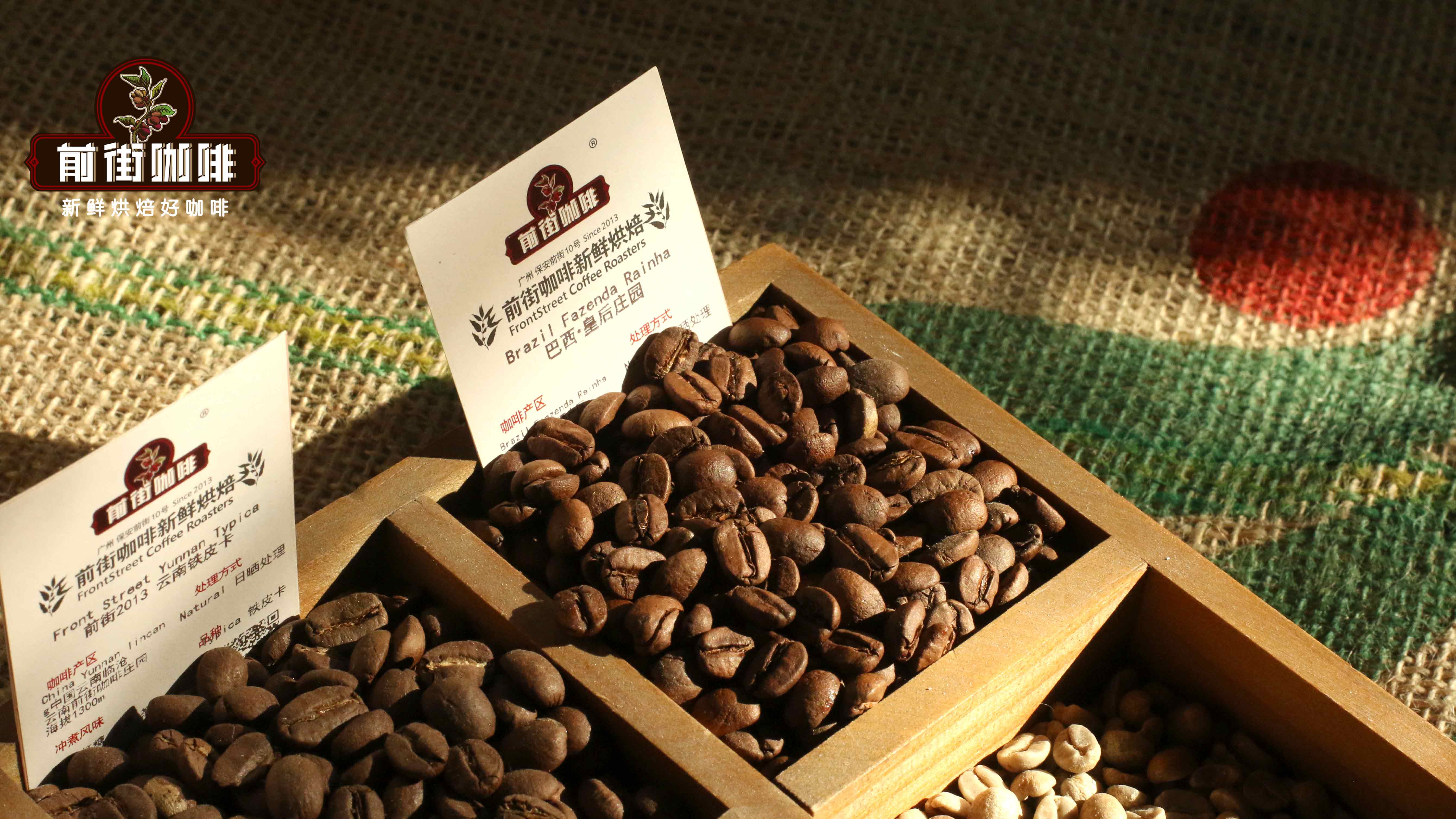
When about half the coffee has flowed out, it’s recommended to turn off the heat.The remaining extraction can be completed using the residual heatin the pot, avoiding over-extraction that leads to burnt bitterness. After the flow stops, you can pour and taste the coffee: if the flavor is overly burnt or bitter, shorten the extraction time; if the taste is too acidic with noticeable off-flavors, the grind may be too coarse or extraction insufficient—adjust the grind or moderately increase water volume.
Moka pot coffee is versatile: drink it straight as espresso; dilute with hot water for black Americano; add heated fresh milk (60-65°C) to replicate café-style latte; or pair with ice and condensed milk to mimic Vietnamese coffee’s unique taste. Different beans also bring surprises—for example, the nutty profile of Yunnan small-bean and Brazilian Red Bourbon blends, premium blends rich in mixed nut aromas, or commercial blends with dense crema and bold body—all suit moka pot extraction. Readers are encouraged to experiment to find their personal favorite.
The above content is compiled by CoffeeHunters, a coffee news website.


