







Introduction:Kenyan coffee is renowned for its bright acidity and rich fruity notes, making it one of the most iconic representatives in the global specialty coffee market. This article delves into the characteristics of Kenya’s major producing regions, how altitude and microclimates influence flavor profiles, and analyzes the traits of classic SL28, SL34, and French Mission Bourbon varieties. It also details the processing differences between the K72 washed and refined natural methods. Additionally, we compare three popular Kenyan beans from a well-known brand—Karogoto, Atharia, and Hania—in terms of flavor profiles, roasting parameters, and pour over recommendations to help you discover your personal preference for Kenyan coffee.
As one of Africa’s most representative specialty coffee regions, Kenya stands out with its vibrant acidity, delicate fruitiness, and excellent body, earning a solid reputation among global coffee enthusiasts. Moreover, Kenya’s coffee industry structure, variety cultivation, and processing techniques are often regarded as industry benchmarks. This article will take you through a comprehensive exploration of Kenya coffee’s uniqueness—from regional geography and climate conditions, key cultivated varieties, to the iconic K72 washed and natural processing methods—and includes a practical comparison of three popular Kenyan beans on the market—Karogoto, Atharia, and Hania—in terms of flavor expression and brewing recommendations.
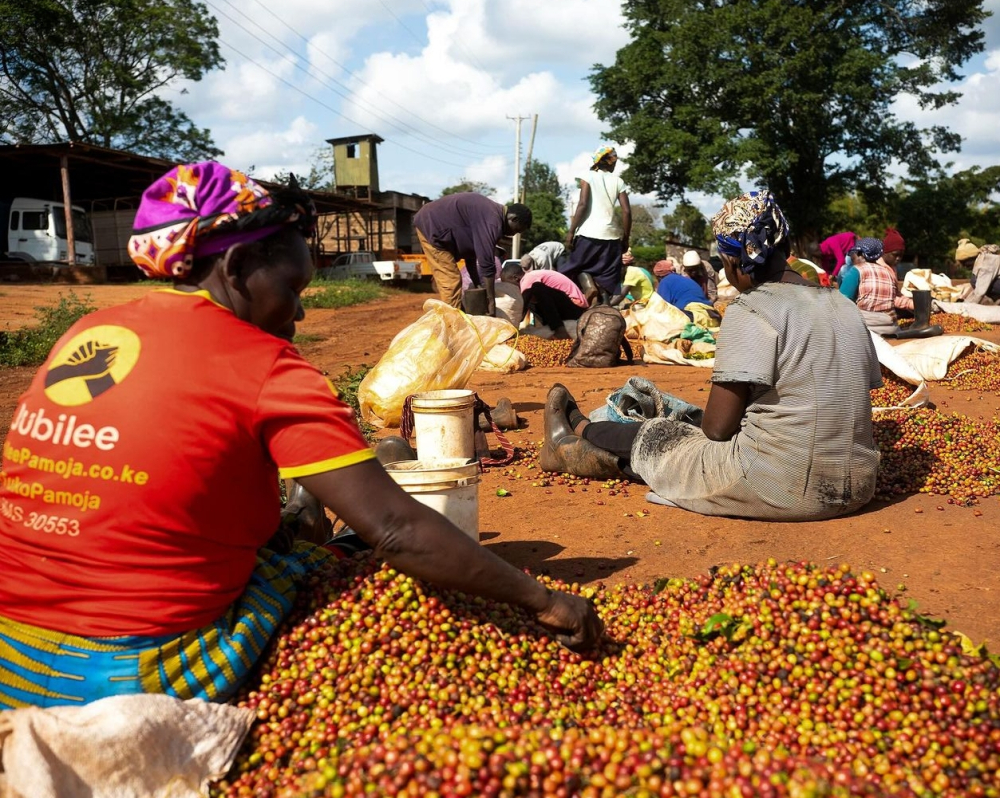
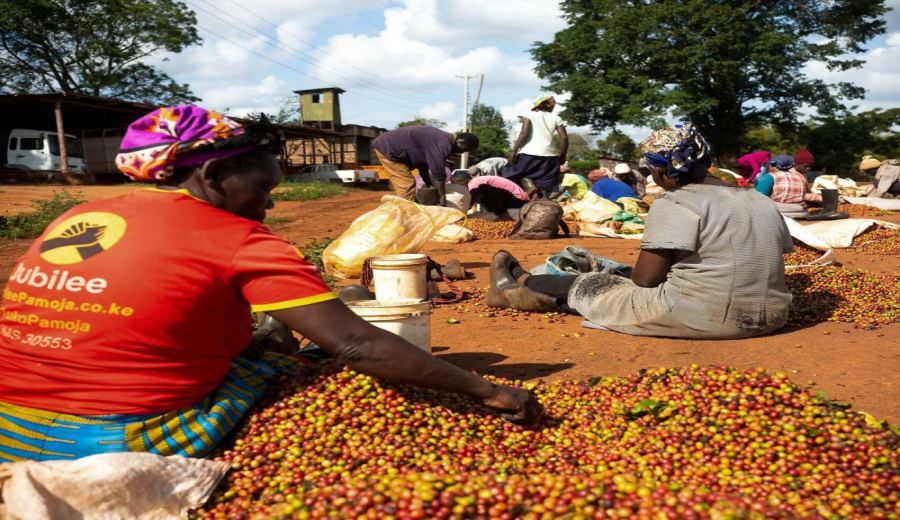
Due to its proximity to the equator and mountainous terrain, Kenya experiences distinct dry and wet seasons throughout the year, allowing for two coffee harvests annually. Approximately 60% of the production is concentrated in the main harvest season from October to December, with the remaining 40% during the secondary season from June to August. The main coffee-growing areas are centered around the capital Nairobi and extend southward into the volcanic belt of the Mount Kenya region, with altitudes generally ranging between 1600 and 2100 meters. The region’s unique red volcanic soils are rich in minerals, especially high concentrations of phosphates, which help slow down the ripening process of coffee cherries, thereby accumulating more aromatic compounds. As a result, the coffee often exhibits livelier fruit acidity and a firmer mouthfeel.
Kenya’s Three Popular Coffee Regions and Their Characteristics
Currently, the three popular Kenyan beans from a well-known brand on the market are: 【Karogoto】, 【Atharia】, and 【Hania】. They originate from different micro-regions in central Kenya, not only varying in altitude but also slightly differing in processing methods and varieties, resulting in their own unique flavor profiles.
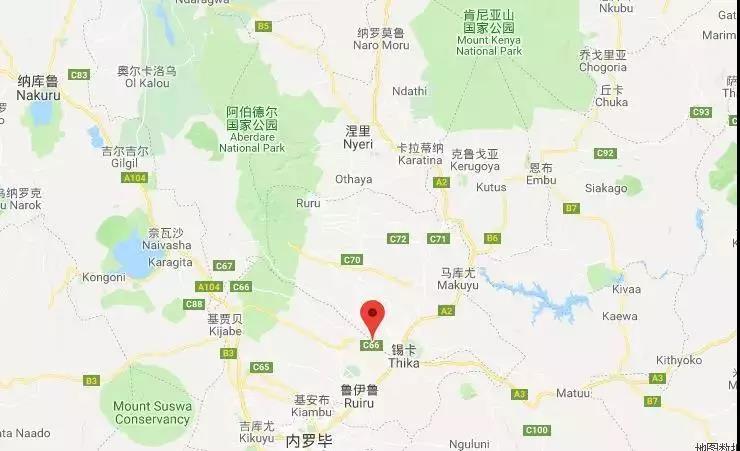
KarogotoGrown inNyeri, a region at the foot of Mount Kenya and one of Kenya’s core coffee-producing areas. The area is dominated by cooperatives formed by smallholder farmers, with coffee cultivation focused on fertile red soil zones. The harvest season is well-defined, and the October to December yield is usually of higher quality. The harvesting periods areOctober to December (main harvest season)andJune to August (secondary harvest season).
AthariaandHaniaare fromThika in Kiambu, a region near the Aberdare Mountains and part of the mid-altitude coffee belt. The soils here are also rich, organic volcanic red soils, with a mild climate and moderate rainfall. The coffee sources here include both smallholder farms and some estates, and while the yield is not as abundant as in the main regions, the quality remains stable. The main harvesting seasons also fall inOctober to DecemberandJune to August.
The Impact of Altitude on Flavor
Altitude is one of the key factors influencing coffee flavor expression. Generally, the higher the altitude, the slower the coffee grows, allowing for more complete accumulation of sugars and flavor compounds in the cherries. The altitudes of the three beans are as follows:
- Karogoto: approximately 1800 meters
- Atharia: 1550–1750 meters
- Hania: 1525 meters
Higher altitudes typically result in denser, harder beans, which directly affect roasting reactions and extraction performance.
Varietal Origins: SL28, SL34, and French Mission Bourbon
A significant part of the soul of Kenyan coffee flavor comes from its unique coffee varieties. Among them,Karogoto and Atharia both use the SL28 and SL34 varieties. These two varieties were developed by Kenya’s Scott Laboratories in the 1950s, with the goal of improving disease resistance and adaptability to high-altitude environments. Although the initial yield of SL28 was not as high as expected, it has extremely high flavor potential: bright citrus acidity, dark plum notes, outstanding sweetness, and complexity. The beans are small in size, with copper-colored leaves, making it one of the classic varieties for high-altitude performance.
In contrast,SL34 offers a richer, fuller flavor with high clarity. Its acidity is also complex but tends to be rounder, making it suitable for those who prefer a fuller-bodied cup. It carries more Typica lineage in its genes and shows greater resistance to sudden rainfall.
Hania, on the other hand, uses the French Mission Bourbon, a variety introduced to Kenya by French missionaries between 1892 and 1893. It is one of the most original Bourbon types, having undergone minimal modern breeding modifications, thus retaining the purest Bourbon flavor characteristics—such as soft caramel sweetness, nutty tones, and balanced fruity acidity.

Processing Differences: K72 Washed vs Refined Natural
The impact of processing methods on the final flavor of coffee cannot be overlooked. In Kenya,the K72 washed methodis one of the most representative premium processing techniques. This method involves three 24-hour fermentation and washing cycles for the harvested coffee cherries, totaling 72 hours—hence the name. This process is typically carried out in a low-temperature environment, helping to preserve the sharpness of acidity and clarity of aromas while removing excess impurities, resulting in a clean yet layered cup profile.
Both Karogoto and Atharia use this method, hence both beans exhibit high transparency and pronounced fruity acidity in their flavor profiles.
Meanwhile,Hania employs the refined natural process, where the parchment coffee is directly sun-dried over several weeks, allowing the sugars and aromas from the fruit pulp to gradually permeate the beans. This method imparts a richer sweetness, fuller body, and complex fruity fermentation notes, particularly showcasing the potential of the Bourbon variety.
Roasting and Brewing Parameters
In terms of roast profiles,both Karogoto and Atharia use the K72 double washed process and are roasted to a high temperature of around 191 degrees. Due to its higher altitude and harder bean density, Karogoto follows a slower roasting curve with an extended first crack development phase to fully express its balanced acidity and sweetness along with fine layers. Atharia, on the other hand, continues development for 2 minutes and 10 seconds after first crack, helping to reduce overall acidity and enhance sweetness and body.
Hania is processed using African raised beds for natural drying and roasted with a first crack starting point around 8 minutes and 15 seconds. The charge temperature is kept lower to avoid scorching the bean surface. Given the smaller bean size and softer texture, careful attention to heating rate is required to prevent outer roast with inner underdevelopment. The final roast temperature is higher, helping to deepen caramel and fruit flavors for a richer mouthfeel.
Cupping Flavor Profiles Overview
Karogoto: Bright and clean on entry, with vibrant acidity reminiscent of cherry tomatoes, berries, and dark plums. The mid-to-late palate reveals tea-like notes and caramel aromas, resulting in a refreshing and layered cup overall.
Cherry Tomato (Atharia): The wet aroma carries ripe tomato and floral notes. The cup opens with bright acidity, medium body, prominent sweetness in the mid-palate, and a finish of berry and green tea notes. It suits those who enjoy fruity, juicy profiles.
Hania: The dry fragrance hints at fermented dried fruits and vanilla. Sipping reveals caramel, mixed fruits, and intense jackfruit notes. The overall flavor is bold, featuring the wild charm typical of African beans, ideal for savoring slowly.
Pour Over Recommendations and Personal Preference Selection
If you enjoy bright acidity and fruity notes,Cherry Tomato (Atharia)is recommended for its particularly vivid cherry tomato and dark plum flavors. For those who prefer intense berry profiles,Hania’s natural process is a great choice. And if you lean toward a tea-like profile, dark plum acidity, and high balance,Karogoto will be your ideal match.
Recommended brewing parameters for reference: 30g water bloom for 30 seconds, first pour to 120g, second pour to 225g, total brew time around 2 minutes to fully highlight each bean’s unique character.
The above content is compiled by CoffeeHunters, a coffee news website.


