







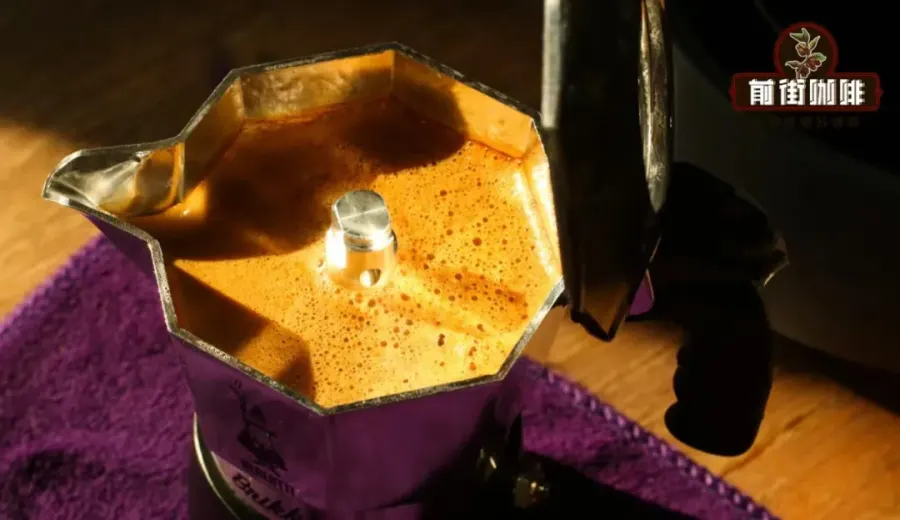
Introduction:If you want to use a Moka pot to brew coffee with flavors close to those of an Italian latte, the key lies in increasing the concentration of the coffee liquid itself and improving extraction efficiency. This article delves into how to adjust the coffee-to-water ratio and optimize extraction parameters to make your Moka pot brew richer and more balanced. Paired with a moderate amount of hot milk, you can perfectly replicate the classic latte taste and aroma — even home users can master it with ease.
The Moka pot uses pressurized extraction to produce a black coffee with a concentration close to that of an espresso, which is why it's often seen as a practical home alternative to an espresso machine for making various coffee drinks such as Americano, latte, and mocha. However, the pressure produced by a Moka pot is significantly lower than that of professional machines, and using its coffee directly for lattes often results in a watered-down taste. To fix this issue, the focus should be on increasing the concentration of the coffee liquid itself, rather than simply adjusting the ratio of milk to coffee.
This article will approach the optimization of Moka pot coffee quality from two main angles: first, by reducing the coffee-to-water ratio to decrease the amount of water used during extraction, thereby increasing the proportion of soluble substances in the coffee liquid; second, by further improving overall extraction efficiency through grind size, coffee dosage, heat control, and extraction time. Additionally, we’ll offer practical coffee bean selection advice and, using a medium-dark roasted Golden Mandheling as an example, demonstrate in detail how to use 20 grams of coffee, a 1:4 coffee-to-water ratio, and 180 ml of hot milk to brew a Moka pot latte with flavors close to an authentic Italian latte.
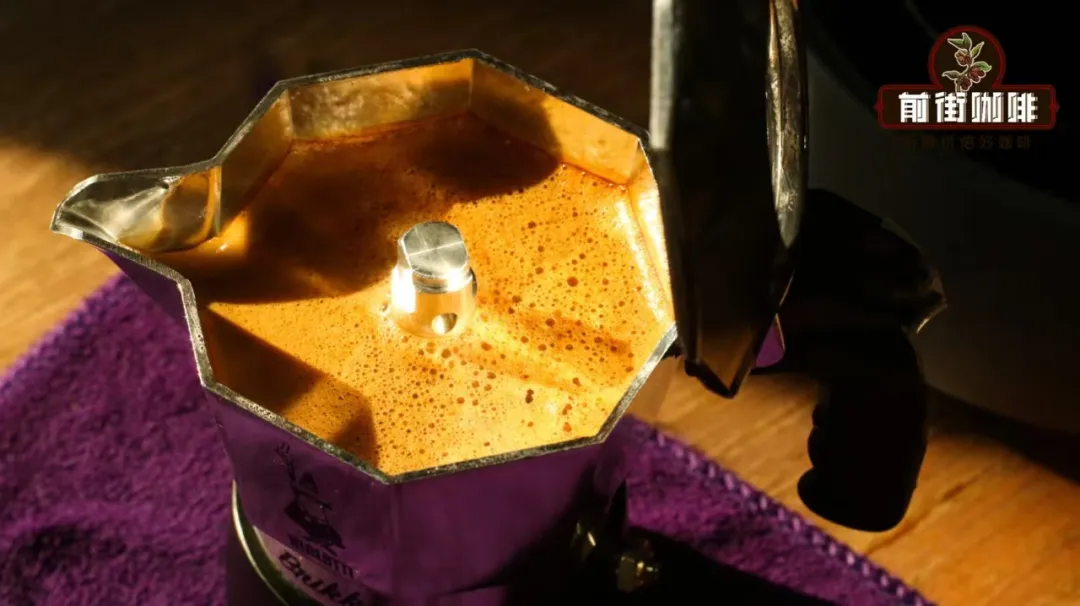
Like an espresso machine, the Moka pot also relies on pressurized extraction, so it can brew black coffee with high concentration — which is why many choose it as a home alternative to espresso machines. However, the actual pressure difference between the two is significant, meaning the coffee brewed with a Moka pot can only approach, but not fully match, the concentration of traditional espresso. When making milk-based coffee, the ratio of milk to coffee is certainly important, but if the coffee liquid itself lacks sufficient concentration, no matter how you adjust the milk quantity, the final result will struggle to meet ideal standards.
Therefore, if you want to make a satisfying latte with a Moka pot, the top priority is to enhance the concentration of the coffee liquid itself. Specific methods include reducing the amount of water used for extraction and simultaneously improving extraction efficiency — these will be the key focal points of this article.
Why raise the coffee-to-water ratio? Coffee concentration refers to the percentage of dissolved solids in the coffee liquid. When the total amount of substances released by the coffee grounds remains constant, using less hot water will increase the proportion of coffee substances in the liquid, thus raising the concentration; conversely, increasing the amount of hot water will reduce the relative proportion of coffee substances, leading to an overall drop in concentration.

In other words, if you want your coffee to taste stronger, you should reduce the amount of hot water used during extraction, lowering the water proportion in the coffee liquid; on the other hand, if you prefer a lighter taste, you can moderately increase the water volume. This adjustment not only affects flavor intensity, but also directly influences the overall balance when paired with milk later on.
So why is improving extraction efficiency equally important? When you reduce the amount of hot water used, the overall extraction efficiency may decline accordingly, which could lead to incomplete flavor extraction or under-extraction. To ensure the coffee still showcases a rich and layered flavor profile, you must compensate for the loss in extraction efficiency through other means.
Moka pot extraction efficiency can be adjusted and improved in several ways. Common methods include grinding the coffee finer, moderately increasing the amount of coffee used, and reducing the flame when coffee begins to flow to extend the extraction time. These fine-tuned adjustments can effectively offset potential under-extraction caused by reduced water volume.
When it comes to coffee bean selection, it’s also one of the most critical factors influencing the final flavor. If you want the milk coffee to better suit your personal taste, bean selection is absolutely non-negotiable.
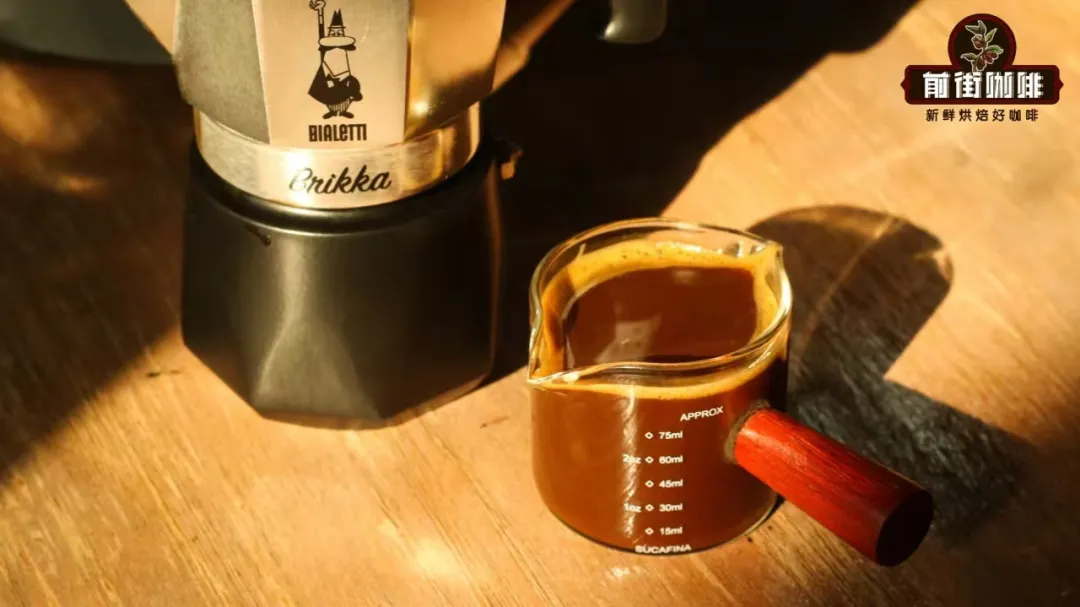
If your goal is to create a creamy, aromatic, and low-acidity milk coffee, it’s recommended to prioritize medium-dark roasted beans. These beans offer a richer flavor and can bring a more luxurious crema layer to your latte, enhancing the overall smoothness and body of the drink. If you're still unsure what to choose, consider a classic Italian blend based on Brazilian beans — these blends usually achieve a good balance and harmony in flavor, featuring natural sweetness and richness. Some blends also incorporate Robusta beans to further boost the coffee's crema and body, making Moka pot coffee more suitable for latte art and savoring.
How to make a Moka pot coffee that tastes close to a latte? We’ll use a medium-dark roasted Golden Mandheling as an example — this bean has intense roasty aromas and can yield rich, delicate crema, making it highly suitable for Moka pot lattes.
Recommended parameter settings are as follows: use 20 grams of coffee, grind size similar to table salt, with room temperature or slightly warm water, and maintain a coffee-to-water ratio of 1:4. During operation, add water and coffee grounds to the Moka pot in sequence, then heat until the coffee starts flowing.
When you hear the Moka pot start making noise, it indicates that coffee is about to flow — turn off the heat immediately at this point and let residual heat from the stove complete the extraction process. This method ensures the coffee flows out at a stable and slow pace, helping improve overall extraction rate and resulting in a more complete and balanced coffee flavor.
After extraction, pour the coffee into a prepared cup, then add an appropriate amount of hot milk according to your preference. The amount of milk can be slightly adjusted based on the roast level and processing method of the coffee beans. For the medium-dark roasted Golden Mandheling used here, it’s recommended to add about 180 ml of hot milk when making a hot latte, with a ratio of approximately 1:3.5.
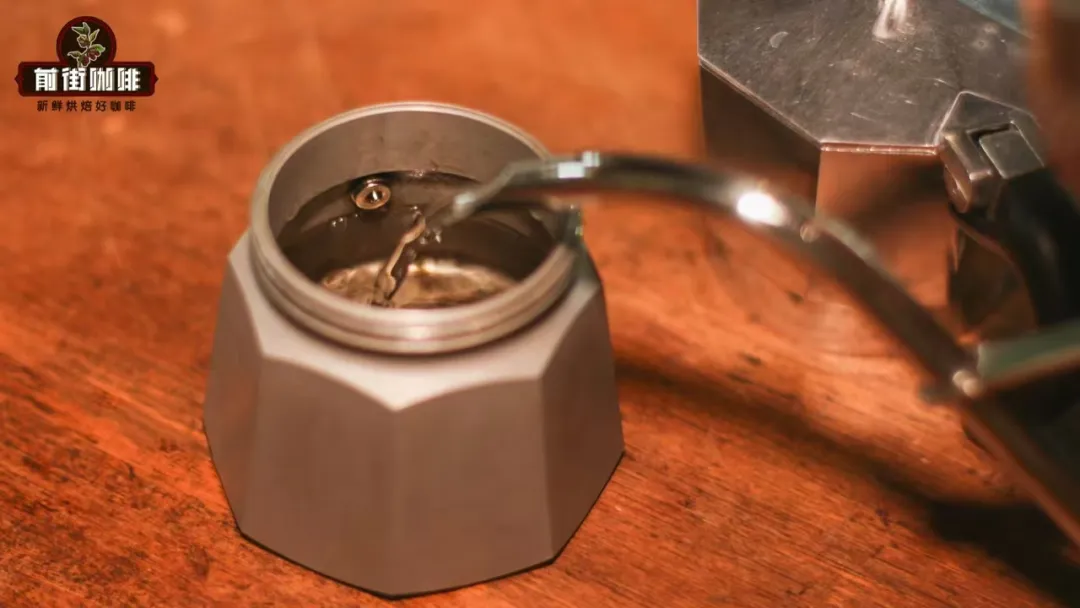
Just by looking at the color, you’ll notice that this Moka pot-made latte closely resembles the hue of a traditional Italian latte. In terms of flavor, the Golden Mandheling’s distinctive notes of nuts, chocolate, spices, and pine are all clearly present. Although the overall body is slightly less than that of a latte made with a professional espresso machine, the common issue of wateriness is noticeably improved. It’s smooth on the palate with distinct layers, delivering an unexpectedly satisfying experience — perfect for enjoying a high-quality latte at home.
The above content is compiled by CoffeeHunters, a coffee news website.


