








Introduction:Want to brew a well-balanced iced latte at home? From a barista’s perspective, this article dives deep into the key techniques for making an iced latte, including how to choose the right Arabica coffee beans, mastering espresso extraction parameters, and achieving the golden ratio of coffee to milk. We also address common issues such as bitterness, blandness, or both, offering specific suggestions for improvement to help you consistently brew satisfying iced lattes.
While lattes may seem simple, brewing one with a rich and balanced flavor is actually quite nuanced. Drawing from the hands-on experience of professional baristas, this article takes you through the essential aspects of making a great iced latte — from selecting the roast level of coffee beans, the technical details of espresso extraction, to setting the ideal coffee-to-milk ratio. Additionally, we outline the causes and corresponding solutions for common extraction issues such as excessive bitterness, flatness, or a combination of both, helping you achieve more consistent and effortless results each time.
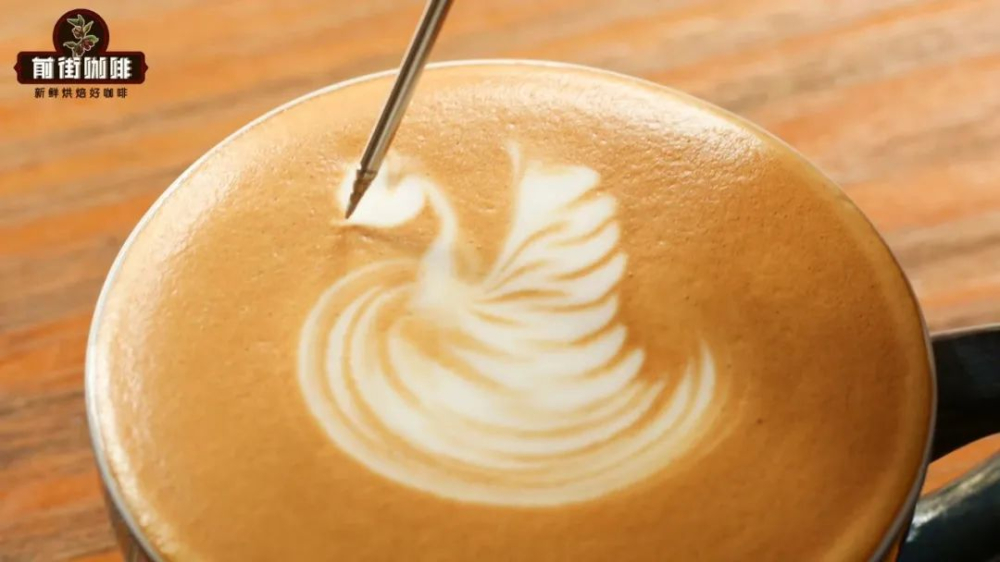
Do you remember the first time you had a latte? Many are initially drawn in by the delicate latte art, then take a sip and taste the subtle sweetness and mild bitterness from the coffee crema, followed by a second sip where the bold aroma of coffee perfectly blends with the creamy sweetness of milk — the overall mouthfeel is smooth and layered, with an aftertaste reminiscent of buttery chocolate. But just as commonly, negative impressions of lattes are strikingly uniform: too bitter, too bland, or both. So what exactly goes wrong?
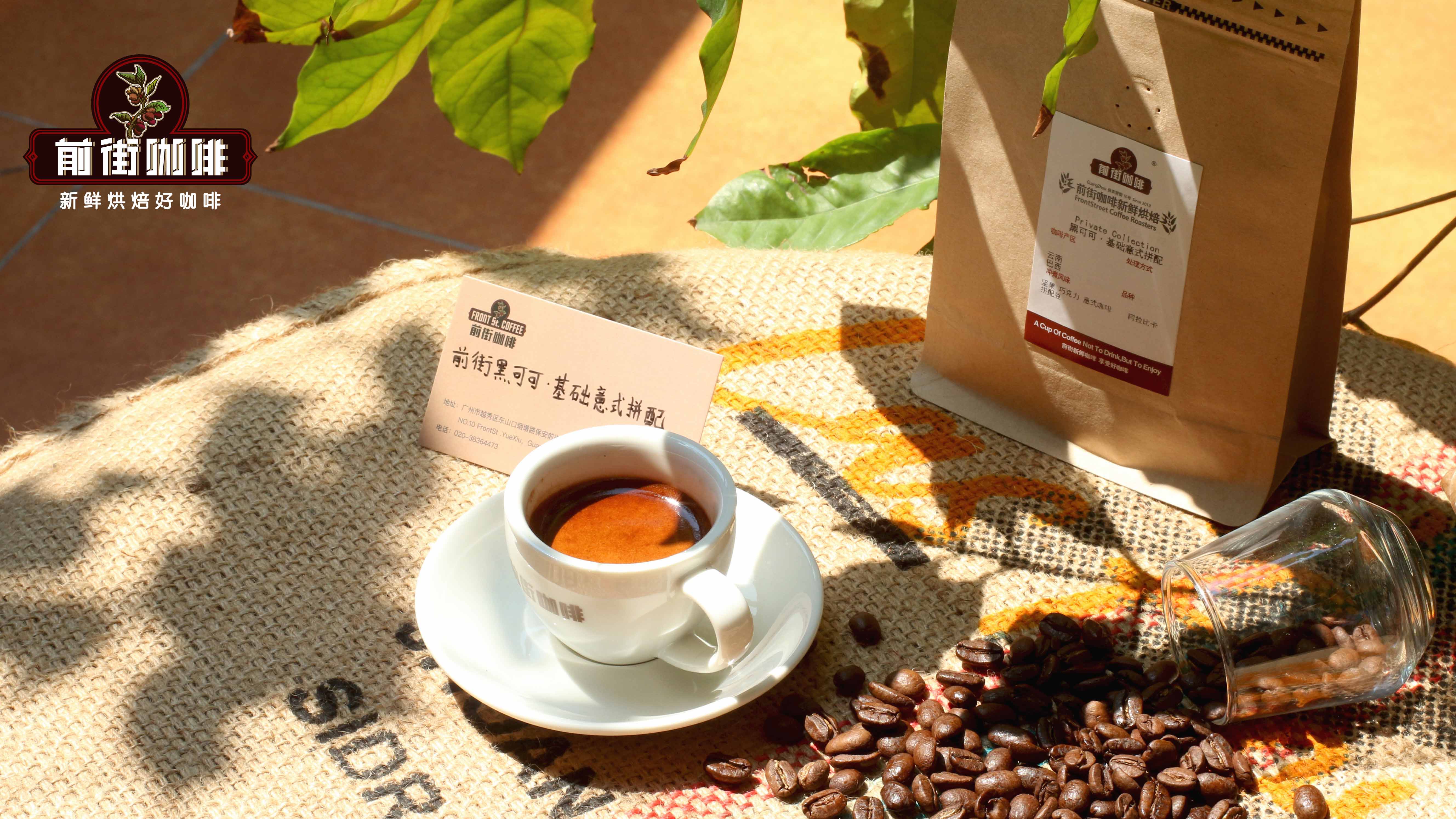
To make a satisfying iced latte, choosing the right coffee beans is key. It’s generally recommended to use medium-to-dark roasted blends or SOEs (single-origin espressos). These beans typically offer rich caramel and nutty notes that contrast nicely with the sweetness of milk, resulting in a more pronounced layering and lingering finish. If you prefer a reliable and cost-effective option, medium-to-dark roasted blends are a great choice — these beans usually have a full body with aromas like butter and roasted chestnuts, complementing milk beautifully.
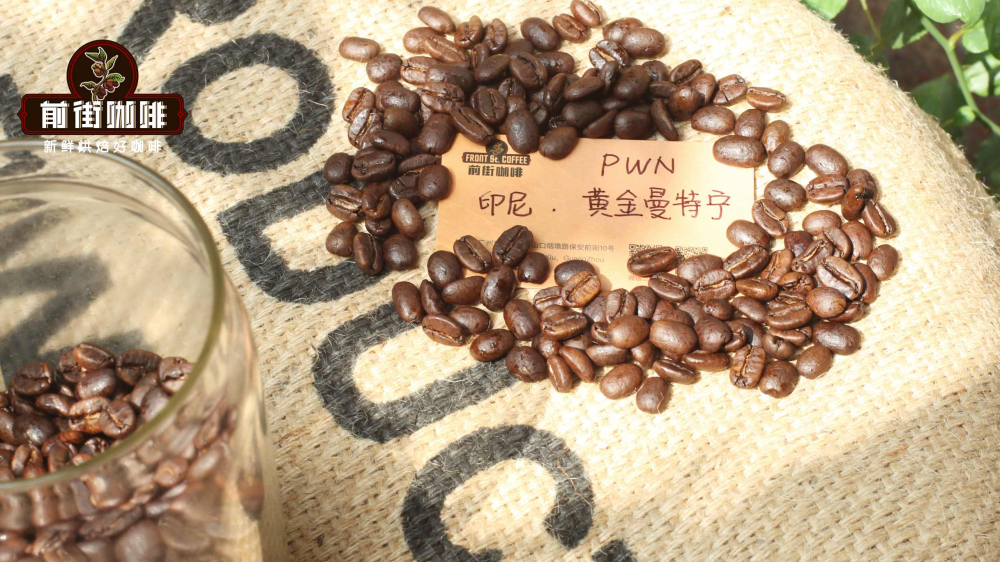
If you’re more drawn to the unique character of single-origin beans, consider SOEs from renowned regions. These beans often showcase intense caramel or chocolate flavors, creating a more distinctive taste when paired with fresh milk. For those who prefer a lighter-bodied iced latte, medium or medium-light roasted beans may be ideal — these often feature pronounced fruity or floral notes. For instance, certain strawberry sugar-flavored beans or the Hua Kui series, adjusted for espresso roasting, can yield vibrant espresso shots that pair wonderfully with milk, delivering a refreshing twist.
Taking medium-to-dark roasted blends as an example, we can follow a standard espresso extraction formula: a coffee-to-water ratio of about 1:2, meaning roughly 2 grams of espresso liquid is extracted from every 1 gram of coffee grounds, with an extraction time ideally between 25 to 35 seconds. In practice, for example, using a double basket with 20 grams of coffee grounds, aim to extract 40 grams of espresso, keeping the time between 27 to 33 seconds, while ensuring a stable flow rate without channeling, splashing, or inconsistent speed.
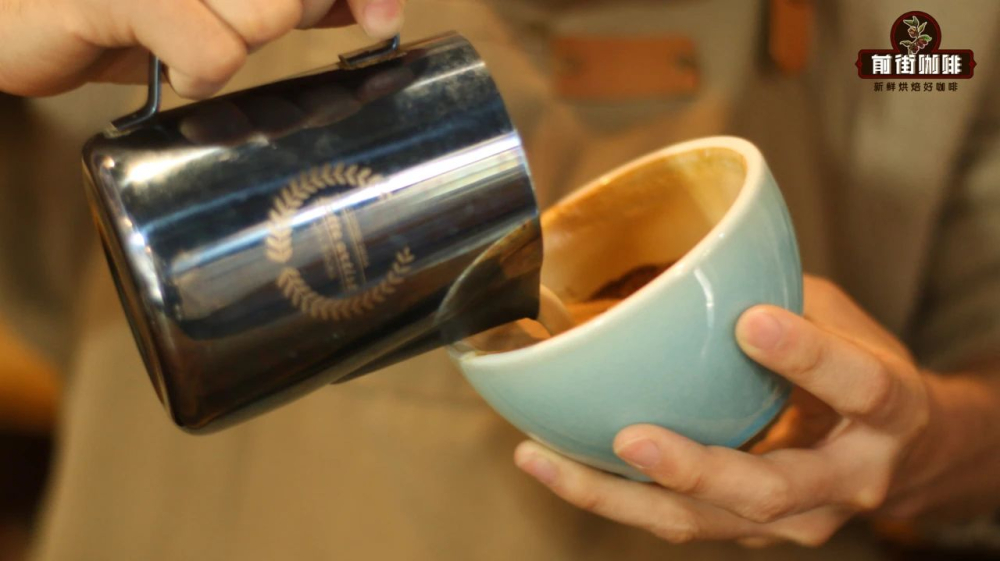
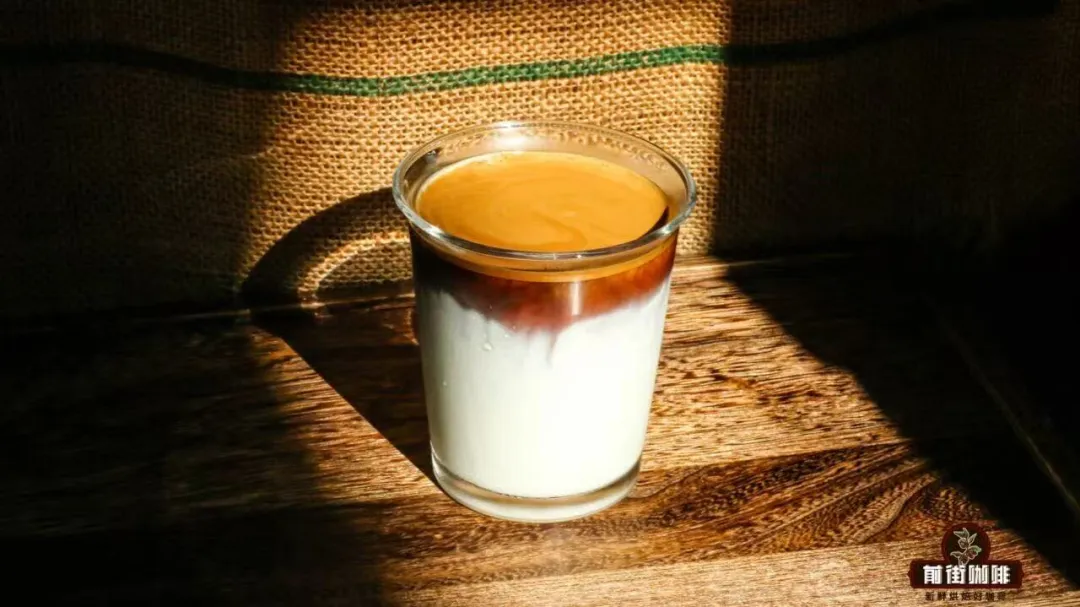
When making a hot latte, it’s generally advised to heat the milk to 55–65°C, froth it to a microfoam with a thickness of about 0.3–0.5 cm, then mix it with espresso at a 1:5.5 ratio before pouring into a cup and optionally adding latte art. For an iced latte, it’s recommended to start by placing 3 ice cubes at the bottom of the cup, with a suggested coffee-to-milk ratio of 1:5 — pour about 200 grams of fresh milk first, then add 40 grams of espresso. This method preserves an attractive layered visual effect, and as the ice melts slowly, it won’t overly dilute the coffee flavor.
Based on practical experience, as long as you get the coffee bean selection, espresso stability, and milk-to-coffee ratio right, making a delicious iced latte isn’t difficult. On the other hand, if your latte turns out either too bitter, too bland, or both, the issue likely lies within these key steps. Next, we’ll break down the reasons behind these common problems and suggest ways to improve them.
First, why does a latte sometimes taste noticeably bitter? Normally, thanks to the large amount of milk, the bitterness in a latte should be relatively mild. But if you’re experiencing a clearly overly bitter taste, the issue is usually with the espresso extraction. Potential causes include the coffee beans being roasted too dark, or incorrect extraction parameters — for instance, a slow flow rate leading to over-extraction. Generally speaking, if the extraction time exceeds 35 seconds, over-extraction is likely, resulting in prominent bitterness and loss of aroma.
Common causes of over-extraction also include channeling — uneven distribution of coffee grounds causing water to flow through certain areas, leading to localized over-extraction. This may result from clumped coffee grounds or uneven tamping. Solutions can include grinding the coffee slightly coarser or shaking the puck to break up clumps beforehand, ensuring an even coffee bed which helps stabilize flow rate and flavor balance.
So what about lattes that taste watery or too bland? This is usually related to the choice of milk and the concentration of the espresso. First, it’s recommended to use whole milk, as its higher fat content produces a creamier, more stable microfoam, contributing to a richer mouthfeel and fuller body. Low-fat or skim milk not only makes it harder to maintain good foam but can also lead to a thinner overall taste.
Moreover, if you’re using an SOE with prominent fruity notes — especially lighter-roasted beans — under-extraction can result in a latte that tastes overly weak, like milk with just a hint of coffee. Therefore, when selecting single-origin beans, pay special attention to how the roast level pairs with extraction parameters. If necessary, opt for an SOE-specific recipe to avoid under-extraction compromising the overall profile.
Lastly, if you encounter the contradictory taste of a latte being both bitter and bland, it’s often because the beans are roasted too dark, giving the espresso heavy roasted and woody notes. If the extraction yield is also high, over-extraction is likely. For example, some users habitually extract 40 grams of espresso from 18 grams of coffee — a ratio of about 1:2.22. Although the liquid yield increases, it also brings more over-extracted off-flavors and bitterness, resulting in a final cup that’s both bitter and thin.
If you suspect your latte has similar issues, try reducing the extracted liquid weight slightly — for example, by 5 grams — to increase the overall concentration of the espresso. This not only reduces the bitterness from over-extraction but also leads to a thicker, more balanced final latte.
The above content is compiled by CoffeeHunters, a coffee news website.


