







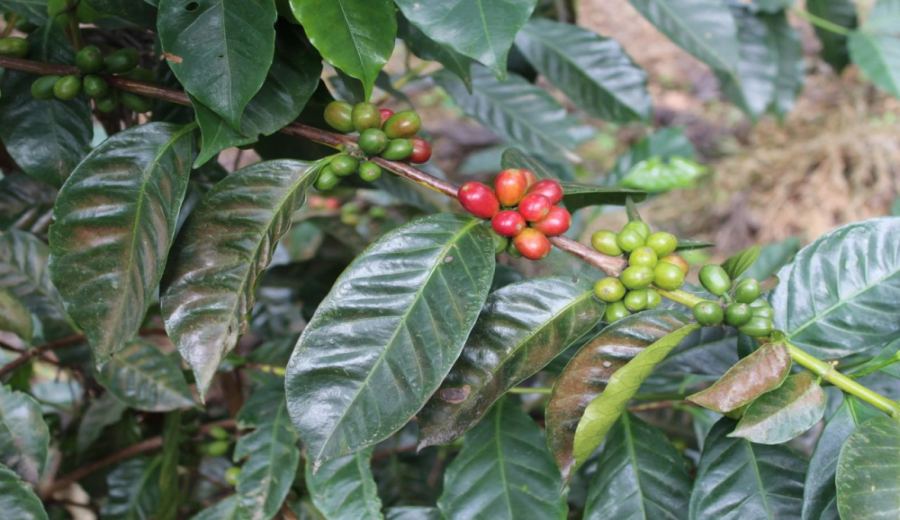
Introduction:Panama Geisha from Hacienda Esmeralda is hailed as the pinnacle of the coffee world, with its unique floral aroma, citrus notes, and tea-like body leaving an unforgettable impression. This article delves into the journey of Geisha from its Ethiopian origins to its rise in Panama, focusing on comparing the three major series—Esmeralda Red Label, Green Label, and Blue Label (Volcanic Stone)—and exploring how washed and natural processing methods influence flavor. It also provides complete pour over parameters and a three-stage brewing guide for the Esmeralda Green Label to help you brew a layered and nuanced cup of Geisha.
With its intense floral fragrance, bright citrus fruit notes, and soft tea-like undertones, Geisha has long held its place at the top of the high-end specialty coffee market. This article begins with the cultivation history of Hacienda Esmeralda in Panama, analyzing the positioning differences among its three products—Red Label, Green Label, and Blue Label (formerly known as Volcanic Stone)—to help you understand the flavor profiles brought by different processing methods. It also includes practical pour over parameters so you can experience the ultimate taste of Geisha at home.
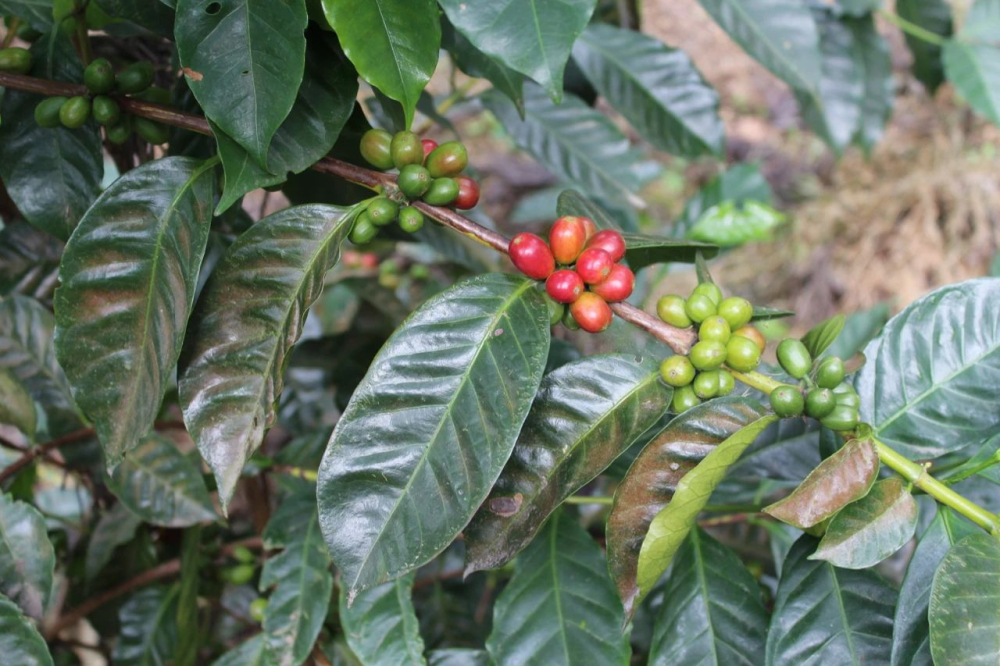
Geisha was first discovered in 1931 in the Kaffa forests near the Gesha Mountain in southern Ethiopia, and was later introduced to several countries but failed to stand out for a long time. It wasn’t until the 1960s, when it was transplanted to Panama, that this coffee variety began to gradually emerge. Among them, Daniel Peterson, the third-generation owner of Hacienda Esmeralda, noticed the unique citrus aroma of Geisha, so he cultivated it separately in high-altitude areas. In 2004, it made a remarkable debut at the "Best of Panama" competition, establishing its top-tier status.
Although Geisha has been trialed in various regions including Taiwan, Panama’s Hacienda Esmeralda remains the most revered for its classic representation. If you want to explore the true potential of Geisha, starting with this classic origin and renowned estate is a great choice.
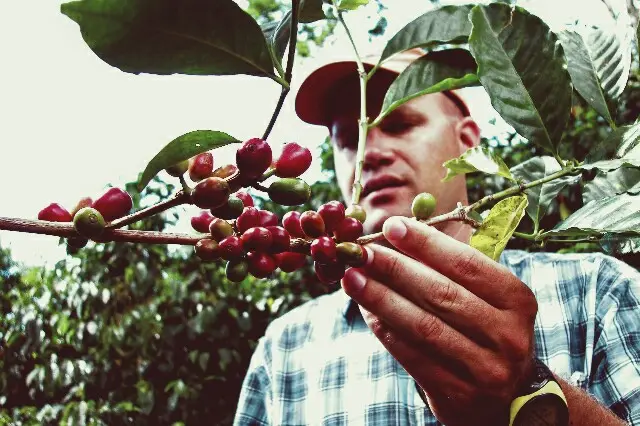
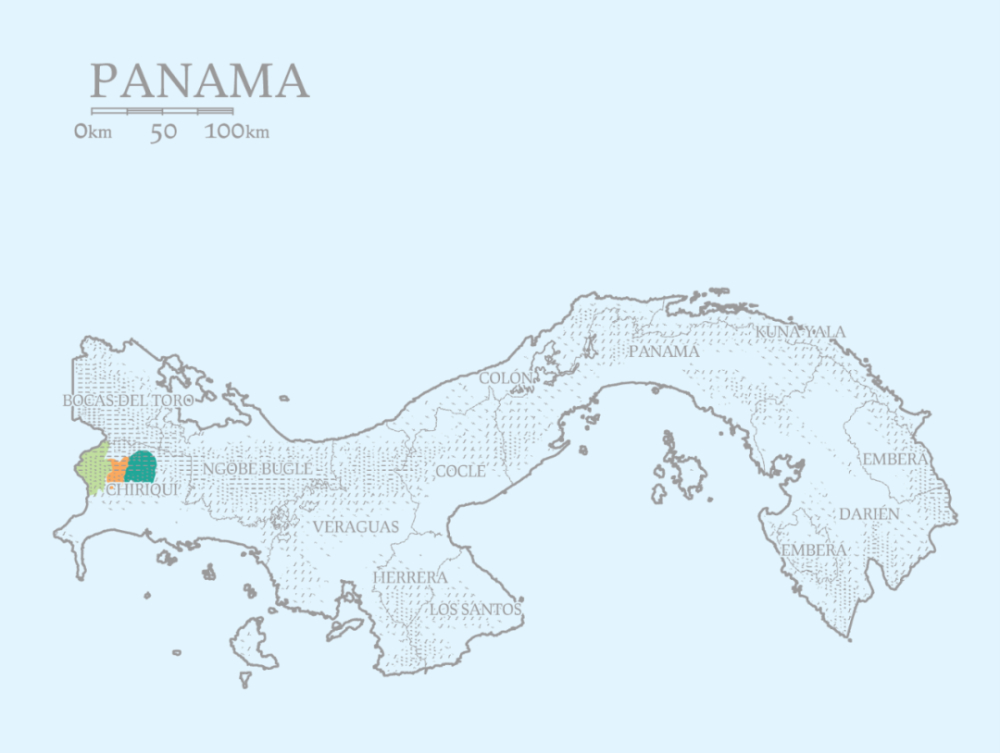
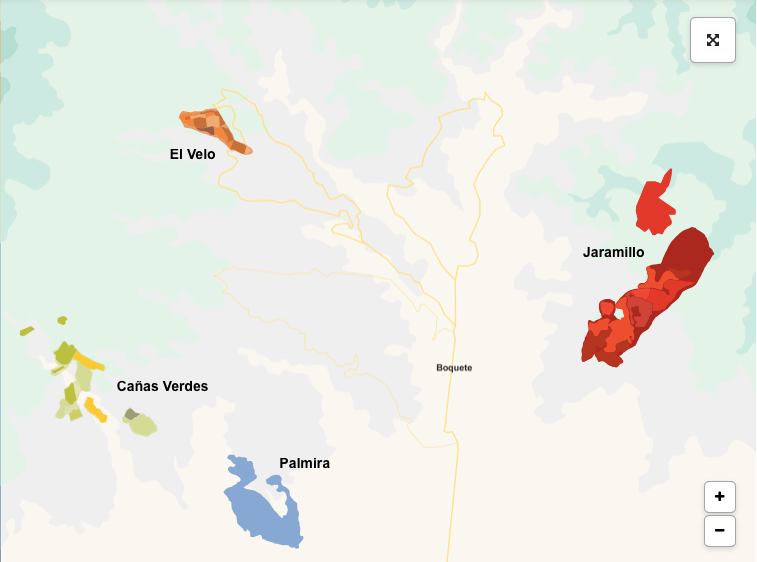
Hacienda Esmeralda is located in the Boquete region of western Panama, where the interaction of Pacific and Atlantic air currents creates a typical tropical highland climate. Coupled with fertile volcanic soil, abundant rainfall, and significant day-night temperature variations, it provides an ideal environment for coffee tree growth. The estate includes multiple micro-lots, such as Cañas Verdes, Jaramillo, and El Velo, managed according to altitude and microclimate, resulting in diverse yet consistently high-quality expressions of Geisha.
Currently, Hacienda Esmeralda offers three well-known Geisha product lines: Red Label (Esmeralda Special), Green Label (Esmeralda Green), and Blue Label (formerly known as Volcanic Stone), each representing different flavor profiles and processing methods.
The Red Label Geisha is selected from premium lots grown at altitudes of 1600 to 1800 meters, with cupping scores above 90, also known as "Esmeralda Special Selection." This series is limited to specific micro-lots and is often reserved for auctions. Its flavor profile is extremely delicate, featuring intense floral aromas and layered fruit acidity. Notably, auction lots of Geisha also come from Red Label plots, with only stricter selection processes, and no significant difference in flavor essence.
The Green Label Geisha is grown at similar altitudes as the Red Label, but without specifically labeled plot origins, mainly sourced from the Jaramillo and Cañas Verdes regions. This series typically does not participate in auctions but still showcases the distinctive clear floral and fruity notes and bright acidity of Geisha. The recent washed Green Label harvest highlights jasmine floral notes, with lively acidity, a refreshing mouthfeel, and a long-lasting aftertaste, making it a popular choice for many Geisha beginners.
The Blue Label (also known as Volcanic Stone Geisha) is a blend from three plots at altitudes of 1400 to 1500 meters. Previously only offered in washed processing, a natural version was added starting in 2021. The washed Blue Label presents a clean oolong tea aroma and soft cane sugar sweetness, while the natural batches add tropical fruit and subtle wine-like notes, with a rounder and fuller sweetness, suitable for those who enjoy rich layers.
Washed and natural are the two most common processing methods for Geisha, each excelling in different flavor expressions. The washed method involves first removing floaters, then stripping the pulp and flesh before fermenting to remove the mucilage layer, followed by rinsing with clean water and sun-drying to around 11% moisture content. This method highlights a clean, bright acidity and distinct floral notes, with a relatively refreshing flavor profile.
In contrast, the natural method involves directly sun-drying the whole coffee cherry with its pulp for 3 to 5 days, then transferring it to a dryer for slow rotation drying for about 72 hours until the desired moisture content is reached before hulling. Due to the longer fermentation time with the pulp, this method often brings out more intense tropical fruit, honey, and even wine-like aromas, with a richer sweetness, though the flavor layers are relatively more complex.
If you want to brew a refined Geisha flavor at home, the washed Green Label is recommended as an entry-level choice. Here’s a practical pour over recommendation: use a V60 dripper, as its unique rib design and large drainage holes help achieve even extraction and control concentration, making it ideal for showcasing the layered profile of Geisha.
It is suggested to set the coffee-to-water ratio at 1:16 (e.g., 15 grams of coffee to 240 milliliters of water), with a grind size of about 80% through a #20 sieve, similar to the coarseness of fine sugar, and water temperature controlled at 91–92°C. Use the classic three-stage pouring method: the first stage involves pouring 30 grams of water for a 30-second bloom; the second stage uses a slightly stronger flow to pour 120 grams of water, reaching a total of 150 grams; the third stage then uses a finer stream to pour 90 grams, totaling 240 grams, with an overall extraction time of about 2 minutes and 10 seconds. Pay attention to maintaining a stable flow rate to avoid excessive agitation of the coffee bed, which could lead to uneven extraction.
The brewed Green Label Geisha, at high temperatures, highlights lemon acidity and a tea-like body, and as it cools, sweet notes such as citrus and honey gradually emerge. The overall mouthfeel is clean and bright, making it an excellent way to experience the multi-layered aromas of Geisha.
The above content is compiled by CoffeeHunters, a coffee news website.


