







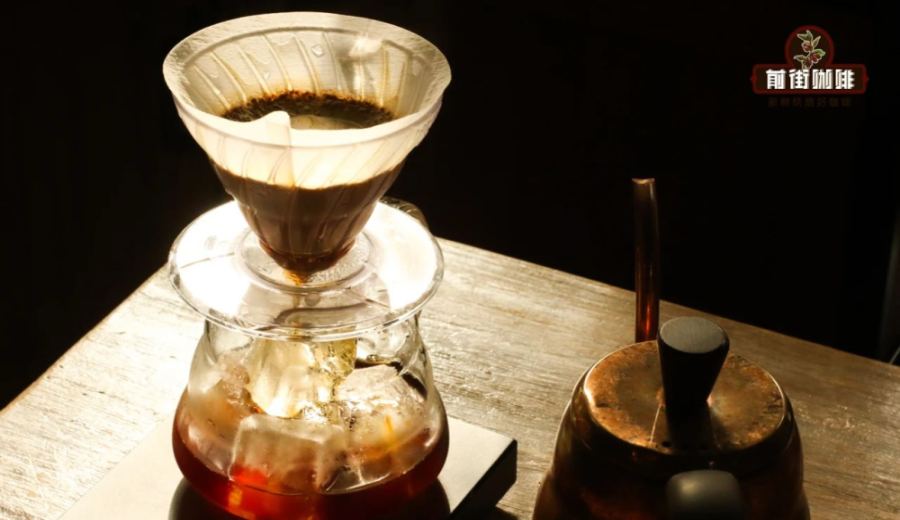
Introduction:Although both drip bag coffee and pour over coffee belong to the category of filtered brewing methods, they often exhibit significant differences in flavor expression. This article delves into why drip bag coffee tends to yield lighter flavors and explores key parameters such as coffee-to-water ratio, water temperature control, and pouring techniques to help you optimize the drip bag brewing process. It also compares the fundamental differences between drip bags and pour over in terms of equipment and extraction effectiveness, helping you bring out the best flavor from your drip bag coffee using the correct method.
The brewing principles of drip bag coffee and pour over coffee are similar, as both use filter paper to separate the coffee liquid. However, when using the same coffee beans, pour over often showcases a richer flavor profile, which is closely related to the way each method is operated. In particular, drip bag coffee uses pre-ground coffee powder, which is exposed to air before brewing, leading to the evaporation of some aromatic compounds. Additionally, the structure of the drip bag cannot precisely control flow rate and extraction uniformity as effectively as a pour over dripper paired with filter paper, resulting in a final flavor that is relatively thin.
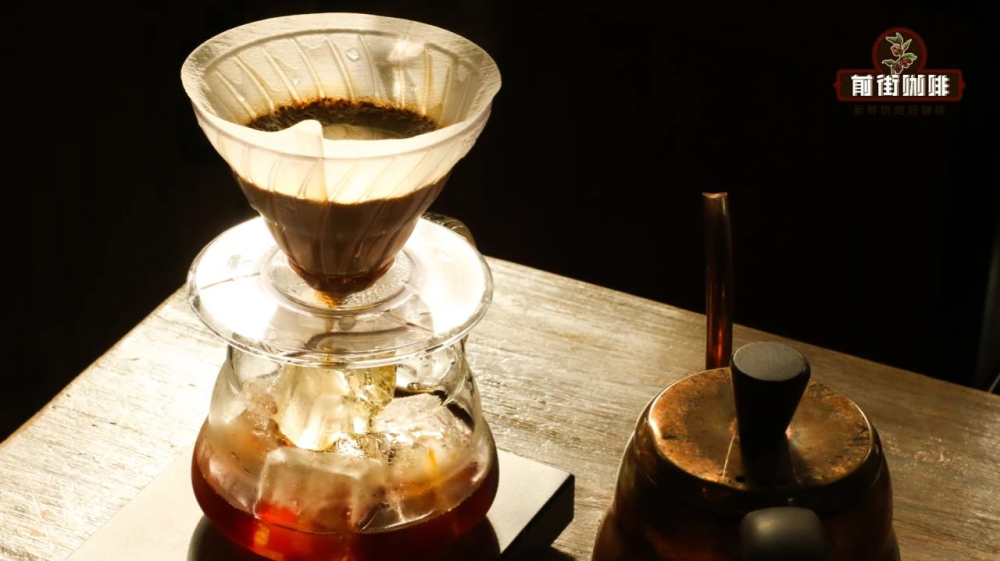
Judging drip bag coffee by the standards of pour over coffee is indeed unfair. But if you want to achieve more satisfying taste from drip bags, adjusting a few key variables can significantly improve the result. Many users report that their drip bag coffee tastes too weak, and the primary reason is usually an imbalance in the coffee-to-water ratio—either too much water is used or the amount isn't controlled according to the recommended proportions, leading to insufficient coffee concentration. Furthermore, the type of container used can also affect the extraction outcome; choosing the wrong one may cause the coffee liquid to backflow, compromising the overall flavor expression.
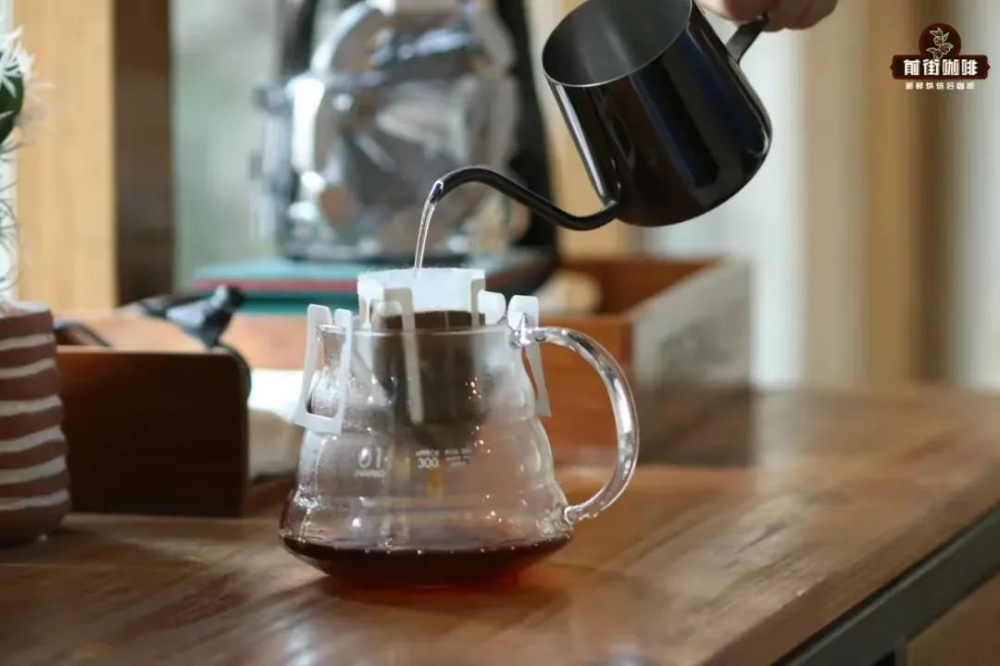
Common household mugs typically have a capacity of around 250 to 350 milliliters. If you use a standard drip bag containing 10 grams of coffee powder and follow the recommended coffee-to-water ratio of 1:15 to 1:18, the volume of brewed coffee liquid will be approximately 130 to 160 milliliters—only about half the capacity of the mug. If you pour water directly to fill the mug, not only will the concentration be diluted, but the prolonged steeping time may also lead to over-extraction, resulting in unpleasant bitterness and astringency.
The height of the cup used for brewing drip bag coffee also plays a crucial role. It’s recommended to use a tall mug or glass so that the brewed coffee liquid can flow downward smoothly, avoiding backflow and immersion of the coffee powder. If a cup that is too short is used, the brewed liquid can easily flow back into the drip bag, causing the coffee powder to remain submerged in the liquid for too long and release excessive impurities. This affects the purity and layering of the flavor, ultimately leading to a dull or even burnt and bitter taste.
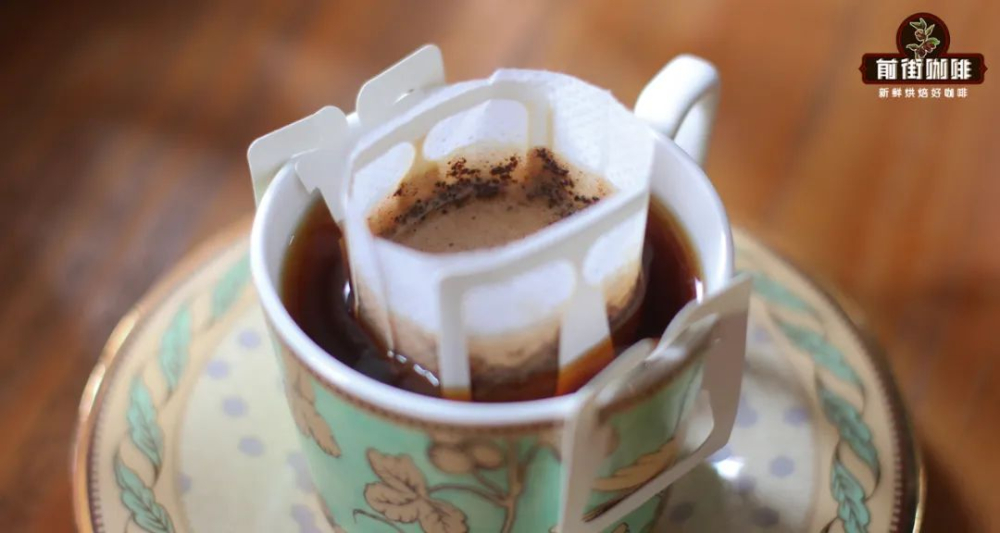
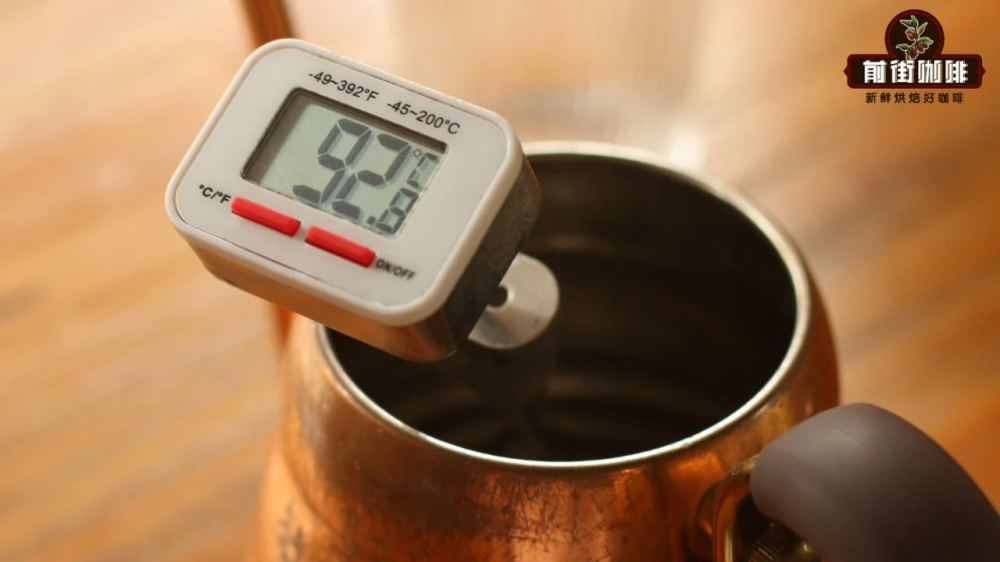
To brew a cup of drip bag coffee with balanced flavor and pleasant mouthfeel, the key lies in controlling water temperature, coffee-to-water ratio, and avoiding prolonged immersion of the coffee liquid in the drip bag. It’s recommended to use water at approximately 90°C for brewing. If you don’t have a thermometer or temperature-controlled kettle, you can turn off the heat once the water boils, lift the lid, and let it sit for about 60 to 90 seconds, which will bring the temperature down to the ideal range of 88 to 95°C.
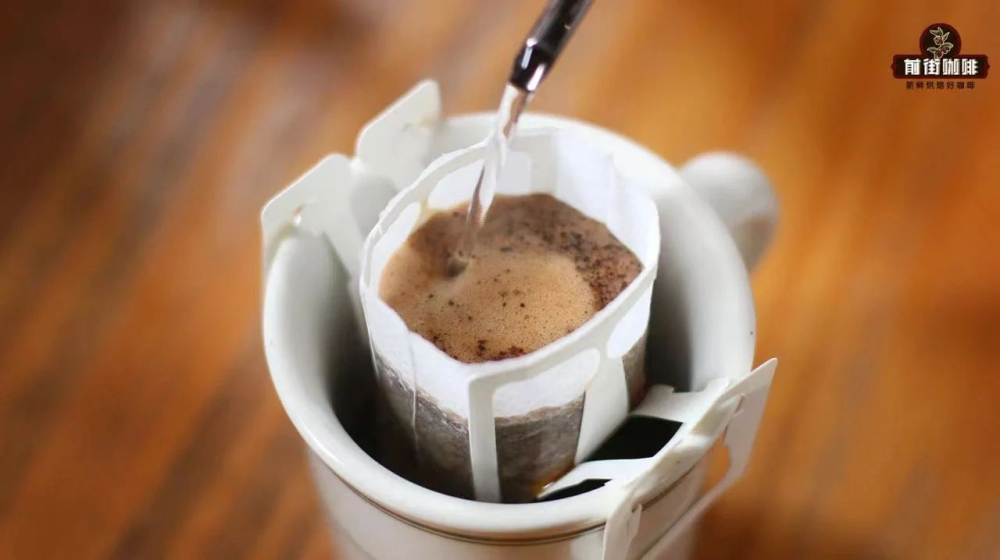
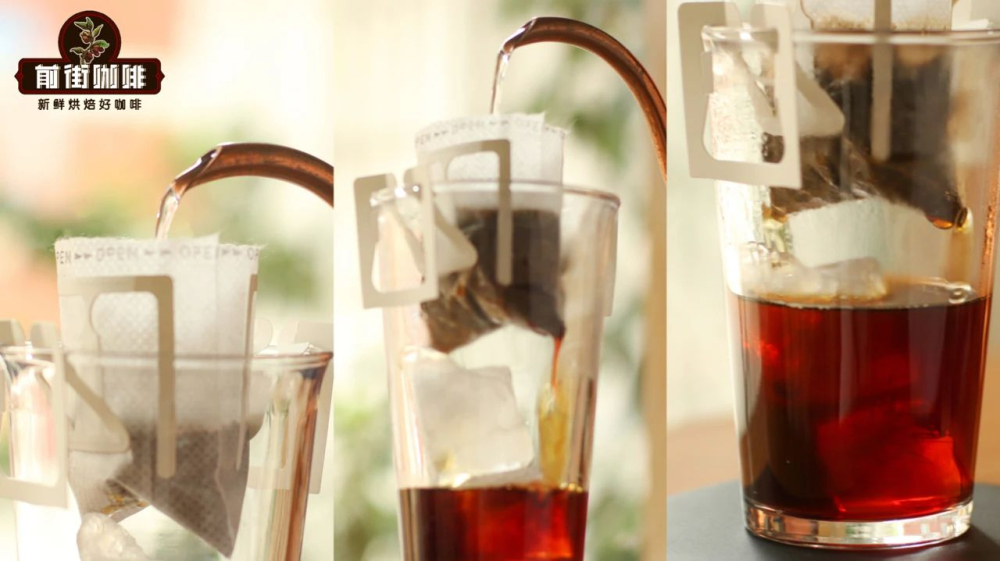
Regarding the pouring process, if you’re unable to measure the water volume precisely, it’s recommended to proceed in four stages: First, pour hot water equivalent to about half the capacity of the drip bag, let it sit for about 20 seconds for the bloom to awaken the coffee grounds; then pour water directly up to the top of the drip bag, wait for the coffee liquid to fully drip through, and repeat the process of filling and waiting for the liquid to drip; finally, for the fourth time, fill again and allow it to finish dripping. The total water volume used should be around 150 to 160 milliliters. This method is not only simple and convenient but also helps improve flavor extraction efficiency, making the drip bag coffee closer in performance to pour over.
The above content is compiled by CoffeeHunters, a coffee news website.


