







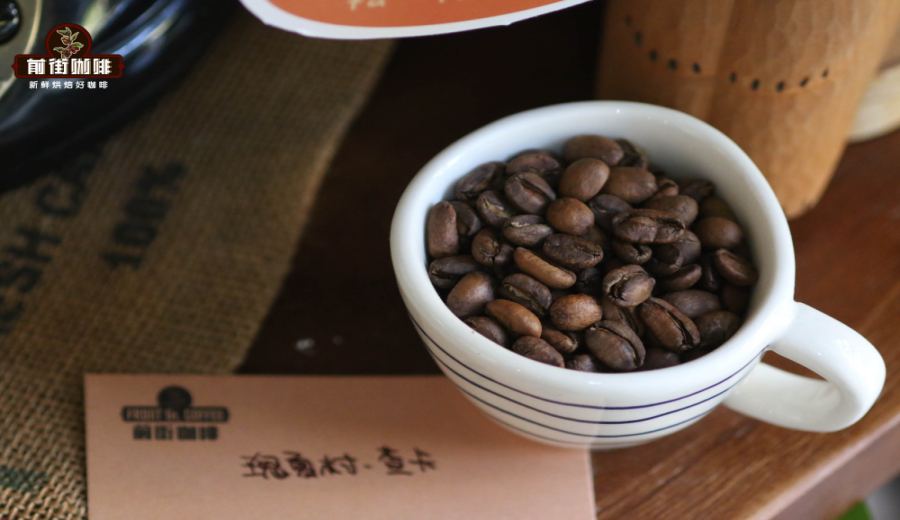
Introduction:Take an in-depth visit to the Gesha Village Estate in Ethiopia’s Bench Maji region to explore the origins and unique grading system of this renowned large-scale coffee plantation. This article details the regional characteristics and five-tier grading standards of Gesha Village’s natural-processed coffees, and offers practical pour over parameters for the Red Label, helping you master the brewing essentials of this top-tier coffee and experience the allure of its bright fruity and floral flavors.
Located in Ethiopia’s Bench Maji region, Gesha Village Estate is a highly representative name in the specialty coffee world. Covering 471 hectares, this large-scale plantation was conceived in 2007 by documentary filmmaker Adam Overton and his photographer wife Rachel Samuel. While searching for wild Gesha, they unexpectedly discovered the Gori Gesha Forest. Based on rigorous quality control and cupping, Gesha Village categorizes its beans into five lots: Auction, Gold Label, Red Label, Green Label, and Chaka, to meet the discerning flavor preferences of different consumers. This article will guide you through the origins and grading logic of Gesha Village, and provide pour over recommendations for the Red Label natural-processed Gesha, so you can brew high-quality Gesha flavors at home.
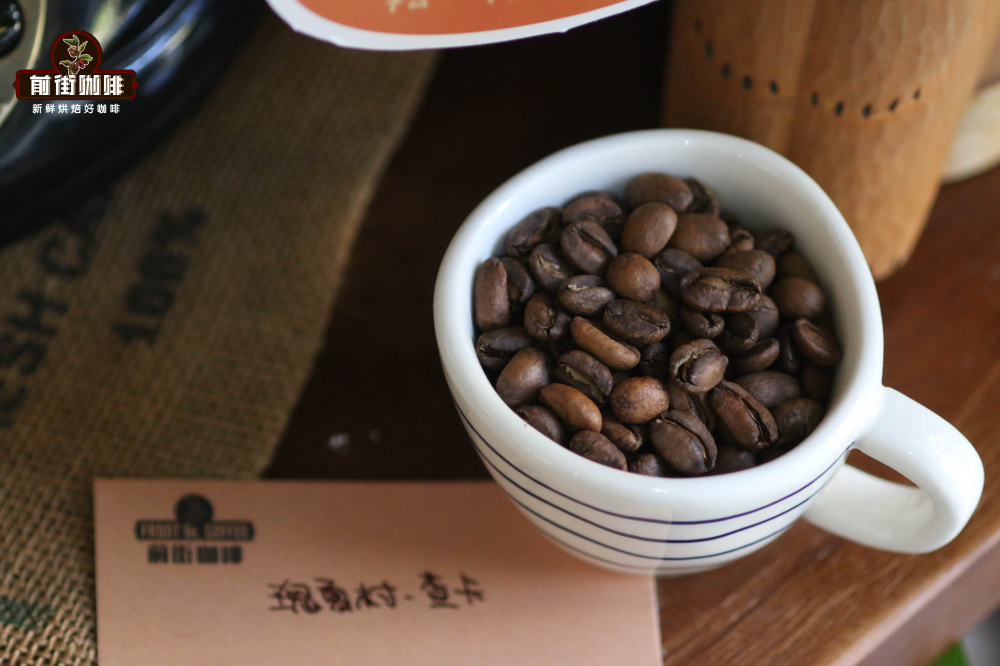
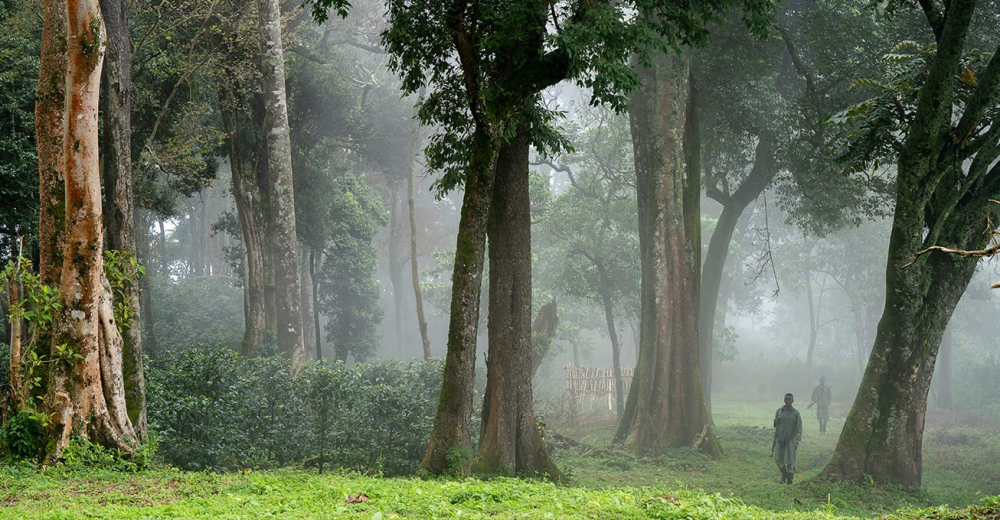
Gesha Village Estate was born out of a documentary filmmaking journey. In 2007, while filming a coffee-themed documentary for the Ethiopian government, Adam Overton and Rachel Samuel ventured into the Gera Coffee Forest in the Bench Maji area. This trip inspired their dream of creating their own coffee brand. In 2009, after interacting with renowned mule estate owner and BOP judge Willem Boot, they decided to return to southern Ethiopia and head deep into the Bench Maji region—located at an altitude of about 1700–2100 meters, believed to be the possible birthplace of the Gesha variety. While exploring the surrounding jungles with Willem Boot, they were pleasantly surprised to discover wild Gesha trees. This forest turned out to be the Gori Gesha Forest, where the Gesha variety was first discovered. They brought these precious seeds back to plant, establishing what is now the well-known Gesha Village Coffee Estate, or Gesha Village as we know it.
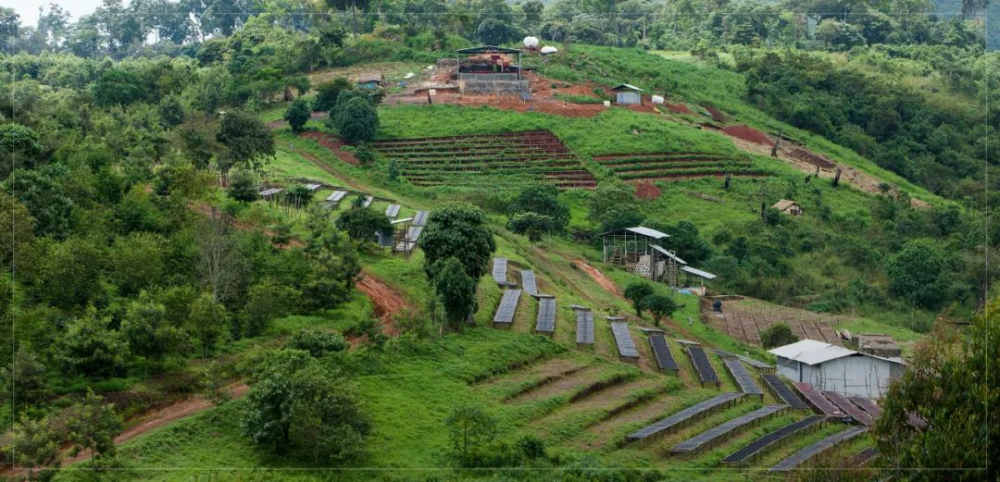
Gesha Village Estate is no small farm, but a large-scale coffee planting base spanning 471 hectares, known for producing beans with clear and layered flavors. The estate is subdivided into eight plots, each with unique coffee characteristics due to differences in altitude, soil, and microclimate. After repeated variety selection and cupping validation, Gesha Village ultimately established a clear grading system—the familiar Gold Label, Red Label, Green Label, and Chaka lots—allowing consumers to choose based on budget and flavor preference.
Based on the subtle differences in microclimates across the growing region, Gesha Village has designed a rigorous coffee grading system, mainly divided into five grades: Auction, Gold Label, Red Label, Green Label, and Chaka. The Auction lot accounts for only 3.7% of annual production, representing the very best of the best. Released annually through global auctions, the 2018 Auction lot scored between 88.15 and 92.67 in cupping, including premium lots such as Gesha Village 2018 Auction Lot RSV.6—truly rare, collectible-grade coffee.
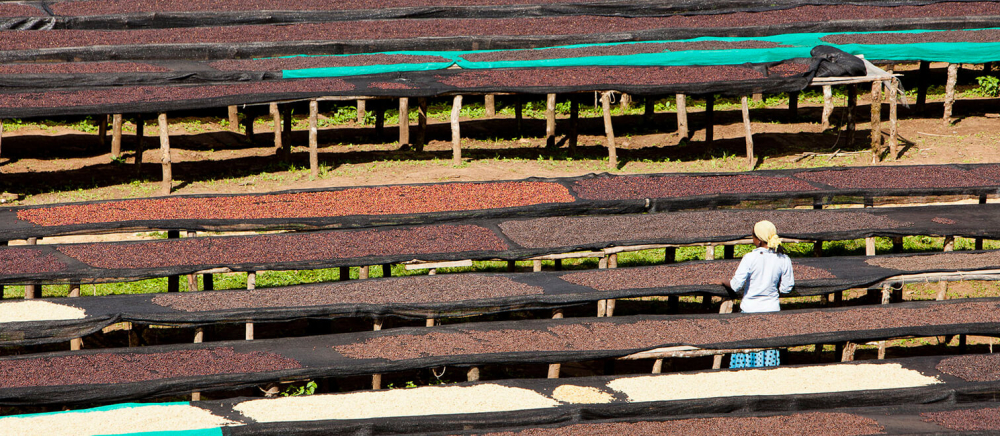
The Gold Label lot makes up about 5% of total production and is favored by competition brewers and high-end roasters. It boasts high traceability and complex flavor profiles, making it the top choice after the Auction lot.Red Label lotAlso comes with complete growing region information and presents the classic flavors of Gesha Village. Though slightly less intense and layered than the Gold Label, it offers excellent value for money and is the top choice for many coffee enthusiasts.Green Label lotComes from a single plot and a single variety, with distinct flavor characteristics but slightly weaker overall intensity.Chaka lotIs a blend that combines Gori Gesha, Gesha 1931, and the Ethiopian native disease-resistant variety Illubabor, offering another balanced and distinctive option.

The eight plots within Gesha Village each have different altitudes, soil conditions, and shading environments. For example, the OMA, SURMA, and SHEWA-JIBABU plots on the western side of the estate are located at higher elevations, while the southern area has more shade cover, and the northern area enjoys longer sunlight hours. The estate management team selects the most suitable coffee varieties for each plot based on these microclimate differences, ensuring that each area can showcase its unique flavor profile, thus forming Gesha Village’s diverse and recognizable product line.
Gesha coffee is known for its bold floral aromas and rich fruit notes, and the natural processing method in particular highlights its sweetness and layering. When introducing Gesha Village natural lots, the industry often opts for medium-light roasting to present the bright acidity and aroma of high-altitude beans. To fully unlock the delicate flavors of Gesha, it’s recommended to use slightly higher water temperature and finer grind size, extracting its complex fruit and floral layers through precise brewing techniques.

Below are practical pour over recommendations for the Red Label Gesha Village natural coffee, ideal for replicating café-quality brews at home:
- Filter:V60
- Water temperature:91-92℃
- Coffee dose:15 grams
- Coffee-to-water ratio:1:15 (total water 240 grams)
- Grind size:Granulated sugar size (approximately 80% through a #20 sieve)
Brewing steps follow the classic three-pour method: First, place 15 grams of coffee grounds in the filter, then pour 30 grams of water for a 30-second bloom, using a small stream and circling from the center outward to ensure even saturation of the coffee bed. The second pour uses a slightly larger stream to add 120 grams of water, reaching a total of 150 grams around the 55-second mark, with a steady, vertical water flow. The final pour, when the coffee level drops halfway, adds 90 grams of water using a small stream and careful circular motion to avoid excessive agitation of the coffee bed, with a total dripping time of approximately 2 minutes and 10 seconds. After brewing, gently swirl the coffee in the server, and enjoy this Gesha Village natural coffee full of fruity and floral aromas with a bright acidity.
The above content is compiled by CoffeeHunters, a coffee news website.


